
Olympia Chimney Chimney Sweep in Santa Rosa: A Homeowner’s Guide
When a chimney technician says they’re installing an “Olympia liner,” most homeowners nod along and hope it’s the right call. That’s the problem. Olympia Chimney is a manufacturer of chimney components, not a sweep service, and the name on the box tells you less than the spec sheet inside it. Knowing what Olympia actually makes, and which stainless grade belongs in your flue, is how you verify that the right part is going in and not just any liner sold by the foot.
What Is Olympia Chimney, Exactly?
Olympia Chimney is a manufacturer of chimney system components: flexible and rigid stainless liners, chimney caps, chase covers, and top-mount dampers. It is not a service franchise and it does not sweep or inspect anything. Contractors buy the parts and install them.
That distinction matters in Santa Rosa, because a company that names Olympia in an estimate is telling you which manufacturer’s materials they plan to use. A company that waves the name around without a product line, a gauge, or a listing number is using it as decoration. We work with a short list of professional-trade brands including Olympia Chimney, DuraFlex, Famco, and Copperfield, and the reason is simple: when a repair decision gets made on the spot, the parts need to be the right ones, not whatever a big-box aisle happens to stock that week.
Professional-grade components are specified by a contractor who knows your appliance, your flue, and your fuel. Generic liner sold by the foot at a hardware store rarely comes with the same documentation, and documentation is what your insurer and a future home buyer will want to see.
Which Olympia Products Fit a Santa Rosa Home?
Most Santa Rosa homes fall into one of two liner situations, and Olympia makes a product for each. The right one depends on the shape of your flue, not on what’s easiest to install.
- Flexible liner systems suit older masonry chimneys with offsets, bends, or an irregular flue. The liner follows the path of the chimney instead of forcing the chimney to accept a straight pipe.
- Rigid liner suits straight runs, typically in newer construction or a flue that was built true. It holds its shape, drafts predictably, and is easier to inspect over time.
- Caps and chase covers close the top of the system. A cap keeps rain, birds, and debris out of a flue that is otherwise a very inviting vertical tunnel.
- Top-mount dampers seal the flue when the fireplace is idle, which is a different job from the throat damper most homeowners already know.
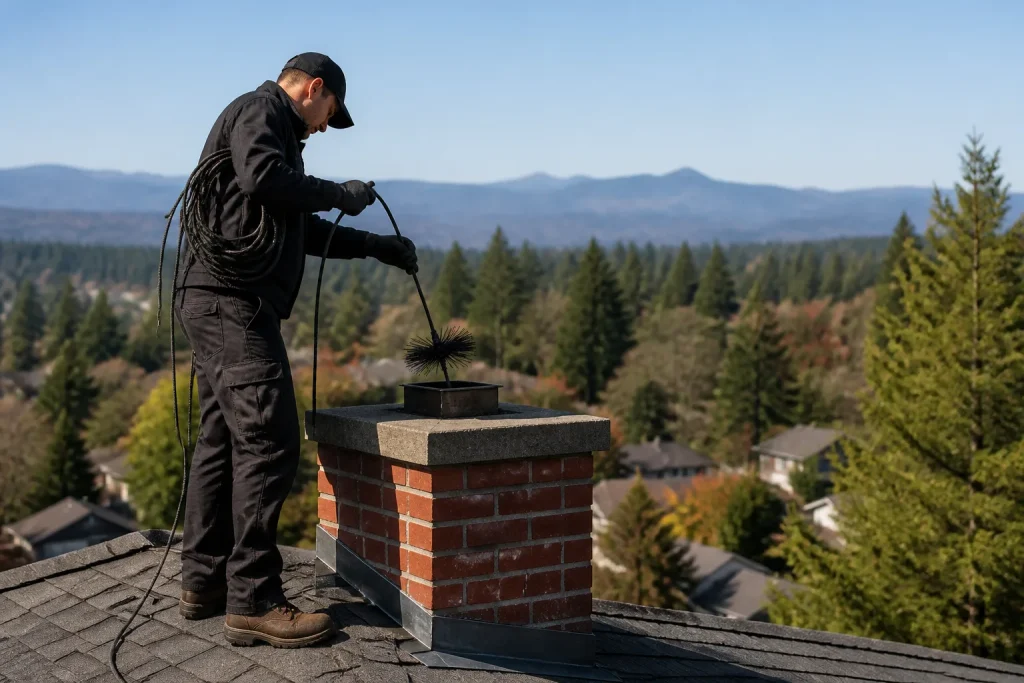
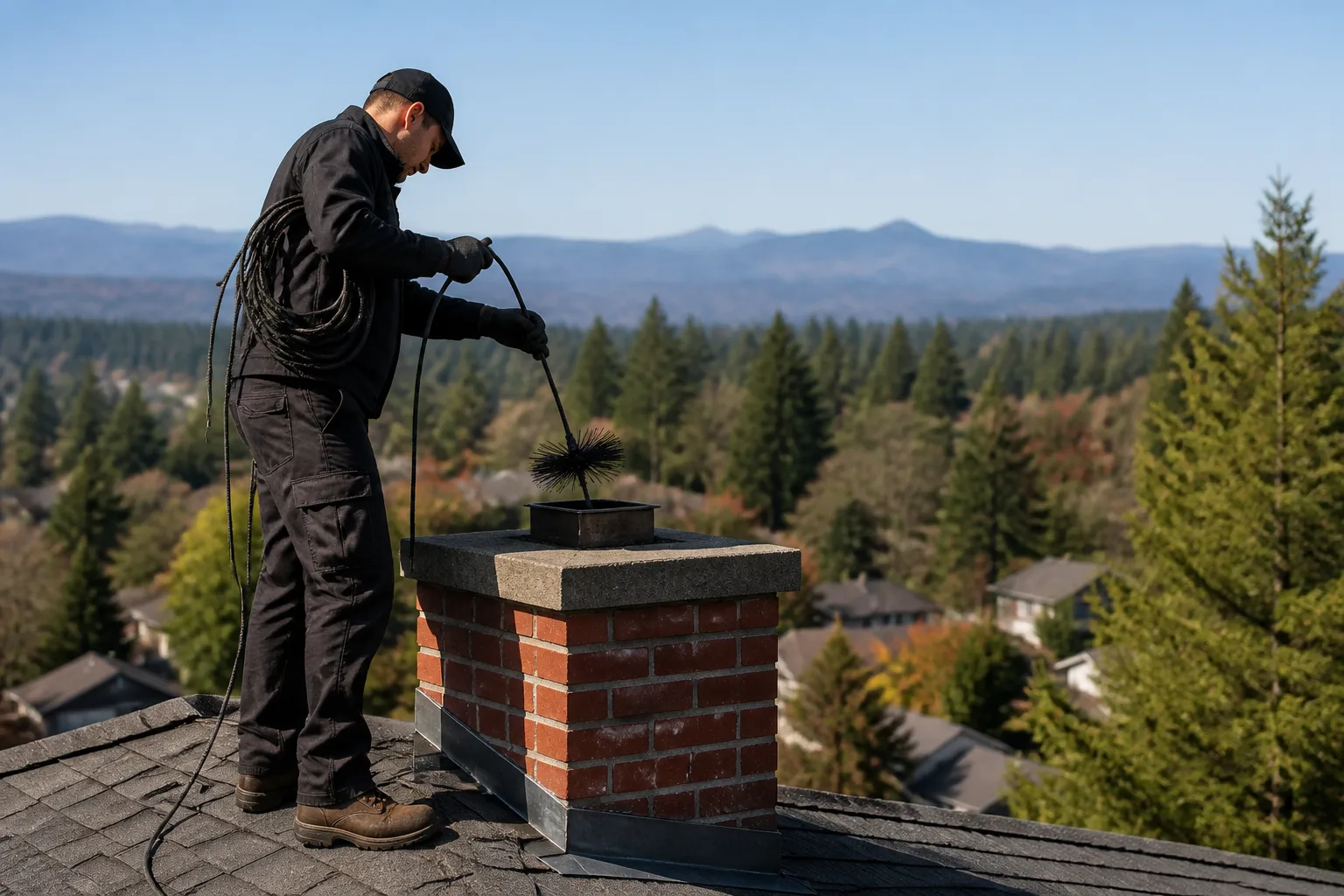
In our experience, the flexible-versus-rigid question gets settled during inspection, not over the phone. A camera run through the flue shows the offsets and the condition of the existing clay tile, and that’s what determines the specification. If you want to understand the cleaning half of the job first, our page on chimney sweep covers what a sweep actually involves.
Why Stainless Steel Grade Matters: 316L vs. 304
The grade of stainless steel in a liner is not a technicality. 316L and 304 are both stainless, but they’re rated for different fuels and different levels of corrosive exposure, and using the wrong one shortens the life of the liner.
As a general rule in the trade:
- 316L is the more corrosion-resistant grade and is typically specified for wood, gas, and oil appliances where acidic flue gases are a factor.
- 304 is a general-purpose stainless grade and appears in applications where the exposure is milder.
If you burn wood in a fireplace or a wood stove, ask which grade is being quoted. If the appliance is gas or oil, ask again, because the condensate chemistry is different. A liner that’s underspecified for the fuel is a liner that will need replacing sooner than it should.
Winters in Santa Rosa are mild, which means the fireplace season runs long and the flue sees steady use rather than a short, hard burst. That’s an argument for getting the grade right the first time. For the structural side of the work, chimney repair covers how a liner decision fits into a larger repair.
What to Ask Before You Approve an Olympia Liner
You don’t need to become a chimney technician to protect yourself. You need four answers, and a professional should be able to give all of them without hesitation.
- Is the liner UL-listed for my appliance type? A listing is specific to the fuel and the appliance. “It’s UL-listed” without the appliance type is not an answer.
- What gauge is the steel? Gauge affects durability. Ask for the number, and ask for it in the written estimate.
- Is it 316L or 304? Match the grade to what you burn.
- Does the installation include a top-mount damper, or is the cap separate? These are two different components with two different jobs, and an estimate should say which one you’re getting.
One more question worth asking: will the work be photographed? A camera inspection with photos gives you evidence you can actually look at, rather than a verbal summary you have to take on faith. That matters most when someone is recommending a liner at all, since a liner is the single most commonly oversold item in this trade.
HeatShield ceramic resurfacing is worth knowing about here. When a flue is deteriorating but still structurally sound, resurfacing can restore it without a full reline. It’s a specialty application, and not every company offers it. When the right repair is the smarter repair, it’s usually the less expensive one.
When to Call a Pro
Some chimney work is genuinely not a homeowner job. Creosote buildup, cracked flue tile, a damaged crown, and anything involving the roof line all belong to a trained professional. If you smell a strong smoky odor in the house when the fireplace isn’t burning, if the fire drafts poorly and smokes into the room, or if you haven’t had the flue looked at in a season or two, that’s the moment to book an inspection rather than a cleaning.
An inspection is a formal service, not a checkbox before a sweep. It gives you a real answer about the condition of the flue, which is what you need for an insurance question, a real estate transaction, or your own annual safety check. We inspect it, clean it, and fix it, same company and same standard of work, so there’s no handoff to a separate contractor halfway through.
A word on urgency: chimney work is seasonal, not hourly. The time to book is before the burning season starts, not the night the first fire is planned. Call (888) 919-0637. We answer 24/7. Fast dispatch from 7am to 7pm, Sunday through Friday, and we’re closed Saturday.
Related services in Santa Rosa: chimney inspection and chimney repair, both handled by the same company that sweeps the flue.
The Bottom Line
Olympia Chimney makes liners, caps, and dampers, and the quality of your installation depends on which of those products gets specified, in which grade, for which fuel. Ask for the listing, the gauge, and the grade in writing. Ask whether a top-mount damper is included or the cap is separate. And ask to see the camera photos, because a recommendation without evidence is just a sales pitch with a clipboard. In our experience, the homeowners who ask these four questions are the ones who end up with a liner that lasts.
If you’re in Santa Rosa and need help, Santa Rosa Chimney Cleaning offers free estimates. Call (888) 919-0637. Our technicians have up to 10 years of experience, we’re licensed and insured, and every estimate is written before any work begins. For the full picture of what we do, start at Santa Rosa Chimney Cleaning.
Frequently Asked Questions
No. Olympia Chimney is a manufacturer of chimney components such as liners, caps, chase covers, and top-mount dampers. Sweeping and inspection are services performed by contractors who install those components. When a company names Olympia, they’re telling you which manufacturer’s materials they plan to use.
It depends on what you burn. 316L is the more corrosion-resistant grade and is typically specified for wood, gas, and oil appliances. 304 is a general-purpose grade used where exposure is milder. Ask which grade is quoted and confirm it matches your appliance and fuel. Call (888) 919-0637 for an exact quote; estimates are free.
You need a new liner when the existing flue is cracked, deteriorated, or unlisted for your appliance, and you should be shown camera evidence of that before you agree to anything. If the flue is sound and only the surface is rough, HeatShield ceramic resurfacing may restore it without a full reline. Nothing should be recommended without photos you can see for yourself, and it’s fair to say plainly when work can safely wait.
Creosote keeps accumulating whether or not anyone looks at it, and a flue with cracked tile or heavy buildup is a chimney fire and carbon monoxide risk. An inspection is how you find out which of those you have. Call (888) 919-0637 to book one; we answer 24/7 and dispatch from 7am to 7pm, Sunday through Friday.
Written by the team at Santa Rosa Chimney Cleaning.
Need Chimney Cleaning Help?
Call Santa Rosa Chimney Cleaning - licensed & insured, with free written estimates in Santa Rosa.
(888) 919-0637