
Last updated November 15, 2026
 Sweep & inspection
 Caps & crowns
 Flue relining
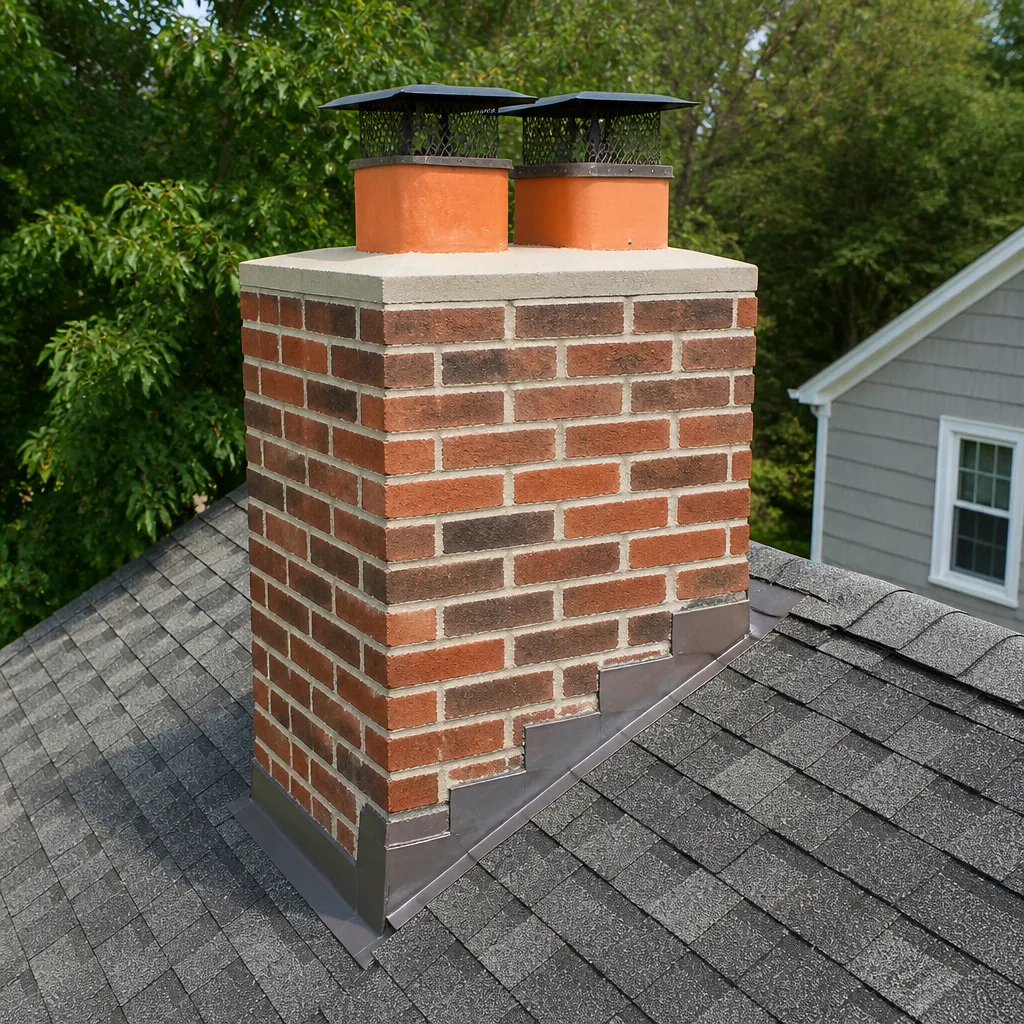 Masonry repair
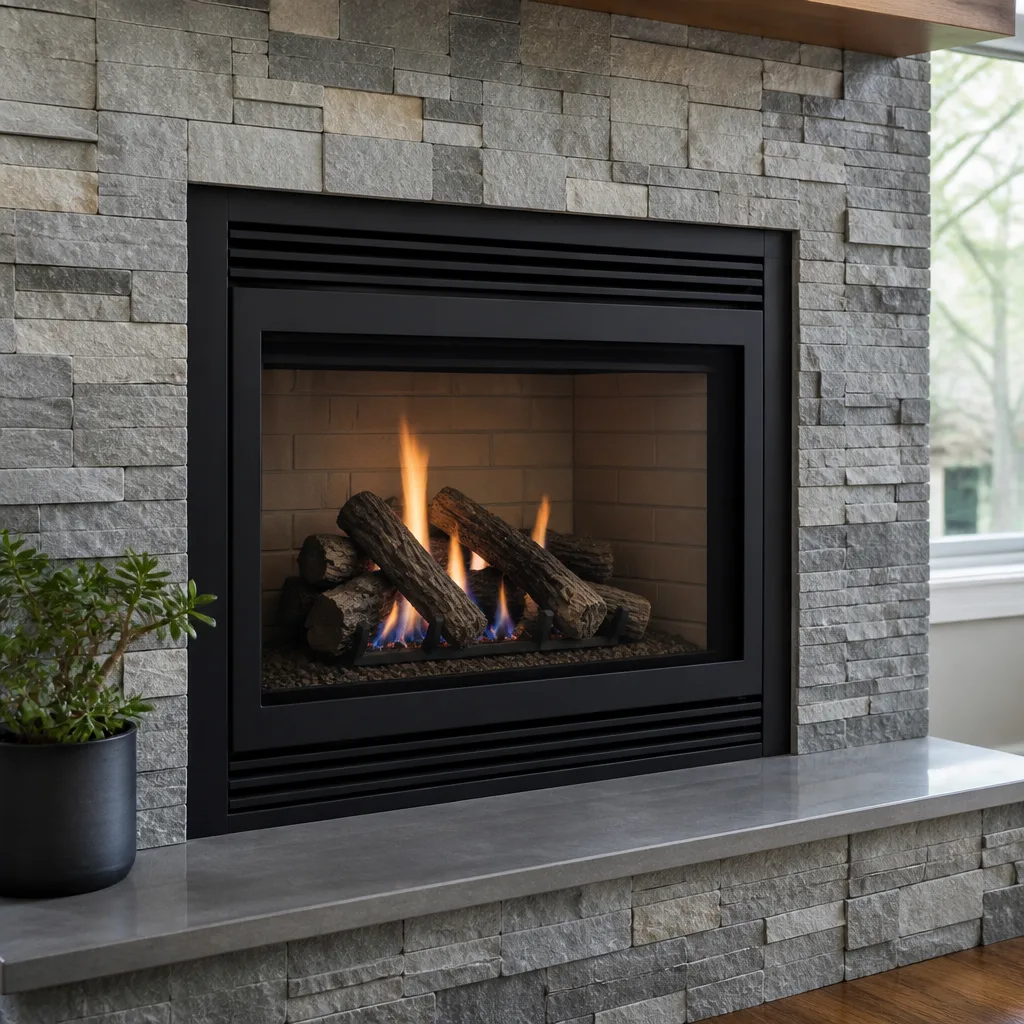 Gas fireplace service
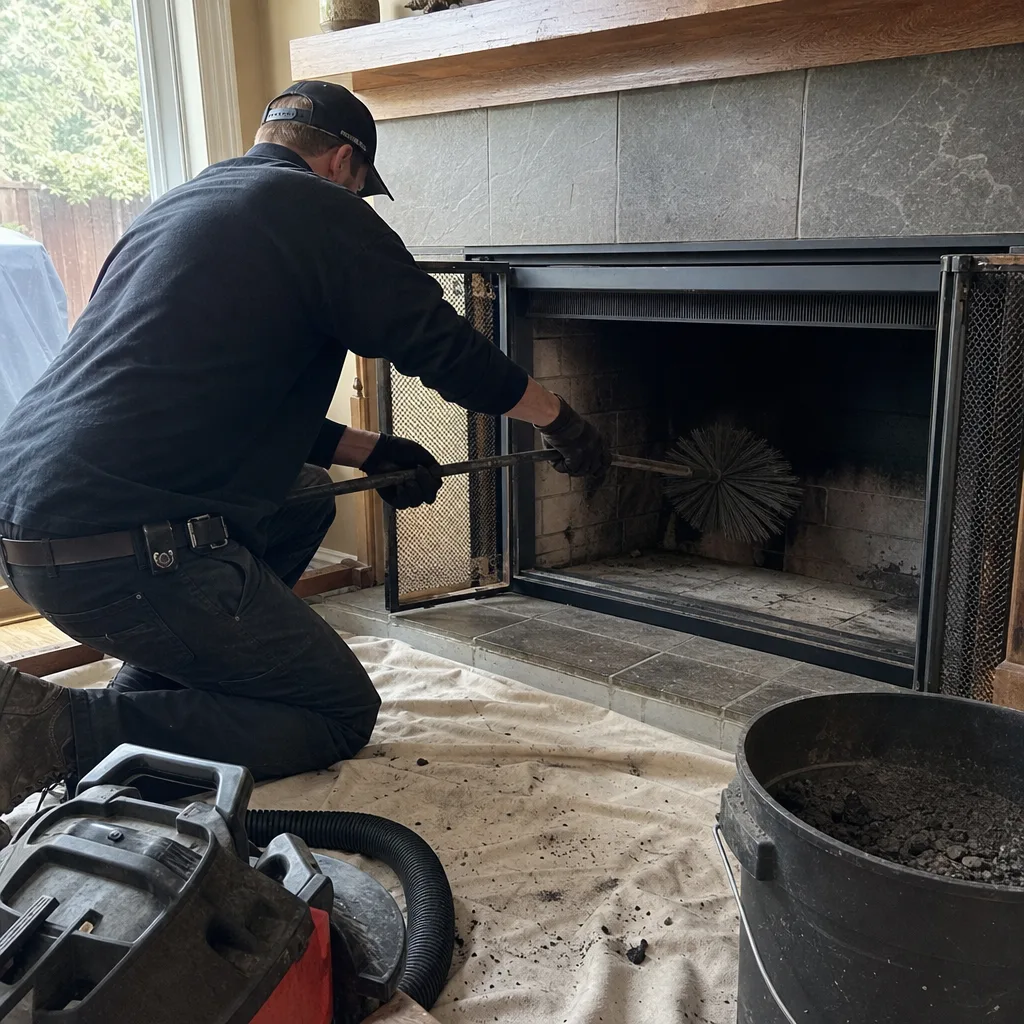
Level 1 sweep and inspection to the NFPA 211 annual standard - flue, crown, cap, and flashing checked and photographed
Chimney sweep logs do not sweep chimneys. They loosen some creosote - which then falls where a brush and vacuum still have to collect it.
Chimney Cleaning Cost Breakdown: The Santa Rosa Homeowner’s Reference for 2026
Chimney cleaning quotes in Santa Rosa cluster around two very different numbers, and the gap between them is usually scope, not salesmanship. That $89 coupon you’ve seen circulating around Sonoma County buys roughly 40 minutes of work. A proper inspection and cleaning of a wood-burning fireplace takes two to three hours at minimum, because a real visit means inspecting the flue before you brush it, protecting the room, cleaning the firebox and smoke chamber, checking the cap and crown, and documenting what we find. This reference walks through every line item on a fair 2026 bill, explains why two-story homes and steep rooflines in Santa Rosa change the math, and gives you the exact questions to ask so the quotes you collect are actually comparable.
Quick Answer
A full cleaning and inspection visit in Santa Rosa typically runs $250 to $400 in 2026, with basic sweep-only service starting around $150 to $225 and a Level 2 camera inspection adding $150 to $300 when bundled with the sweep. The $89 specials you see advertised rarely include inspection, documentation, or firebox and smoke chamber cleaning, and they often come with upsells attached to findings nobody verified on camera.
Styles & brands we work with
- Sweep & inspection
- Caps & crowns
- Flue relining
- Masonry repair
- Gas fireplace service
Table of Contents
- What’s Actually Included in a Full-Service Cleaning Visit?
- Line-Item Cost Breakdown for Santa Rosa in 2026
- How Chimney Type, Height, and Access Change the Price in Santa Rosa
- Cleaning Only vs. Cleaning Plus a Level 1 or Level 2 Inspection
- What “Additional Findings” Usually Add to the Bill
- How to Compare Quotes Accurately: The Questions to Ask
- What Actually Happens If You Skip It
- When to Call a Professional
What’s Actually Included in a Full-Service Cleaning Visit?
A full-service visit is a sequence of steps, and each one costs labor time. When you compare a $400 quote to an $89 special, you’re almost always comparing a complete job to a partial one. Here’s what the two-to-three-hour visit on a standard masonry fireplace in Santa Rosa actually covers, and roughly how long each step takes.
- Room protection and setup (10 – 15 minutes). Drop cloths, a sealed work area, and the equipment staged. Skipping this step is where cheap sweeps leave soot dust on your furniture.
- Pre-cleaning inspection (15 – 25 minutes). We look at the firebox, damper, smoke shelf, flue, cap, and crown before any brush goes up. This is where we catch the cracks and creosote glaze that determine how the cleaning has to proceed. On a chimney sweep, this inspection is the part that tells you whether the job is routine or serious.
- Flue brushing (20 – 40 minutes). Rotary brushing from the roof or the firebox depending on access. A glazed creosote layer takes longer and may require chemical treatment before brushing.
- Firebox, smoke chamber, and smoke shelf cleaning (20 – 40 minutes). This is the part the $89 coupon usually omits. It’s also where the majority of creosote that feeds chimney fires accumulates.
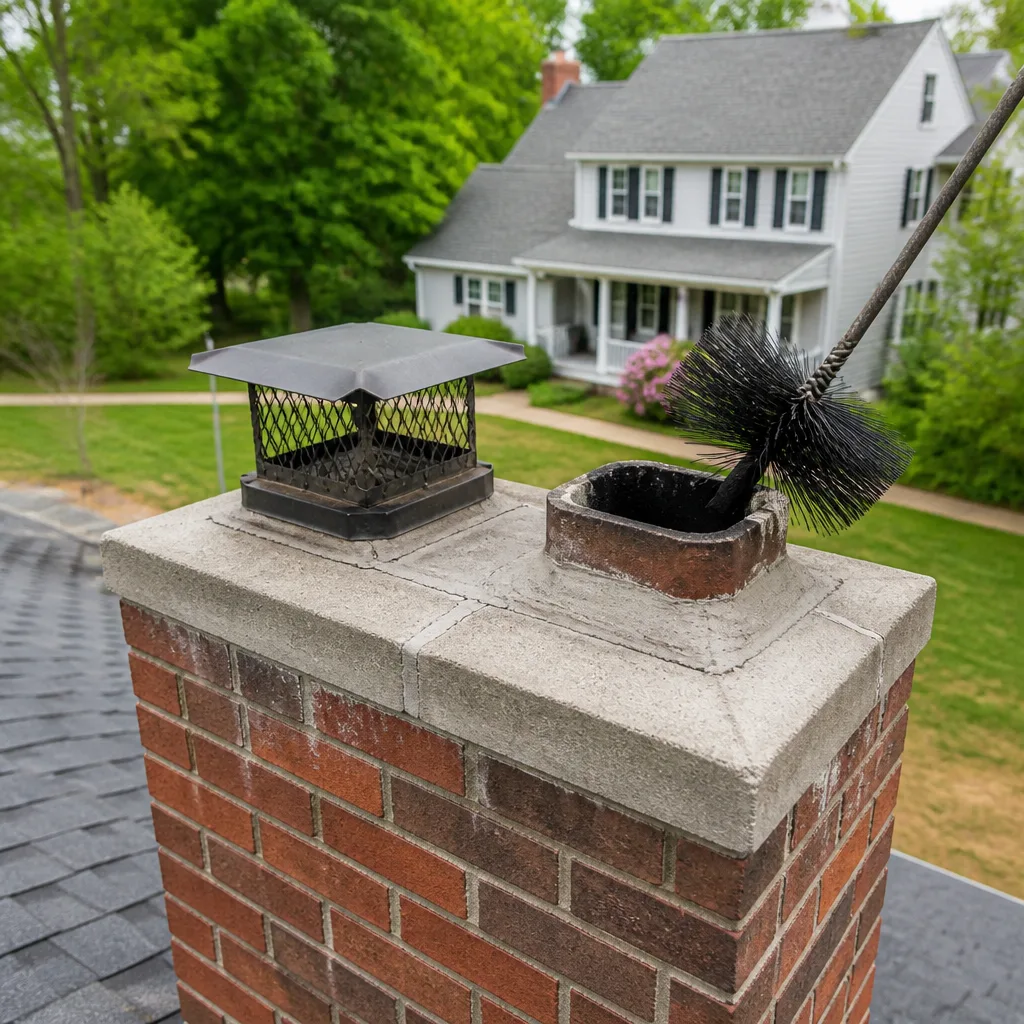
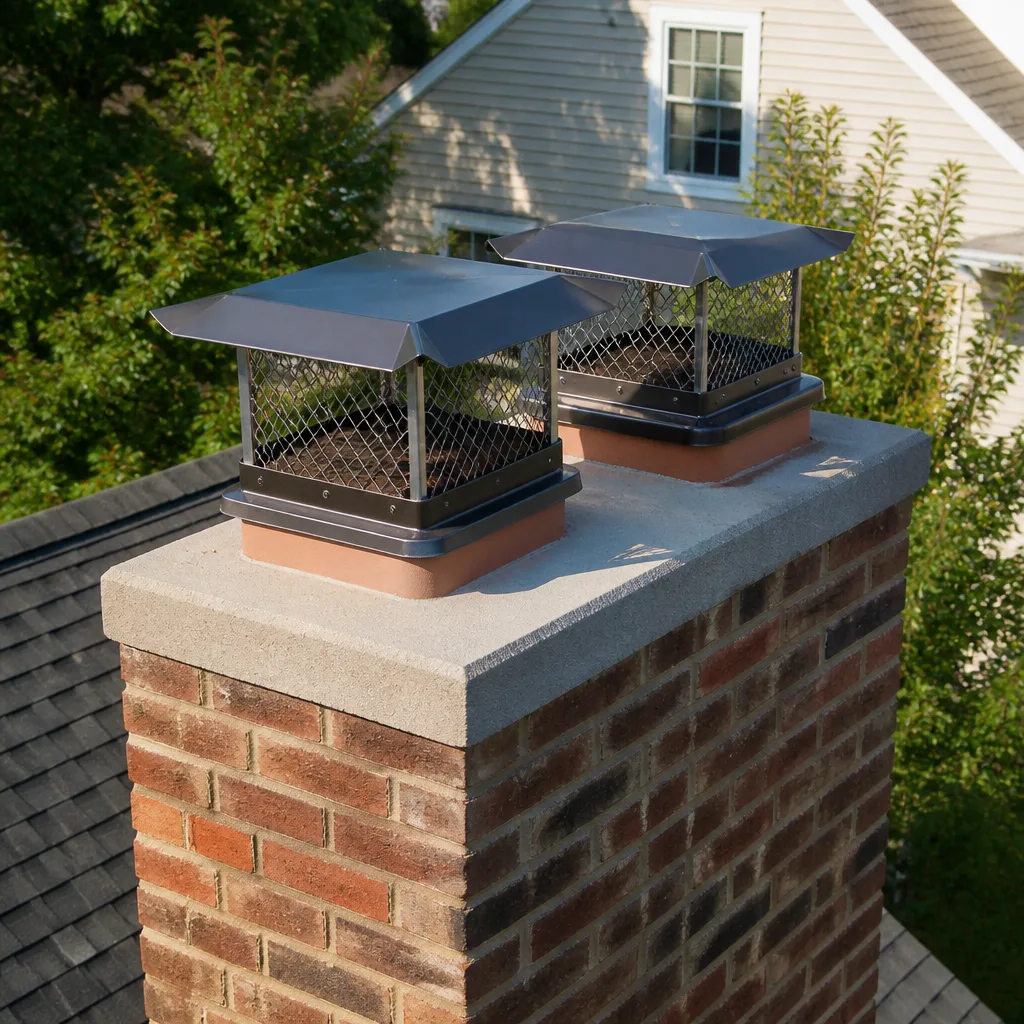
- Cap and crown check (10 – 15 minutes). Visual check from the roof and, when needed, a quick look through binoculars from the ground. Cap condition is the single biggest predictor of water damage to a Santa Rosa flue.
- Debris removal and cleanup (10 – 15 minutes). Bagging the soot and running a final inspection pass so the room is cleaner than we found it.
- Written report (10 minutes). Notes on what we found, what we cleaned, and what – if anything – needs repair. A visit without a written report is a receipt, not an inspection.
Add it up and you’re at 1.5 to 2.5 hours on an easy single-story job and closer to three on a two-story Santa Rosa home with a steep roof. That’s the labor behind the number. Anyone quoting 40 minutes is quoting a different scope.
Line-Item Cost Breakdown for Santa Rosa in 2026
The table below shows typical 2026 ranges for the various pieces of a chimney service visit in Santa Rosa. These are estimates, and the written estimate you receive is what sets your final price. We give you the number before we book the visit, so there are no surprises when the job is done.
- Basic sweep only (no inspection, no documentation): $150 – $225
- Full cleaning + Level 1 visual inspection with written report: $250 – $400
- Level 2 camera inspection added to a cleaning: +$150 – $300
- Standalone Level 2 inspection (no cleaning, e.g., pre-purchase): $200 – $400
- Wood stove or insert cleaning (baffle removal, restricted access): $200 – $350
- Cap replacement (standard powder-coated): $150 – $350
- Crown sealing or small crown repair: $250 – $600
- Minor masonry repointing (spot repair): $300 – $800
- Flue tile crack repair with HeatShield resurfacing: $1,200 – $3,000
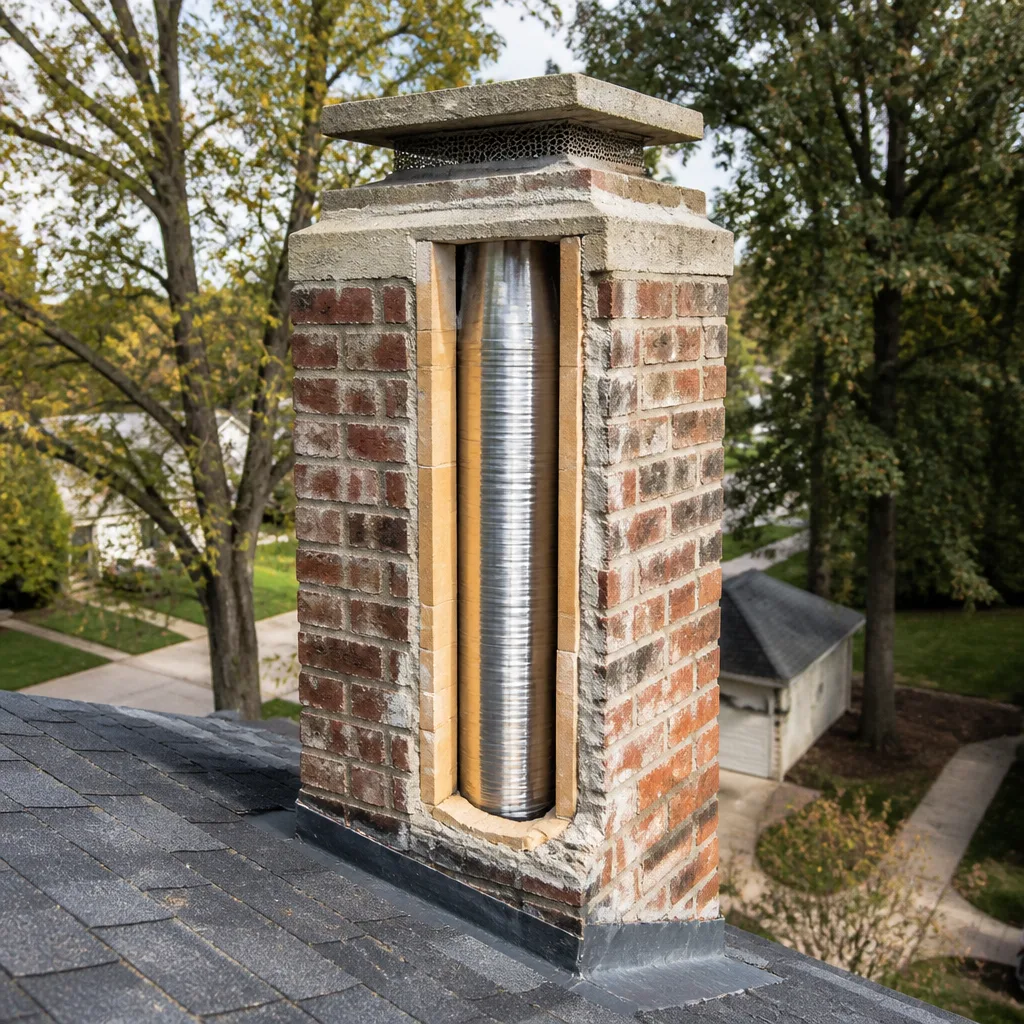
- Full stainless liner installation (DuraFlex or Copperfield): $2,500 – $5,500
The ranges look wide because they are. A cap replacement on a standard single-flue Santa Rosa chimney and a custom cap on a two-story house with an offset flue are not the same job. The reason we publish ranges at all is that “call for pricing” hides the information you actually need to budget. Range + written estimate is the honest combination.
How Chimney Type, Height, and Access Change the Price in Santa Rosa
Santa Rosa is not a flat-roof, single-story market. A lot of the housing stock in neighborhoods like Bennett Valley, Rincon Valley, and the older blocks near McDonald Avenue is two-story, with steeply pitched roofs and masonry chimneys that were built during eras when chimney construction standards were looser than they are now. All of that affects what a cleaning costs.
- Two-story construction. More flue to brush, longer ladders, and more cautious roof access. Expect the upper end of the cleaning range rather than the lower.
- Steep roof pitch. Access on a steep roof requires roof jacks, harnesses, and often a second technician. If the roof is too steep for safe access, we may clean from below with rotary equipment, which takes longer and costs more.
- Chimney height and location. A chimney at the ridge is easier to reach than one on the outer edge of a steep gable. Height above the roofline beyond roughly ten feet usually means extra time.
- Masonry vs. factory-built. Masonry chimneys hold more creosote and require firebox and smoke chamber work. Factory-built units often need baffle removal and manufacturer-specific technique.
- Wood stove or insert. Baffle plates, catalytic combustors, and tighter clearances slow the job. Inserts with offset flues are slower still.
- Access to the roof line. A chimney on the back slope behind trees or a lower roof requires extra staging. Parking and ladder placement matter more than people expect in Santa Rosa’s narrow hillside drives.
One more local factor: Santa Rosa’s mild winters mean many chimneys sit idle for months and then get used heavily for a short season. That pattern concentrates creosote buildup rapidly once the fireplace comes back into service. It also means the flue often needs more brushing at the end of a few weeks of steady burning than the low hours of use would suggest.
Cleaning Only vs. Cleaning Plus a Level 1 or Level 2 Inspection
Chimney inspections are classified in three levels under the NFPA 211 standard, and matching the level to your situation is what makes the difference between a useful visit and a receipt. Here’s what each level covers and what it should cost when added to a cleaning.
- Level 1 (visual inspection). Covers everything accessible without tools: firebox, damper, visible flue, cap, crown. Included in every full-service cleaning.
- Level 2 (camera inspection). Adds a video scan of the entire flue interior, including offsets and the smoke chamber. Required for real estate transactions and after any chimney fire, and worth doing whenever a Level 1 turns up anything that suggests an interior problem.
- Level 3 (investigative). Involves opening walls or removing parts of the chimney to investigate a specific problem. Rare, and always scoped separately.
When you need a Level 2 specifically in Santa Rosa:
- You bought or sold a home and the offer requires a chimney inspection. Real estate agents working with older Santa Rosa properties ask for this routinely.
- The home has had a chimney fire, even a small one, or you suspect one.
- The chimney has changed fuel type, gained a new liner, or you’ve moved into a home with no service records.
- A Level 1 inspection turned up interior damage you can’t see clearly from the top.
- Your insurer is asking for documentation to keep the fireplace covered.
For year-to-year routine use, a Level 1 bundled with a cleaning is enough. For a purchase, a claim, or a recent fire, spend the extra $150 to $300 on the camera. It’s the cheapest insurance you’ll buy on a house this side of the actual policy.
What “Additional Findings” Usually Add to the Bill
Findings are the part of a chimney visit that separates honest operators from the ones who are selling a decision you can’t verify. Nothing should be recommended without camera evidence you can see yourself, and work should be described in terms of urgency so you understand what can safely wait.
- Cap replacement ($150 – $350). Damaged or missing caps let water and animals into the flue. This is the most common finding and usually the most urgent, especially heading into the rainy season.
- Crown sealing or repair ($250 – $600). A cracked crown leaks water into the chimney structure. Small cracks can be sealed; larger ones need repair. Often deferrable for a season if the crack is minor.
- Flue tile crack repair ($1,200 – $3,000 with HeatShield). HeatShield ceramic resurfacing restores a deteriorating flue when a full liner isn’t necessary. This is a real middle option and the one most generalists don’t offer.
- Full stainless liner ($2,500 – $5,500). Needed when the flue is too damaged to resurface or the appliance requires a specific liner. DuraFlex and Copperfield systems are what we install when a full reline is the right call.
- Masonry spot repair ($300 – $800). Repointing or replacing damaged brick. Structural masonry rebuilds are outside our scope and would be referred to a mason.
What you should hear from any honest chimney company: what’s actually wrong, how we know (photographic or video evidence), whether it can wait a season, and what happens if you decide not to fix it right now. If a repair is optional, we say so. If it can wait, we tell you to wait.
How to Compare Quotes Accurately: The Questions to Ask
Two quotes for “chimney cleaning” can describe completely different jobs. The only way to compare fairly is to ask the same six questions of every company that quotes you, then look at the line items rather than the total.
- “What’s included besides the flue brushing?” The answer should include firebox, smoke chamber, and smoke shelf cleaning, cap and crown check, and written report. A quote that only names the brush is a partial job.
- “Do you inspect before you clean, and how?” The right answer involves a visual check and, when warranted, a camera. The wrong answer is “we can tell once we’re in there.”
- “Is the inspection documented in writing, with photos where relevant?” A chimney inspection that gives you a real answer, not just a receipt, is what you want. Ask to see a sample report.
- “If you find something, what’s the process?” You should hear that nothing is recommended without evidence and that you’ll see the photos before deciding. Not a signature on a work order while we’re still on the roof.
- “Do you handle repairs yourselves, or is there another contractor?” Single-company accountability across inspection, cleaning, and repair means no handoffs and no scope gaps between the person who found the problem and the person who fixes it.
- “What grade of materials do you install, and which brands?” Chimney liners and caps are not all created equal. Professional-trade brands like Gelco, Olympia Chimney, and Copperfield have the certifications and longevity that generic hardware-store products don’t. Ask what they install and why.
If the answers to those six questions line up between two quotes, you’re comparing apples to apples. If they don’t, the lower number is almost always buying less work. For context on what our chimney repair visits typically cover, the process is the same: inspect, document, price per job on a written estimate.
What Actually Happens If You Skip It
Skipping a cleaning doesn’t cause a problem on day one. It causes problems by incremental buildup. Creosote accumulates with every fire, and once a glazed layer forms, it burns at temperatures well above what the chimney was designed to handle. That’s the mechanism behind most chimney fires, and it’s why the NFPA recommends annual inspection and cleaning of a wood-burning appliance.
There’s a second risk the fireplace itself doesn’t warn you about. A blocked or cracked flue, or a damaged cap that has let nesting debris or water into the chimney, can let carbon monoxide back into the house instead of up the stack. You won’t smell it. You won’t see it. The chimney will look and feel normal while the air in the room is being quietly compromised. Carbon monoxide is why a functioning flue is not optional for a wood-burning appliance, and why a chimney sweep in Santa Rosa that skips the inspection step is selling you an incomplete job.
The third risk is water. Santa Rosa gets real rain in the winter months after long dry stretches, and a missing cap or a cracked crown funnels that water straight into the flue. Masonry absorbs it, freezes are not the issue here – rot, spalling, and stained interior walls are. By the time you see the stain, the repair is generally much larger than the cap replacement that would have prevented it.
None of these are reasons for alarm. They’re reasons to book a visit on a seasonal rhythm rather than a reactive one. Clean before the burning season, not after.
Common Mistakes to Avoid
- Booking on price alone. The $89 coupon is not a lie, but it’s not a full cleaning either. Read the fine print and ask what the coupon does not include before you hand over a credit card.
- Accepting a repair recommendation you can’t see. If a technician recommends a liner or masonry repair without showing you a photo or video of the problem, ask for one. A legitimate recommendation always comes with evidence.
- Skipping the inspection to save $50. The cleaning removes the hazard of the moment. The inspection tells you whether the chimney will be safe next season. Both matter.
- Confusing a sweep with an inspection. Sweeps clean; inspections diagnose. If a company uses the words interchangeably, ask what the visit actually covers before you book.
- Hiring a handyman for chimney work. Chimney work is a specialist trade with its own materials, standards, and certifications. A generalist with a brush is fine for removing soot and nothing else.
- Waiting until the fireplace fails to call. Santa Rosa’s burning season is short, which means scheduling pressure is real in the fall. Book the cleaning before the first cold snap, not after.
- Ignoring the cap. The cap is the cheapest component on the chimney and the one whose failure costs the most in water damage. Have it checked every visit.
See the difference
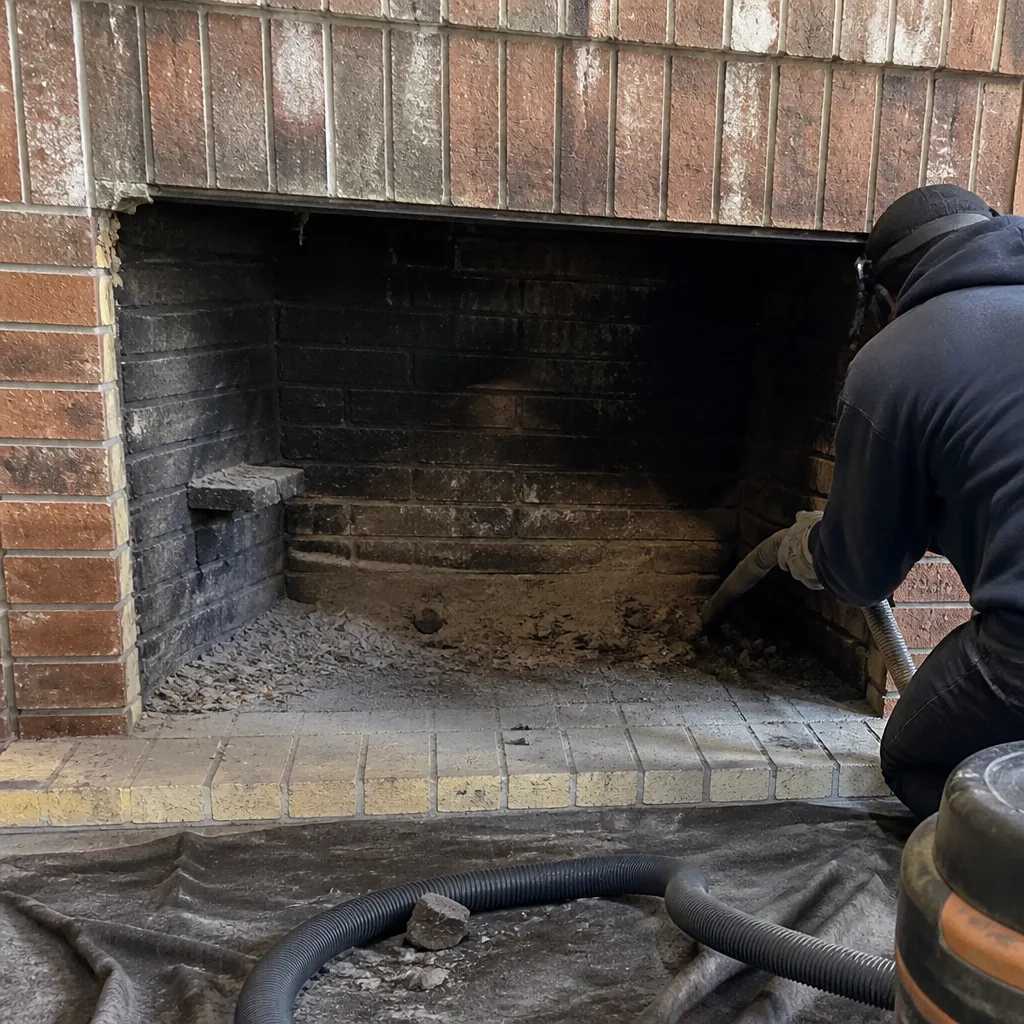 Before
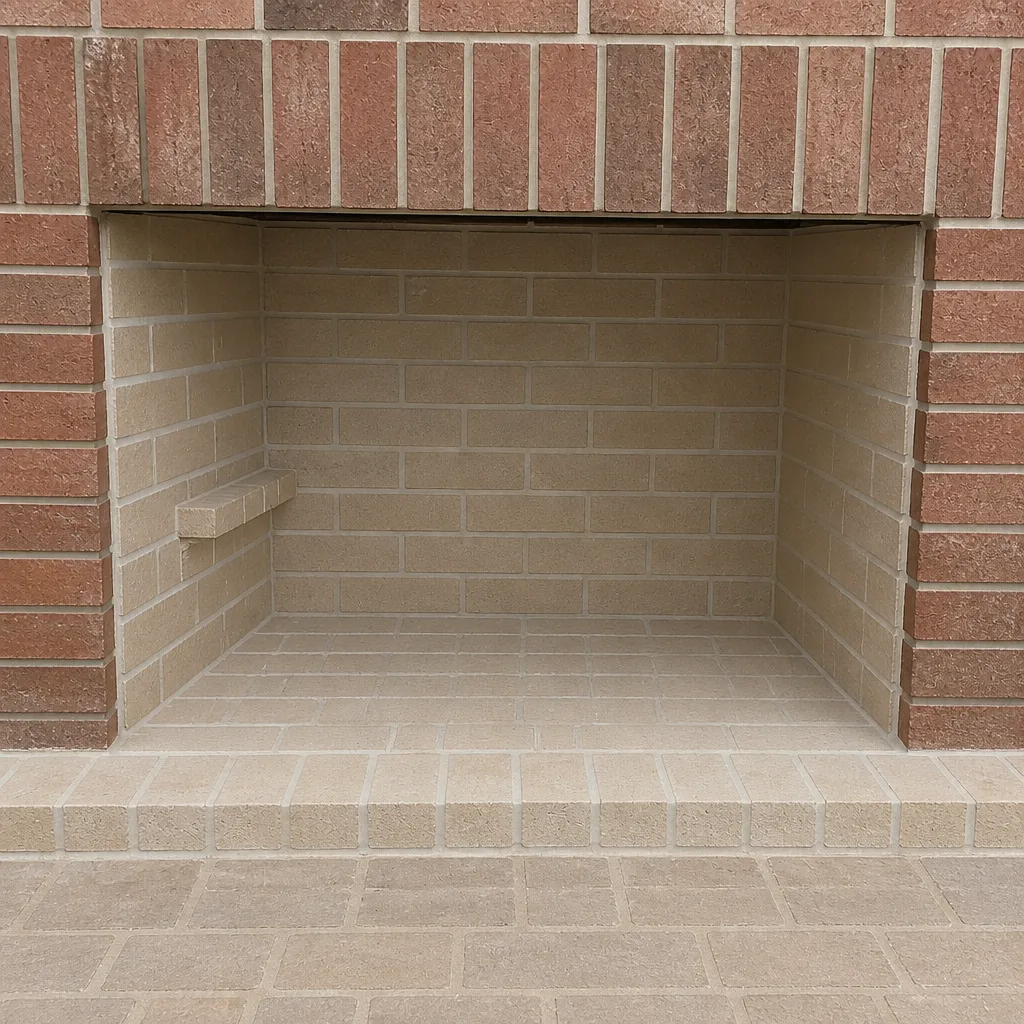 After
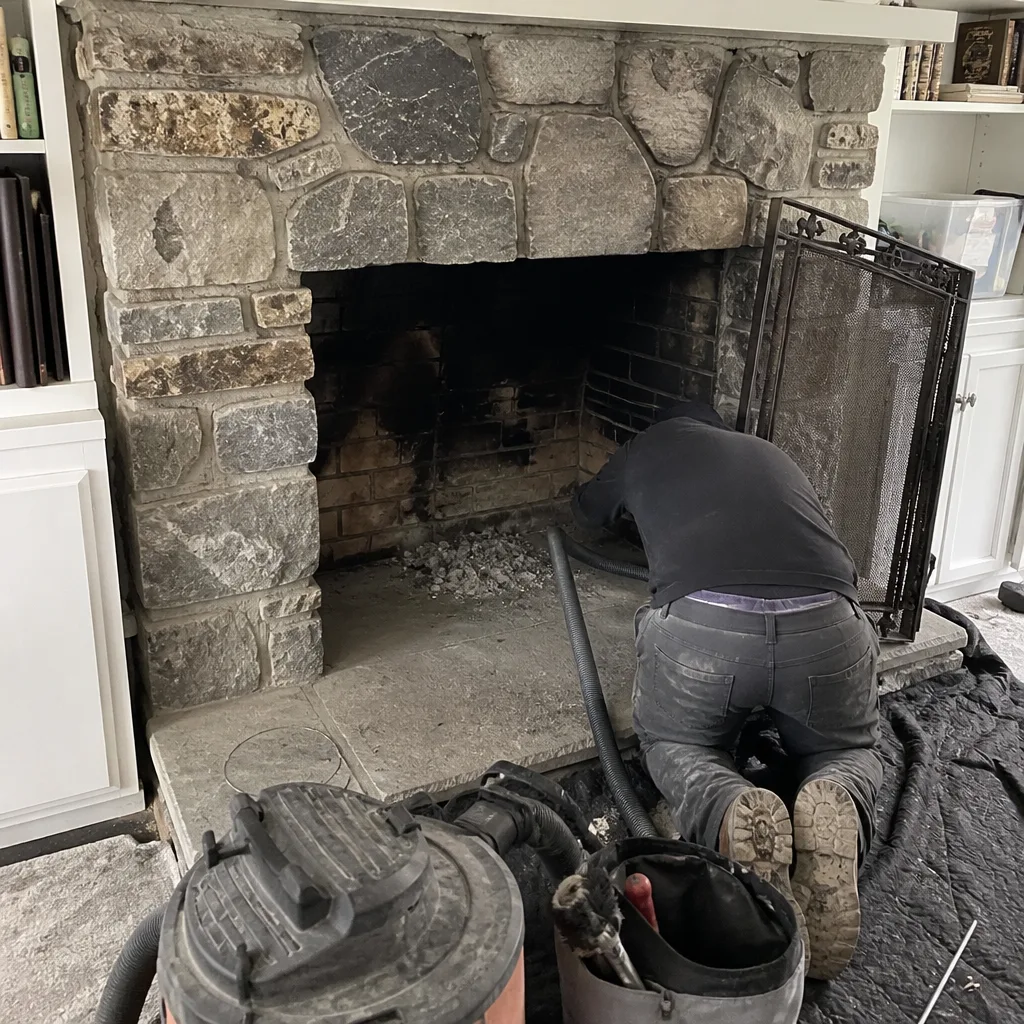 Before
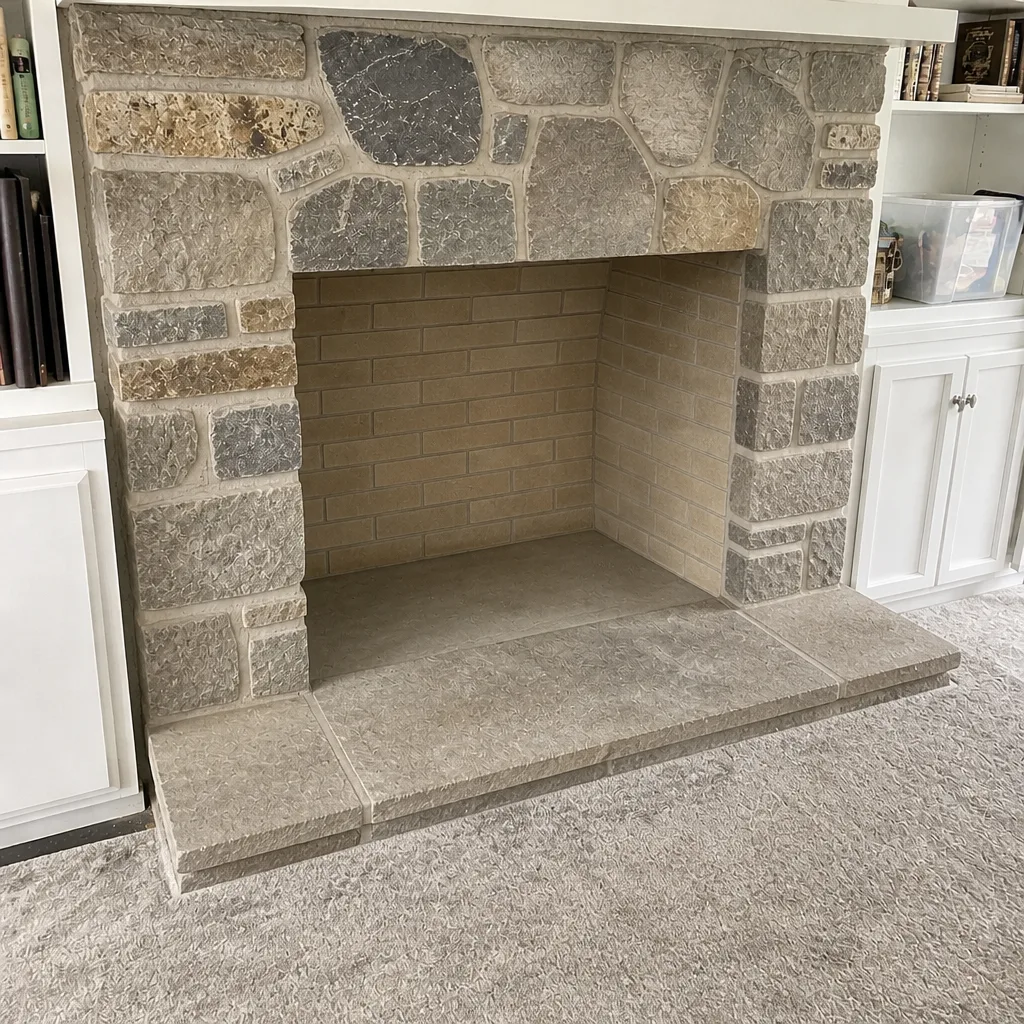 After
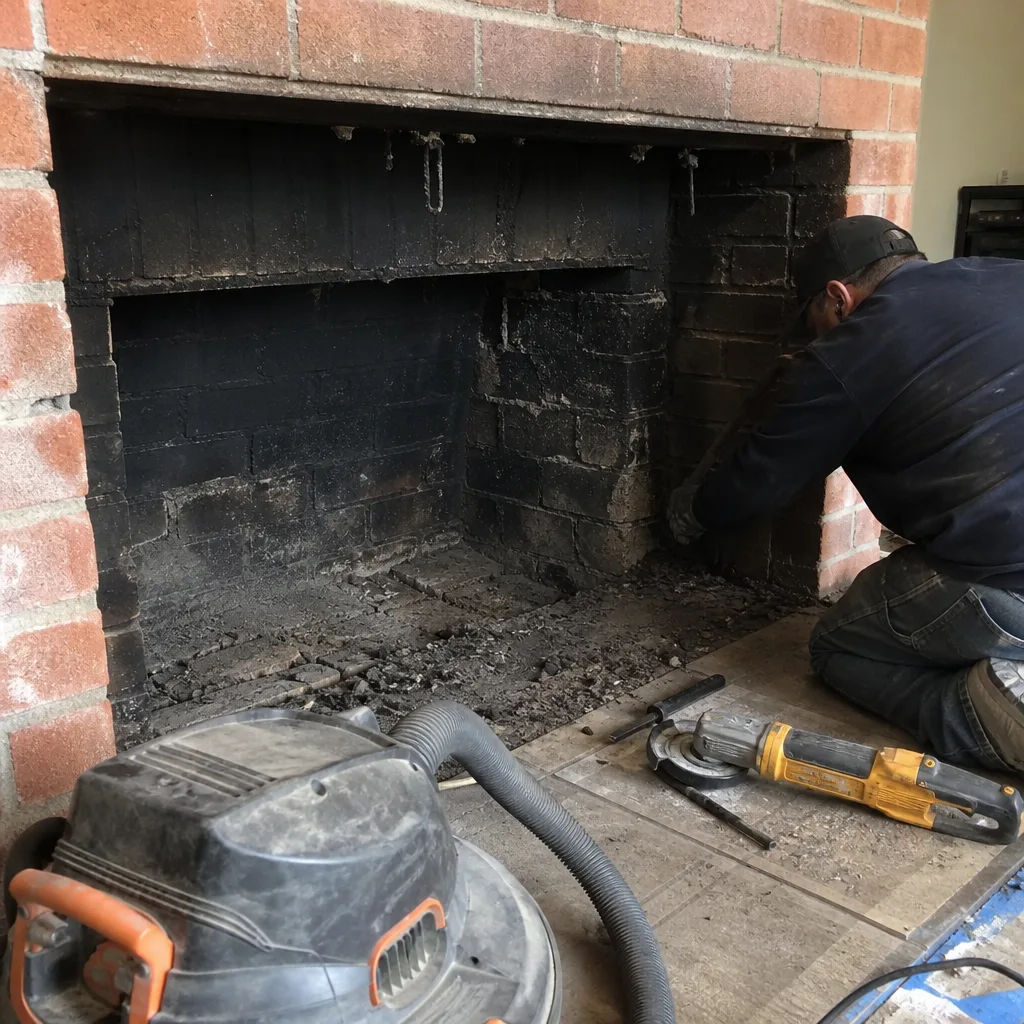 Before
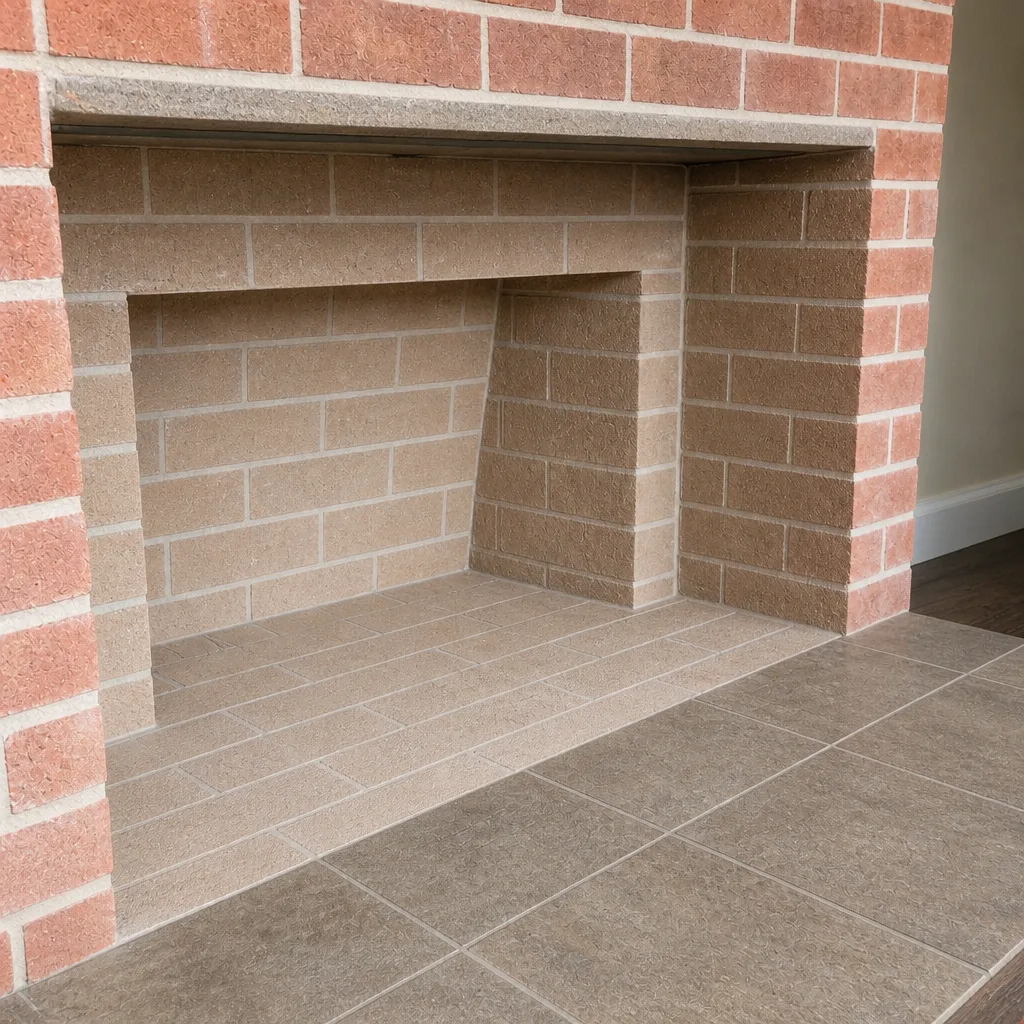 After
When to Call a Professional
Call us when you haven’t had the chimney inspected in a year or more, when you’ve burned more than a cord of wood since your last cleaning, or when you notice any of the following: strong creosote smell in the house even with the damper closed, smoke rolling back into the room, black staining on the chimney exterior, visible cracks in the firebox or flue tile, water staining on the ceiling near the chimney, or a chimney fire of any size. For real estate transactions, ask for a Level 2 inspection with documentation your agent can attach to the offer. Santa Rosa Chimney Cleaning offers free estimates in Santa Rosa – call (888) 919-0637. We answer 24/7. Fast dispatch from 7am to 7pm, Sunday through Friday. We inspect it, clean it, and fix it with the same company, and nothing is recommended without photos you can see for yourself. Our technicians have up to 10 years of experience.
Frequently Asked Questions
Full cleaning and inspection service in Santa Rosa typically runs $250 to $400, while sweep-only service starts around $150 to $225. A Level 2 camera inspection added to a cleaning is usually $150 to $300 more. The written estimate we give you before booking is the actual final price. Call (888) 919-0637 for an exact quote – estimates are free.
Not always, and that’s the honest answer. A liner is needed when the flue is cracked, deteriorated beyond what resurfacing can address, or too undersized for the appliance. In many Santa Rosa homes we find a flue that can be restored with HeatShield ceramic resurfacing rather than fully relined, and that saves real money. The only way to know is a camera inspection, and you should see the video yourself before deciding. Call (888) 919-0637 to book an inspection – estimates are free.
Once a year for most wood-burning fireplaces, and more often if you burn heavily or burn unseasoned wood. The NFPA recommendation is annual inspection and cleaning as needed, and in Santa Rosa’s short but intense burning season that usually lands at one visit per year if you use the fireplace regularly. If you only light a fire a few times a season, an annual inspection is still worth keeping. Call (888) 919-0637 to schedule your annual visit – estimates are free.
Creosote builds up in the flue, and once it glazes it can ignite at temperatures the chimney was never built to handle. That is the mechanism behind most chimney fires. A blocked or damaged flue can also send carbon monoxide back into the house instead of up the stack, and you won’t smell it. Neither risk announces itself. Book a cleaning before the burning season. Call (888) 919-0637 – estimates are free.
Yes, a Level 2 camera inspection is the standard for a real estate transaction because it documents the entire flue interior, not just the visible portions. Buyers, sellers, and agents in Santa Rosa routinely request this, and it’s the report your insurer will want if there’s ever a claim. A standalone Level 2 runs $200 to $400; bundled with a cleaning it’s $150 to $300. Call (888) 919-0637 to schedule – estimates are free.
Yes. When the roof pitch is unsafe for access, we clean from inside the firebox using rotary equipment instead of from the top. It takes longer and costs more, but the flue gets cleaned and the inspection still happens. Santa Rosa’s steep-roofed two-story homes fall into this category regularly. Call (888) 919-0637 to talk through your setup – estimates are free.
The Bottom Line
The number on a chimney cleaning bill in Santa Rosa is a scope line, not a quality line. A full-service visit in 2026 runs $250 to $400 because it includes inspection before cleaning, firebox and smoke chamber work, a cap and crown check, and a written report. The $89 special covers roughly 40 minutes of that work and none of the rest. Layer in a Level 2 inspection for a home purchase or an insurance request, budget separately for findings like cap replacement or crown sealing, and ask the six comparison questions before booking anyone. Call (888) 919-0637. We answer 24/7. Fast dispatch from 7am to 7pm, Sunday through Friday. A chimney inspection that gives you a real answer, not just a receipt.
Written by the team at Santa Rosa Chimney Cleaning.