
Last updated November 15, 2026
 Sweep & inspection
 Caps & crowns
 Flue relining
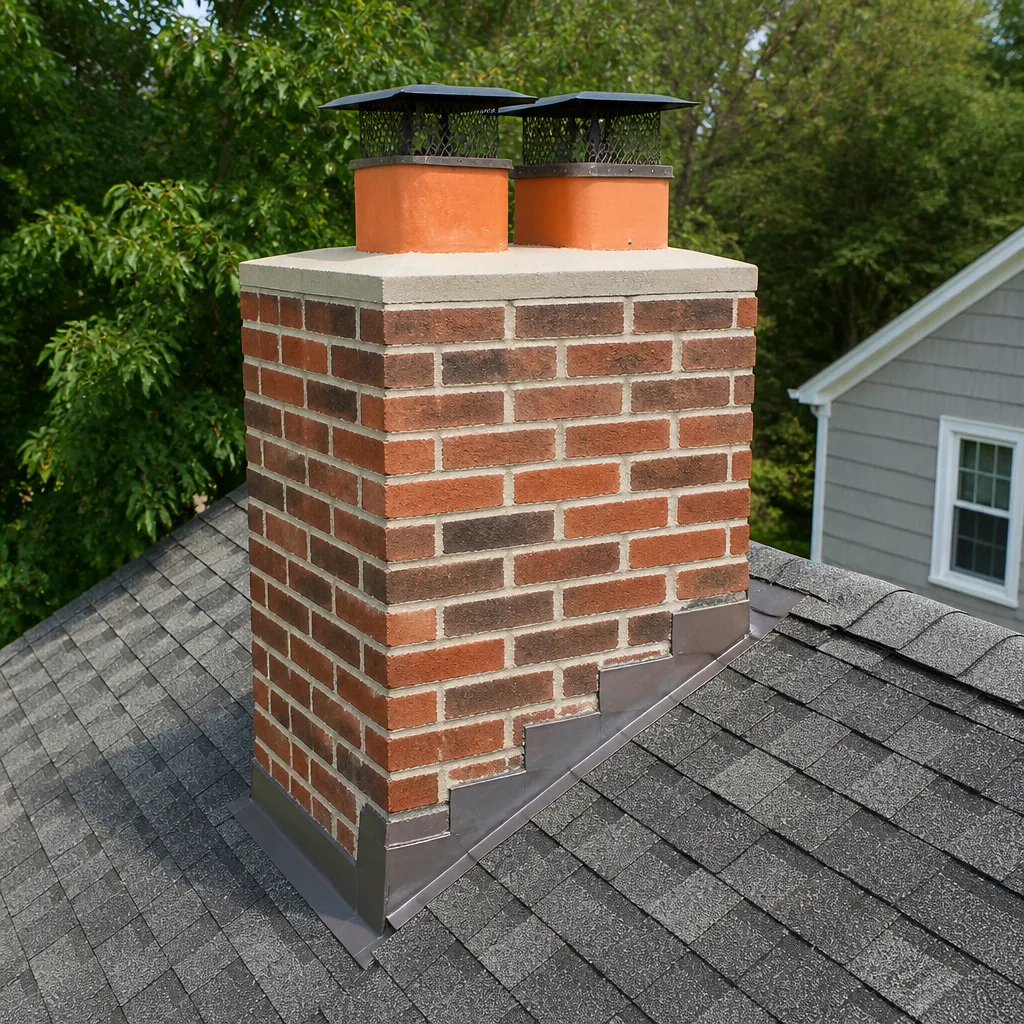 Masonry repair
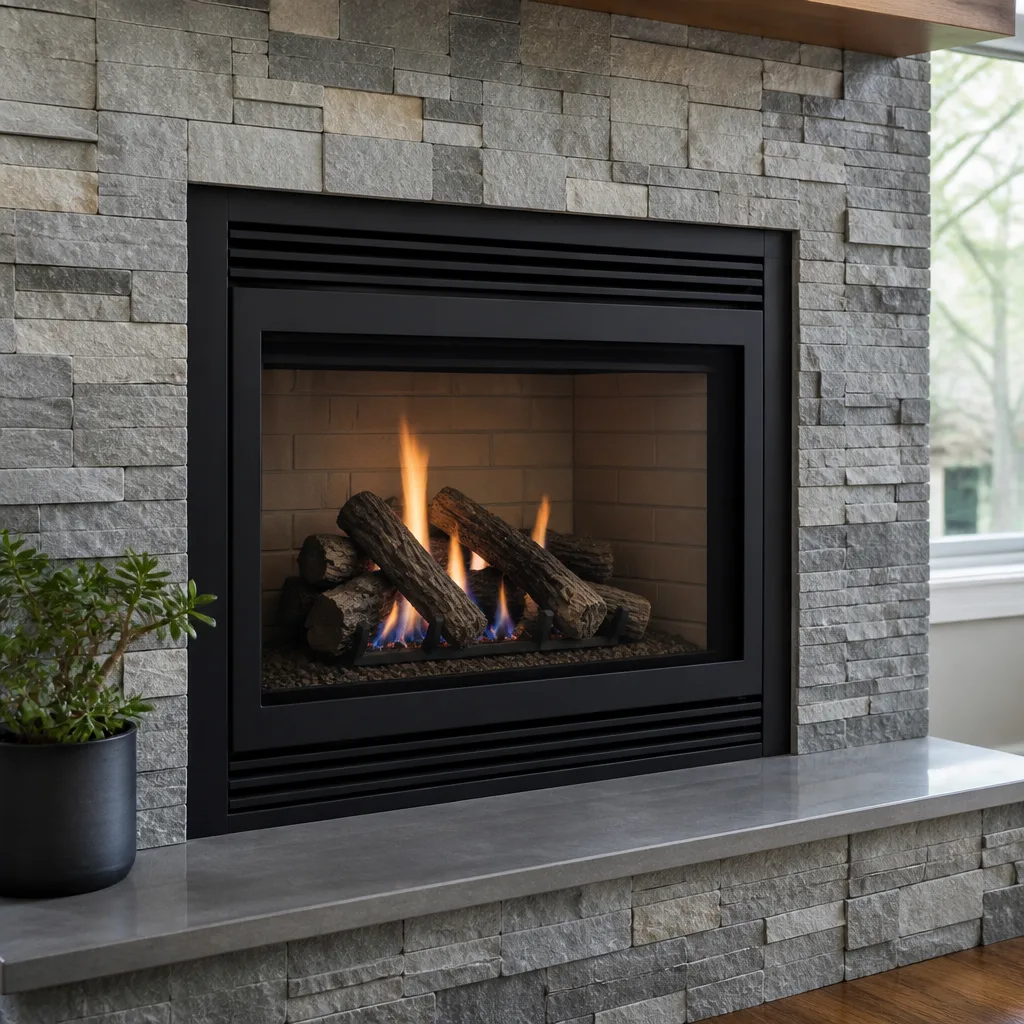 Gas fireplace service
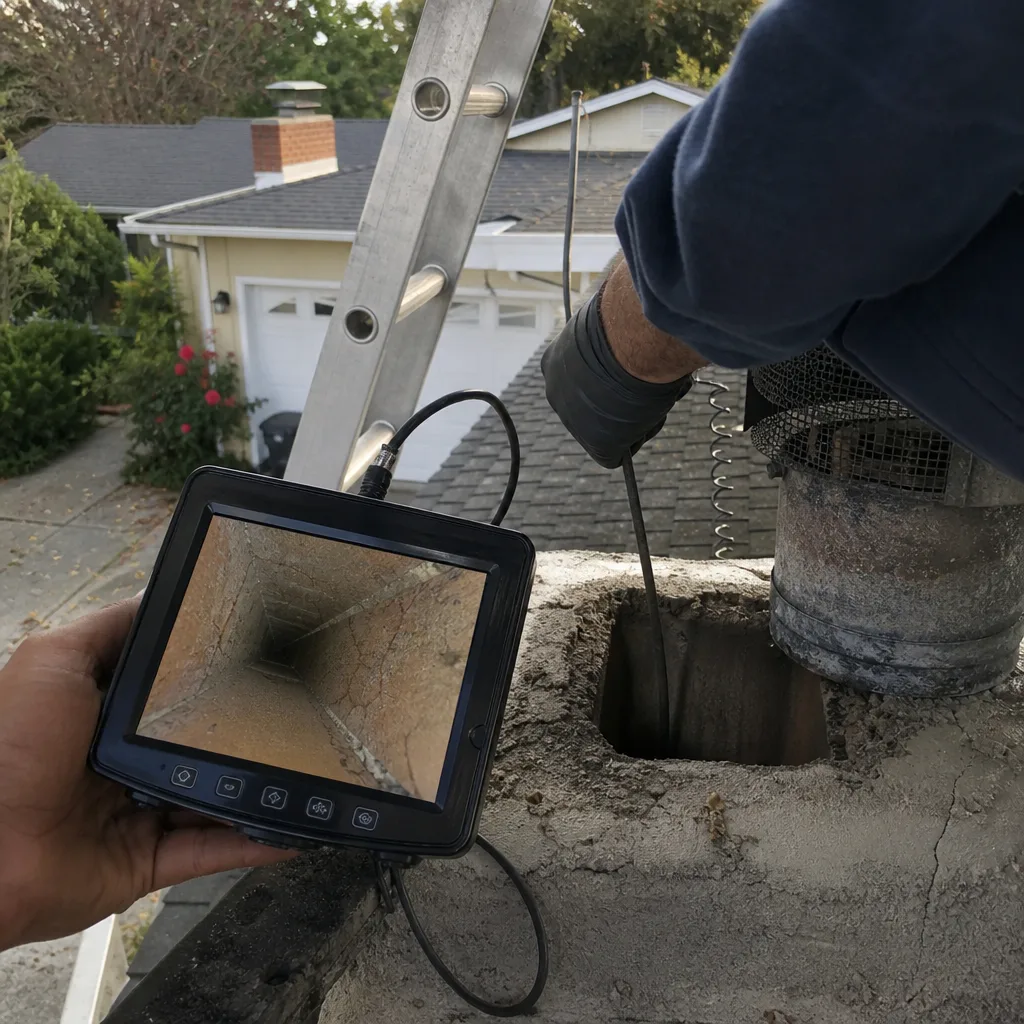
Level 1 sweep and inspection to the NFPA 211 annual standard - flue, crown, cap, and flashing checked and photographed
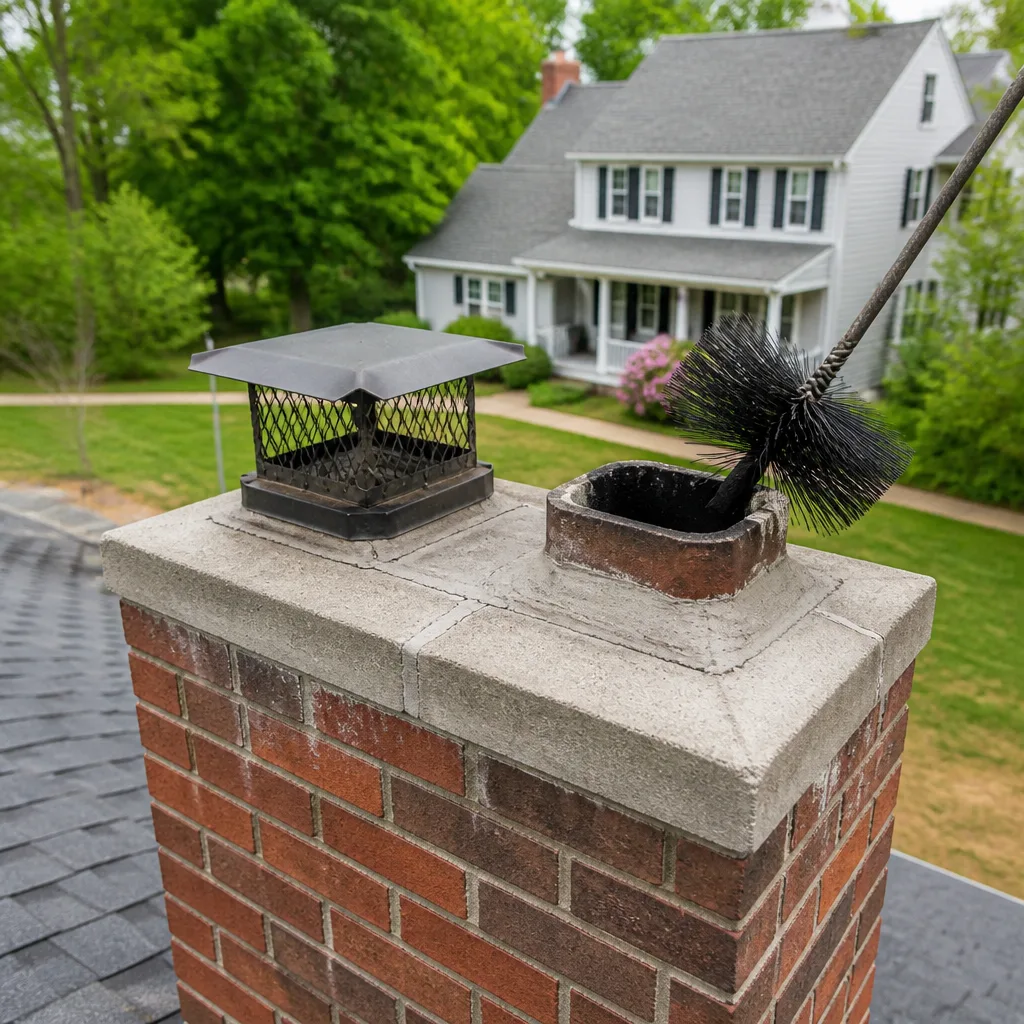
Chimney sweep logs do not sweep chimneys. They loosen some creosote - which then falls where a brush and vacuum still have to collect it.
The Complete Guide to Chimney Cleaning in Santa Rosa
Most chimney fires we’re called to assess around Santa Rosa didn’t happen because the homeowner skipped cleaning year after year. They happened because a cleaning was incomplete. A brush went up the flue, ash came down, the receipt got paid, and a layer of hardened stage-two creosote stayed bonded to the liner wall where nobody checked. Cool, damp winters here make that glazed layer build faster than it does in drier inland climates, and it’s the part of the flue most sweeps never inspect. This guide maps what a real chimney cleaning in Santa Rosa involves: fuel type, liner material, inspection level, and the difference between a thorough sweep and a quick brush. You’ll finish knowing exactly what to expect.
Quick Answer
A thorough chimney cleaning in Santa Rosa involves more than brushing the flue. It starts with an inspection that identifies your liner material and any glazed creosote or damage, then a cleaning matched to that condition, followed by a camera check to confirm the flue is clear and sound. Cost typically runs $250 to $450 for a standard clean-and-inspect, and skipping the diagnostic step is how stage-two creosote gets left behind.
Styles & brands we work with
- Sweep & inspection
- Caps & crowns
- Flue relining
- Masonry repair
- Gas fireplace service
Table of Contents
- Why chimney cleaning in Santa Rosa is different
- How the Santa Rosa climate accelerates creosote
- Level 1, 2, and 3 inspections explained
- How your fuel type changes what a sweep looks for
- Liner materials common in Sonoma County homes
- What a full cleaning includes vs. a brush and go
- How much does chimney cleaning cost in Santa Rosa?
- How often should a chimney be cleaned?
Why Chimney Cleaning in Santa Rosa Is Different
Chimney cleaning in most of the country is a springtime commodity: brush, vacuum, done. Santa Rosa sits in a coastal-influenced climate where winter evenings are cool and often damp, and the fireplace season stretches well past what homeowners in the Central Valley experience. You burn more fires across more months, and the flue warms and cools slowly because the outside air isn’t swinging between extremes. That combination shapes how creosote forms and how stubbornly it sets.
Beyond the weather, Santa Rosa’s housing stock varies widely. Some homes have older clay-tile flues, others have stainless liners installed more recently, and others still have cast-in-place liners poured decades ago. Each material cleans differently and each shows wear differently. A brush-sized cleaning done the same way on every chimney misses that variation.
That’s why we treat Santa Rosa chimney cleaning as a diagnostic process, not a route. Every job starts with inspection. We identify what’s in the flue, what’s likely to fail next, and what a cleaning alone will and won’t fix. If you want the underlying service described on its own, our chimney sweep page covers the cleaning step itself.
The bottom line for local homeowners
- Longer burn season in Santa Rosa means more creosote deposits per year than a mild-climate estimate would suggest.
- Damp winter air slows flue warm-up, which favors glazed creosote over dry, flaky soot.
- Mixed liner materials across Santa Rosa neighborhoods mean a one-size-fits-all brush isn’t one-size-fits-all.
How the Santa Rosa Climate Accelerates Creosote
Creosote is the residue left when wood smoke cools before it exits the flue. It forms in three recognizable stages, and which stage you have dictates the cleaning method and whether you have a serious problem.
The three stages of creosote
- Stage one: Light soot and flaky dust. Easy to remove with a standard brush. Most common after a season of well-seasoned wood and hot fires.
- Stage two: Denser deposits with a slightly tarred, glossy surface. Harder to brush off and easy to leave behind on liner walls if the technician doesn’t inspect first. This is the stage that causes most chimney fires.
- Stage three: A glazed, hardened layer that bonds to the flue like asphalt. Bristle brushes won’t remove it. It needs chemical treatment or liner resurfacing.
In Santa Rosa, the damp winter air can drop flue temperature just enough that smoke cools mid-flue and sets before it escapes. That pushes you toward stage two faster than you’d expect, sometimes after a single heavy season. Cooler start-up fires, unseasoned wood, and a damper left partly closed all speed it up.
What this means in practice
An inspection isn’t optional in this climate. A cleaning that assumes stage one and finds stage two on the liner wall leaves a fire hazard behind and calls the job done. A Santa Rosa sweep that checks liner condition first and chooses the method from evidence does the opposite. We describe that discipline on our main Santa Rosa Chimney Cleaning page, and it’s the reason a local sweep costs a little more than a generic brush-and-go.
Level 1, 2, and 3 Inspections Explained
The National Fire Protection Association’s standard, NFPA 211, defines three inspection levels. Understanding them tells you which one your cleaning needs and whether a company offering you only a sweep is actually giving you what you paid for.
Level 1 inspection
A visual inspection of the readily accessible parts of the chimney and venting, done with binoculars or a light, without damaging or removing anything. Appropriate when the appliance has been kept to its usual fuel, no performance changes have been noted, and it’s a routine annual check. Level 1 is the default before a standing annual cleaning.
Level 2 inspection
Everything in Level 1 plus a camera run through the flue and access to parts that are usually hidden, like the attic and crawlspace. A Level 2 is required after a chimney fire, after a change in fuel type or appliance, after a conversion, when a property changes hands, or when a performance problem suggests hidden damage. This is the level insurance companies and real estate transactions typically ask for.
Level 3 inspection
Everything in Level 2 plus removal of building components that block access to hidden areas of the chimney. Level 3 is reserved for suspected damage that can’t be reached any other way. It’s uncommon, but it’s the right call when a Level 2 finds a problem the camera can’t see past.
Which level you need in Santa Rosa
- Annual safety check, same fuel, no changes: Level 1.
- Buying or selling a home, or your insurer asked for documentation: Level 2.
- Change from wood to gas or vice versa: Level 2.
- After a chimney fire or a draft problem you can’t explain: Level 2 minimum.
- Level 2 found an obscured defect: Level 3.
Our chimney repair work is usually triggered by what a Level 2 finds, and getting that level right is what makes a repair honest rather than guesswork.
How Your Fuel Type Changes What a Sweep Looks For
The fuel in an appliance tells the technician what deposits to expect and what to look at first. Cleaning the same way regardless of fuel is where a lot of scrub-and-run jobs go wrong.
Seasoned hardwood (oak, madrone)
Hardwood burned dry produces less creosote per cord than softwood, but it burns hotter and longer, which stresses the liner joints over time. The sweep checks for joint gaps and loose tiles alongside the creosote layer. Fireplace burning in Santa Rosa leans heavily on seasoned hardwood, and this is the most common fuel we’re asked to clean for.
Softwood and mixed wood
Pine and other softwoods burn cooler and slower, depositing more of that glazed stage-two material on the liner wall. The sweep is looking specifically for tarred deposits, not just soot, and the cleaning method has to match. If you’re burning the wood you cut on your own property, expect to check the flue condition more often than a strict hardwood burn would require.
Gas logs and gas inserts
Gas appliances don’t produce creosote the way wood does, but they put out moisture and residue that can degrade the liner and corrode metal components. A gas appliance still needs an annual inspection and cleaning because the deposits look nothing like what a wood-burning homeowner would spot. Carbon monoxide risk lives in this category too, so the inspection checks the vent connection carefully.
Wood-burning stoves
Stoves run hotter and often use a smaller flue, which means deposits can be denser and access tighter. The cleaning method adapts to the appliance, not the other way around.
Liner Materials Common in Sonoma County Homes
Santa Rosa and the surrounding Sonoma County area have a mix of liner materials from different building eras. What you have determines how it’s cleaned and how long it lasts.
Clay tile
The most common liner in older Santa Rosa homes. Vertical clay tile sections stacked with mortar joints. They clean well with a soft or medium brush but are brittle and can crack under heat cycling or after a chimney fire. A crack in clay tile is a path for creosote and carbon monoxide into the house, so it’s the first thing we look for with a camera after cleaning.
Stainless steel
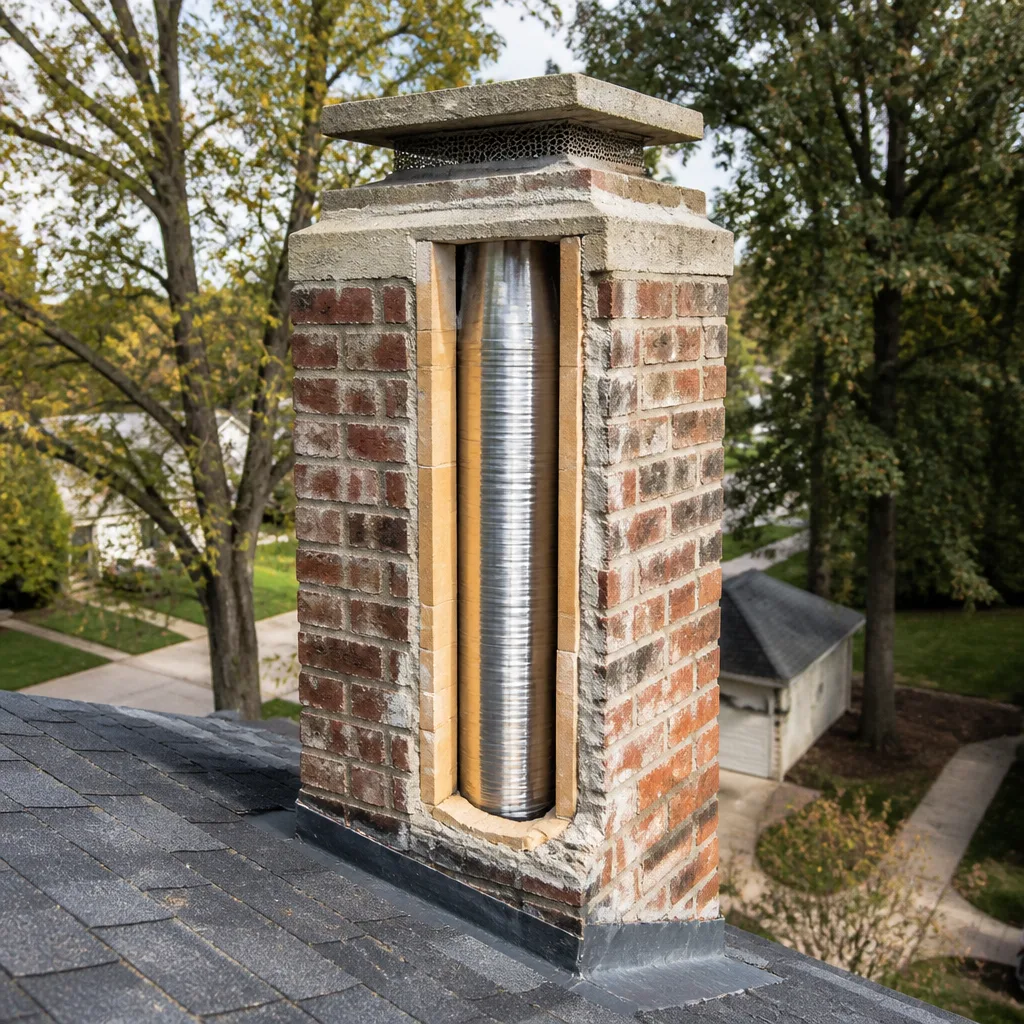
More recent installations and relines use stainless liners, either a single-wall type or a double-wall insulated type. Stainless resists creosote better and cleans faster, but joint seams can separate and the liner can fall out of alignment over time. It’s checked for seam integrity, not just for deposits. When a liner does need replacing, we install professional-grade DuraFlex and Copperfield systems so the decision is made on the job, not postponed waiting on supply.
Cast-in-place and ceramic-resurfaced liners
Cast-in-place liners and flues that have been resurfaced with HeatShield ceramic are becoming more common because they fix a deteriorating tile flue without a full reline. They clean with the same care as tile but are more forgiving of minor cracks. HeatShield resurfacing is a specialty service we can apply when a flue is deteriorating but doesn’t warrant a full liner replacement.
What a proper liner check looks like
- Visual inspection of the flue top and outlet from the roof or a safe vantage point.
- Camera run from the top down, recording the liner condition at every joint and turn.
- Camera run from the firebox through the smoke chamber and damper.
- A photo report you can look at yourself, not just a verbal summary.
What a Full Cleaning Includes vs. a Brush and Go
This is the section that saves homeowners money and headache. The difference between a thorough cleaning and a quick brush isn’t the price tag – it’s what happens to the deposits the brush leaves behind. Here’s how to tell which one you got.
A full-service cleaning in Santa Rosa
- Pre-cleaning inspection to identify liner material and deposit stage.
- Drop cloths and a sealed work area so your living room isn’t dusted in soot.
- Cleaning matched to the deposit stage: brush, chemical treatment, or resurfacing prep.
- Smoke chamber and damper cleaned, not just the straight flue run.
- Camera verified and a photo report you can keep.
- Written notes on what was found and what, if anything, needs repair.
A brush and go
- Brush down the flue, vacuum up what falls, paid, gone.
- No inspection, or a quick glance without a camera.
- No documentation. No way to know if stage-two creosote remains on the liner wall.
- No smoke chamber cleaning.
- No record for insurance or a future sale.
You can usually tell which you got by one question: did you receive a photo report? If the answer is no, the flue condition was never confirmed. We inspect, clean, and document – and if the cleaning turns up damage, the same company that swept is the one that recommends and performs the repair. That single-company accountability is the reason our Santa Rosa customers don’t get handed off to a separate contractor mid-job.
How Much Does Chimney Cleaning Cost in Santa Rosa?
A standard chimney cleaning with a Level 1 inspection in Santa Rosa typically costs $250 to $450 depending on the deposit stage and access. Add a Level 2 inspection with camera and it runs $400 to $650. The written estimate sets the final price, and estimates are free.
Typical cost ranges
- Standard cleaning and Level 1 inspection: $250 – $450
- Cleaning with Level 2 camera inspection: $400 – $650
- Stage-two or stage-three creosote treatment: additional, priced after inspection
- HeatShield flue resurfacing (when needed): quoted per flue after inspection
- Stainless reline with DuraFlex or Copperfield (when needed): quoted per flue after inspection
Repair pricing depends on what the camera finds, which is why we can’t quote a liner or resurfacing over the phone. What we can do is tell you clearly whether work is needed now or can safely wait, and show you the photo evidence so the decision is yours to make. That honesty is the whole reason our inspections include a documented report.
How Often Should a Chimney Be Cleaned?
The NFPA 211 guideline is to have the chimney inspected once a year and cleaned as needed. For a wood-burning fireplace in active use, annual cleaning is the common rhythm, and gas appliances also warrant an annual inspection even though they produce less creosote.
The annual rhythm we recommend for Santa Rosa
- Book the cleaning and inspection before your burn season starts so any repair has time to happen without pressure.
- Keep the camera report on file for insurance or a future sale.
- If you burn a lot of softwood or run fires cooler, plan for potential mid-season check-ins.
- After any chimney fire, no matter how small it seemed, book a Level 2 inspection.
If you’ve moved into a Santa Rosa home with an unknown flue history, book an inspection first and a cleaning after. That order matters, and the guide on our site for the repair side of the service explains why skipping ahead costs more later.
Common Mistakes to Avoid
- Assuming a clean means a safe flue. A brush removes what it reaches. Only a camera and inspection verify the liner is sound. If the report is missing, the safety verification is missing too.
- Burning unseasoned wood to save a season of drying. Green wood smokes cool and loads the flue with stage-two creosote. Seasoned hardwood is the cheapest insurance against a liner problem.
- Skipping the inspection after a chimney fire. Even a brief flare can crack clay tile that looks fine from the firebox. Santa Rosa clay-flue homes need a Level 2 check.
- Having gas logs “because they don’t need cleaning.” Gas appliances still need annual inspection for condensation damage and vent integrity.
- Hiring a generalist to save a few dollars. A liner check by someone unfamiliar with how clay, stainless, and cast-in-place materials fail misses the failure that matters most.
- Ignoring the damper and smoke chamber. The straight flue run cleans easily; the smoke chamber traps soot and is often skipped on a brush-and-go job.
- Putting off a repair over cost uncertainty. Our Santa Rosa chimney cleaning team will tell you plainly when work can wait. What we won’t do is recommend thousands of dollars of work you can’t verify with your own eyes.
See the difference
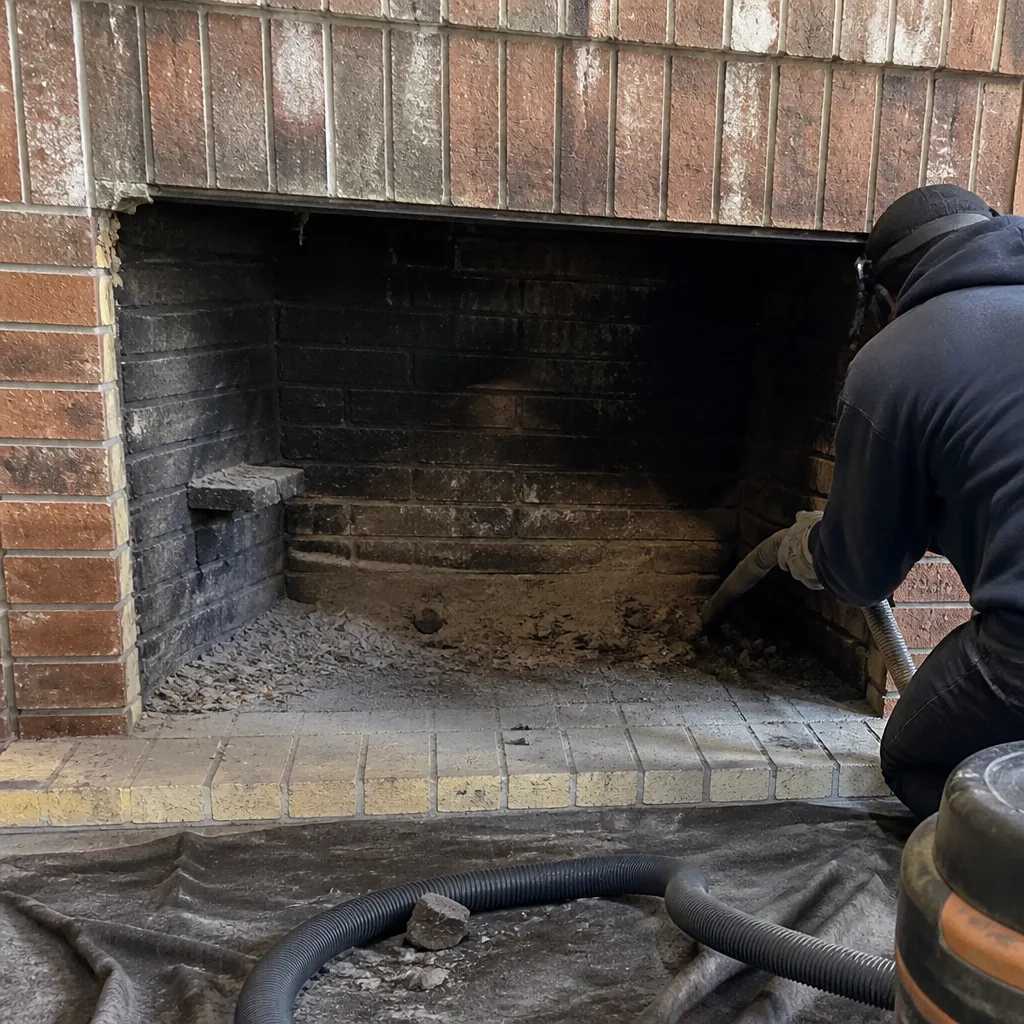 Before
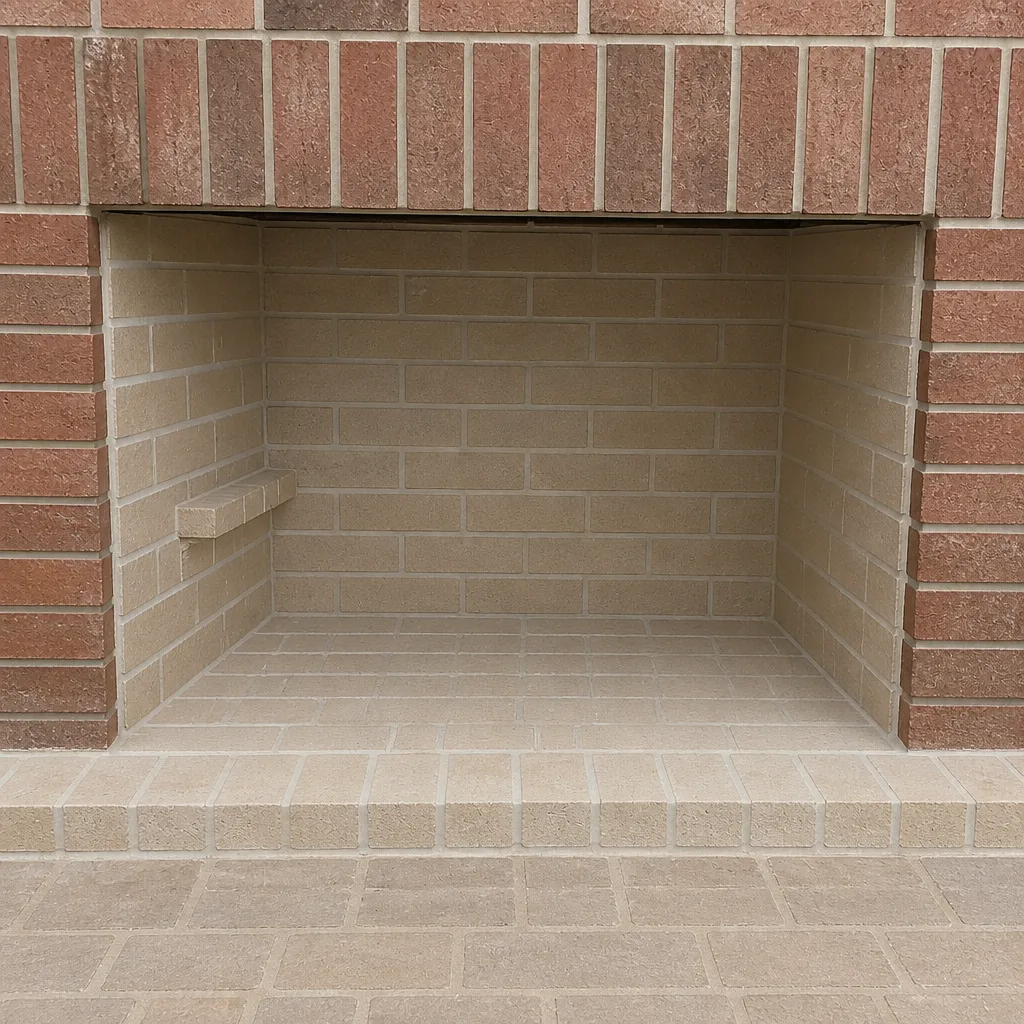 After
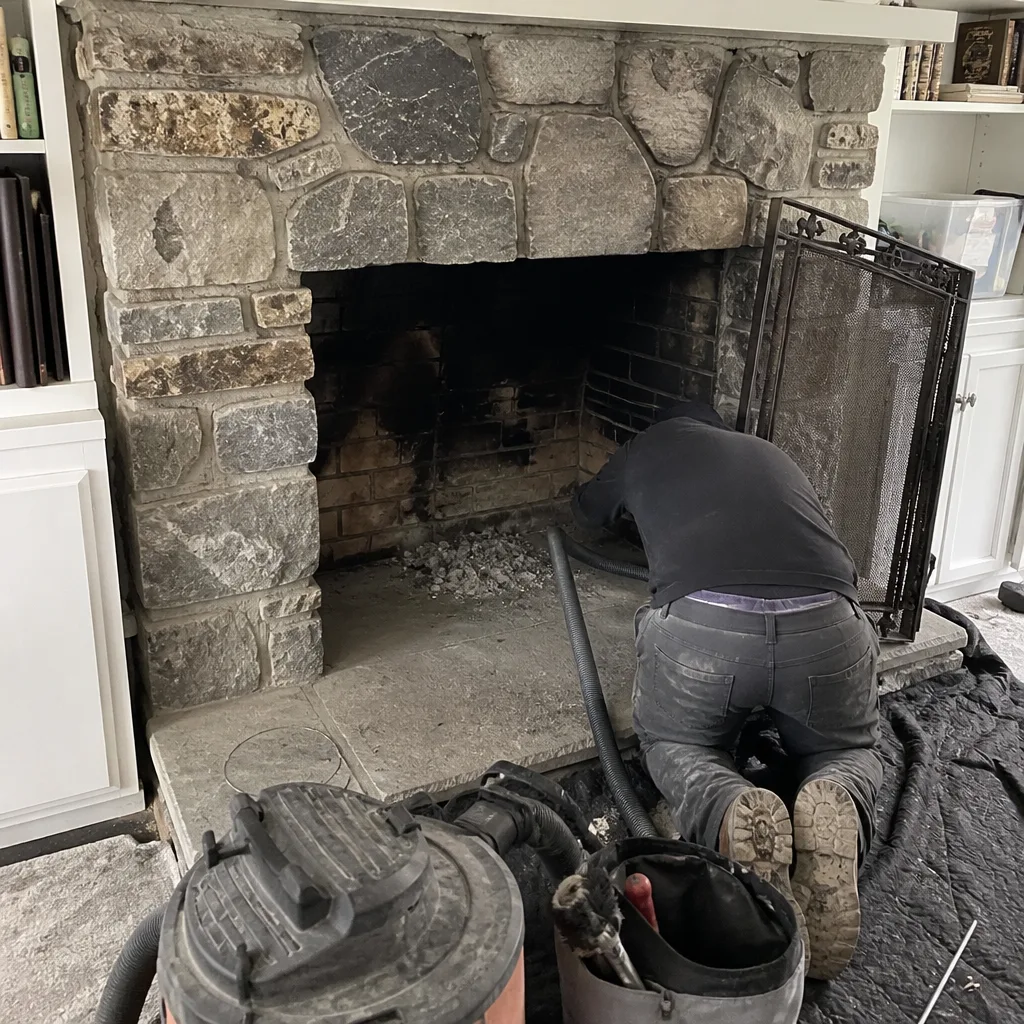 Before
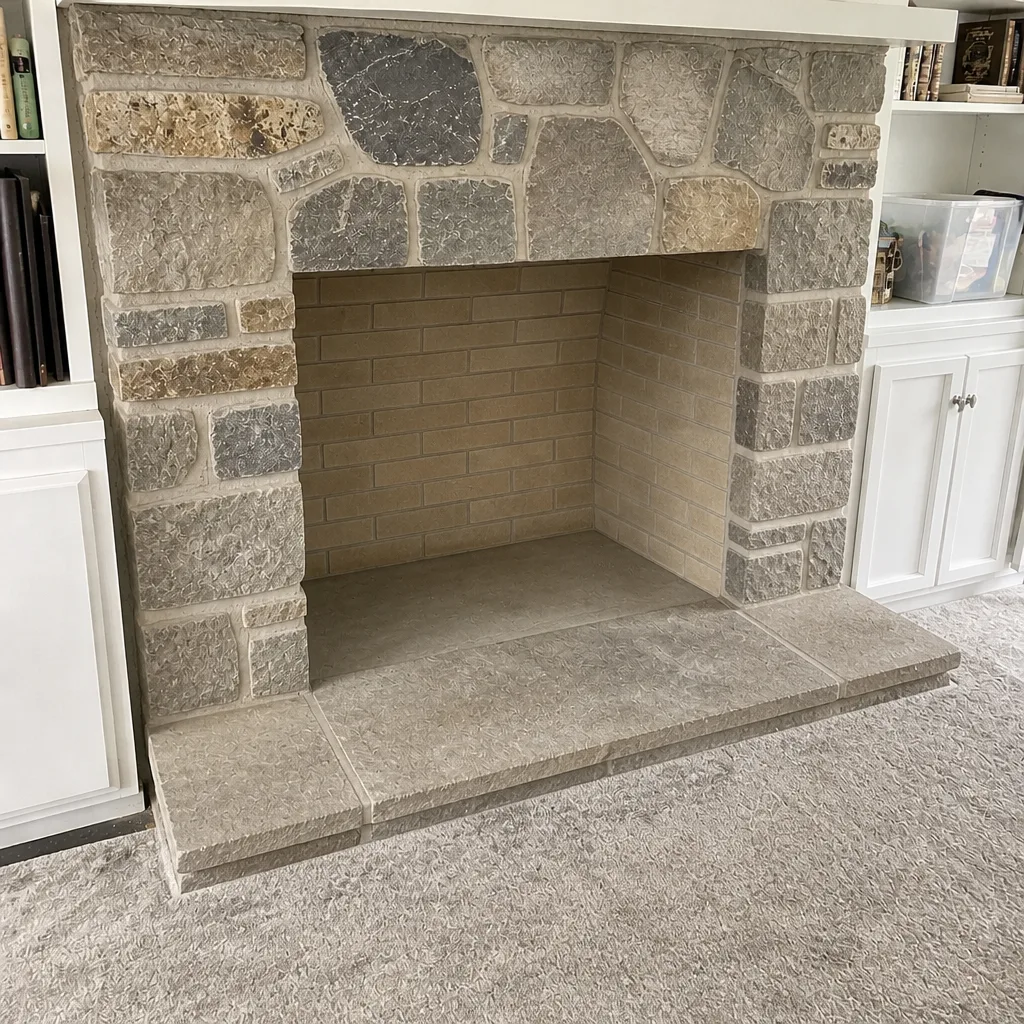 After
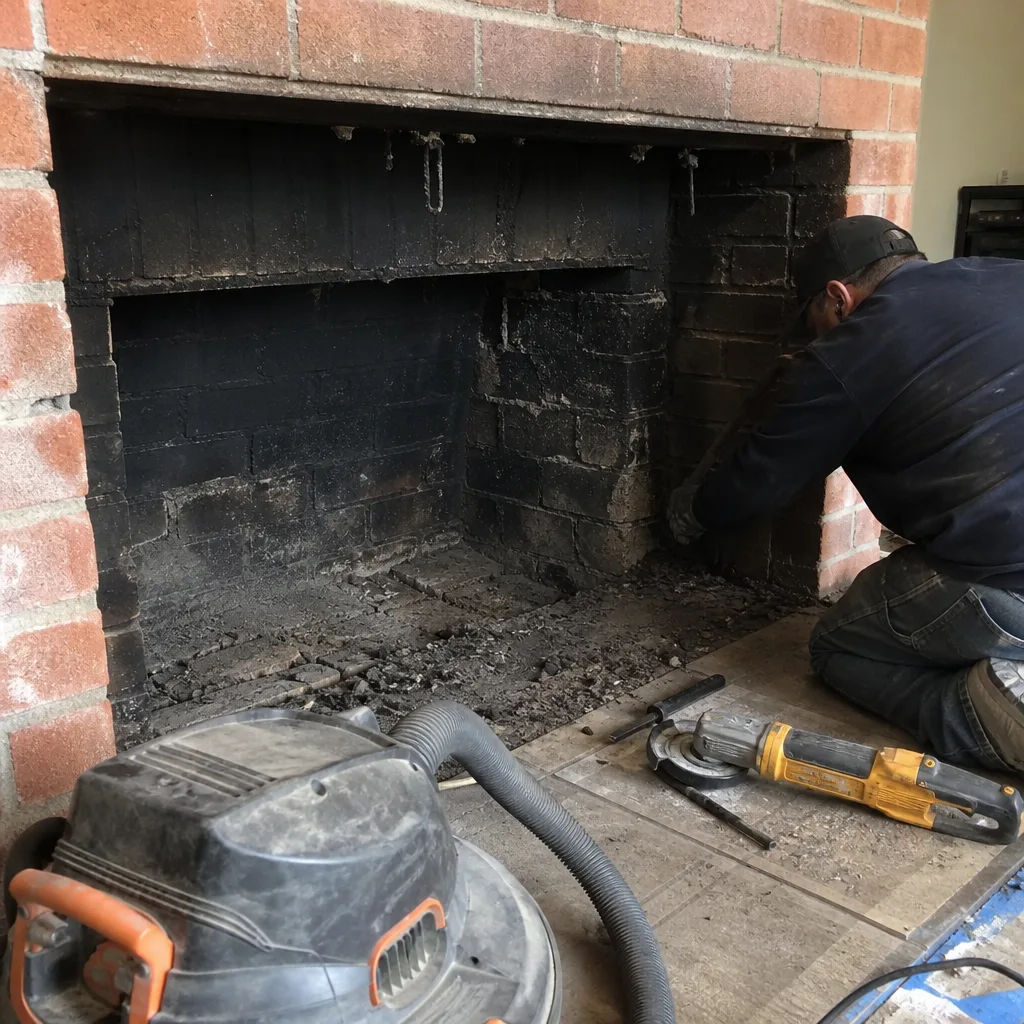 Before
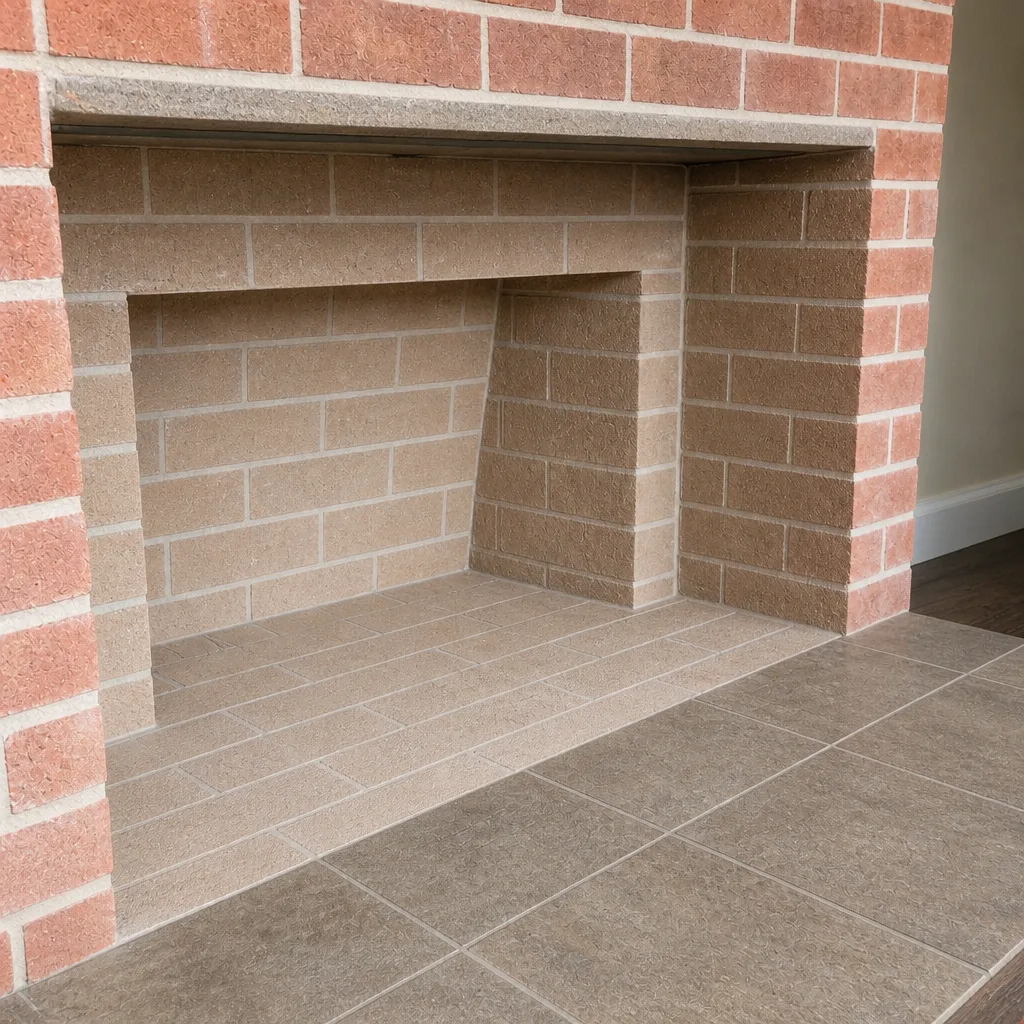 After
When to Call a Professional
Call a professional when you smell a strong smoky odor in the house after a fire, when draft is sluggish or smoke rolls back into the room, when a glossy tar layer is visible on the liner, or when you’ve just bought a Santa Rosa home and don’t have a chimney history. Also call after any chimney fire, even one that seemed minor, and after changing from wood to gas or gas to wood. If your last cleaning didn’t come with a camera report, treat the flue as uninspected. Santa Rosa Chimney Cleaning offers free estimates in Santa Rosa – call (888) 919-0637. We answer 24/7, and dispatch runs 7am to 7pm, Sunday through Friday.
Frequently Asked Questions
A standard chimney cleaning in Santa Rosa typically costs $250 to $450, and a cleaning with a Level 2 camera inspection runs $400 to $650. The written estimate sets the final price. Call (888) 919-0637 for an exact quote – estimates are free.
Not always – a reline is only needed when the camera report shows the existing liner can’t be repaired. Clay tile with minor deterioration can often be restored with HeatShield ceramic resurfacing rather than replaced. Nothing is recommended without photo evidence you can see for yourself, and if the liner is sound we’ll say so. Call (888) 919-0637 to book an inspection.
Inspect once a year and clean as needed, per NFPA 211. For a Santa Rosa fireplace in active use, annual cleaning is the common rhythm; a damp-winter burn season and cool start-up fires can push deposits toward stage two faster than drier climates. Call (888) 919-0637 to schedule yours.
Skipped cleanings let creosote build to stage two or three, which raises chimney fire risk, and a failing liner can release carbon monoxide into the home. We don’t scare-sell – if a check shows your flue is fine and can safely wait, we’ll tell you. Call (888) 919-0637 for a free estimate.
Yes. Inspection, cleaning, and repair are handled by one company with no handoff to a separate contractor. We work with professional-grade DuraFlex, HeatShield, Gelco, Olympia Chimney, Famco, and Copperfield materials, so a repair decision and the material choice happen on the same job. Call (888) 919-0637 to book a free estimate.
Yes – chimney inspection is a formal standalone service with a camera report suitable for insurance, real estate, and annual safety documentation. We answer 24/7 and dispatch from 7am to 7pm, Sunday through Friday, and we’re closed Saturday. Call (888) 919-0637 to arrange one.
The Bottom Line
Chimney cleaning in Santa Rosa isn’t a brush-and-go chore. It’s an inspection-led process that accounts for the local damp climate, your fuel type, and the liner material your home was built with. Stage-two creosote is the hidden hazard in a fast cleaning, and the camera report is how you know whether it’s gone. Our technicians have up to 10 years of experience with clay tile, stainless, cast-in-place, and resurfaced liners across Santa Rosa. Have the inspection, clean it, fix what the camera proves needs fixing. To book a free estimate, call Santa Rosa Chimney Cleaning at (888) 919-0637. We answer 24/7. Fast dispatch from 7am to 7pm, Sunday through Friday.
Written by the team at Santa Rosa Chimney Cleaning.