
Last updated November 15, 2026
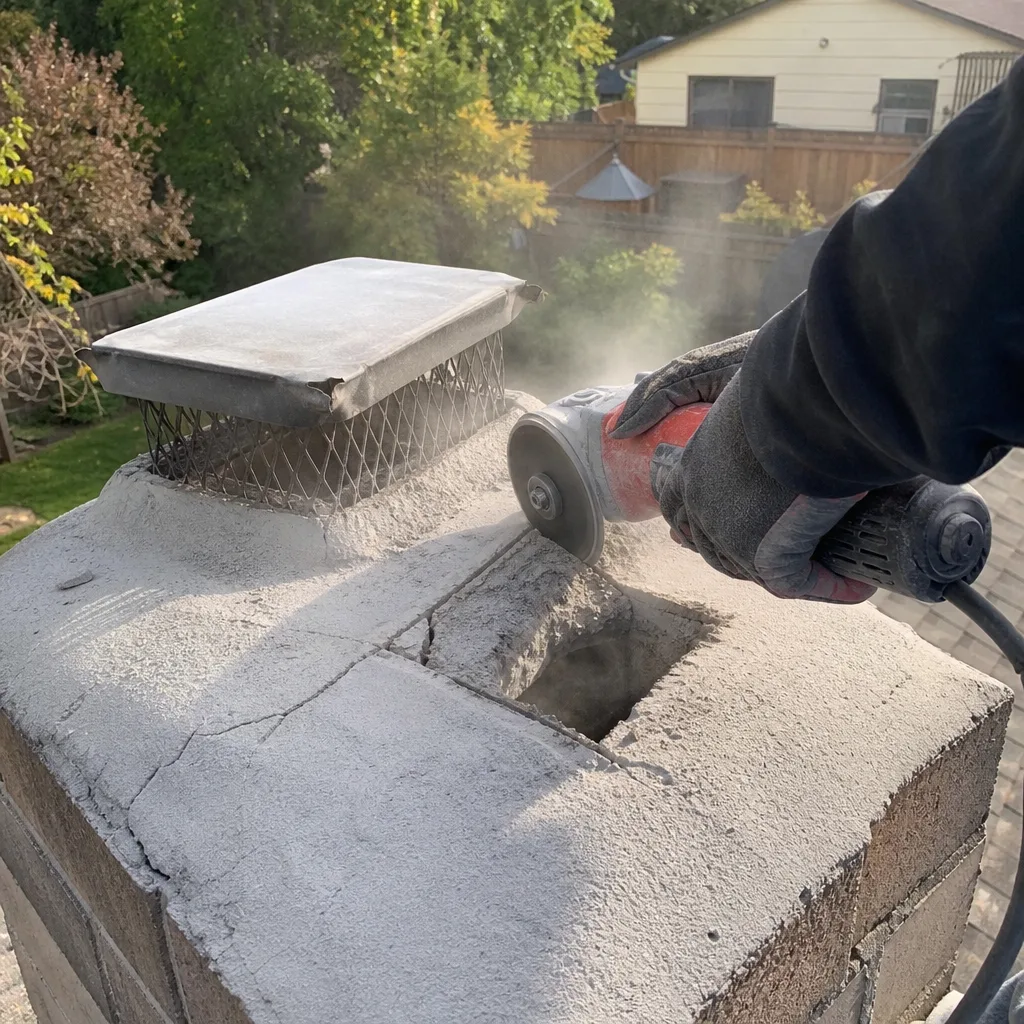
 Sweep & inspection
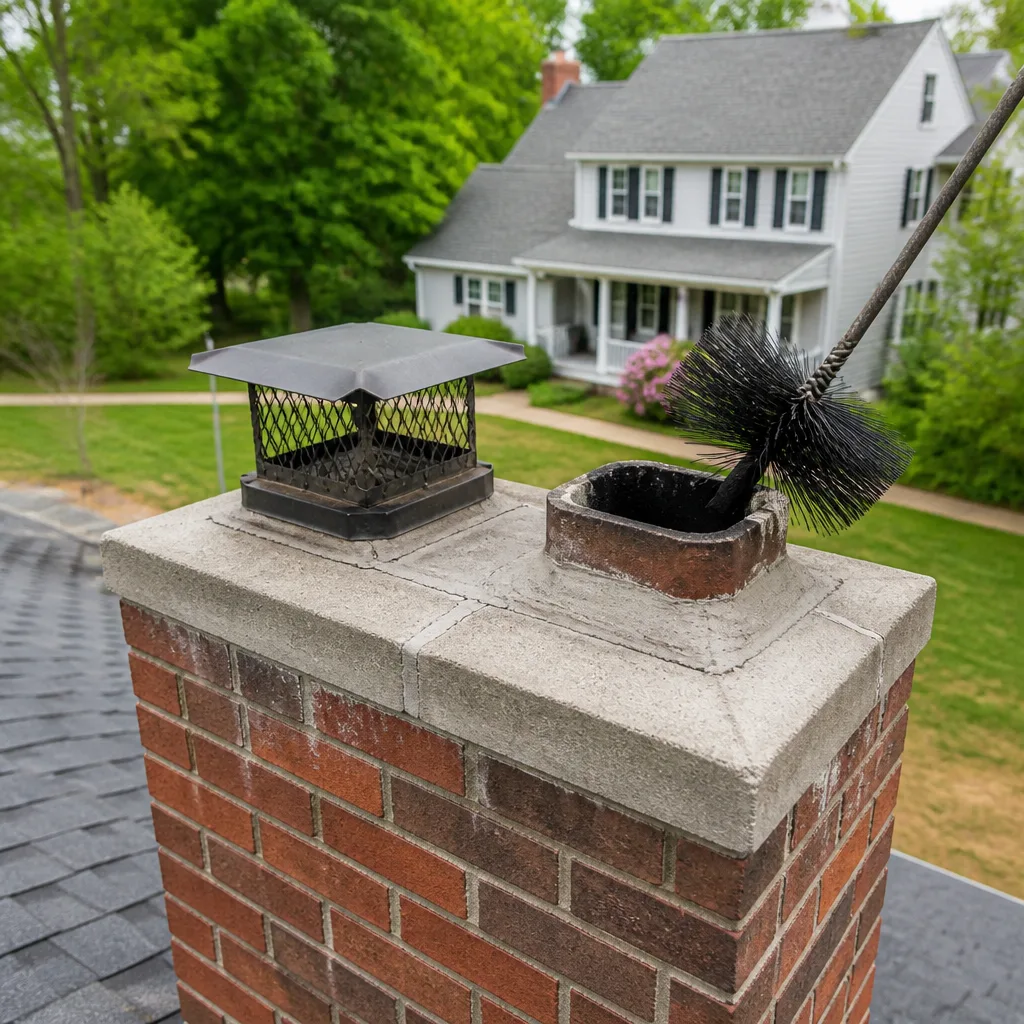
 Caps & crowns
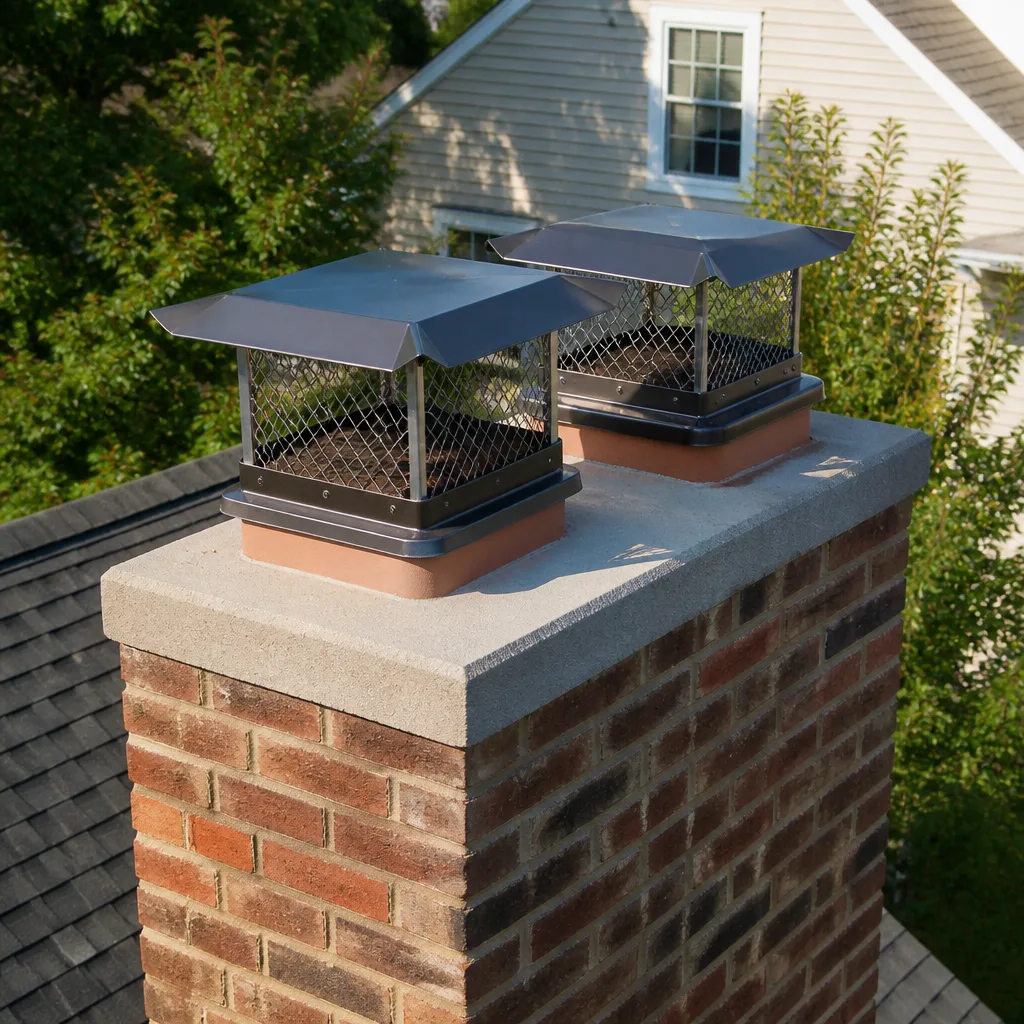
 Flue relining
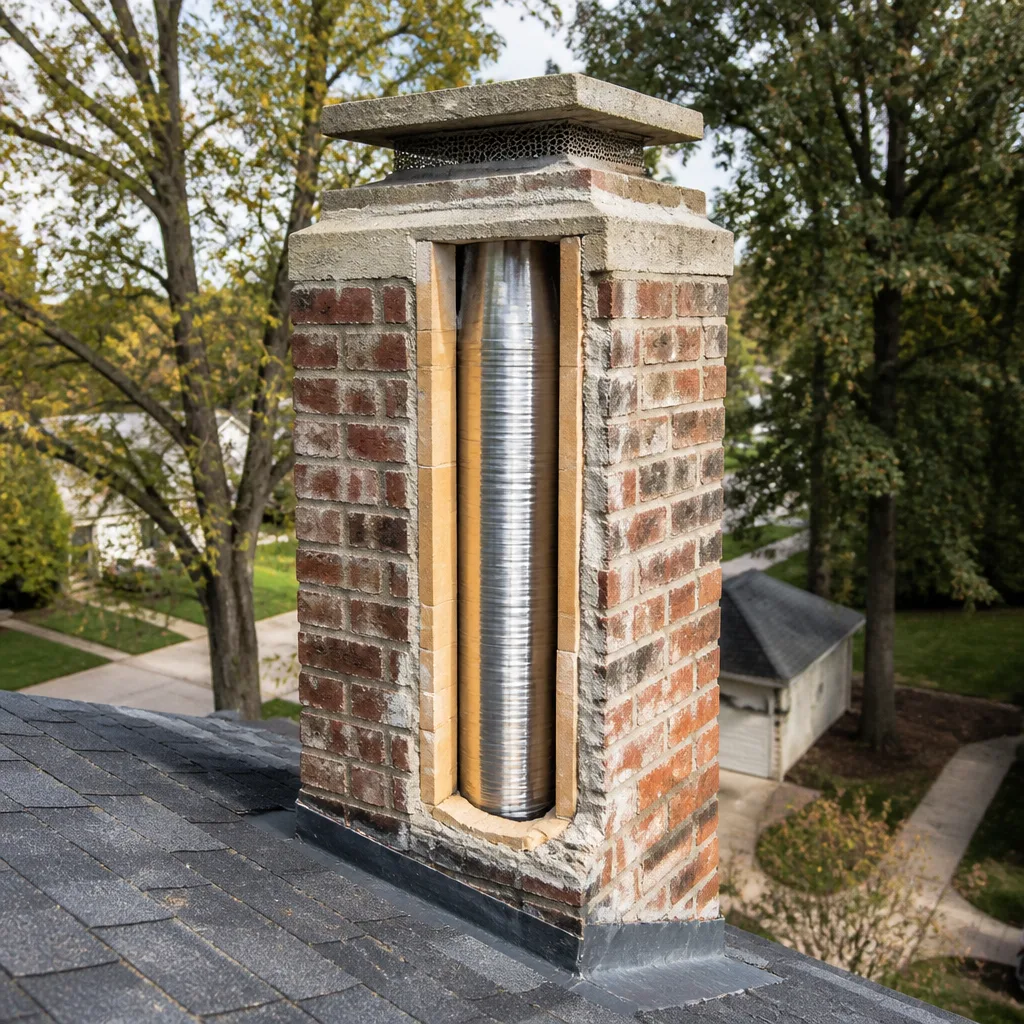
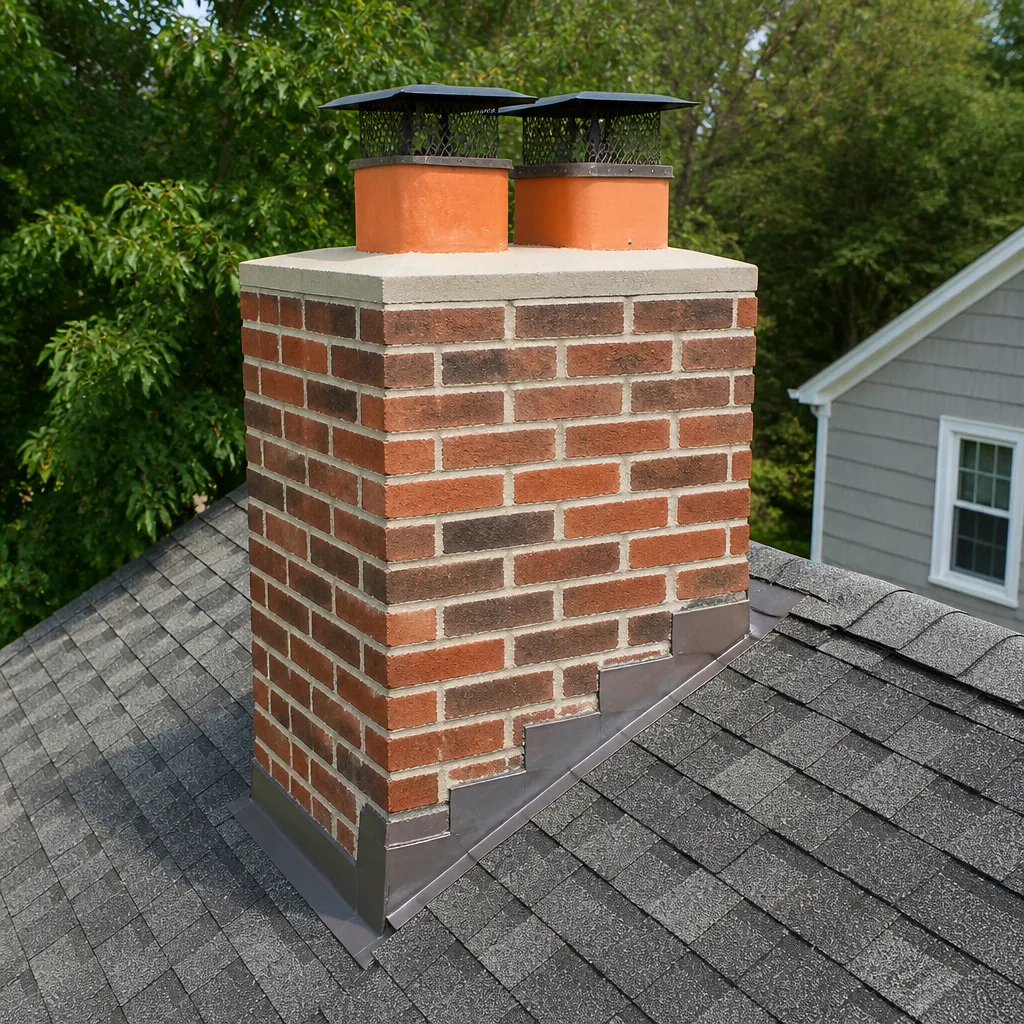 Masonry repair
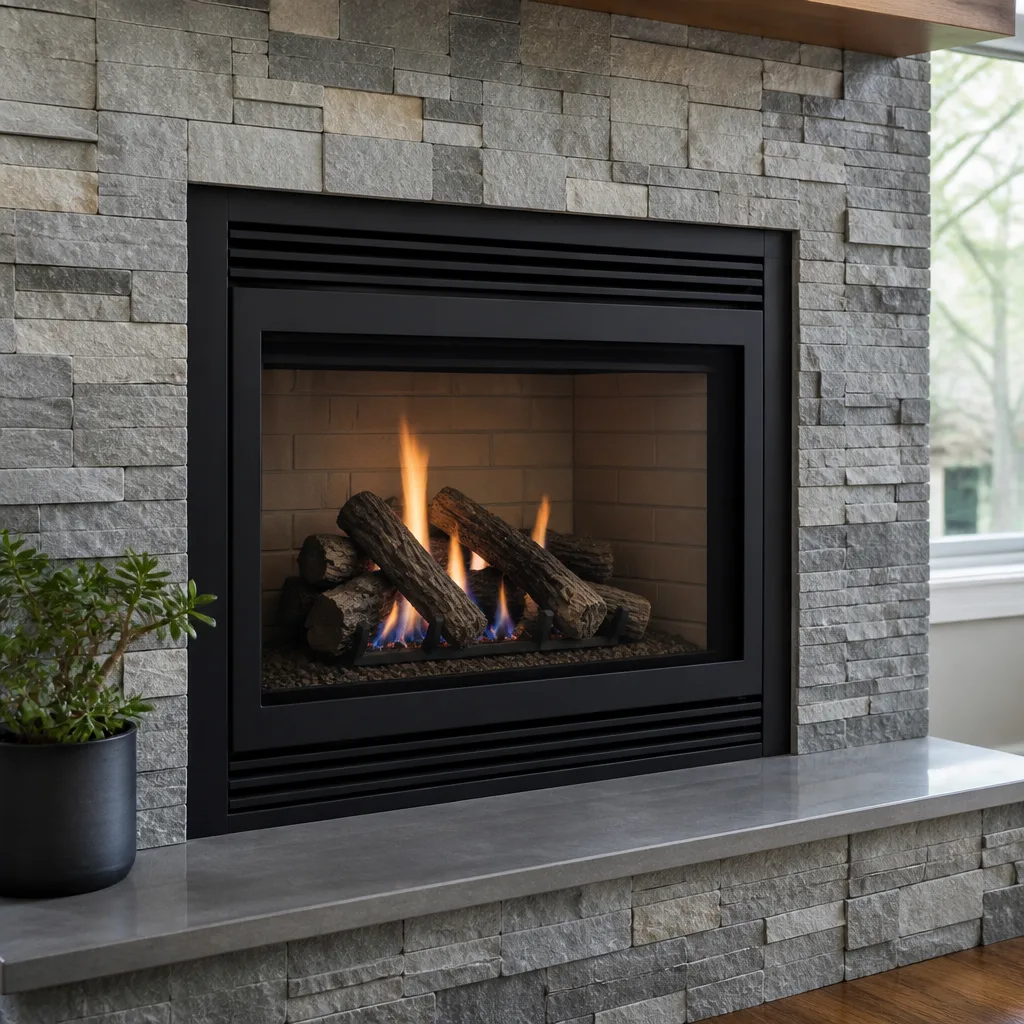 Gas fireplace service
Level 1 sweep and inspection to the NFPA 211 annual standard - flue, crown, cap, and flashing checked and photographed
Chimney sweep logs do not sweep chimneys. They loosen some creosote - which then falls where a brush and vacuum still have to collect it.
How to Hire a Chimney Cleaning Contractor in Santa Rosa: A Step-by-Step Guide
There’s no licensing requirement for chimney sweeps in California. That single fact explains most of the confusion Santa Rosa homeowners run into. The person who cleaned your gutters last spring may also be quoting your flue inspection, with about the same level of training behind both jobs. Nothing stops them, and nothing on a business card tells you which kind of operator you’re dealing with. This guide is about closing that gap. You’ll learn what CSIA certification actually means, which questions separate a chimney specialist from a generalist with a brush, how to read a quote for the things it leaves out, and how to verify insurance that actually covers chimney work.
Quick Answer
Hiring a chimney contractor in Santa Rosa means verifying three things before you book: current CSIA certification, insurance that specifically covers chimney work, and a written scope that names the inspection level and what the price includes. Skip those checks and you can’t tell a specialist from an add-on service until something goes wrong. Ask for a written estimate, ask how findings are documented, and don’t let a low flat rate decide it for you.
Styles & brands we work with
- Sweep & inspection
- Caps & crowns
- Flue relining
- Masonry repair
- Gas fireplace service
Table of Contents
- Why California Doesn’t License Chimney Sweeps and What to Check Instead
- What CSIA Certification Actually Means and How to Verify It’s Current
- What a Specialist’s Setup Looks Like
- How to Read a Chimney Cleaning Quote
- Questions to Ask About How They Handle Findings
- How to Verify Insurance for Chimney Work
- Why a Chimney Specialist Beats a Generalist
- What Hiring Looks Like in Santa Rosa Specifically
Why California Doesn’t License Chimney Sweeps and What to Check Instead
California does not issue a chimney sweep license. There’s no state exam to pass, no journeyman card, no board that revokes a sweep’s credential for doing shoddy work. Compare that to electricians or plumbers, who work under a defined licensing structure, and you start to see why hiring here takes a different kind of diligence. The absence of a license doesn’t mean nobody’s qualified. It means you can’t use a license lookup to filter. You have to do it yourself.
So what do you check instead? Three things carry real weight:
- Certification from a recognized trade body. The Chimney Safety Institute of America is the standard most consumers hear about, and it’s the one worth verifying. More on it below.
- Insurance specific to the trade. General contractor liability isn’t the same as coverage for work on a flue and roofline. Ask for the certificate that names chimney work.
- A written scope of work. A serious operator puts the inspection level, the cleaning method and the flat price in writing before anyone climbs a ladder.
We’ve seen Santa Rosa homeowners hire on the strength of a friendly phone call alone. That works until a company cracks a flue tile or drops a brush head, and then the question of who’s covered becomes very practical very fast. The reason we walk through all three checks on this page is that none of them is a formality. Each one closes a door that would otherwise stand open. A formal chimney inspection is the natural point to ask these questions, since that’s the service where the credentials matter most.
What CSIA Certification Actually Means and How to Verify It’s Current
CSIA certification is a testing and education credential offered by the Chimney Safety Institute of America. A certified sweep has passed a proctored exam covering chimney construction, venting, codes and safety, and has committed to a code of ethics. It says the person understands how a flue works and what can go wrong. It does not say the certification is current. Certifications expire, and this is the part most homeowners miss.
Here’s how to verify it, in plain steps:
- Ask the company whether the technician who will actually be at your house is CSIA-certified, not just the company owner.
- Ask for the certification status and check the CSIA’s public directory of certified professionals yourself rather than taking a verbal yes.
- Confirm the certification is current, not lapsed. Ask when it was last renewed.
- Ask how many technicians on the crew hold it, since a single certified name on a website says nothing about who shows up.
You’ll want to ask similar questions about training for specialty work. Resurfacing a flue with a ceramic product, for example, takes application training specific to the material. HeatShield, which we use for flue resurfacing, requires a certified application technique. A company that sweeps and also applies HeatShield should be able to tell you who’s certified to do it and when. If the answer is vague, that’s information. Keep the questions short and direct, and write down the answers. You’ll refer back to them when you compare quotes.
What a Specialist’s Setup Looks Like
On the day of the job, the equipment tells you a lot. A professional chimney cleaning sets up a rotary cleaning system, a flexible whip or rod set driven by a controlled motor, connected to a high-capacity vacuum that keeps soot out of your living room. The vacuum runs the whole time. Drop cloths go down before the first piece of equipment crosses the threshold. The technician works from the roof, and often from the firebox, to clear the full length of the flue. That’s the standard.
The alternative looks different. A hand brush, a shop-vac, and a willingness to try. That combination can clear loose creosote from an easy straight flue. It can’t tell you what the flue looks like at the smoke chamber, it can’t handle glaze-stage creosote, and it tells you nothing about cracks or gaps a rotary camera would catch. The difference between the two isn’t about effort. It’s about tools that reveal the condition of the flue versus tools that only remove what’s accessible from below.
You don’t need to inspect the truck yourself so much as ask what it carries and what the cleaning process involves. Reasonable questions include:
- Do you use a rotary cleaning system or a hand brush?
- Do you run a HEPA vacuum during the sweep?
- Can you photograph the flue interior, or inspect it with a camera?
- What do you do if you find glazed creosote the brush won’t touch?
The answers map back to what we cover in our page on the chimney sweep process. If a company can’t describe a rotary system and a vacuum in the same breath, they may be running an add-on operation rather than a specialty service.
How to Read a Chimney Cleaning Quote
Most chimney quotes fail on what they omit. A price is easy to give over the phone. A scope of work that tells you what the price covers and what it doesn’t is harder, and it’s the mark of an operator who expects to stand behind the number. When you look at a quote, check for these three things first: a named inspection level, a described cleaning method, and a flat price for the work as scoped.
A chimney inspection isn’t one thing. NFPA 211, the national standard for chimneys, recognizes three levels. A Level 1 inspection is a visual check of readily accessible parts, the right fit for an annual safety check on a chimney already in service. A Level 2 inspection adds a camera survey of the flue interior, and it’s what a real estate transaction or a change in the appliance usually calls for. A Level 3 inspection opens up concealed areas when a problem is suspected behind a wall or above a roofline. When a quote doesn’t say which level it’s selling, the buyer can’t compare it to anything.
Red flags to watch for in a chimney quote:
- No mention of inspection level. If the company doesn’t name a level, ask which one the price includes.
- Vague scope. “Cleaning” alone tells you nothing about the flue interior survey or what happens if damage turns up.
- A flat rate that’s unusually low. A price well below the local going rate often means a brush-and-shop-vac job or a visit designed to escalate into an upsell.
- No written estimate. Verbal numbers invite drift by the time the invoice lands.
- Urgency without evidence. If a company warns that your liner needs replacing before anyone has looked at it, ask what they’ll show you to back it up.
Ask for the flat price in writing, ask what’s included, and ask whether the price covers the camera inspection and a photo report. Those are the items a specialist builds into the quote up front. If the answers aren’t clear, look at another company.
Questions to Ask About How They Handle Findings
Here’s where the trade draws a line you rarely hear discussed. Every chimney cleaning will turn up something, whether it’s a hairline crack in a flue tile, a crumbling mortar joint in the smoke chamber, or a buildup of creosote that needs more than a sweep. What separates a specialist from a generalist is how they report it. A serious operator hands you photographs you can look at yourself. A weaker one hands you a verbal description and a price tag.
Ask these questions before booking, not after:
- Do you photograph liner damage, or only describe it verbally?
- Do you provide a written report of the inspection findings?
- How do you tell the difference between work that can wait and work that can’t?
- Do you show the inside of the flue to the homeowner before recommending anything?
- If you find damage, who does the repair, and is it the same company that swept?
The last question matters more than it looks. A generalist who sweeps will hand off repair to someone else, and the report you get from the sweep may not match the advice you get from the repair company. A specialty operation that handles sweep, inspection and repair under one roof has an incentive to report findings honestly because the same team handles the consequences. It’s the reason we offer all three services together: the inspection identifies the problem, the chimney repair resolves the root cause, and nothing gets lost in the handoff.
The other thing to ask about is materials. If a liner repair is on the table, you want to know what product a company plans to use and whether it’s a professional-grade component. We stock and install from a curated lineup that includes DuraFlex, Gelco, Olympia Chimney, Famco and HeatShield. That matters because repair decisions get made on the job, and a company that has to wait on supply can’t finish the work while they’re there.
How to Verify Insurance for Chimney Work
General contractor liability isn’t enough. Chimney work happens on a roof, in a firebox, and inside a flue, and it involves equipment that can damage property or start a fire if handled badly. You want a company whose insurance certificate specifically covers chimney work, not a generic liability policy that might exclude it. A certificate of insurance naming the company, with chimney services listed, is the document to ask for.
Here’s how to check it, step by step:
- Ask for a current certificate of insurance before the appointment is booked.
- Confirm the coverage is specific to chimney services, not just general contracting.
- Check the certificate is dated and current.
- Confirm the policy covers on-roof and in-flue work, since that’s where most claims arise.
- Ask for the certificate to be sent in writing so you have a record.
If a company can’t produce one or won’t send it in writing, that’s a clear no. Homeowners like the Santa Rosa reader who want a specialist for comfort and safety, rather than the cheapest name on a general-labor app, tend to be the ones who ask for the certificate. It’s a quick exchange, and it tells you more about how a company operates than any review.
Why a Chimney Specialist Beats a Generalist
A generalist handyman can clear a flue of loose soot. What they can’t do is manage the full arc of the work, from inspection through cleaning to the right repair. That’s a specialty operation. It requires somebody who can tell a liner repair from a full reline, who knows when resurfacing with HeatShield or another ceramic product restores a flue without a full replacement, and who can identify the difference between creosote that needs sweeping and glazed creosote that needs a different approach. Those judgments come from doing the work, not from a general contractor’s license.
We handle the sweep, the inspection and the repair as one company. When we inspect a flue in Santa Rosa, we do it as a formal service suited to a real estate transaction, insurance documentation or an annual safety check. We don’t sweep first and inspect as an afterthought. When we clean, we clear immediate hazards. When repair is needed, we resolve the root cause rather than the symptom. Professional-grade materials from brands chimney specialists actually use, sourced so decisions can be made on the job rather than postponed. That’s the difference between a chimney specialist and a generalist with a brush: the generalist handles what’s easy and hands off what isn’t. A specialist handles the whole arc.
Our technicians have up to 10 years of experience. We open every job with the same questions a homeowner should ask any contractor, and we answer them the same way.
What Hiring Looks Like in Santa Rosa Specifically
Santa Rosa’s climate shapes what a chimney goes through here. Winters are mild and wet, which sounds like good news for a flue, but the same mildness means a fireplace can sit unused for months before the first cool evening brings it back into service. That first fire of the season is when the creosote from the last one makes itself known. Roofs in neighborhoods like Rincon Valley, Montgomery Village and the west side hills see plenty of rain, so water intrusion at the chimney cap or crown is a common finding, and a proper inspection catches it before it reaches the interior. Hiring here means finding someone who knows that a wet winter is a reason to check the crown and flashing at least as carefully as the flue itself.
A few Santa Rosa-specific notes when you’re interviewing contractors:
- Seasonal timing. The best window to book a sweep is before the first cold snap, when schedules tighten and wait times stretch.
- Real estate context. If you’re buying or selling in Santa Rosa, a Level 2 inspection with a photo report is what an insurer or buyer will want to see.
- Older homes. The city has a mix of housing stock, and a home with an older masonry chimney is more likely to have a flue that needs a closer look than a newer one.
- Wood-burning stoves. If you’ve got a stove rather than an open fireplace, ask specifically how the company handles the venting configuration.
Because there’s no state license gatekeeping the trade here, the interviewing is on you. Ask the questions in this guide, ask them of more than one company, and compare answers. You’ll know within ten minutes who’s a specialist and who isn’t. For local service context, spend five minutes on the Santa Rosa page before you start calling, since geography affects how worth it a same-week booking can be.
Common Mistakes to Avoid
- Hiring on price alone. A quote far below the local range is usually a brush-and-shop-vac job or a visit designed to upsell. Ask what’s included before you accept a number.
- Not checking who does the work. A company owner’s certification says nothing about the technician at your house. Ask who will be on site.
- Accepting a verbal report. If findings aren’t photographed, you can’t check them and can’t verify anything. Ask for a written report and photos.
- Assuming a general contractor policy covers chimney work. Ask for a certificate that lists chimney services specifically. It’s a quick exchange and worth the five minutes.
- Letting a sweep promise free same-day repair. A legitimate company doesn’t quote repair before the inspection has been done. If they name a price before looking, that’s a red flag in Santa Rosa and anywhere else.
- Skipping the inspection level on a real estate transaction. If a buyer or insurer wants a Level 2 report, a basic visual check won’t satisfy them. Ask for the level in writing.
- Not asking whether work can safely wait. A company with integrity will tell you when a finding doesn’t need to be fixed immediately. Ask them directly: is there anything here that can wait?
See the difference
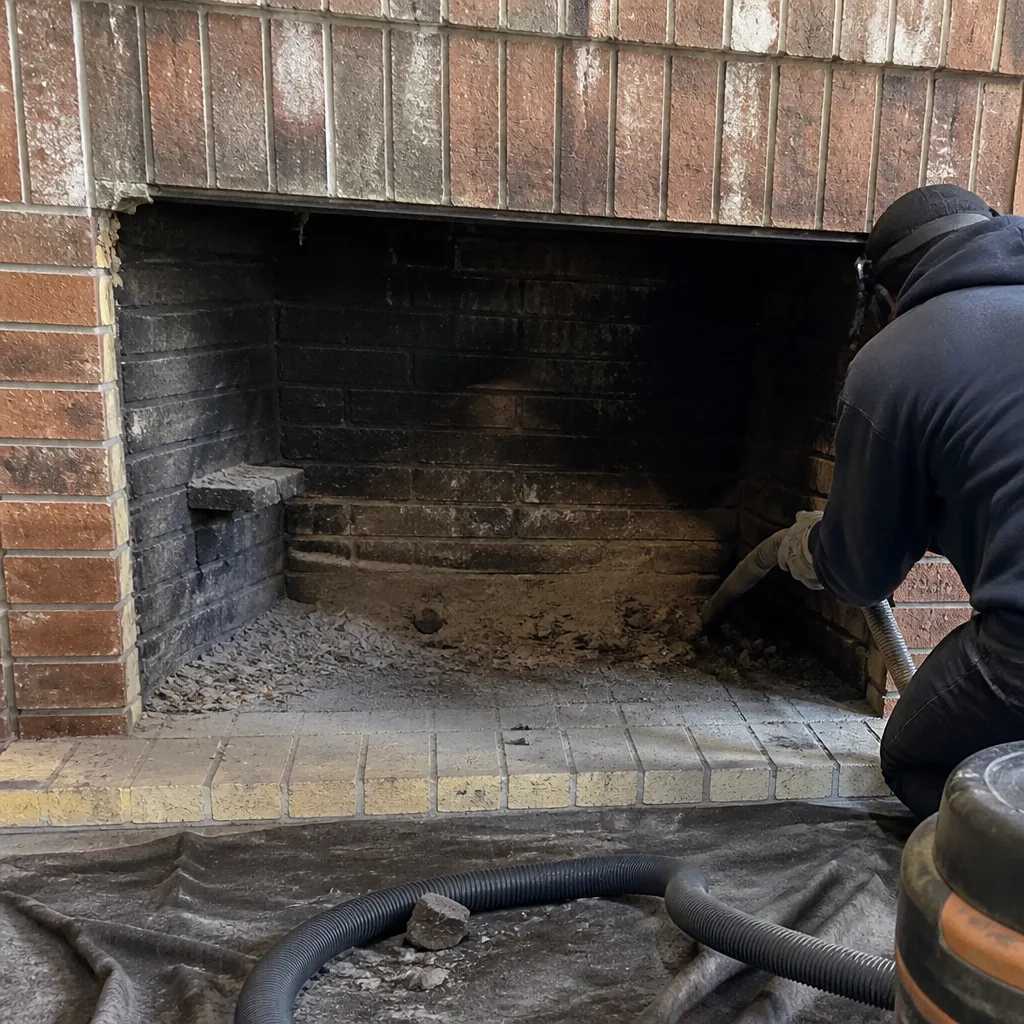 Before
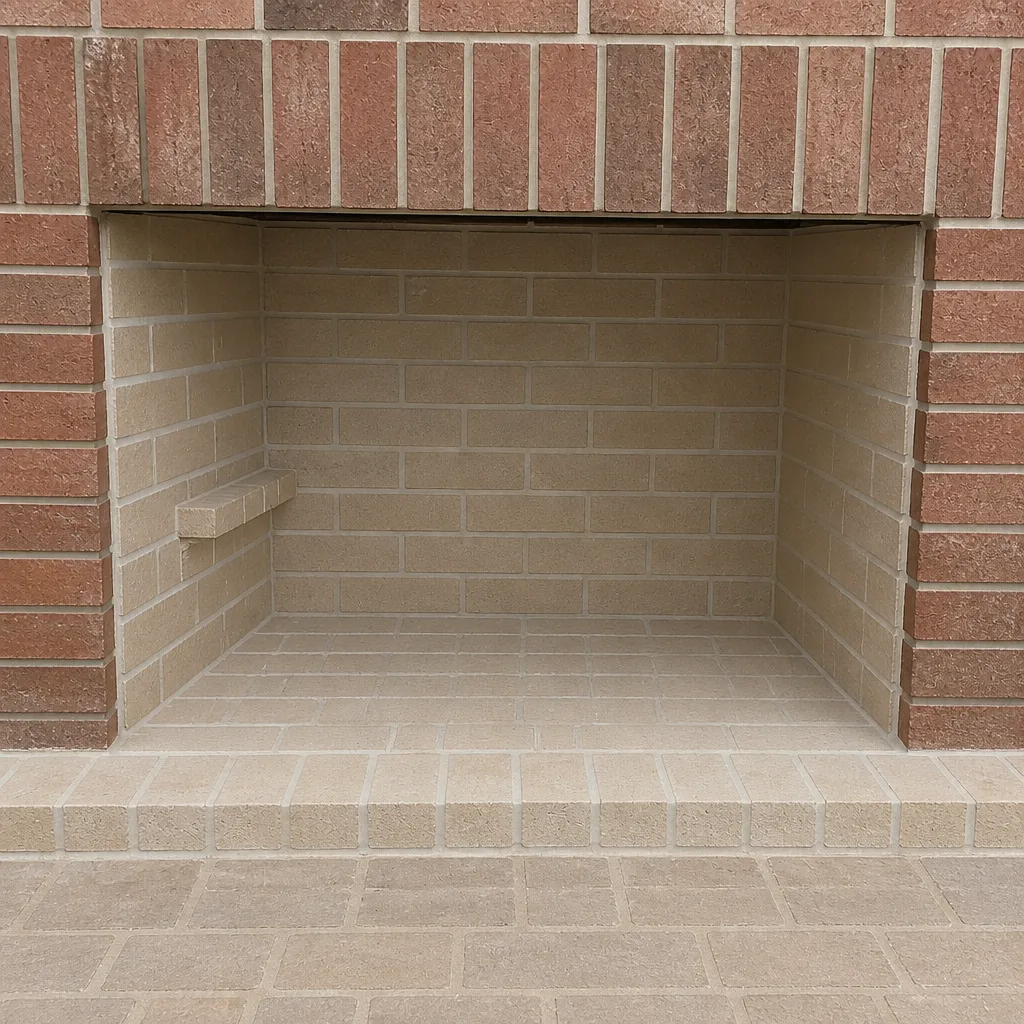 After
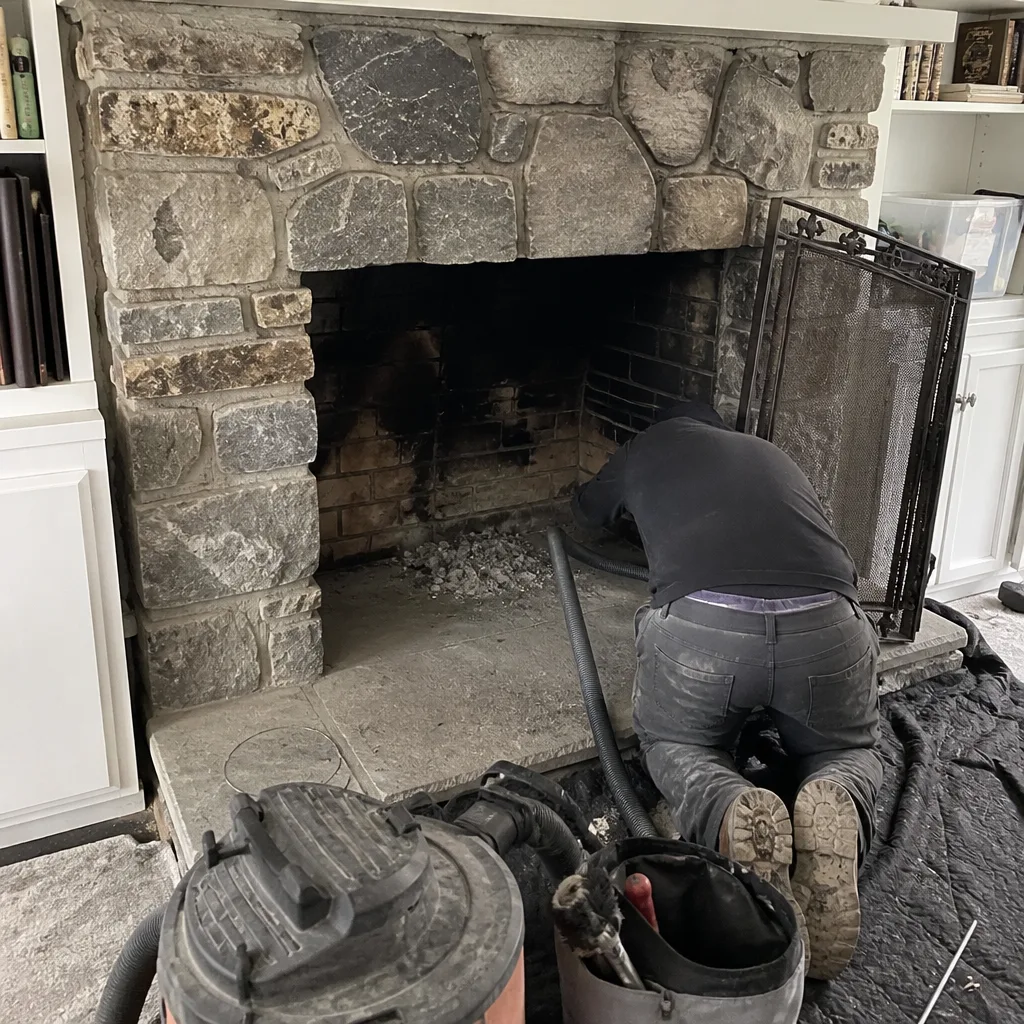 Before
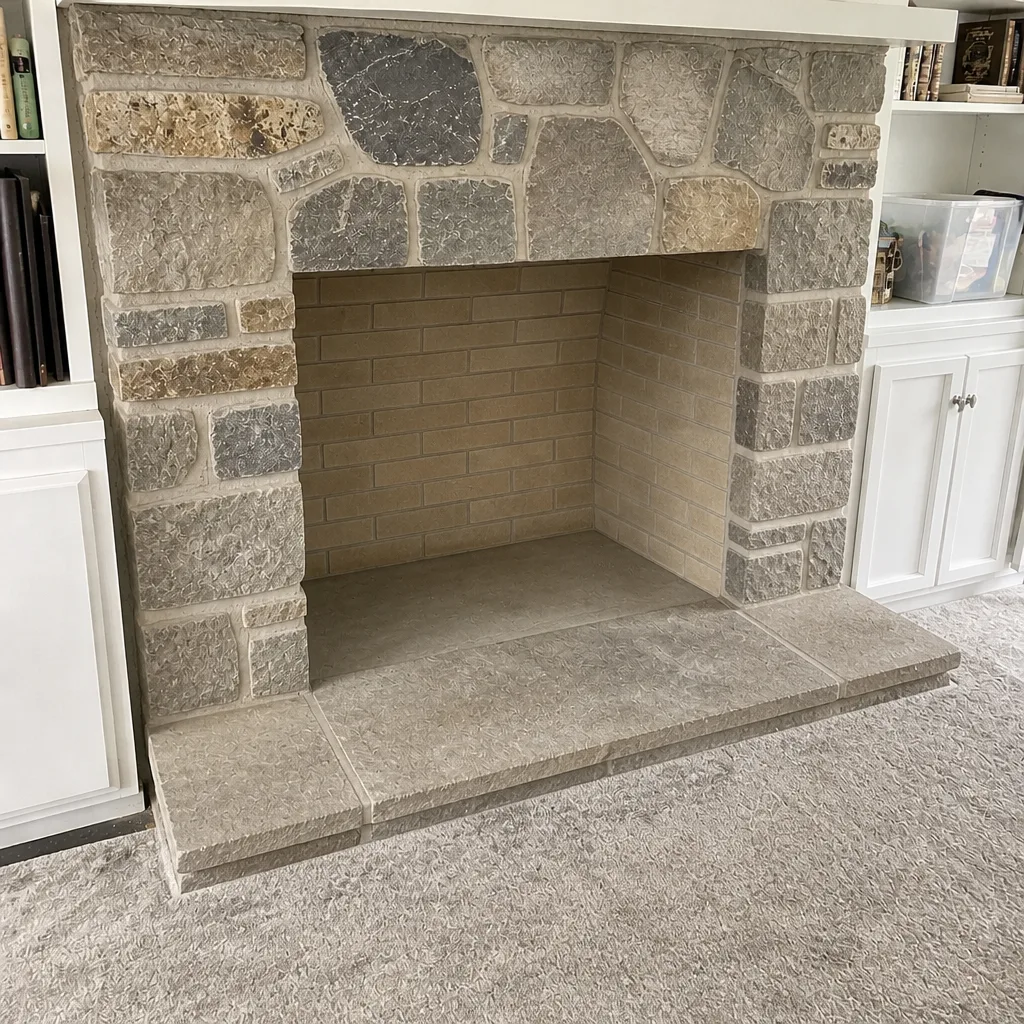 After
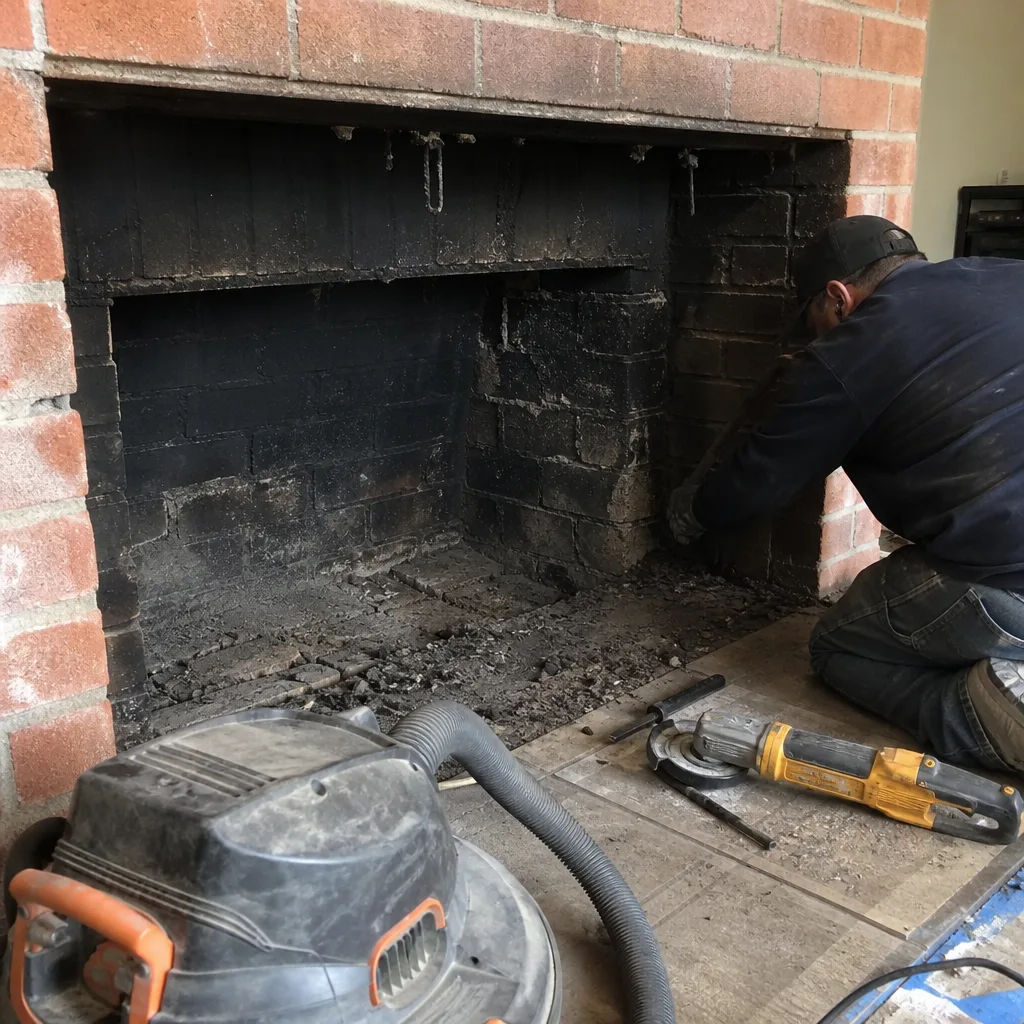 Before
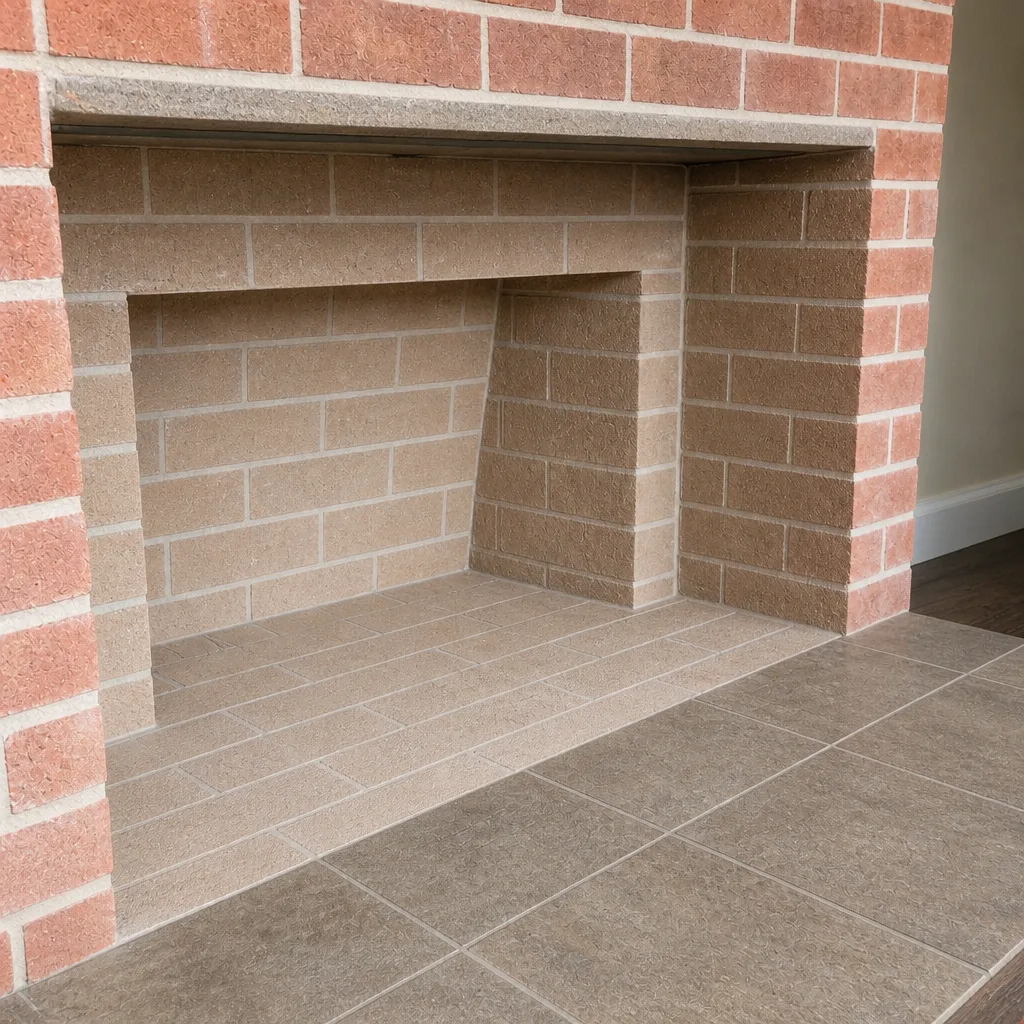 After
When to Call a Professional
Some situations call for a trained professional quickly, and it’s worth knowing which. If you smell a strong creosote odor in the house, notice smoke rolling back into the room instead of up the draft, see staining on the chimney exterior or the ceiling near it, or hear a persistent rattle from the flue when the fire’s going, stop using the fireplace and call a professional. These can signal a blockage, a damaged liner or a failing smoke chamber. If you haven’t swept the chimney in over a year of active use, or you’re buying or selling a home in Santa Rosa, schedule an inspection. If you’re moving into a house with a chimney and don’t know its history, book an inspection before the first fire. Santa Rosa Chimney Cleaning offers free estimates in Santa Rosa. Call (888) 919-0637. We answer 24/7. Fast dispatch from 7am to 7pm, Sunday through Friday.
Frequently Asked Questions
A typical chimney sweep in Santa Rosa is priced per job by a written estimate, and the price depends on the flue configuration, the amount of buildup and whether an inspection is included. The safest way to compare is to ask each company for a flat price in writing that names the inspection level. Estimates are free, so call (888) 919-0637 for an exact quote.
Not always, and a company that recommends a new liner should be able to show you why. A HeatShield resurfacing can sometimes restore a deteriorating flue without full relining, and a photo of the damage should back the recommendation either way. Ask what they’ll show you before you decide. Call (888) 919-0637 for a free estimate and a straight answer.
Sweep a chimney at least once a year of active use, and more often if you burn frequently or notice buildup. The inspection and sweep schedule is the simplest way to keep the flue safe through the burn season. If it’s been more than a year, call (888) 919-0637 to book a sweep.
Creosote builds up in the flue, and at a certain stage it can ignite, causing a chimney fire that may go unnoticed until it has damaged the liner. A blocked or damaged flue can also allow gases to back up into the house. That’s the reason to stay on a schedule rather than the reason to panic. Call (888) 919-0637 to get it looked at.
Ask for a current certificate of insurance that specifically names chimney services, not a general contractor policy. Have it sent in writing and check that it’s dated. A company that won’t provide one isn’t one to hire. If you have questions about the process, call (888) 919-0637 for a free estimate.
Yes, and it’s the better arrangement, because the same team that finds a problem sees it through to the repair. A generalist who sweeps usually hands off repair to someone else. We handle sweep, inspection and repair as one company, using professional-grade components from brands like HeatShield and DuraFlex. Call (888) 919-0637 for a free estimate.
The Bottom Line
Hiring a chimney contractor in Santa Rosa comes down to verification, not vibes. Check that the technician is currently CSIA-certified, not just the company. Ask for insurance that specifically covers chimney work. Ask which inspection level a quote includes and whether findings come with photographs. Treat an unusually low flat rate as a question to ask rather than a deal to grab. And ask whether the same company handles the sweep, the inspection and the repair, because a specialist has a reason to report honestly that a generalist doesn’t. The time you spend on those questions is short. It’s the cheapest protection you’ll ever buy for a home you plan to heat all winter.
If you need a chimney evaluated in Santa Rosa, call (888) 919-0637 for a free estimate. We answer 24/7. Fast dispatch from 7am to 7pm, Sunday through Friday. We inspect it, clean it, and fix it: same company, same standard of work. Learn more about what we do across Santa Rosa by starting with Santa Rosa Chimney Cleaning.
Written by the team at Santa Rosa Chimney Cleaning.