
Last updated November 15, 2026
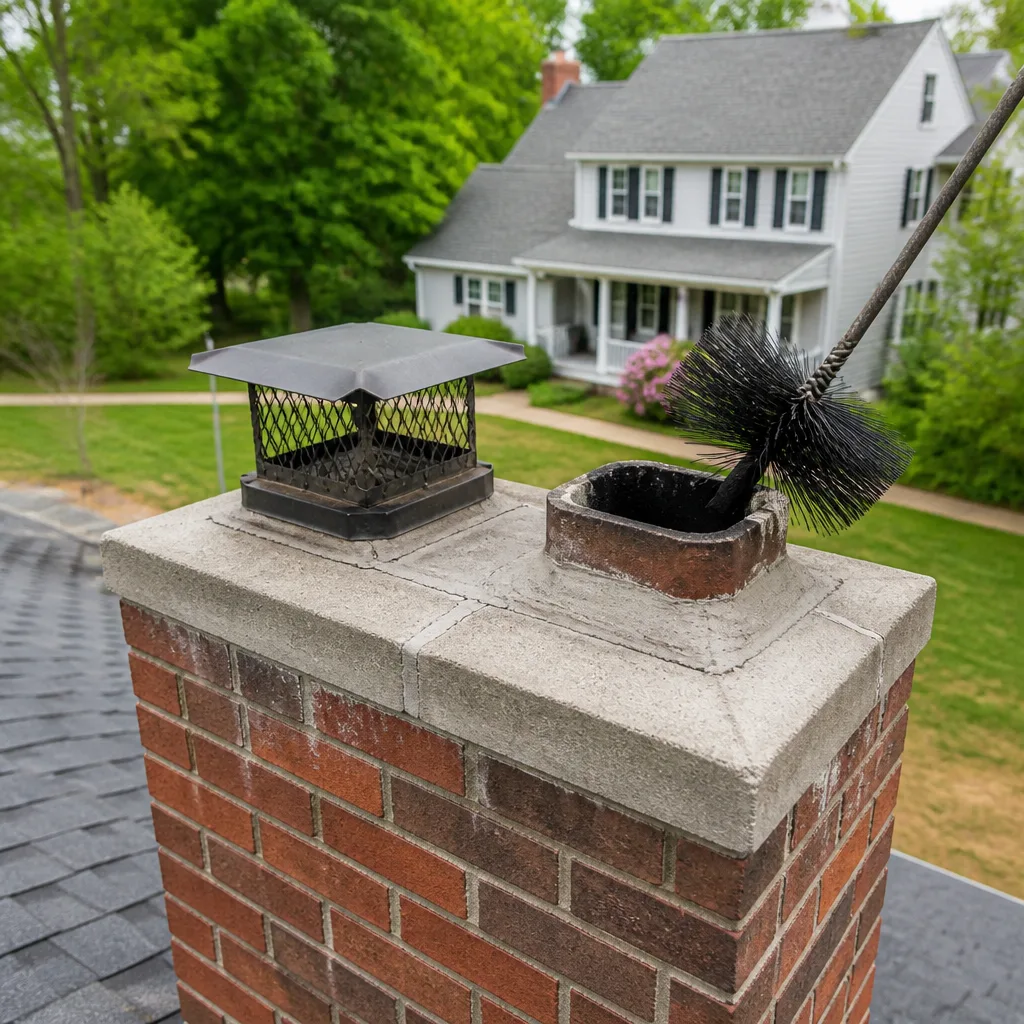 Sweep & inspection
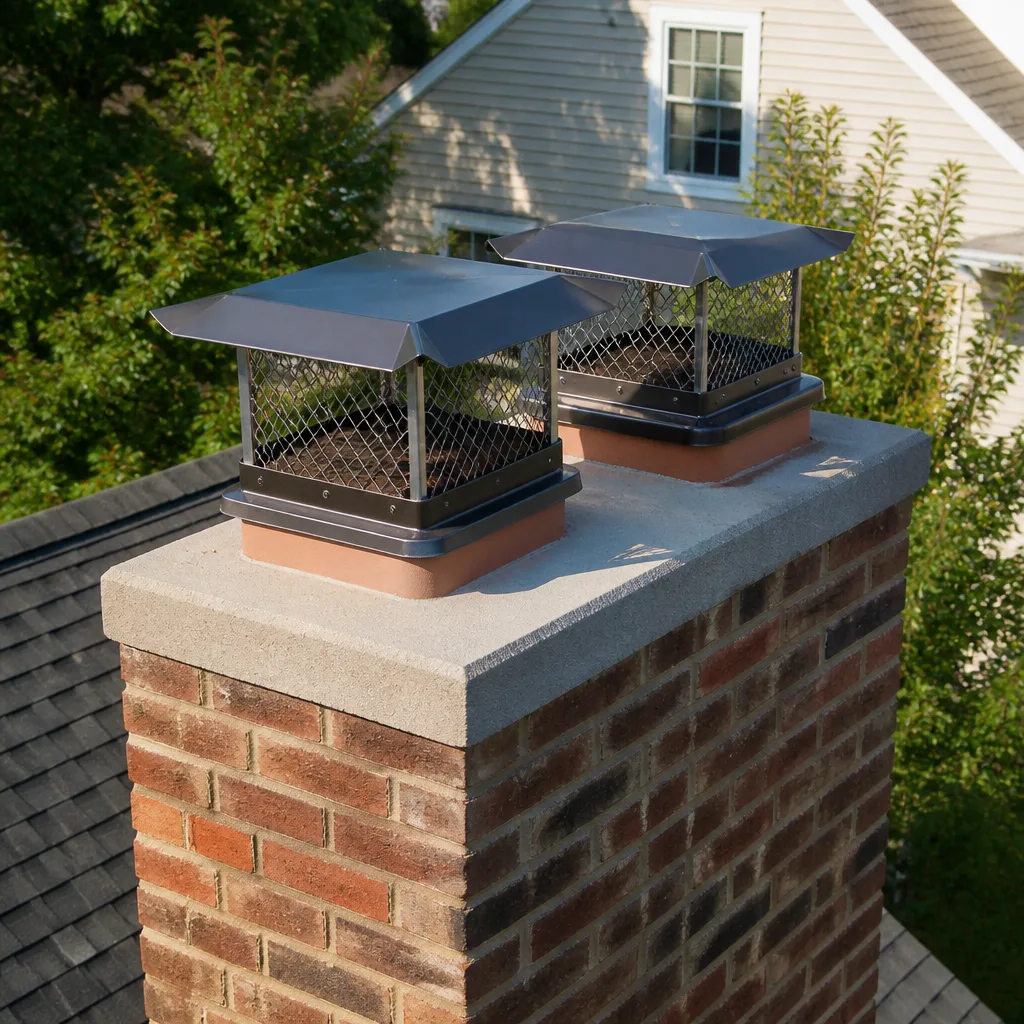 Caps & crowns
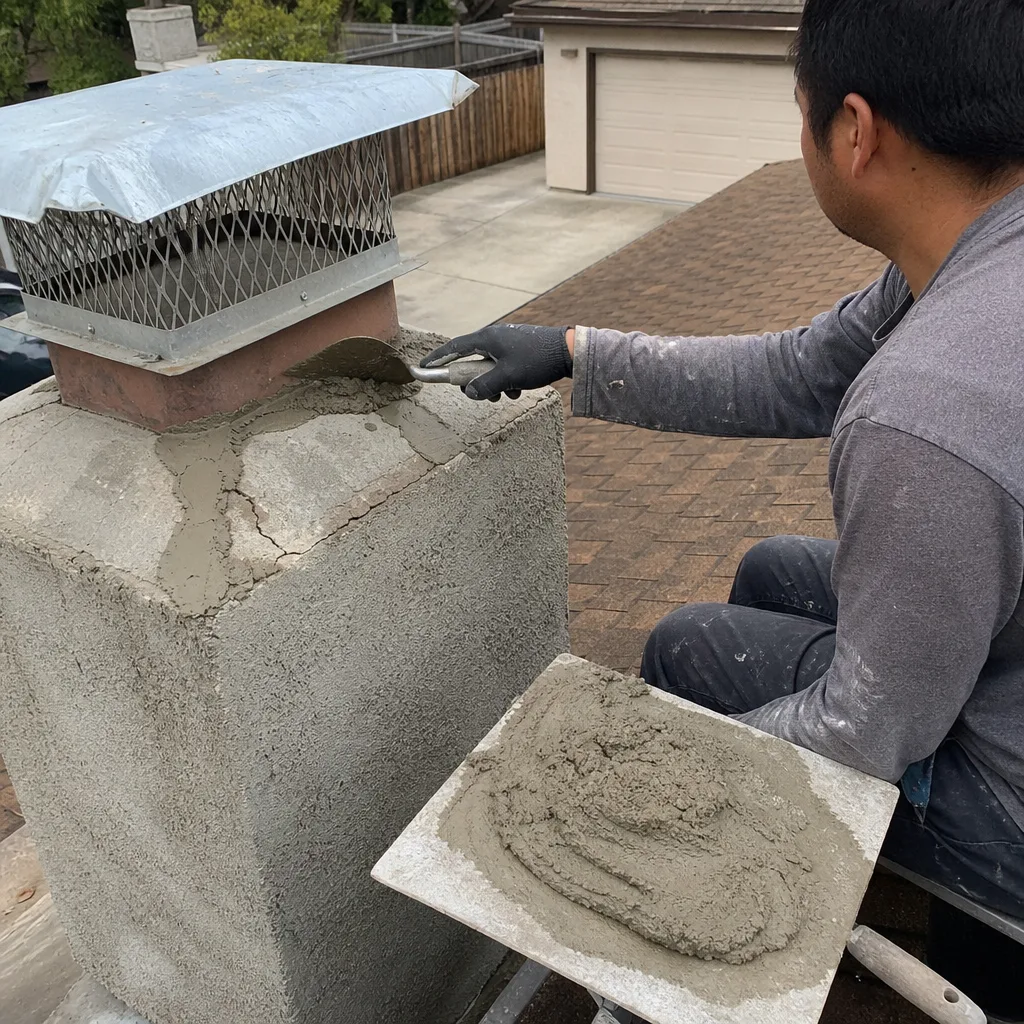
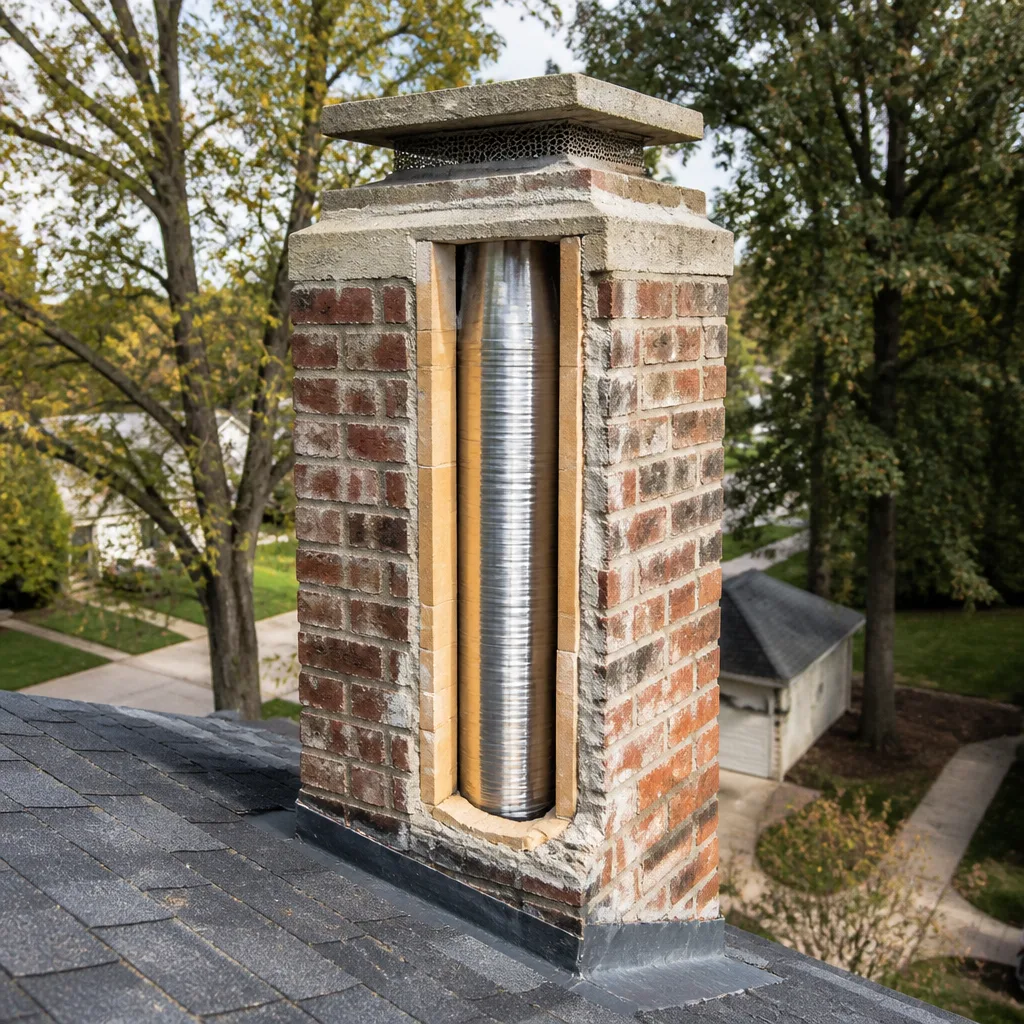 Flue relining
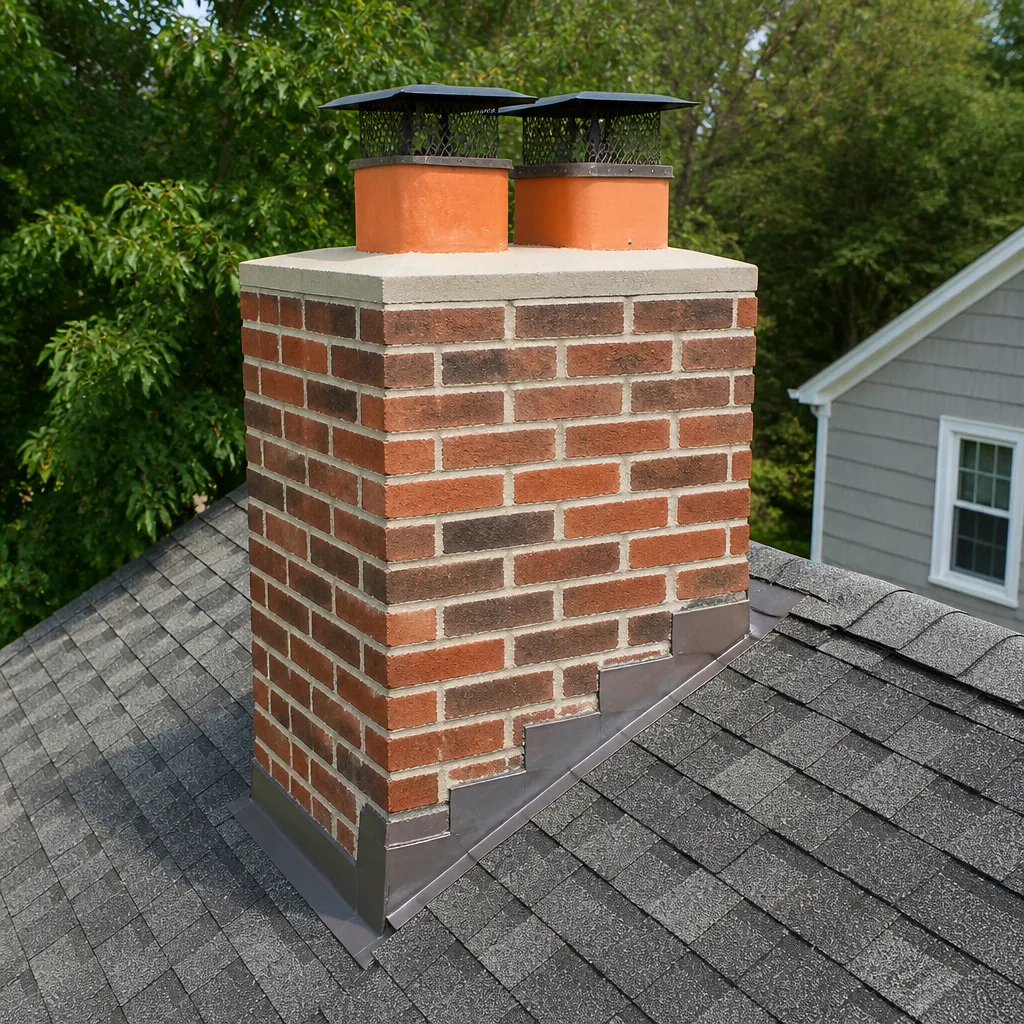 Masonry repair
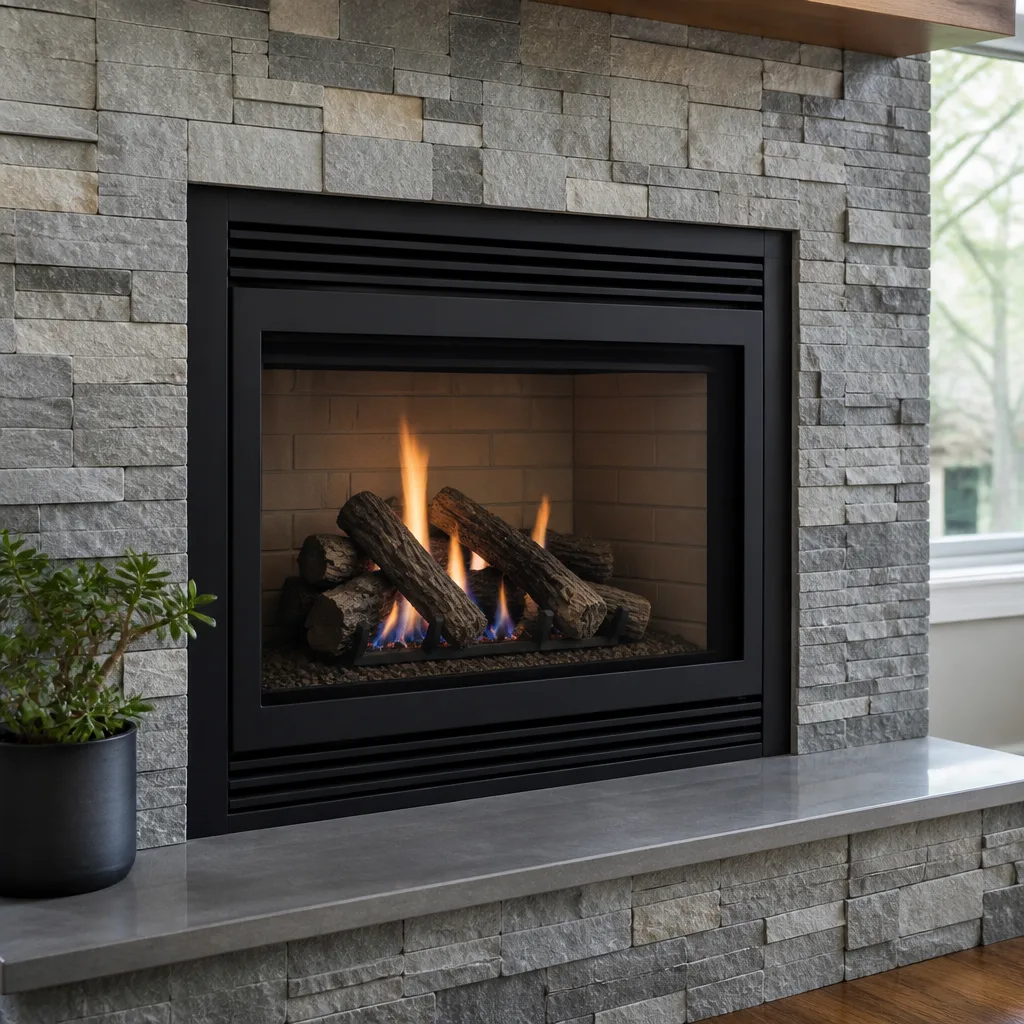 Gas fireplace service
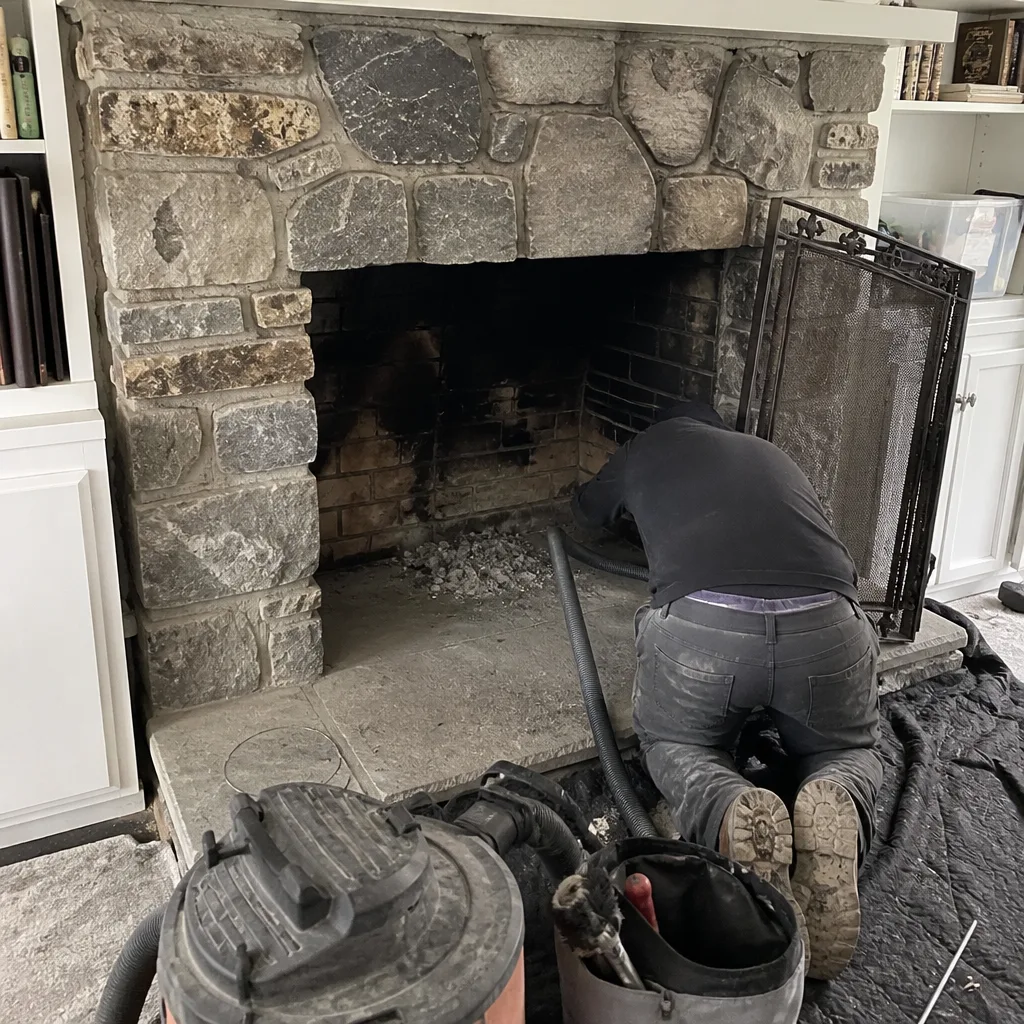
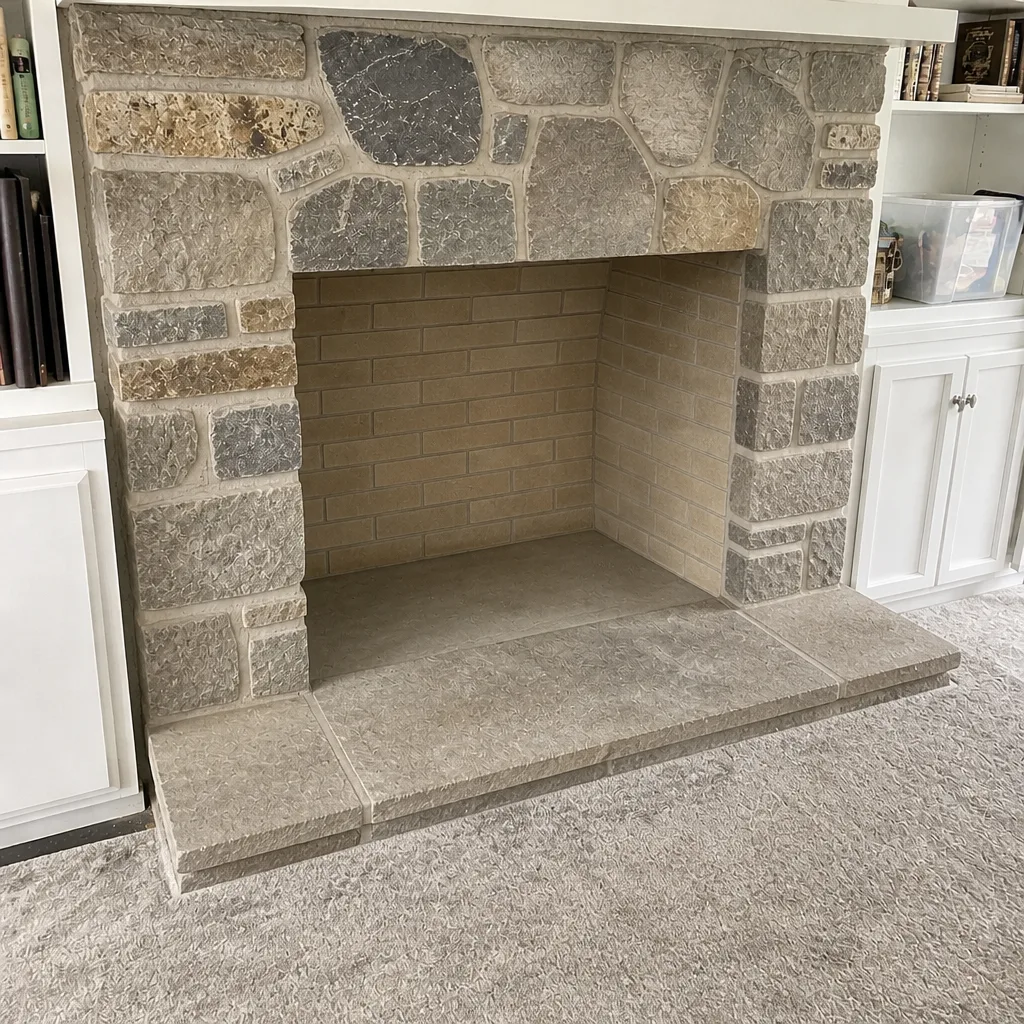
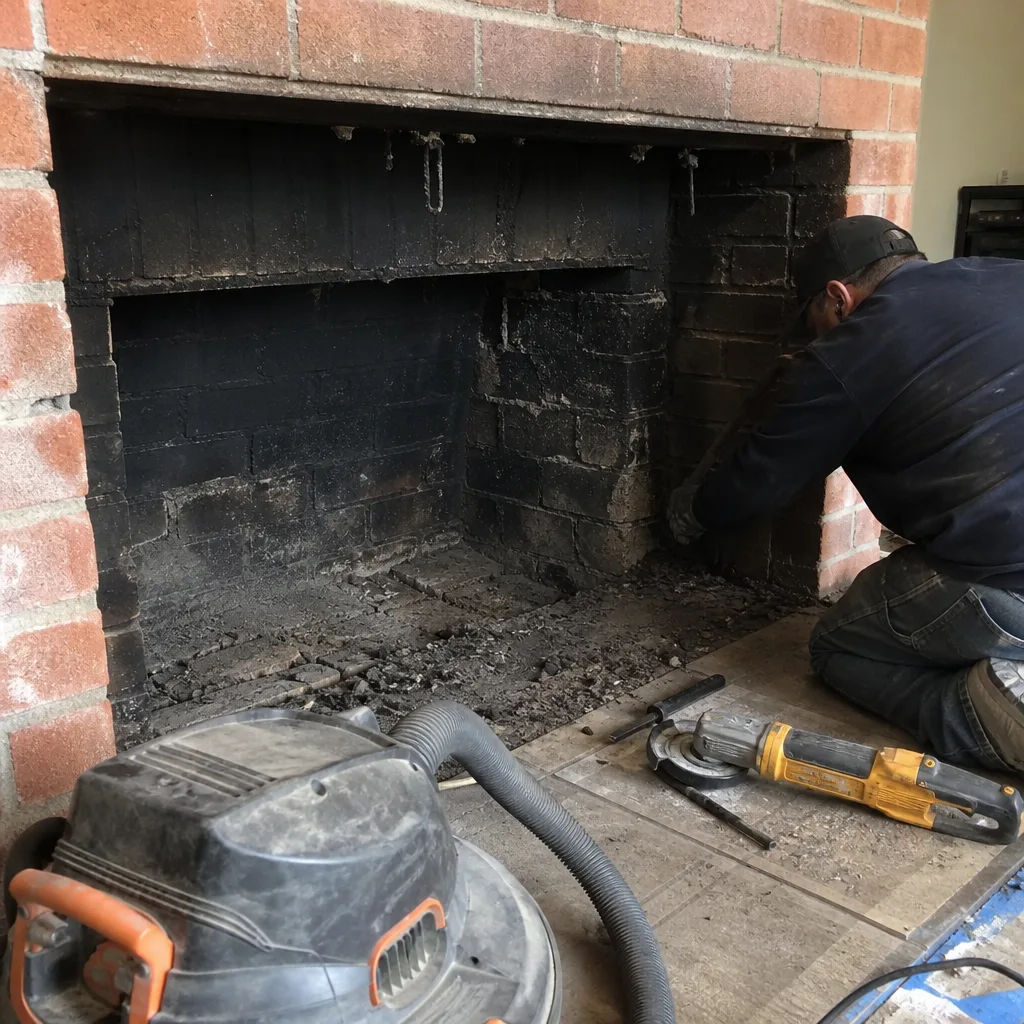
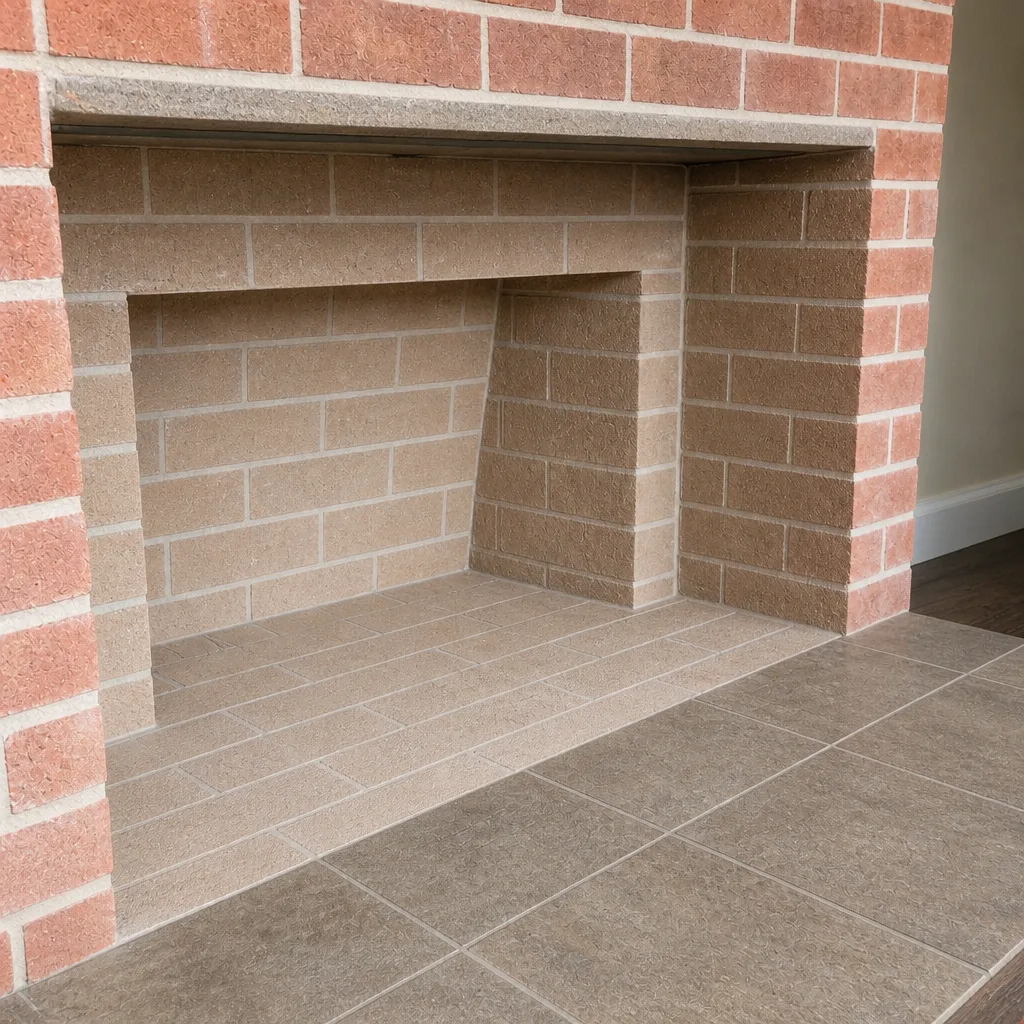
Level 1 sweep and inspection to the NFPA 211 annual standard - flue, crown, cap, and flashing checked and photographed
Chimney sweep logs do not sweep chimneys. They loosen some creosote - which then falls where a brush and vacuum still have to collect it.
Chimney Cleaning Permits, Codes & Inspections in Santa Rosa, CA: What You Need to Know
Here’s the part most homeowners get backwards: a routine chimney cleaning in Santa Rosa almost never needs a permit, yet the paperwork matters more than the sweeping. People assume that because cleaning is exempt, everything else is too. Then a reline gets done without one, and years later it surfaces in a title report, an insurance claim, or a buyer’s inspection. This guide walks through where the line sits between cleaning and permitted work, how the California Building Code and NFPA 211 apply on top of City of Santa Rosa rules, what a Level 2 inspection means in a real estate transaction, and how all of it feeds into insurance and resale disclosure. We’ll keep it plain.
Quick Answer
Routine chimney sweeping in Santa Rosa does not require a building permit, but structural repairs, relining, and changes to a wood-burning appliance or its venting generally do. A Level 2 inspection is the standard most buyers, sellers, and insurers expect when a property changes hands or a flue system is altered, and unpermitted work becomes a disclosure obligation when you sell. When in doubt, ask the City of Santa Rosa Building Division before the work starts, not after.
Styles & brands we work with
- Sweep & inspection
- Caps & crowns
- Flue relining
- Masonry repair
- Gas fireplace service
Table of Contents
- Which Chimney Services Are Permit-Exempt in Santa Rosa?
- When Does Chimney Work Trigger a City of Santa Rosa Permit?
- How California Building Code R1003 and NFPA 211 Work Together
- What a Level 2 Inspection Means for Real Estate Transactions
- How Unpermitted Chimney Work Affects Insurance Claims
- Sonoma County Air Quality Rules and Wood-Burning Appliance Changes
- Inspection vs. Sweep: Why They’re Different Services
- Common Mistakes to Avoid
- When to Call a Professional
- Frequently Asked Questions
Which Chimney Services Are Permit-Exempt in Santa Rosa?
The short answer: cleaning and visual inspection are exempt. Routine maintenance that removes creosote, soot, and debris from an existing flue does not alter the structure of the building or the venting system, so it falls outside the permit process. You should still get a receipt and a written report, because those documents become your record if a question ever comes up later.
Here’s what typically sits in the exempt column for a Santa Rosa home:
- Standard chimney sweep – brushing and vacuuming of an existing firebox and flue, with no alteration to the liner or cap.
- Visual inspection (Level 1) – an accessible, no-tools check of the firebox, damper, and visible flue from the hearth or roof.
- Level 2 camera inspection – a video scan of the interior flue with still photos in the report. On its own it’s diagnostic work, not construction.
- Minor cap and screen replacement – swapping a damaged cap for a like-for-like unit. Cosmetic or like-for-like replacement of an existing component generally does not require a permit, though a full cap-to-crown rebuild is a different story.
- Damper cleaning and lubrication – service of an existing damper without removing or modifying the assembly.
Notice that all of these are adjustments to an existing chimney rather than changes to it. That’s the dividing line. The moment you’re modifying the flue, replacing the liner, or changing what’s attached to it, the calculus changes. If you’re unsure which side of the line your job falls on, a chimney inspection is the right first phone call, not a permit application. The inspection tells you what’s actually wrong before you spend time navigating paperwork for work that may not be necessary.
When Does Chimney Work Trigger a City of Santa Rosa Permit?
Work that changes the structure, venting capacity, or fire-safety characteristics of a chimney generally needs a permit before the work begins. That includes relining, removing or rebuilding a chimney, changing the flue size, converting between fuel types, and replacing a wood-burning appliance. The reason is simple: a permitted job gets inspected by the city at defined stages, creating an independent record that the work was done to code.
These are the categories that commonly trigger a permit in Santa Rosa:
- Full relining – installing a new stainless liner system inside an existing chimney, or changing from a clay tile liner to a listed liner.
- Liner system replacement – pulling a failed liner and installing a new one. Materials like DuraFlex and Copperfield liner systems are what specialists use for this work, and the installation itself is what falls under permit review.
- Flue resurfacing with HeatShield – when a resurfacing system is used to restore a cracked flue, the manufacturer’s listing and the local inspector’s sign-off both apply. This sits closer to repair than cleaning, so confirm with the Building Division.
- Chimney removal or height reduction – any structural change to the chimney stack.
- Wood stove or fireplace insert installations and replacements – a new appliance means new venting and a new listing that has to match.
- Conversion from wood to gas or pellet – different fuel, different venting requirements, usually a permit.
The steps for a permitted job typically look like this:
- Confirm the scope in writing – have the contractor spell out what’s being replaced or altered, and identify the permit category.
- Apply with the City of Santa Rosa Building Division – most chimney permits are pulled by the contractor, and you should ask for the permit number.
- Schedule inspections at the defined stages – rough-in and finish inspections are common for liner work, depending on the job.
- Keep the final inspection card and photos – these become part of your property file, and they help when you sell.
If a contractor says a reline doesn’t need a permit, ask them to put that in writing. Sometimes they’re right; often they aren’t. Either way, you want the answer on record before the first screw goes in.
How California Building Code R1003 and NFPA 211 Work Together
Two documents govern chimney work in California, and they overlap: the California Building Code Section R1003, which sets masonry fireplace and chimney rules, and NFPA 211, the national standard for chimneys, fireplaces, vents, and solid fuel appliances. Local amendments layer on top. Practically, this means the code you have to meet isn’t purely federal, state, or local. It’s all three, with whichever is strictest controlling.
What each one actually does:
- California Building Code R1003 covers construction requirements for masonry fireplaces and chimneys – clearances to combustibles, flue sizing, hearth extension dimensions, and the crown and cap requirements. When a structure is built or altered, R1003 is the baseline the inspector works from.
- NFPA 211 sets the standards for how chimneys are cleaned, inspected, and repaired, including the three levels of inspection and the requirements for liner listing and installation. It’s also where the criteria for a “properly vented” appliance come from.
- Local amendments – Santa Rosa, like most California cities, adopts the state code with local amendments. Those amendments can add requirements on top of R1003 or NFPA 211, particularly around seismic bracing and wood-burning appliance restrictions.
The parts of R1003 that most affect Santa Rosa homeowners are the clearance and crown requirements. A chimney flue has to maintain a defined clearance from combustible framing, and the crown has to shed water away from the top. Winter rain in Sonoma County doesn’t freeze a chimney the way cold-climate codes assume, but it does drive moisture into cracked mortar and a failed crown, which is why water intrusion is the most common cause of chimney deterioration in Santa Rosa homes. A crown that looks fine from the ground often isn’t.
Where the codes most often get tested is around the liner. R1003 assumes a masonry liner that meets certain thermal requirements; NFPA 211 allows a listed liner system (which is what a stainless liner or a HeatShield resurfacing system is) as an approved alternative when the original liner fails. If your chimney has a cracked clay tile flue, the choice between resurfacing and relining is a code question as much as a repair question. HeatShield ceramic resurfacing is an option when the flue’s structure is intact enough to support it, which is why the inspection has to come first.
What a Level 2 Inspection Means for Real Estate Transactions
When a Santa Rosa home changes hands, the standard most buyers, sellers, and their agents settle on is a NFPA 211 Level 2 inspection. That’s a video scan of the entire flue interior plus the accessible portions of the exterior, with a written report and photographic evidence. It’s the level required whenever a property is sold, an appliance is changed, or a chimney has had a building fire, earthquake, or other event that may have damaged the flue.
Here’s what the Level 2 inspection gives you in a transaction:
- A written report – not a verbal “looks okay.” The report documents what was found, what it means, and what (if anything) should be done.
- Photo and video evidence – stills of the flue interior and the exterior components so the reader can see what the inspector saw.
- A clear recommendation – replacement, repair, resurfacing, or “no action needed.” A good report tells you when work can safely wait.
- A document that stands up – to the buyer’s lender, the buyer’s insurer, and the title company, all of whom may want to see something in writing.
In our experience, the biggest value of a Level 2 in a real estate transaction isn’t finding problems. It’s confirming that a chimney has no problems, so a buyer’s inspector doesn’t flag it later and reopen the negotiation. For a seller, that same report becomes proof in the disclosure packet. For a buyer, it’s your chance to see the inside of the flue yourself before you own it.
The report also matters at resale. Under California’s real estate disclosure rules, material facts about the property have to be disclosed to a buyer, and unpermitted work that affects safety or value is a material fact. That’s the counterintuitive part most homeowners miss: a reline done without a permit doesn’t disappear when the scaffold comes down. It becomes something you have to disclose, or fix out of your own pocket when the buyer’s inspector finds it.
How Unpermitted Chimney Work Affects Insurance Claims
If a house fire starts in or near the chimney, the first thing your insurer will ask for is documentation that the chimney was properly maintained and any repair work was done to code. Unpermitted liner work or a reline installed without inspection can complicate that conversation in ways that surprise homeowners. The claim may still be honored, but the process gets longer and the outcome less certain when the record is thin.
The documents insurers typically want to see:
- A Level 2 inspection report – ideally recent, ideally with photos and video stills of the flue interior.
- Permit records – for any reline, structural repair, or appliance replacement, the permit number and final inspection card.
- Sweeping receipts – proof the chimney was maintained on a normal schedule, not just at the moment of a problem.
- Appliance documentation – the listing plate for the wood stove or insert, matching the venting system.
The best time to collect that documentation is before you need it. An annual inspection report filed with your homeowner records does more for an insurance conversation than a stack of receipts after a claim. That’s one reason we treat inspection as a stand-alone service in Santa Rosa rather than a checkbox before a sweep: the report is what the insurer wants, and the sweep is what the chimney needs.
None of this means unpermitted work voids every policy. It means the documentation matters, and the burden is on you to produce it. Get the permit, keep the report, and the conversation at claim time is much simpler.
Sonoma County Air Quality Rules and Wood-Burning Appliance Changes
Santa Rosa sits inside the jurisdiction of the Bay Area Air Quality Management District (BAAQMD), which regulates wood-burning appliances and sets the rules for when a wood fire or a pellet appliance can be used. Sonoma County works with the district on wood smoke and air quality issues, and there are rules on both the appliance itself and how it gets changed out. If you’re replacing a wood stove or converting a fireplace, that’s one more layer on top of the building code.
What this means in practice:
- New appliance installations must use a certified appliance and a venting system listed for that appliance. The certification is part of the permit review.
- Appliance replacements generally require a permit and may trigger air district paperwork, so plan the replacement before the old unit comes out.
- Burn restrictions apply on certain air-quality days – not a permit issue, but a reason to know which days you can actually burn before you invest in an appliance.
The county-level rules and the district rules are separate from the building permit, but they touch the same job. A contractor who works in Santa Rosa regularly knows to check both before quoting the job. If they don’t mention it, ask.
Inspection vs. Sweep: Why They’re Different Services
A sweep removes creosote and debris from an existing flue. An inspection tells you whether the flue is safe to use in the first place. Both belong on a maintenance schedule, but they answer different questions, and one isn’t a substitute for the other. Every sweep should be preceded by at least a visual check, and every significant repair should be preceded by a Level 2 camera inspection. The camera is what turns “the flue looks fine from the roof” into a document you can hand to a buyer, an insurer, or a contractor.
Our chimney sweep service handles the routine removal of creosote and soot. The inspection service provides the written report, photos, and video. When repair work is needed – a reline, a resurfacing, a cap rebuild – that’s a separate phase, and all three live under the same company so the inspection that identifies the problem and the repair that resolves it aren’t handed off between contractors. Same company, same standard of work.
When a repair does come up, the materials matter. HeatShield ceramic resurfacing is an option when the flue is intact enough to support it, and it can save a homeowner from a full reline. When a full reline is the right fix, we install DuraFlex or Copperfield liner systems, which are professional-grade brands specialists use for the job, not generic components picked up at a hardware store. Repair decisions get made on the inspection evidence, not on the invoice.
Common Mistakes to Avoid
- Assuming “cleaning” and “repair” follow the same permit rules. Cleaning is exempt; relining, resurfacing that alters the flue, and appliance replacement usually aren’t. The line between them matters, and it catches homeowners mid-project.
- Skipping the permit to save a couple hundred dollars. The permit fee is small compared to the resale and insurance problems an unpermitted reline creates. Ask the City of Santa Rosa Building Division what applies to your job; the answer is usually definitive.
- Treating a sweep receipt as an inspection report. They’re different documents. If you’re selling a Santa Rosa home or filing an insurance claim, the report and photos are what you need, not a receipt that says “swept.”
- Letting the buyer’s inspector find unpermitted work first. If you know the chimney was relined without a permit, get the permit or remediate before the sale goes into escrow. Disclosure is legally required for material facts, and unpermitted chimney work is a material fact.
- Hiring a generalist to do liner work. A handyman with a brush can sweep a flue. Liner installation, resurfacing, and code-compliant repair are specialist work, and the materials (DuraFlex, Copperfield, HeatShield) require the right training to install correctly.
- Overlooking BAAQMD rules on appliance replacements. The building permit isn’t the only layer. Air quality rules apply to wood stove changes, and missing them can stall the job mid-install.
- Waiting until winter to think about it. Burn season in Santa Rosa runs through the cool months. Scheduling an inspection in the fall, before the first cold snap, is far easier than finding a spot in December.
When to Call a Professional
Call a specialist when you’re buying or selling a Santa Rosa home and need a Level 2 inspection for the transaction. Call when you’ve had a chimney fire, even a small one, or when the flue has been damaged by an earthquake. Call when you’re replacing a wood stove, installing an insert, or converting a fireplace, so the permit and the air quality paperwork are handled before the appliance comes in. Call when you see cracked tiles in the firebox, water staining on the chimney breast, or mortar crumbling at the crown. And call for your annual cleaning so the chimney you actually use is the one that’s actually safe.
If you’re not sure whether your situation needs a professional, it usually does. Santa Rosa Chimney Cleaning offers free estimates in Santa Rosa – call (888) 919-0637. We answer 24/7. Fast dispatch from 7am to 7pm, Sunday through Friday. We’ll tell you what we find, what it means, and when work can safely wait.
Frequently Asked Questions
No. Routine chimney sweeping – brushing and vacuuming an existing flue – doesn’t require a City of Santa Rosa building permit, and neither does a Level 1 or Level 2 inspection. Permits come into play when the work changes the structure, the venting, or the appliance: relining, resurfacing that alters the flue, structural repair, or appliance replacement. If your job is at the boundary, ask the Building Division before the work starts. Call (888) 919-0637 for an inspection that tells you which category you’re in – estimates are free.
A typical chimney sweep in Santa Rosa runs in a range most homeowners can plan for without a surprise, and the written estimate sets the final price before any work begins. The cost depends on the flue’s condition, accessibility, and whether the job includes a camera inspection. Some homes with a straight run and a clean flue cost less; a chimney with heavy creosote or a complicated offset costs more. We don’t price by the clock or by the hour; we quote the job. Call (888) 919-0637 for an exact quote – estimates are free.
Not always. A cracked clay tile flue often can be resurfaced with a HeatShield system instead of relined, and that’s usually the less invasive option when the flue structure is intact enough to support it. In our experience, the answer depends entirely on what the camera sees: a single isolated crack may be a resurfacing job, while a flue that has lost its structural integrity needs a full liner system. Nothing gets recommended without camera evidence you can see for yourself. Call (888) 919-0637 for an inspection and a written recommendation – estimates are free.
A Level 2 inspection is a full video scan of the flue interior plus a visual check of the accessible exterior components, delivered as a written report with photos and video stills. It’s the inspection standard for real estate transactions, insurance claims, and any chimney that has changed or been damaged. It’s a document, not a receipt, and it’s what your buyer’s inspector, your lender, and your insurer will want to see. Call (888) 919-0637 to book a Level 2 inspection in Santa Rosa.
It can. If a fire event traces back to unpermitted or undocumented chimney work, the insurer’s first question will be whether the work was done to code, and the burden falls on you to produce the permit and inspection records. The claim may still be honored, but the process gets longer and less certain without documentation. For a homeowner selling a Santa Rosa property, unpermitted chimney work is also a material fact that has to be disclosed under California real estate rules. Call (888) 919-0637 if you’re unsure what’s on record for your chimney – estimates are free.
Most chimneys used regularly should be swept once a year, and inspected at least once a year. Heavy users – fires most cool nights through the season – may need a mid-season check. The fuel matters too: dry, seasoned wood produces less creosote than green wood, so the sweeping interval depends on how you burn, not just how much. Call (888) 919-0637 to schedule a sweep and inspection together – estimates are free.
The Bottom Line
Chimney cleaning in Santa Rosa doesn’t need a permit. Relining, structural repair, and appliance replacement usually do, and that distinction is what most homeowners get wrong. The California Building Code and NFPA 211 set the technical requirements; the City of Santa Rosa Building Division and the Bay Area Air Quality Management District set the process; and the Level 2 inspection report is the document that ties the whole thing together for a sale, an insurance claim, or a normal annual safety check. Get the inspection first. Get the permit when work requires it. Keep the report. None of it is glamorous, but it’s the difference between a chimney that’s safe and one that just looks safe.
If you need a chimney repair, a sweep, or a Level 2 inspection, our team handles all three under one company so nothing gets handed off. We work with DuraFlex, HeatShield, Gelco, Olympia Chimney, Famco, and Copperfield materials, and our technicians have up to 10 years of experience. Visit our Santa Rosa Chimney Cleaning page for our full service lineup, or call us directly for a free estimate.
Call (888) 919-0637 for a free estimate. We answer 24/7. Fast dispatch from 7am to 7pm, Sunday through Friday.
Written by the team at Santa Rosa Chimney Cleaning.
See the difference
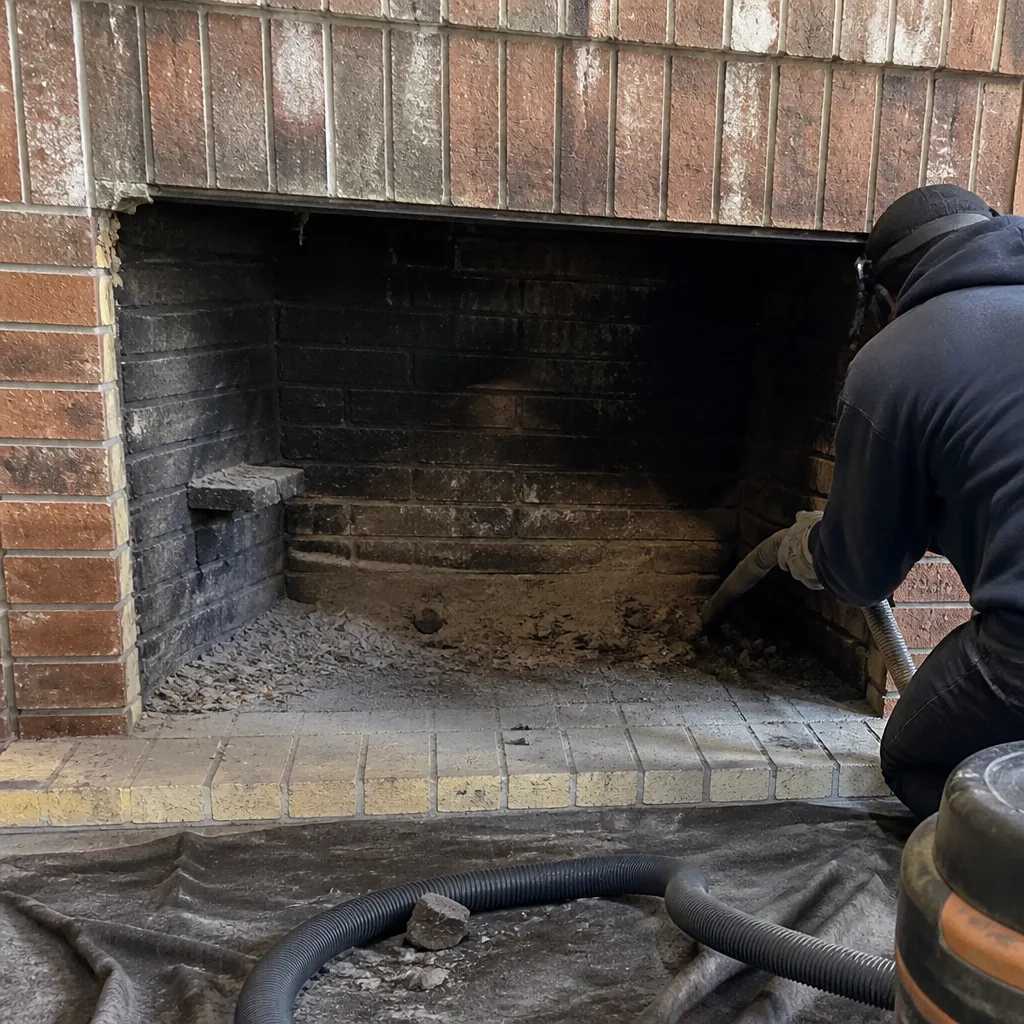 Before
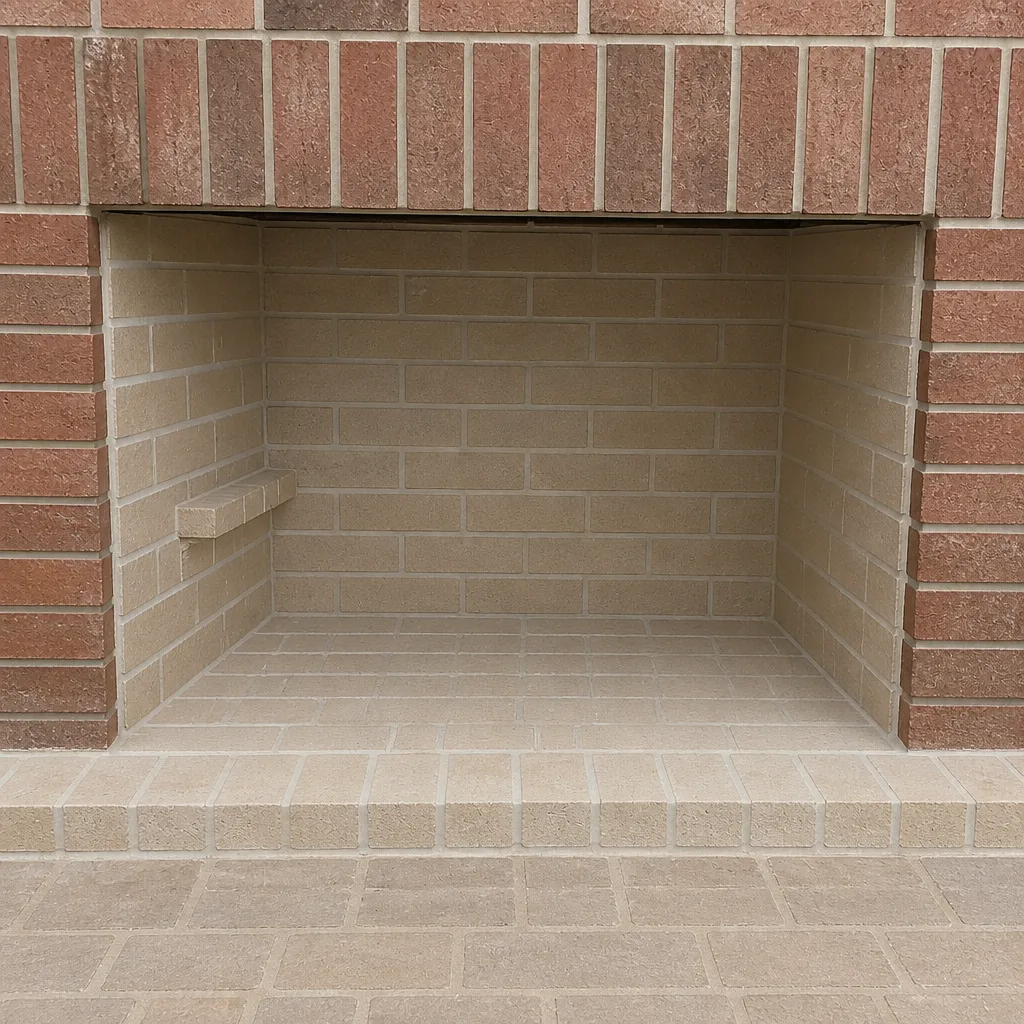 After
 Before
 After
 Before
 After