
Last updated November 15, 2026
 Sweep & inspection
 Caps & crowns
 Flue relining
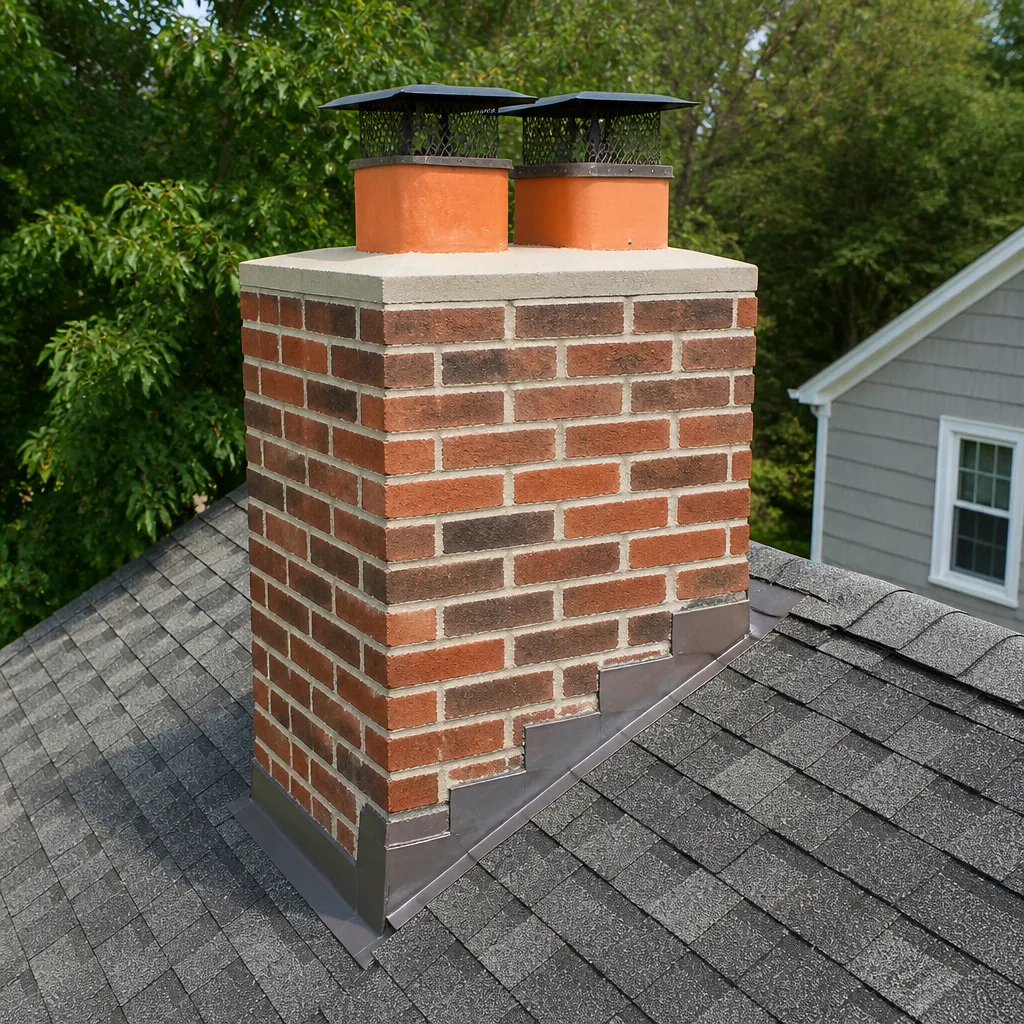 Masonry repair
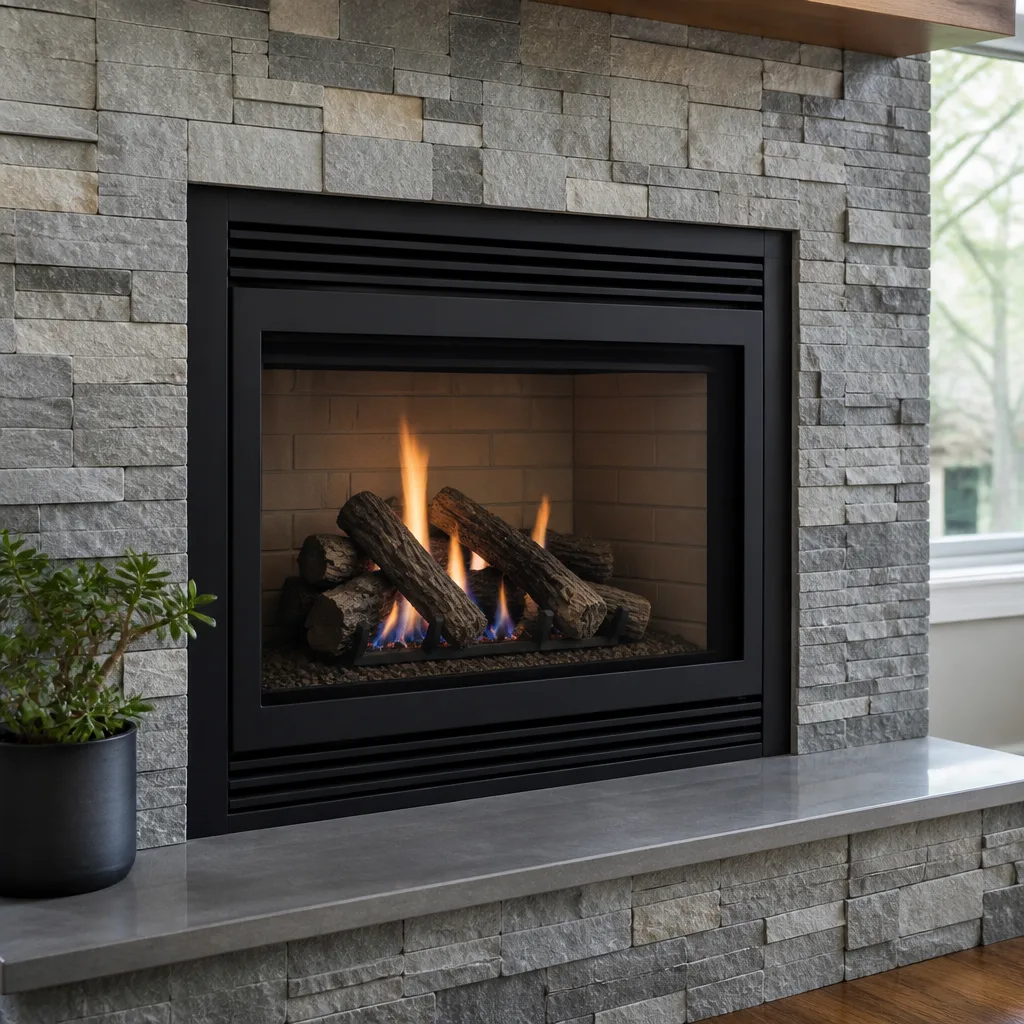 Gas fireplace service
Level 1 sweep and inspection to the NFPA 211 annual standard - flue, crown, cap, and flashing checked and photographed
Chimney sweep logs do not sweep chimneys. They loosen some creosote - which then falls where a brush and vacuum still have to collect it.
Chimney Sweep Maintenance Checklist for Santa Rosa Homeowners
The standard advice is “clean once a year.” That’s correct for exactly one type of chimney in one type of climate, and probably not yours. A Santa Rosa home with a wood-burning fireplace that runs most winter evenings accumulates creosote on a very different schedule than a house with a gas insert that lights up a few times a season. Nearby wildfire smoke, the mild but wet winters we get here, and the way you actually use your hearth all change what a maintenance checklist should look like. This guide walks you through a checklist built around real use patterns rather than the calendar, covering what you can safely check yourself, what needs a trained eye, and what to document between visits.
Quick Answer
A chimney maintenance checklist for Santa Rosa homeowners should be built around burn volume, not a fixed annual date. Wood-burning fireplaces used regularly through winter generally need a professional sweep once creosote builds up, which for many households means roughly every cord of wood burned. Gas inserts and rarely used fireplaces can go longer between cleanings but still need an annual visual check. Homeowners should check the firebox, damper, and roofline between professional visits, and document what they see so their sweep has a baseline to compare against.
Styles & brands we work with
- Sweep & inspection
- Caps & crowns
- Flue relining
- Masonry repair
- Gas fireplace service
Table of Contents
- Why “Once a Year” Isn’t the Right Rule in Santa Rosa
- Usage-Based Cleaning Thresholds: Cords, Not Months
- Homeowner Visual Checks Between Professional Visits
- Post-Wildfire Smoke Season Checks for Santa Rosa Homes
- What to Document Between Visits
- Seasonal Prep: What You Can Do vs. What Needs a Pro
- What a Professional Sweep and Inspection Actually Covers
- When a Sweep Turns Up Something That Needs Repair
Why “Once a Year” Isn’t the Right Rule in Santa Rosa
Annual cleaning is a useful default because it’s easy to remember. But the underlying principle is that a chimney needs sweeping when creosote has built up enough to be a fire hazard, and how fast that happens depends on how much you burn, what you burn, and how the chimney drafts. A fireplace used every winter evening for four months will load up faster than one used for holiday get-togethers. We’ve seen both kinds of homes across Santa Rosa, and the difference in what a sweep finds can be dramatic.
Santa Rosa’s climate shapes this in a specific way. Winters here are mild, which means many homes burn intermittently rather than continuously. Intermittent burning is actually worse for creosote in some ways: a fire that’s lit, allowed to burn down, and relit later goes through more cool-smoldering cycles than a fire that burns hot for hours. Cool, smoky fires deposit more creosote on the flue walls. So a Santa Rosa household that lights a small fire on chilly evenings might build up deposits faster per cord than a colder-climate household that burns hot fires continuously.
Three things determine how often your chimney actually needs attention:
- How much wood you burn. This is the single biggest variable. Track your cords or face cords.
- How you burn it. Hot, well-seasoned fires produce less creosote than smoldering, green-wood fires.
- What condition the flue is in. A flue with rough surfaces or cracks catches creosote faster than a smooth, sound liner.
The practical takeaway: don’t assume a date on the calendar protects you just because you followed it. And don’t assume you can skip a year because you “hardly used it” if that means a dozen smoky fires with damp wood. What matters is what’s actually on the flue walls, and the only way to know that is to have it inspected and, when needed, swept.
Usage-Based Cleaning Thresholds: Cords, Not Months
Instead of asking “has it been a year,” ask “how much have I burned, and how did I burn it.” Here’s the framework we use when talking with homeowners about whether a cleaning is due. It’s a general guide, not a substitute for an inspection, because no two flues build up identically.
- Under half a cord of well-seasoned wood, burned in hot fires: The flue may not need a full sweep yet, but it still deserves a visual inspection before the season starts and again at the end.
- About one cord of wood: This is the point where many wood-burning households should plan on a professional sweep. Creosote deposition over a full cord of typical use is often enough to warrant cleaning.
- Two or more cords, or any amount of green or unseasoned wood: Plan on a sweep, and have the flue inspected for glaze creosote, which is harder to remove and more hazardous.
- Gas inserts and low-use fireplaces: These produce very little creosote, but they still need an annual inspection to check venting, the cap, and the firebox. Cleaning may only be needed every few years.
If you’re not sure how much you’ve burned, keep a simple log. Note each time you load the wood rack or bring in a face cord. After a season you’ll have a real number, and your sweep can use it to set a realistic cleaning interval instead of guessing.
Two more usage factors matter in Santa Rosa specifically. First, burn quality. Wood that’s been split and dried properly burns hotter and cleaner than fresh-cut wood. If you’re buying wood locally, ask how long it’s been seasoned. Second, burn pattern. Short, frequent, cool fires deposit more creosote than longer, hotter burns. When you do light a fire, let it burn hot enough to keep the flue gases warm, which reduces condensation of creosote on the walls.
Homeowner Visual Checks Between Professional Visits
You don’t need to climb on the roof or reach into the flue to be an effective second set of eyes. A few simple checks between professional visits can catch problems early and give your sweep better information when they arrive. Do these with the fire fully out and the fireplace cold.
- Look at the firebox. Check the firebrick for cracks, crumbling mortar, or missing pieces. Small hairline cracks are common but should be watched; larger gaps or loose brick need professional evaluation.
- Test the damper. The damper should open and close smoothly and sit flush when closed. A damper that sticks, won’t fully close, or rattles is a sign of wear or debris. Don’t force it.
- Check for creosote at the smoke chamber. With a flashlight, look up past the damper as far as you can see. Flaky, crusty, or glossy black buildup is creosote. Note the appearance and roughly where it starts.
- Inspect the cap from the ground. Use binoculars from the yard. Look for a missing or damaged cap, rust, loose screening, or debris like twigs and leaves. A cap that’s fallen off lets water and animals in.
- Look at the roofline and flashing. From the ground, check for staining on the chimney exterior, cracked flashing, or water streaks that suggest a leak.
- Watch for smoke coming back into the room. If a fire smokes into the house instead of drafting up, stop using the fireplace and call a professional. That’s a draft problem that can point to a blockage or a damaged flue.
What you’re looking for isn’t a diagnosis. It’s a record. If you notice the firebox brick looked fine in the fall and shows a new crack in the spring, that’s useful information to share. If you see glossy creosote near the smoke chamber, mention it when you book. These observations help the technician focus the inspection on the right parts of your system.
Post-Wildfire Smoke Season Checks for Santa Rosa Homes
Living in Santa Rosa means living with the reality of wildfire smoke in some years. Even households that don’t burn wood and don’t think of themselves as “chimney” households are affected, because a chimney is an opening into the home. Smoke and airborne ash don’t just pass over the roof; they can settle into caps, screens, and the top of the flue, and they can coat surfaces inside an unused firebox.
Here’s what to check after a significant smoke event in the area:
- The cap and spark screen. Ash and fine debris collect on and in the cap. A clogged screen restricts draft and can pull smoke back into the house when you next light a fire.
- The top of the flue. A visible coating of soot or ash at the flue crown is worth noting, especially if you have a gas insert that vents through the same structure.
- The firebox and smoke shelf. An unused fireplace can collect settled ash and soot on the smoke shelf, which sits just above the damper.
- Odor. A smoky smell that lingers in the room long after outdoor air has cleared often means deposits inside the firebox or smoke chamber.
For homes with gas inserts, the concern is a bit different. Smoke doesn’t travel through a sealed gas vent the way it does through an open wood flue, but the exterior vent termination and cap can still collect debris, and the surrounding masonry or chase can hold odor. An annual inspection catches this before it becomes a nuisance or a draft problem.
If you’re in an area that saw heavy smoke, it’s worth having the cap and firebox inspected even if you haven’t burned a single fire. This is one of the situations where a visual check from the ground isn’t enough, because the problems are on top of and inside the structure. We handle this as part of our inspection service, separate from a routine sweep, so you get a clear answer about whether anything needs attention.
What to Document Between Visits
The single most useful habit for long-term chimney care is keeping a simple record. Chimneys age slowly, and the changes that matter most are often easiest to spot by comparison. If your sweep has last year’s notes, they can tell whether a hairline crack has stayed the same or grown, whether creosote buildup is faster or slower than expected, and whether a repair is holding. Without that baseline, every visit starts from scratch.
Here’s what to record:
- Date and amount of wood burned. Note each time you restock the wood rack. A simple tally is enough.
- Wood source and seasoning. Note whether the wood was kiln-dried, seasoned a year, or green, and where it came from.
- What you saw during visual checks. Firebox, damper, smoke chamber, cap, roofline. A quick note and a phone photo from the ground are plenty.
- Any smoke or draft issues. Note when fires smoke into the room, and under what conditions (cold start, windy day, after a long burn).
- Dates of professional visits and what was done. Keep the inspection report and any photos from the sweep.
- Any repairs. Note what was repaired and when. If a liner was resurfaced with HeatShield or a section of DuraFlex liner replaced, that history matters for future decisions.
This record costs nothing to keep and makes every future visit more productive. It also helps when you sell a home: a documented chimney history is a meaningful asset during a real estate transaction, and a formal inspection report is often what buyers and their agents ask for.
Seasonal Prep: What You Can Do vs. What Needs a Pro
Some chimney maintenance is homeowner work. Some of it genuinely belongs to a trained professional, either because it requires tools and training or because getting it wrong can cause serious harm. Knowing the difference keeps you safe and keeps your system in good shape.
Tasks homeowners can handle
- Clear the firebox of ash. Leave a thin layer of ash as a bed for the next fire, but remove the bulk before the season starts.
- Test the damper by hand. Open and close it fully and note any sticking or looseness.
- Inspect the cap from the ground. Binoculars make this easy without a ladder.
- Keep the roof and cap clear of leaves and debris. From the ground, use a long-handled tool if you can do so safely. Never climb onto a steep or wet roof.
- Check your smoke and carbon monoxide detectors. These are the first line of defense and belong on the same checklist as the chimney.
- Store wood properly. Keep it covered and off the ground, and don’t stack it against the house.
Tasks that require a professional
- Sweeping the flue. Creosote removal requires brushes, rods, and containment. Glaze creosote in particular is difficult and dangerous to handle without the right tools.
- Inspecting the flue interior. A camera inspection reveals cracks, gaps, and deterioration that no ground-level check can show.
- Any repair to the flue, firebox, or masonry. Resurfacing a flue with HeatShield ceramic or installing a DuraFlex liner is skilled work. So is any masonry repair.
- Roof-level work. Getting on a roof to service a chimney is a fall hazard. This is not a do-it-yourself task.
- Diagnosing draft and smoke problems. A smoking fireplace is a symptom with several possible causes, and finding the right one takes experience.
The dividing line is simple: if the task involves the inside of the flue, the roof, or any repair, it’s a job for a professional. If it’s a visual check, a damper test, or keeping the area clear, you can handle it. When in doubt, err toward calling someone.
What a Professional Sweep and Inspection Actually Covers
A professional visit isn’t just running a brush up the flue. A thorough chimney sweep involves several distinct steps, and a formal inspection goes further still. Understanding what to expect helps you judge whether the work is being done properly.
Here’s what a complete sweep typically involves:
- Protecting the home. Drop cloths and containment keep soot out of the living space.
- Cleaning the firebox and smoke shelf. The smoke shelf collects debris and needs clearing.
- Brushing the flue. The correct brush for the flue’s size and material removes creosote from the walls.
- Cleaning the damper and smoke chamber. These areas trap soot and need attention.
- Removing debris from the firebox. Everything swept down is cleaned out and bagged.
- A visual check of the accessible components. Firebox, damper, cap, and flue top.
A formal inspection is a separate service and a step beyond sweeping. It’s what you want when you need a real answer about the condition of the system rather than just a cleaning. A camera inspection lets the technician see the full length of the flue and document its condition with photos. That record matters for insurance compliance, real estate transactions, and annual safety verification. If you’re buying or selling a home in Santa Rosa, a standalone inspection report is often more valuable than a sweep receipt, because it tells you what condition the chimney is actually in.
An inspection also establishes a baseline. If a technician documents the condition of your flue this year, they can compare it next year and flag changes that a single visit might miss. That’s one of the reasons we treat inspection as its own service rather than a checkbox before a sweep. You can read more about our Santa Rosa Chimney Cleaning services and how the three phases fit together.
When a Sweep Turns Up Something That Needs Repair
Most sweeps end with a clean chimney and no further work needed. Sometimes they don’t. Creosote is one issue; a cracked flue liner, deteriorated firebox brick, or a failing damper is another, and those are chimney repair problems. A flue with cracks or gaps is a safety concern because it can let heat and gases reach combustible parts of the house, and it can let carbon monoxide into living spaces.
What’s important is that the repair is based on evidence you can see. A camera inspection with photos gives you a clear picture of the problem and a real basis for deciding what to do. Not every finding requires immediate major work. Some can safely wait, and a good technician will tell you which is which rather than pushing for everything at once.
When repairs are needed, the material matters. We work with professional-grade chimney brands including HeatShield, DuraFlex, Gelco, Olympia Chimney, Famco, and Copperfield. HeatShield ceramic resurfacing is a specific example: it can restore a deteriorating flue without a full liner replacement when the damage is in the right range. Keeping DuraFlex and Copperfield liner systems in inventory means a repair decision can often be made on the job rather than postponed waiting on parts. That’s part of what separates a chimney specialist from a generalist with a brush.
The three phases fit together on purpose. The inspection identifies the problem, the cleaning clears immediate hazards, and the repair resolves the root cause. We inspect it, clean it, and fix it: same company, same standard of work, no handoff to a separate contractor. Our technicians have up to 10 years of experience, and they’re trained on the brands we install.
Common Mistakes to Avoid
- Cleaning by the calendar instead of by use. A family that burns two cords a season and a homeowner with a gas insert don’t need the same schedule. Base the decision on burn volume and what the flue actually looks like.
- Skipping the inspection because the sweep came back clean. A cleaning removes creosote but doesn’t reveal a cracked liner or a deteriorating firebox. The inspection is what tells you about condition.
- Burning unseasoned or green wood. It burns cool and smoky, depositing more creosote per cord than properly seasoned wood. In Santa Rosa, where many fires are short and intermittent, this matters even more.
- Ignoring the cap. A missing or damaged cap lets water, animals, and debris into the flue. It’s one of the cheapest problems to fix and one of the most expensive to ignore.
- Forcing a sticky damper. If the damper won’t move freely, stop and have it looked at. Forcing it can damage the mechanism.
- Climbing on the roof to check the cap yourself. It’s a fall hazard, especially on a wet or steep roof. Use binoculars from the ground instead.
- Not keeping a record. Without a baseline, each visit is judged on its own. A simple log and a folder of inspection reports make every future decision easier.
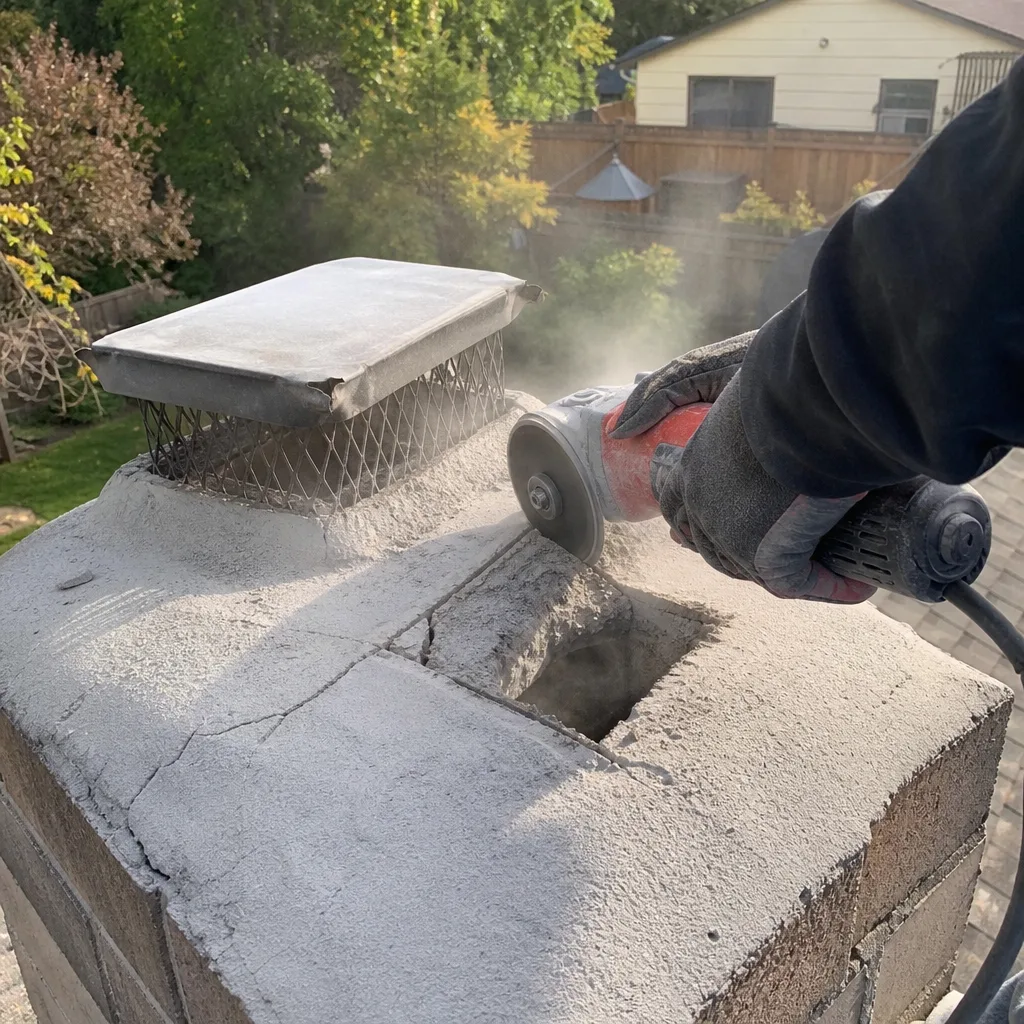
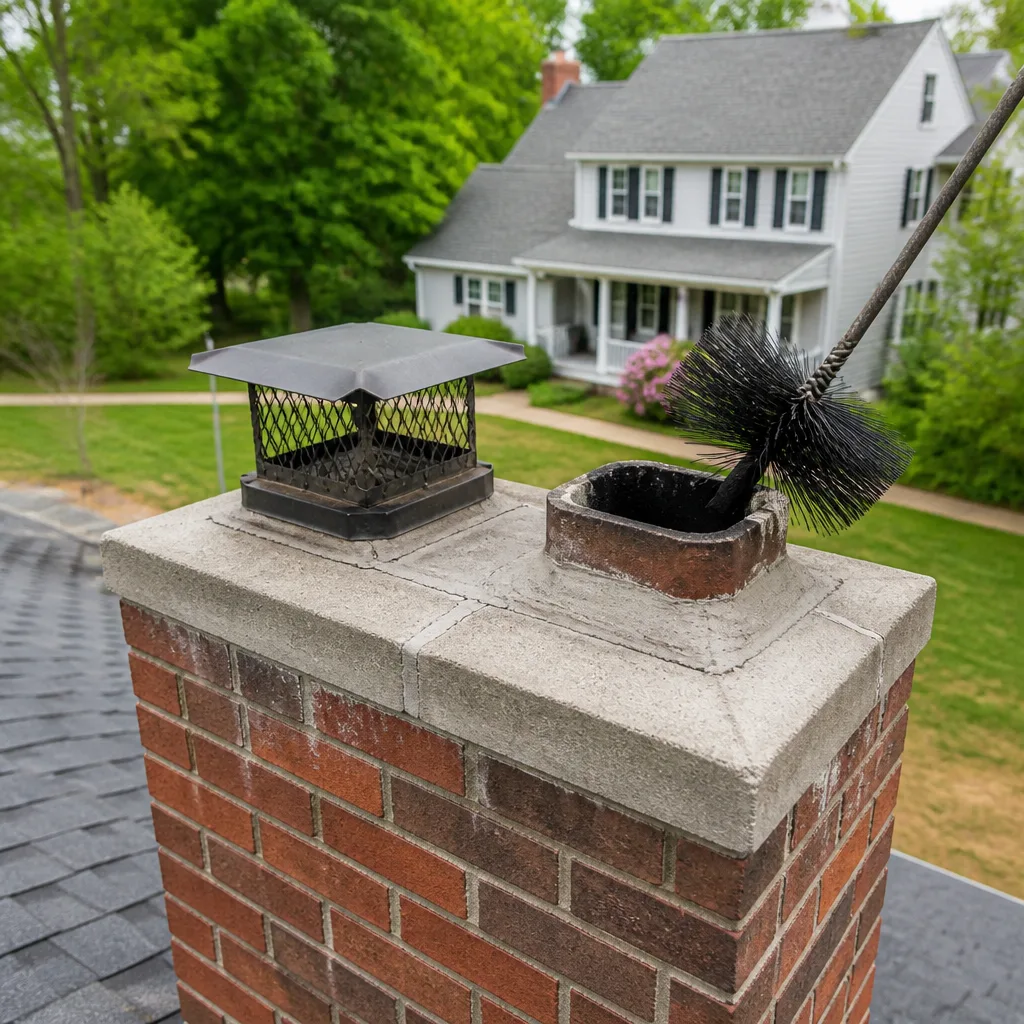
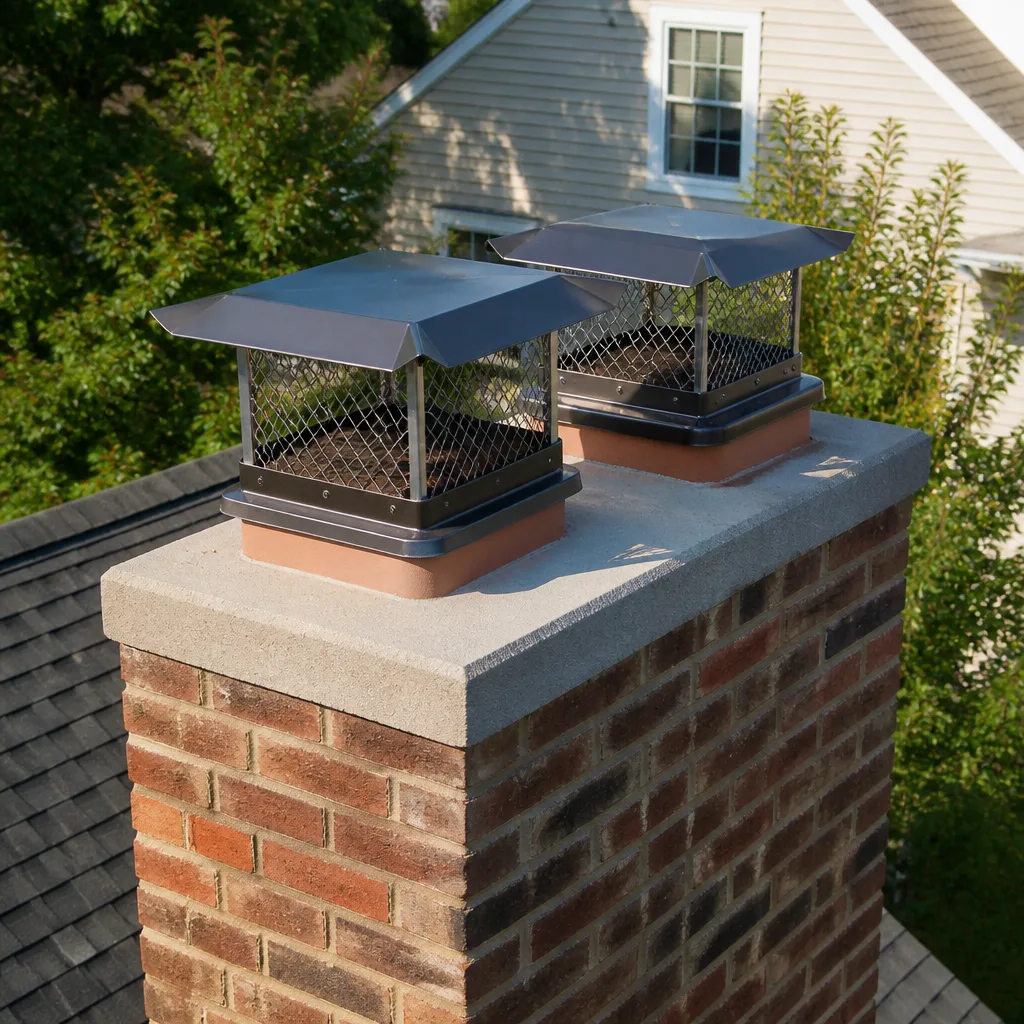
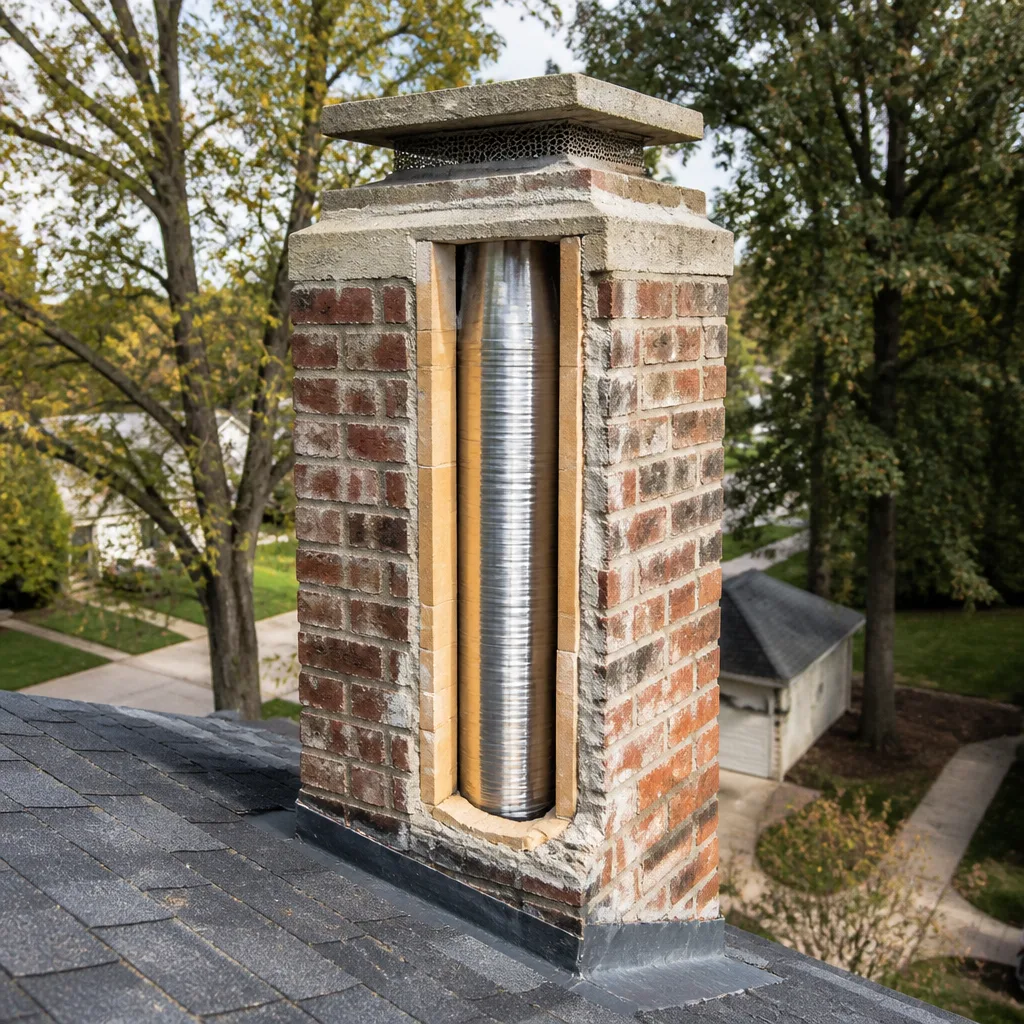
See the difference
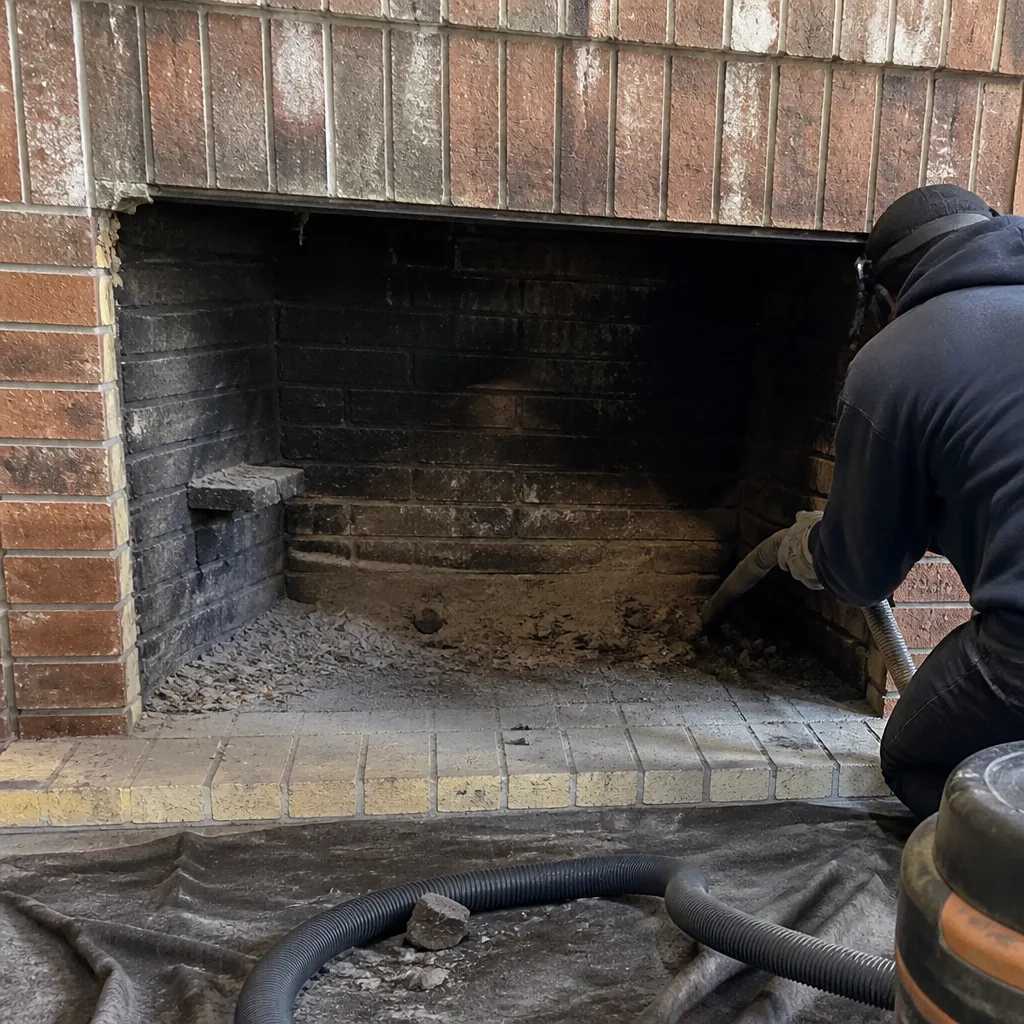 Before
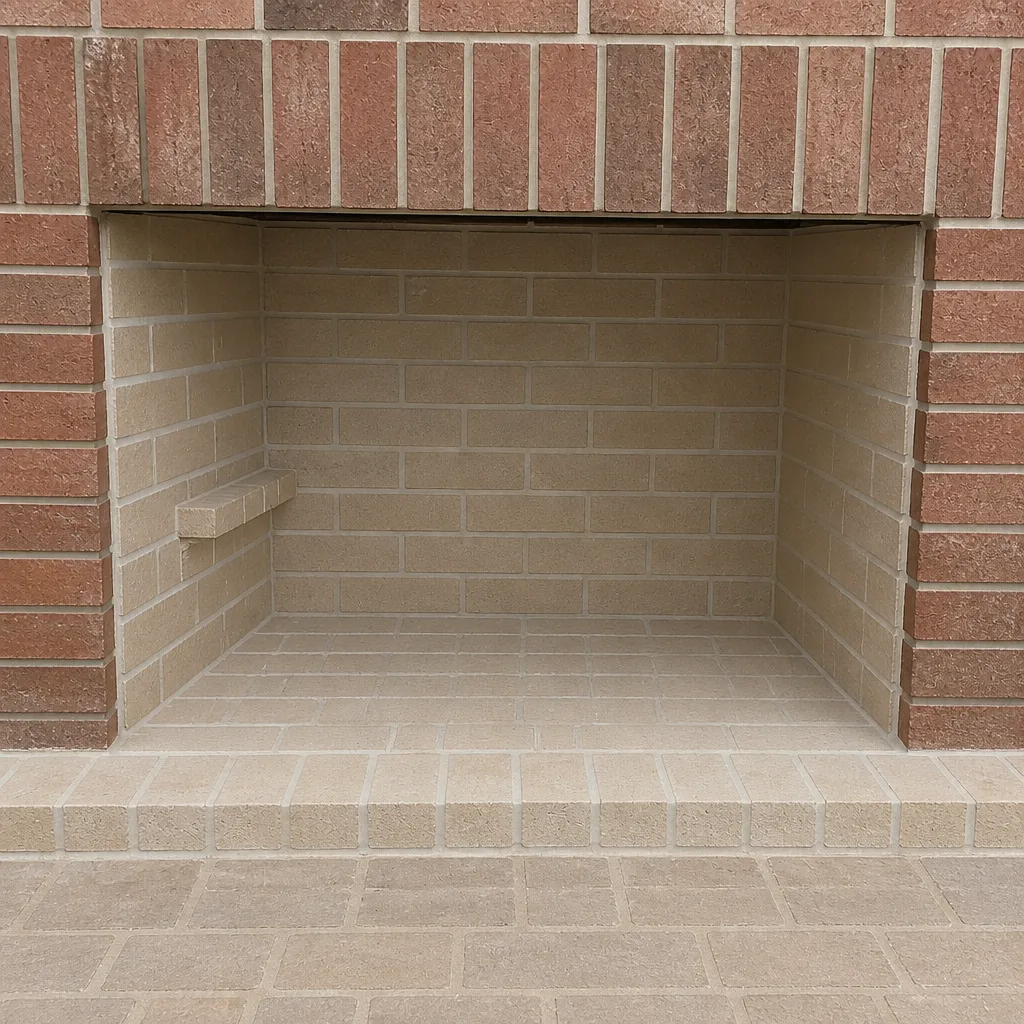 After
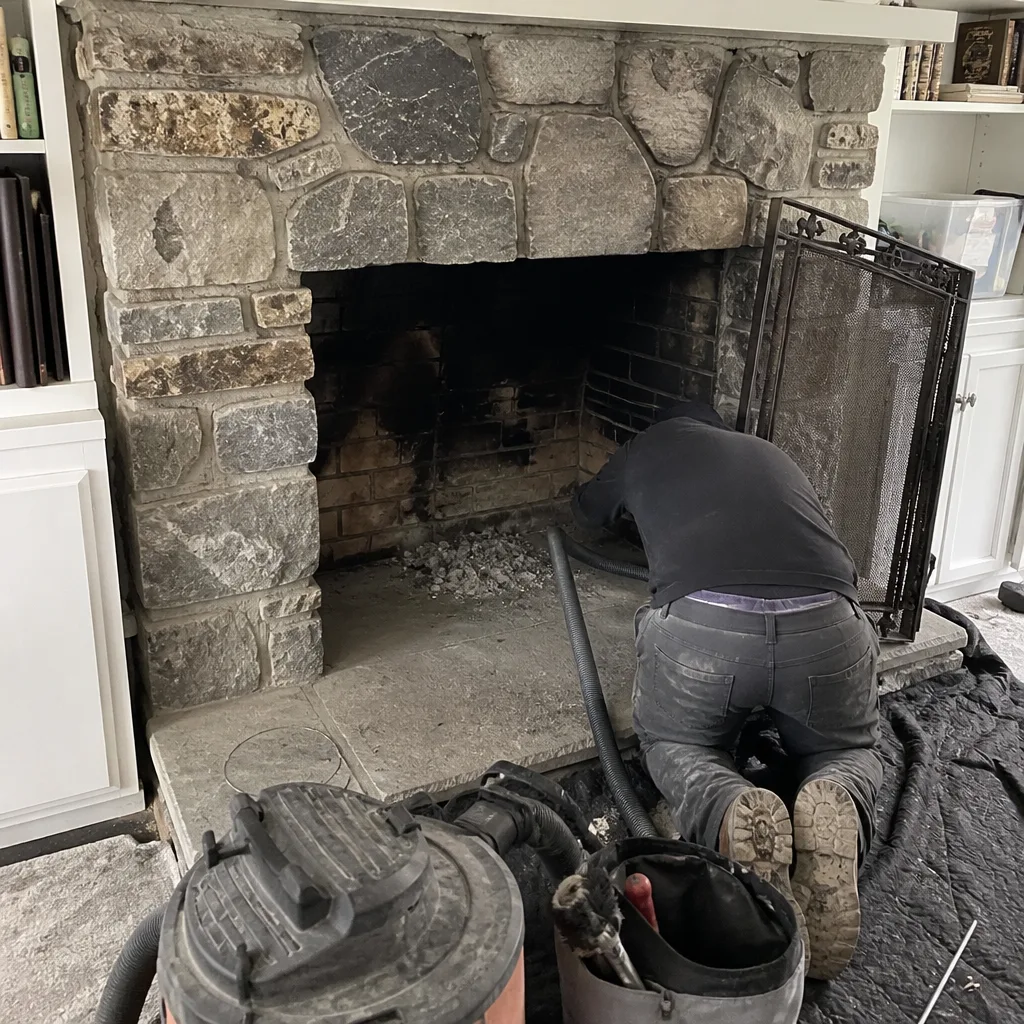 Before
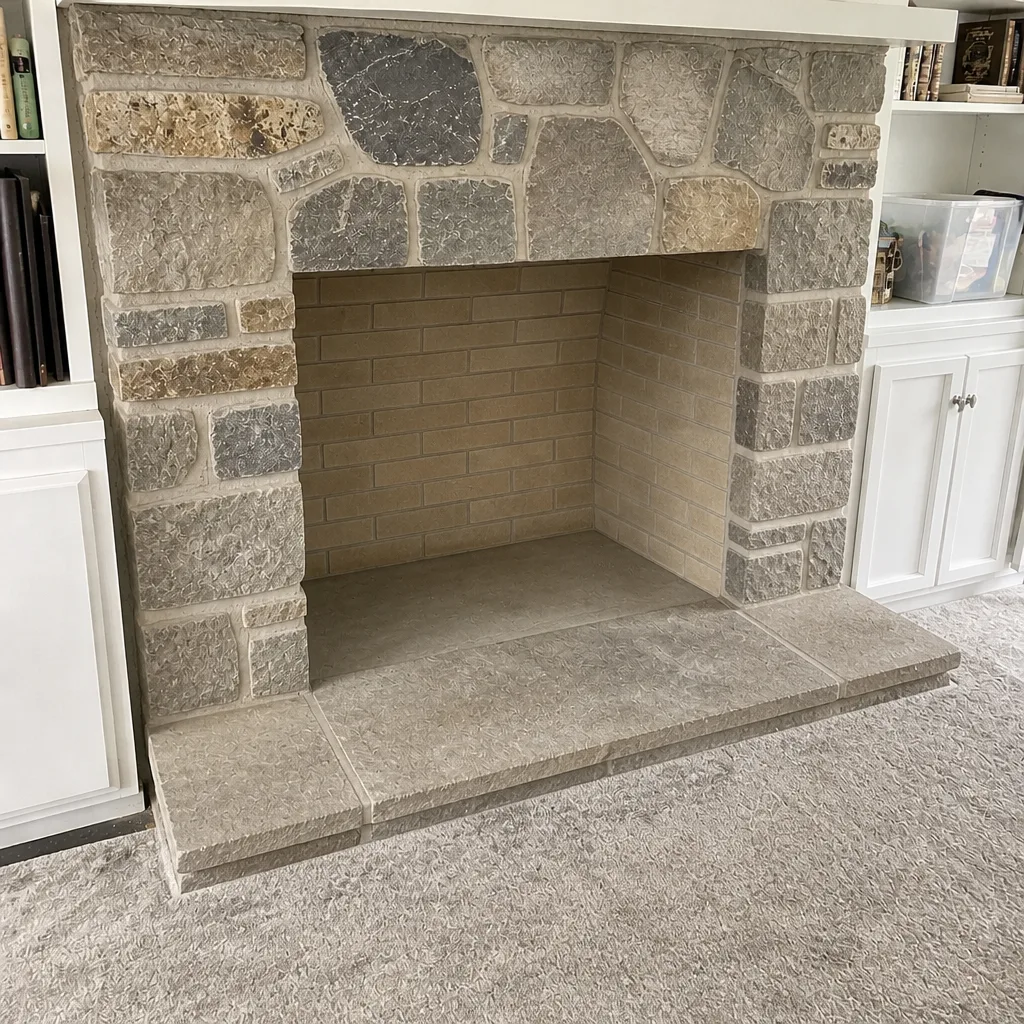 After
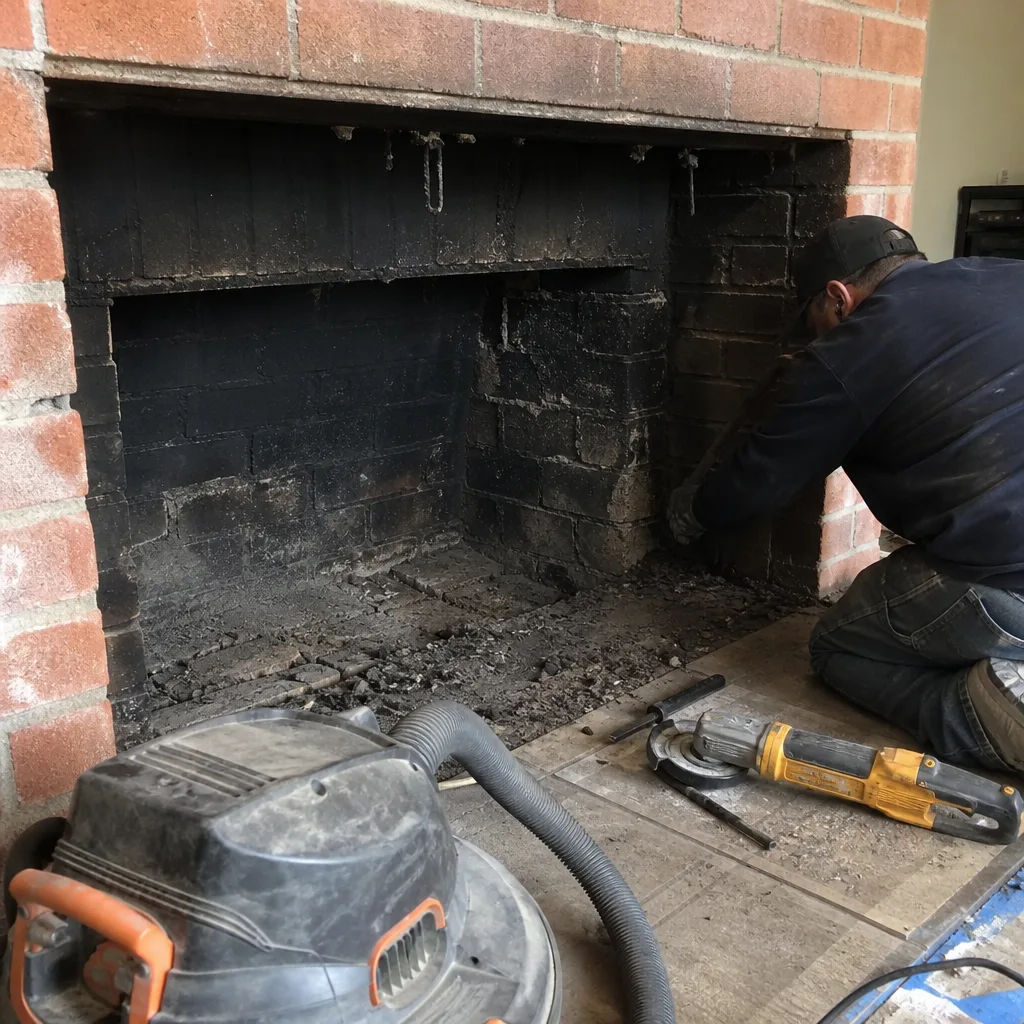 Before
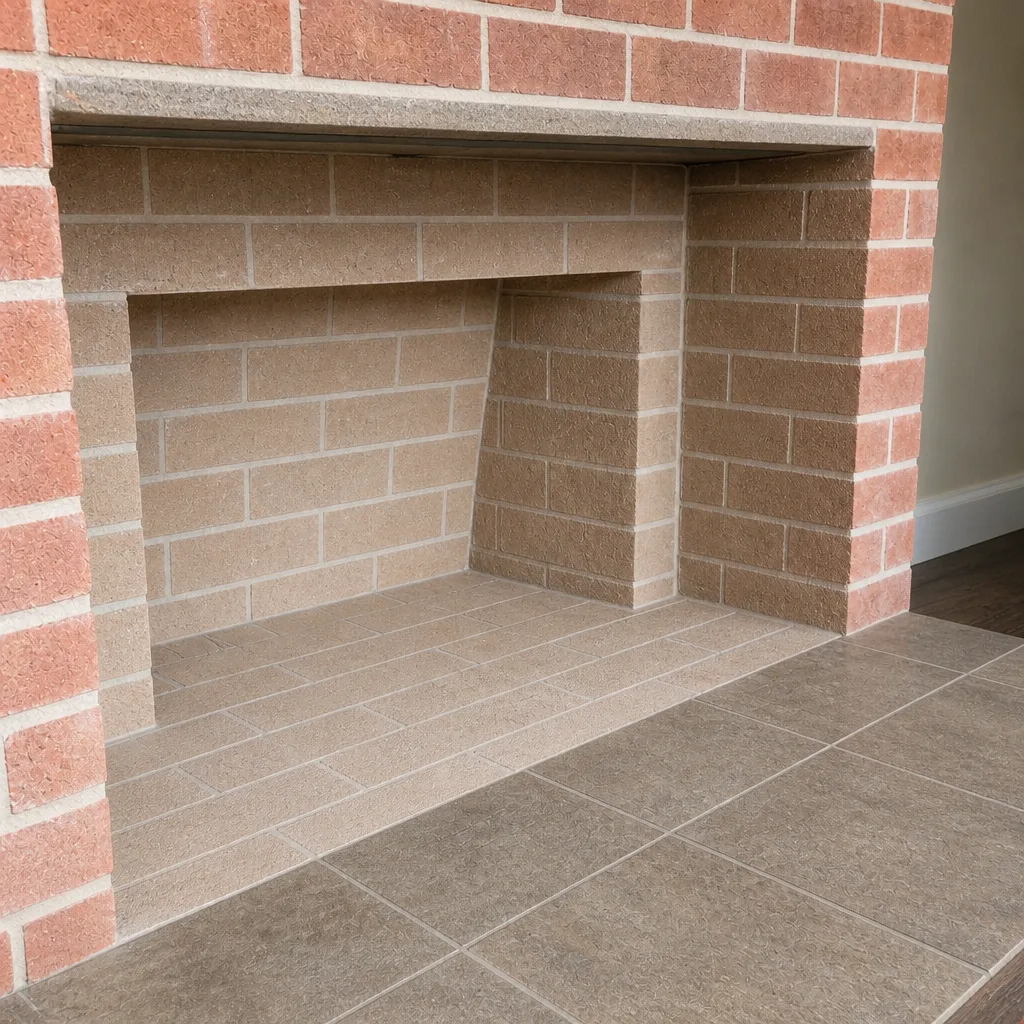 After
When to Call a Professional
Call a professional if a fire smokes into the room, if you smell smoke or a strong creosote odor when the fireplace is not in use, or if you see loose or cracked firebrick, a damaged damper, or a missing cap. Call if it’s been more than a season since the flue was swept and you burn wood regularly, and call before you use a fireplace you haven’t used since buying the home. A formal inspection makes sense before a real estate transaction, for insurance documentation, and once a year as a safety check. If you’ve had significant wildfire smoke in the area, an inspection is worth having even if you haven’t burned a fire. Santa Rosa Chimney Cleaning offers free estimates in Santa Rosa. Call (888) 919-0637. We answer 24/7. Fast dispatch from 7am to 7pm, Sunday through Friday.
Frequently Asked Questions
For wood-burning fireplaces used regularly, most homes should plan on a sweep for roughly every cord of wood burned, with an inspection at least once a year. Gas inserts and low-use fireplaces can go longer between cleanings but still need an annual inspection. The right interval depends on how much you burn and how you burn it, so track your usage and let the inspection confirm. Call (888) 919-0637 for a free estimate.
A cleaning removes creosote, while an inspection tells you about the condition of the flue, firebox, and cap. If you haven’t had the system looked at in a while, or you’re buying a home, or you need documentation for insurance, you want the inspection. A sweep alone won’t reveal a cracked liner. Call (888) 919-0637 to book an inspection and a sweep together.
Yes. Smoke and ash settle on caps, screens, and the top of the flue, and can coat the firebox and smoke shelf even in homes that don’t burn wood. A clogged cap restricts draft and can cause smoke to back into the house. After a heavy smoke season, an inspection is worth having regardless of whether you’ve used the fireplace. Call (888) 919-0637 for a free estimate.
You can check the firebox for cracked or loose brick, test the damper by hand, look for creosote past the damper with a flashlight, inspect the cap from the ground with binoculars, and look for staining or cracked flashing at the roofline. Note what you see and any changes. Anything involving the inside of the flue, the roof, or a repair belongs to a professional. Call (888) 919-0637 when you’re ready to book.
A camera inspection tells you. If the damage is in the right range, HeatShield ceramic resurfacing can restore a deteriorating flue without a full liner replacement. If the flue needs more, a DuraFlex or Copperfield liner system may be the right repair. The inspection and photos give you the basis to decide, and we’ll tell you plainly when a repair can safely wait. Call (888) 919-0637 for a free estimate.
Creosote builds up on the flue walls and is flammable, so a chimney fire becomes more likely the longer it’s neglected. Blockages from soot, debris, or a damaged cap can also cause smoke and carbon monoxide to back into the home. Cracks in the flue can let heat and gases reach combustible parts of the structure. A yearly check catches these issues before they become serious. Call (888) 919-0637 to schedule your inspection.
The Bottom Line
A chimney maintenance checklist for Santa Rosa should be built around your actual use, not a date on the calendar. Track how much wood you burn, burn it hot and well-seasoned, and use roughly one cord as a general threshold for planning a sweep. Check the firebox, damper, cap, and roofline between professional visits, and keep a simple record so each visit builds on the last. After a heavy wildfire smoke season, have the system inspected even if you haven’t burned a fire. And leave the inside of the flue, the roof, and any repair to a trained professional with the right tools and materials.
Contact
If you’re ready to get your chimney on a real maintenance schedule, we can help. Santa Rosa Chimney Cleaning handles sweep, inspection, and repair under one company, using professional-grade brands like HeatShield, DuraFlex, and Copperfield. Call (888) 919-0637 for a free estimate. We answer 24/7. Fast dispatch from 7am to 7pm, Sunday through Friday.
Written by the team at Santa Rosa Chimney Cleaning.