
Last updated November 15, 2026
 Sweep & inspection
 Caps & crowns
 Flue relining
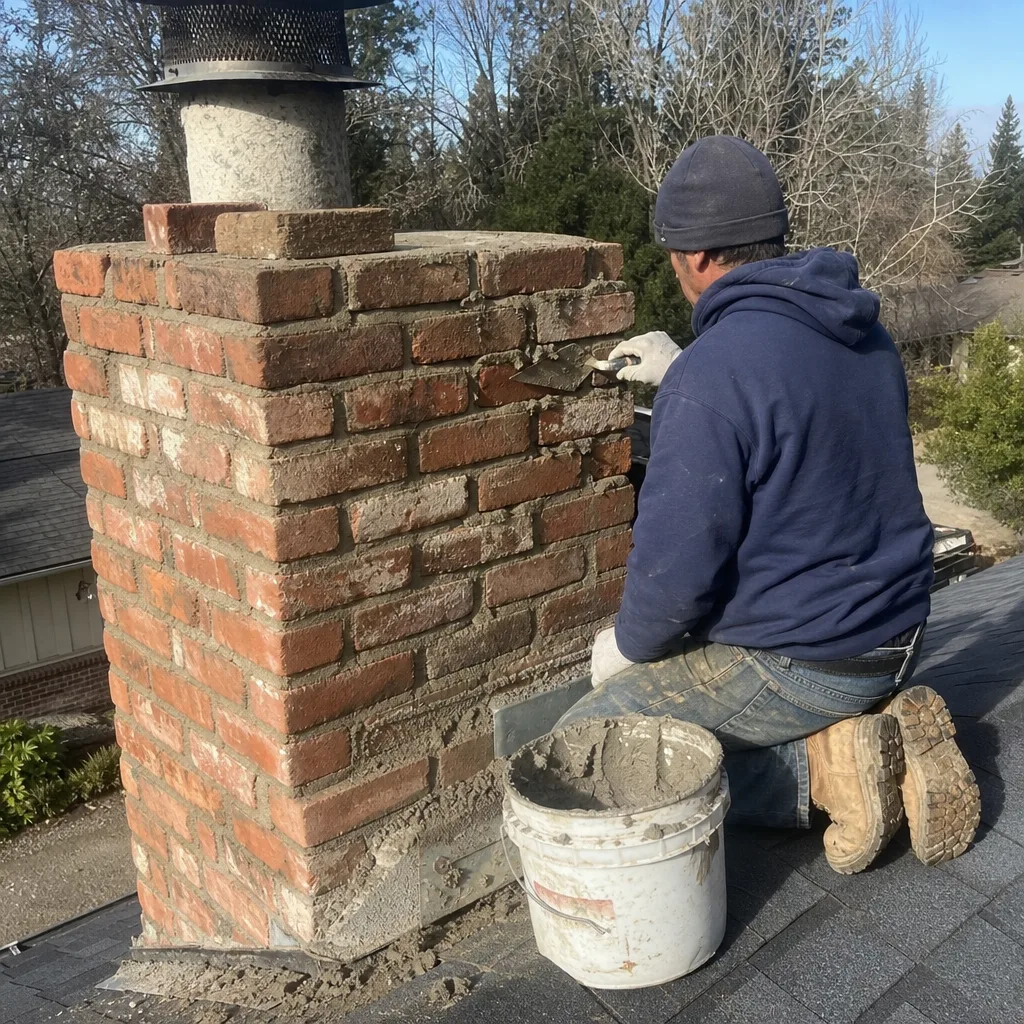
 Masonry repair
 Gas fireplace service
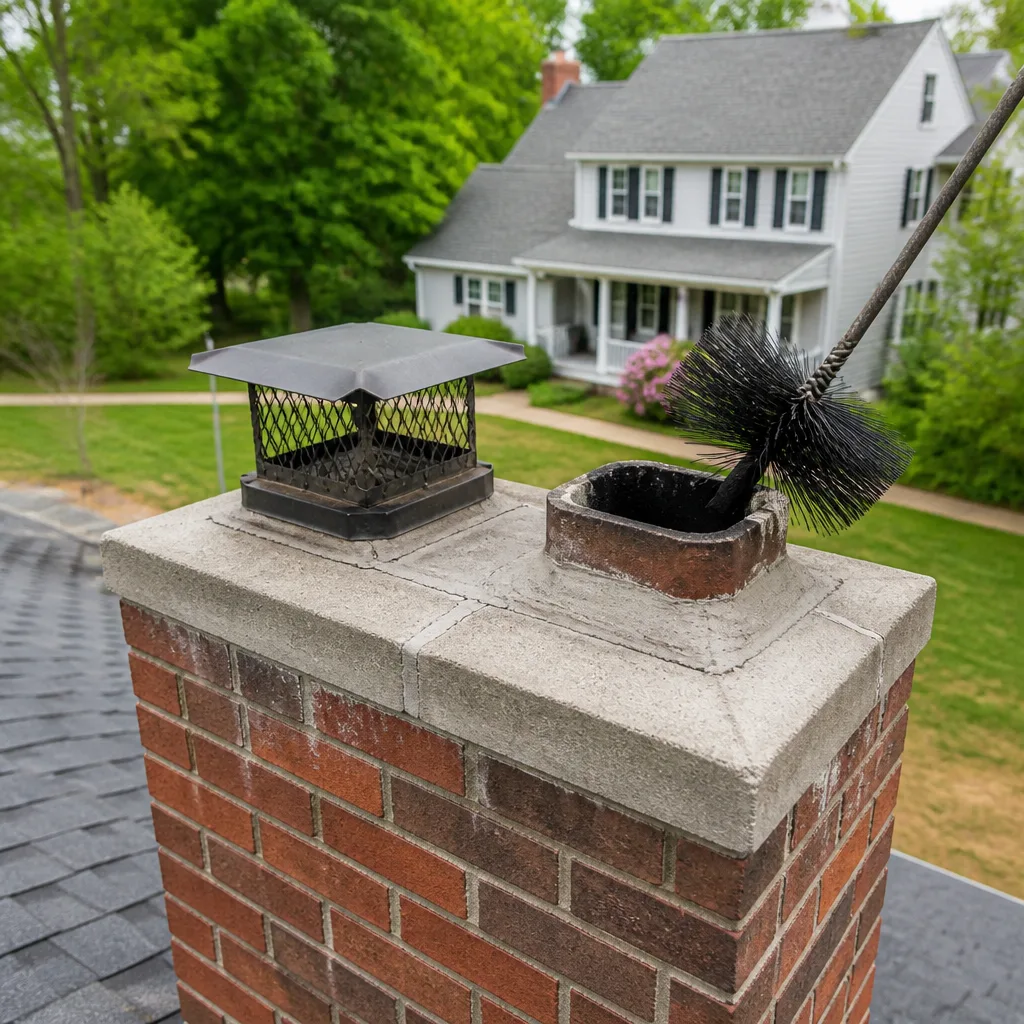
Level 1 sweep and inspection to the NFPA 211 annual standard - flue, crown, cap, and flashing checked and photographed
Chimney sweep logs do not sweep chimneys. They loosen some creosote - which then falls where a brush and vacuum still have to collect it.
DIY vs Professional Chimney Cleaning: The Santa Rosa Homeowner’s Decision Guide
You can buy the same brushes and rods a sweep uses for well under $100. That’s the part nobody argues about. The problem starts after the flue is clean: you’re standing on the roof or crouched at the firebox, and you won’t know whether what’s left on the liner wall is normal residue or stage-two creosote that needs chemical treatment before it’s safe to burn again. Cleaning was never the hard part. Knowing what you’re looking at is. This guide lays out what a Santa Rosa homeowner can realistically do alone, where the line sits, and how to make the call without being sold work you don’t need.
Quick Answer
DIY chimney cleaning is physically possible for a motivated homeowner with the right tools, but it does not replace an inspection. A homeowner can remove loose soot and ash, but cannot reliably tell healthy residue from glazed stage-two creosote, cannot inspect a liner interior, and creates documentation gaps if a fire claim ever comes up. Professional cleaning in Santa Rosa pairs the sweep with an inspection, and that second half is the part worth paying for.
Styles & brands we work with
- Sweep & inspection
- Caps & crowns
- Flue relining
- Masonry repair
- Gas fireplace service
Table of Contents
- What a DIY cleaning can realistically accomplish
- The equipment gap: brush-and-rod vs rotary systems
- How to do a basic homeowner inspection first
- The insurance and liability angle in California
- When DIY actually makes sense (and when it doesn’t)
- Creosote stages and why they matter here
- What professional cleaning costs in Santa Rosa
- Common mistakes to avoid
What a DIY cleaning can realistically accomplish
A homeowner with a properly sized brush and flexible rods can remove loose soot, light ash, and the powdery first-stage creosote that builds on a flue through a normal burn season. That’s a real result. On a well-maintained chimney that’s burned dry, seasoned wood, a brush run can bring the flue back to a workable condition and reduce the immediate load of combustible material.
Here’s the honest ceiling. A brush scrubs the surface it can physically reach and touch. What it cannot do:
- Assess creosote type. Sooty first-stage buildup brushes away. Glazed, hardened stage-two creosote does not, and stage three is a tar-like deposit that no hand brush will touch. Telling them apart takes an experienced eye.
- Inspect the liner interior. A brush doesn’t show you cracks, gaps at joints, or a liner that’s pulled away from the flue wall. Those are the defects that let heat and carbon monoxide into the structure.
- Reach offsets and flue transitions. Many Santa Rosa homes have flues that step or angle inside the chase. A straight rod-and-brush setup skips the ledges where creosote collects hardest.
- Produce documentation. No report, no photos, no written record. Nothing to hand an insurer or a buyer.
In our experience the DIY result is a cleaner-looking flue, not a verified-safe one. The cleaning is genuine; the confidence isn’t. For a homeowner who wants to burn through the season and understand the actual condition of the chimney, that distinction decides the whole question. If you want the condition verified rather than assumed, a professional chimney sweep pairs the cleaning with an inspection, and that’s where the real value sits.
The equipment gap: brush-and-rod vs rotary systems
Professionals don’t clean with a plain brush on a stick. The standard tool is a rotary cleaning system: a motorized whip or brush head on a flexible shaft that spins against the flue wall. That spinning motion does something a hand-pushed brush cannot – it grinds and lifts hardened deposits off the liner instead of gliding over them.
Why the difference matters for stage-two creosote:
- Contact pressure. A rotary head applies consistent pressure against the wall as it turns. A hand brush presses only as hard as the person pushing, and pressure drops the moment the rod bends.
- Coverage of the full circumference. The spinning head tracks the round flue wall evenly. A flat brush tends to skip the inner curve.
- Hardened deposit removal. Glazed creosote that a brush skates over can be broken down by a rotary system, and where the deposit is thick and bonded, a chemical treatment is applied first to soften it, then the rotary pass clears it.
- Poly brushes for metal liners. A stainless liner needs a softer poly head so the cleaning doesn’t scratch or abrade the surface. That’s a judgment call about the liner type, made by someone who can see it.
Sizing matters just as much. A brush too large binds in the flue; too small and it never touches the wall. That’s why professional-grade liners and components from brands like DuraFlex and Olympia Chimney come with known interior dimensions. When we know what the flue is made of, the cleaning and any repair decision match the actual material. The tool gap is real, and it’s the reason a DIY pass can leave the most dangerous deposit still on the wall while the flue looks clean from below.
How to do a basic homeowner inspection first
Before you consider cleaning anything, look. A homeowner inspection won’t replace a professional one, but it tells you whether the chimney is safe to run at all and whether you should stop and call someone. Do this before the first burn of the season and again at the end of it.
- Check the firebox for cracks. Look at the brick and mortar joints inside the firebox. Cracks wider than a hairline, crumbling mortar, or loose bricks are a stop sign. Don’t burn until a professional looks.
- Look up the flue with a strong light. Open the damper and shine a flashlight up. You’ll see the first few feet of liner. Note heavy black buildup, shiny glazed patches, or visible cracks. You won’t see past the first bend, and that’s expected.
- Test the damper. It should open and close fully and sit flush when closed. A damper that sticks open lets heat escape and hurts draft.
- Check the smoke chamber and shelf. The sloped area above the damper collects soot. Visible heavy buildup there suggests the flue above it is worse.
- Look at the chimney exterior from the ground. Spalling brick, missing mortar, a leaning stack, or a cap that’s loose all matter, even though they’re not strictly about cleaning.
- Watch the draft on a test burn. Smoke rolling into the room instead of up the flue points to a blockage or a draft problem, and those need diagnosing, not brushing.
What this inspection can’t tell you is what’s happening above the first few feet of flue. That’s the part a camera can see and your eye can’t. If the visible section looks questionable, stop there. If it looks clean, you’ve still only looked at the entrance. The Santa Rosa homes we work on often have long flues with bends the homeowner never sees.
The insurance and liability angle in California
This is the section most DIY guides skip, and it’s the one that matters after a fire. If a chimney fire damages your Santa Rosa home and you file a claim, your insurer can ask for evidence of chimney maintenance. A professional cleaning produces a written record: a report with a date, a description of the flue’s condition, and photos. A DIY cleaning produces none of that.
That doesn’t mean a DIY homeowner is automatically uninsured. It means proving routine maintenance becomes your word against the record. The distinction insurers care about:
- Documented maintenance supports a claim by showing the chimney was serviced and in known condition.
- Undocumented maintenance leaves the condition of the chimney before the fire unproven, which invites scrutiny and delays.
- Known defects are different. If an inspector flagged a cracked liner and it was never repaired, that’s a problem regardless of who cleaned the chimney.
For real estate transactions, the gap is sharper. Buyers, sellers, and agents need a formal inspection that stands on its own – a report a lender, an insurer, or a buyer’s attorney can read. A receipt for a brush and a promise doesn’t do that. A standalone inspection service, separate from the sweep, is what produces that document. In our experience this is where a professional chimney inspection earns its fee even when the flue turns out to be clean.
When DIY actually makes sense (and when it doesn’t)
There are jobs a homeowner can genuinely handle. There are jobs that look the same but aren’t. The line between them is about what’s being assessed, not how hard the work is.
Where DIY makes sense:
- Gas fireplace glass cleaning. Sooty film on the glass of a gas fireplace wipes off with a soft cloth and the manufacturer’s cleaner. No flue involved.
- Ash removal from the firebox. Scooping out cooled ash from a wood-burning firebox is straightforward, provided the ash is fully cold and you use a metal container with a lid.
- Exterior cosmetic work. Sweeping soot off the hearth, wiping the firebox surround, cleaning the glass doors. Surface cleaning, no flue access.
- Light first-stage soot on a well-maintained flue. If a professional has already verified the flue is in good shape and only light sooty buildup is present, a careful brush pass by a homeowner with the right size brush is reasonable. Confirm the condition first.
Where DIY doesn’t make sense:
- Liner inspection. You can’t see the full liner without a camera. A cracked or displaced liner is a carbon monoxide pathway, and it’s invisible from the firebox.
- Creosote assessment. Telling stage one from stage two from stage three is a judgment call. Getting it wrong on stage two means the deposit stays, hardens, and sits there through the next burn season.
- Anything glazed or tar-like. Stage-two and stage-three creosote need chemical treatment and rotary equipment. A hand brush won’t remove them, and the attempt can spread the deposit.
- Flues with offsets or unusual construction. A flue that steps or angles needs equipment that reaches the bends.
- Any chimney that hasn’t been professionally inspected. If you don’t know the condition of the liner, you’re cleaning blind.
One safety note worth stating plainly: high work on a roof or a steep pitch is genuinely dangerous, and so is anything involving a blocked or damaged flue that could release carbon monoxide into the home. If a job puts you on a ladder above the roofline or requires you to open a liner you can’t see, that’s work for a trained professional, not a weekend project.
Creosote stages and why they matter here
Creosote is the residue left behind when wood smoke cools on the flue wall. It builds in stages, and each stage behaves differently in a fire and against a brush.
- Stage one: soot and light flaky deposit. Powdery, brushes off easily. This is what a clean-burning chimney produces between sweeps.
- Stage two: hardened, glazed, or crusted deposit. Bonded to the liner surface, often with a shiny or cracked appearance. A brush skates over it. Needs a chemical treatment to soften, then a rotary pass to remove.
- Stage three: tar-like or puffy deposit. Thick, heavily bonded, and the most combustible. Requires chemical treatment and aggressive rotary cleaning, and sometimes points to a liner that needs repair or replacement rather than another cleaning.
The Santa Rosa climate plays into this. Winters here are mild, which means many homeowners burn intermittently rather than steadily. Short, cool, or smoldering fires produce more creosote than a hot burn, because the smoke has more time to cool and condense on the flue wall before it escapes. A fireplace used now and then, with a cool flue and a damp log or two in the mix, can build stage-two deposit faster than a chimney that burns hot and often. Mild weather also means the burning season is long and the buildup accumulates quietly.
That’s the exact situation a DIY brush pass handles worst. The flue looks clean after brushing because the loose soot is gone, but the glazed layer the brush couldn’t touch is still there, and it’s the layer that carries the fire risk. When we find stage-two deposit, our approach is to treat it chemically, then clear it with a rotary system, using liner components from professional-grade brands like Copperfield when a section needs replacing. The decision about whether to clean, treat, or reline comes from the inspection, not from the cleaning.
What professional cleaning costs in Santa Rosa
A professional chimney sweep in Santa Rosa is priced per job by a written estimate, and the estimate is free. The ranges below are typical for the area and depend on the flue’s condition, its length and construction, and whether chemical treatment is needed for creosote removal. The written estimate sets the final price, so treat these as a planning guide rather than a quote.
| Service | Typical estimated range |
|---|---|
| Standard chimney sweep (wood-burning flue) | $180 – $340 |
| Sweep with creosote removal (stage two) | $340 – $600 |
| Chimney inspection (standalone, with report) | $150 – $300 |
| Sweep plus inspection package | $280 – $450 |
| HeatShield ceramic resurfacing (where the flue qualifies) | $1,200 – $2,800 |
| Full liner replacement (DuraFlex or Copperfield) | $2,500 – $5,500 |
Two things drive the spread. The first is creosote condition. A powdery first-stage flue is a quick sweep; a glazed stage-two flue takes longer and requires treatment. The second is whether the job includes a camera inspection. That’s the piece worth insisting on, and it’s why the sweep-plus-inspection package is the number most Santa Rosa homeowners actually pay. Nothing is recommended without camera evidence you can look at yourself, and work that can safely wait gets said so plainly. For repair beyond cleaning, our chimney repair service covers the liner and resurfacing side of the work.
Common Mistakes to Avoid
- Cleaning before inspecting. Brushing a flue you haven’t looked at hides the problem instead of solving it. Inspect first, then decide whether a brush pass is even appropriate.
- Assuming a clean-looking flue is safe. The visible section can be spotless while a cracked liner or a glazed deposit sits above the first bend. Looks are not evidence.
- Using the wrong size brush. An oversized brush binds and can damage a liner; an undersized one never touches the wall. Either way, the flue isn’t really cleaned.
- Treating creosote as one problem. Soot, glazed deposit, and tar-like stage-three creosote each need different handling. A brush is right for one of them and wrong for the other two.
- Working the roof alone. A ladder on a pitched roof is a serious injury risk. If the job puts you up there, hire it out. No chimney is worth a fall.
- Skipping documentation. A DIY cleaning produces no record for an insurer, a lender, or a buyer. In a Santa Rosa real estate transaction that gap can stall a closing.
- Cleaning the glass instead of the flue. A shiny gas fireplace glass tells you nothing about the interior of the chimney. Surface cleaning and flue cleaning are different jobs with different risks.
See the difference
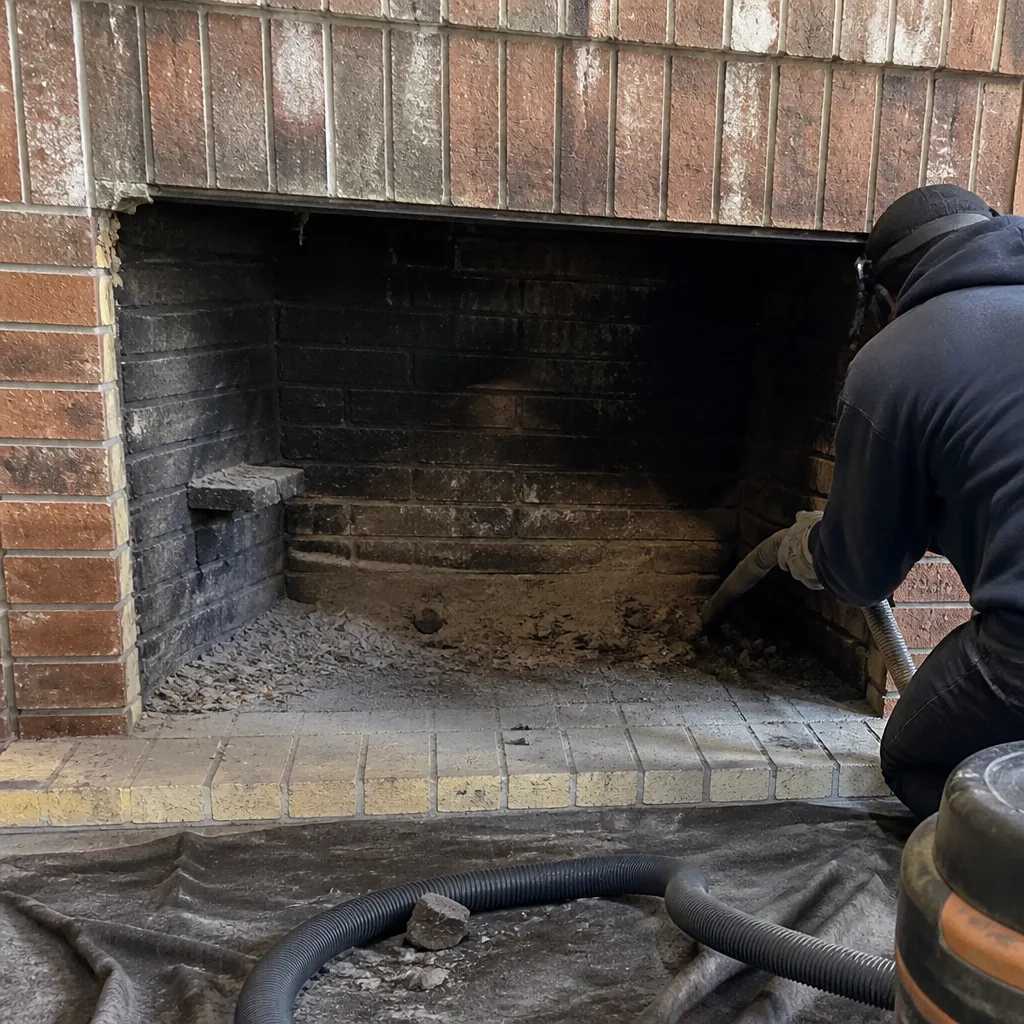 Before
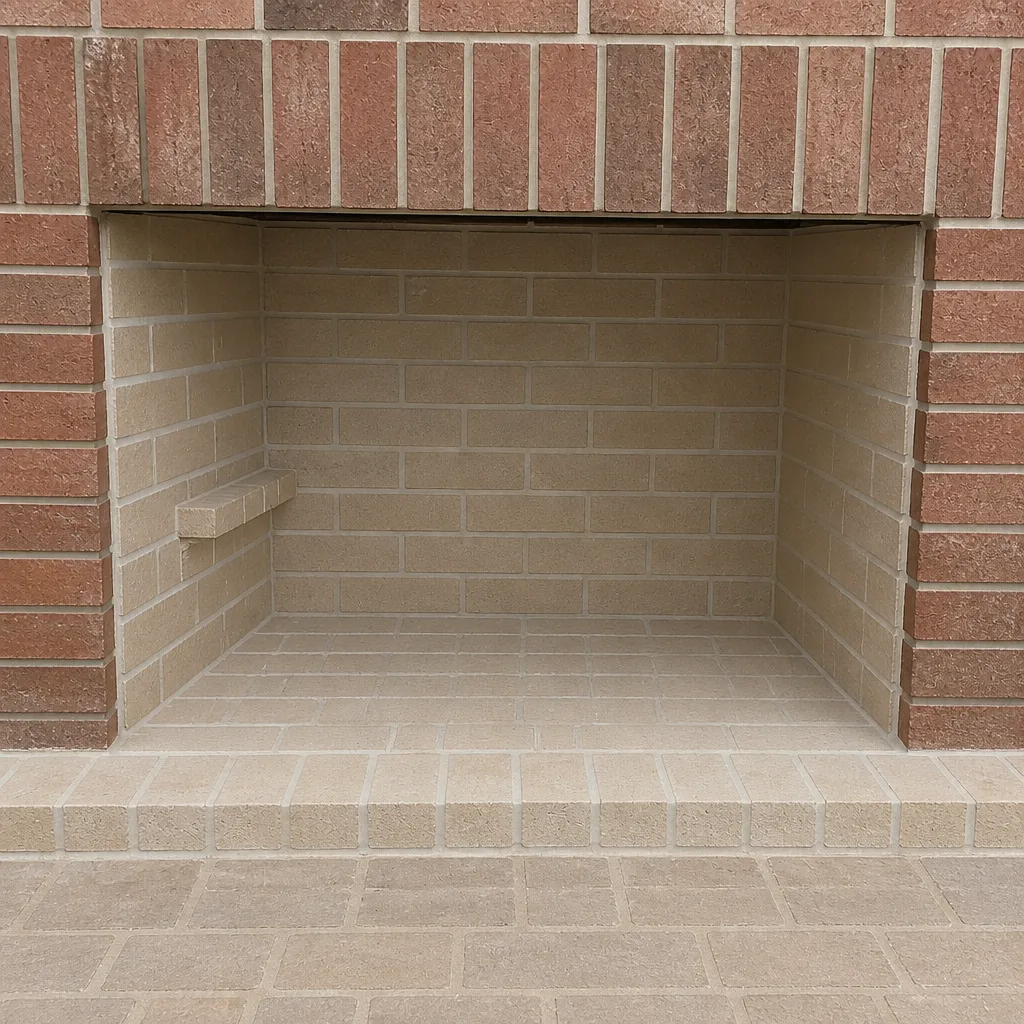 After
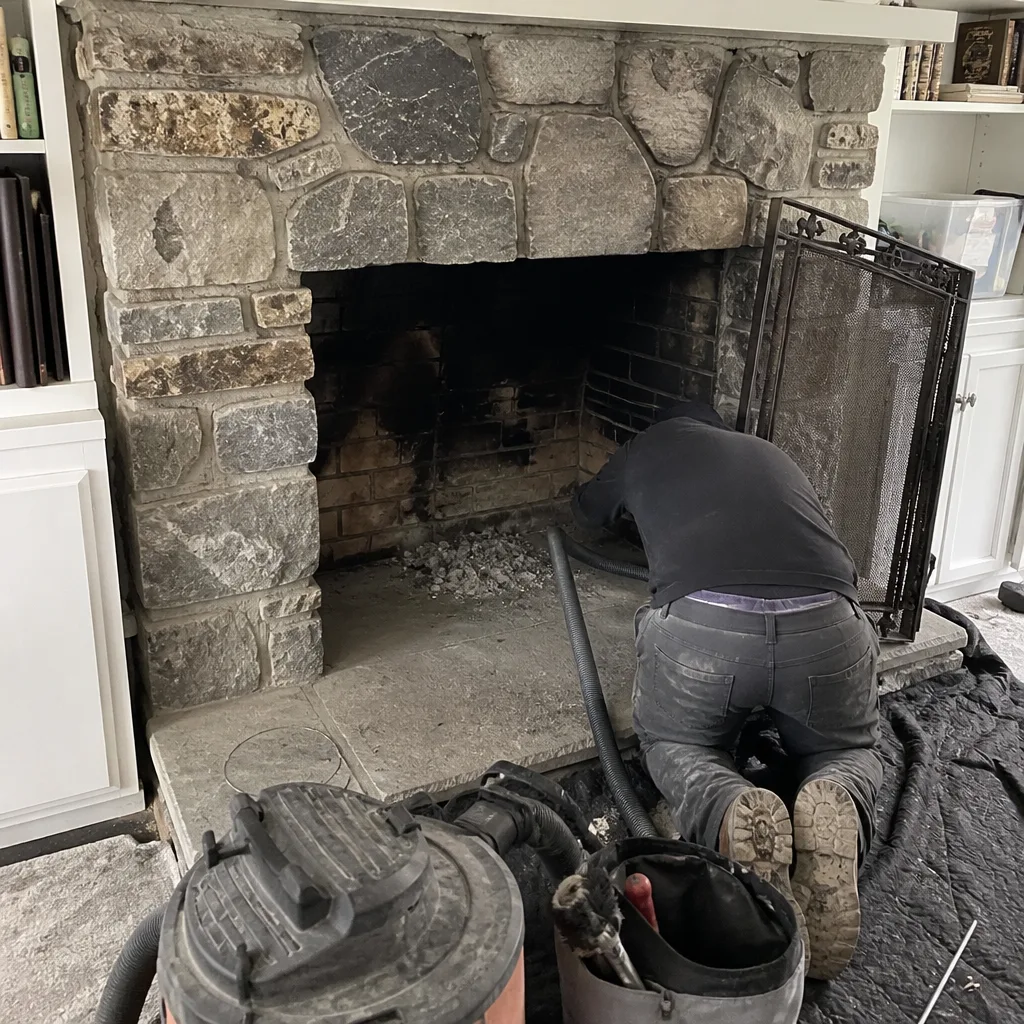 Before
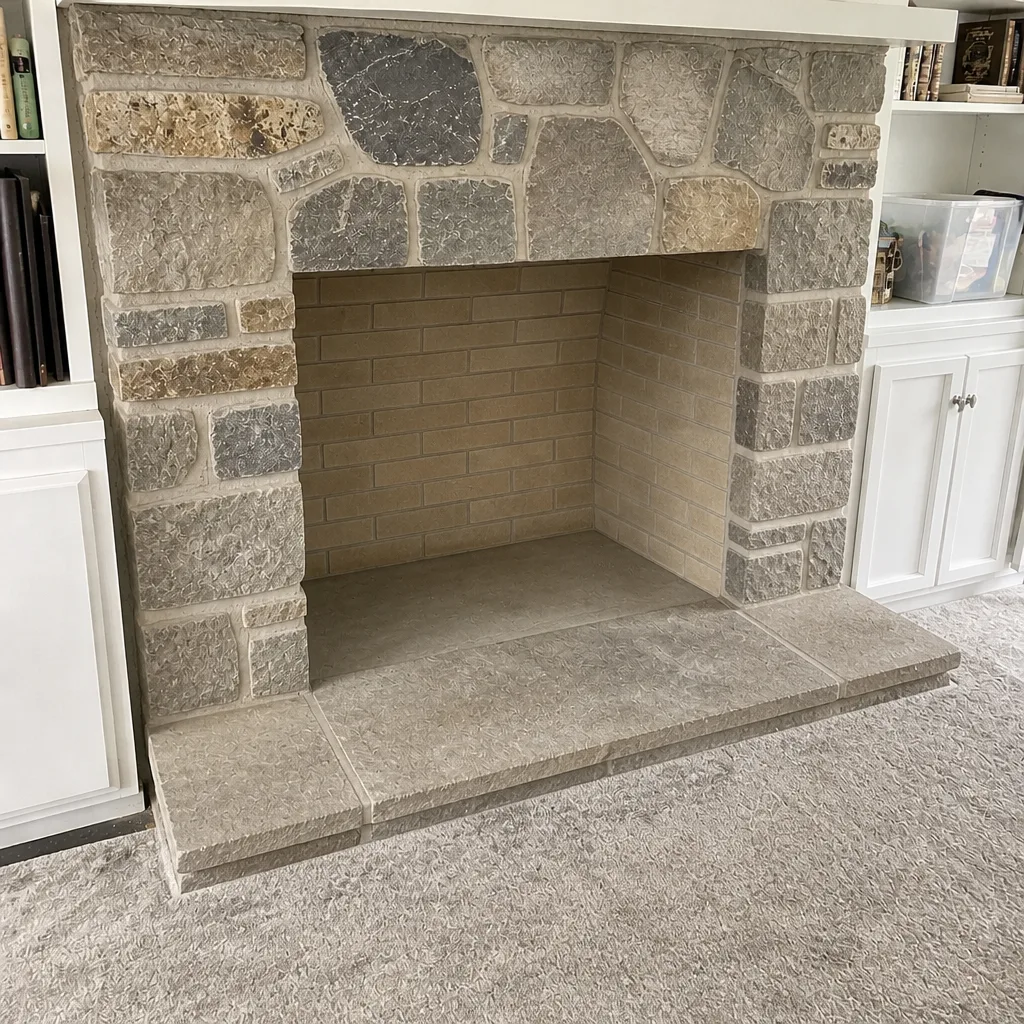 After
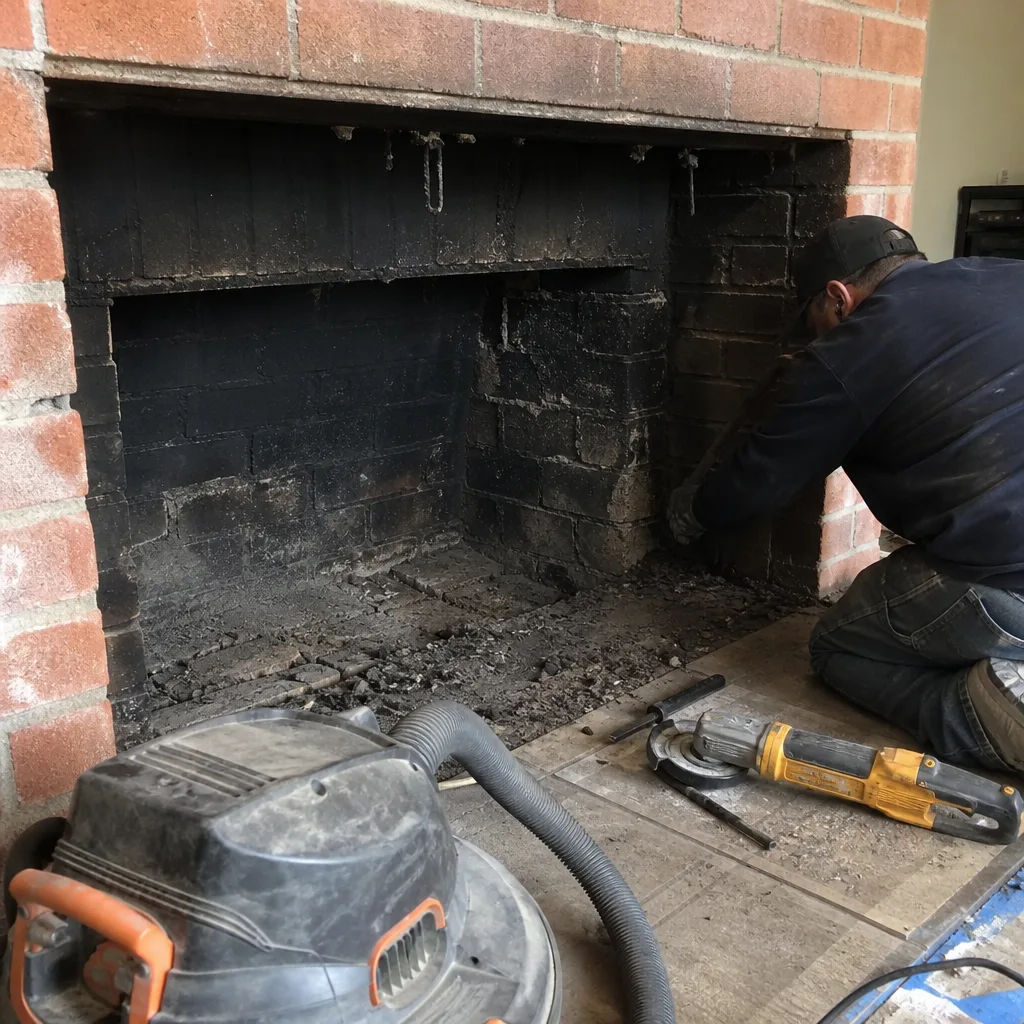 Before
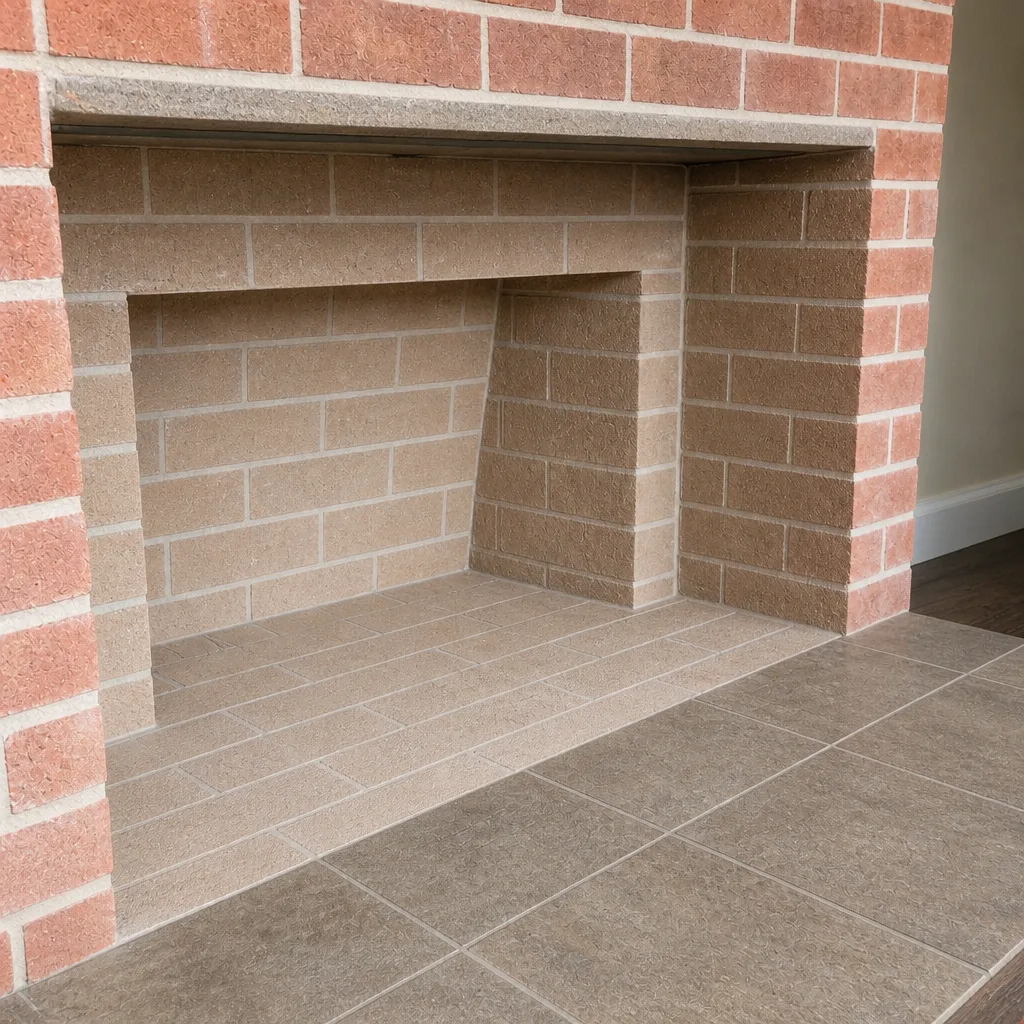 After
When to Call a Professional
Call a professional when any of these are true: the chimney hasn’t been inspected in over a year; you see glazed, shiny, or tar-like deposit anywhere in the flue; the firebox has cracks or crumbling mortar; smoke rolls into the room on a test burn; the liner is of unknown age or condition; you’re buying or selling a house and need a formal inspection report; or your insurer has asked for maintenance documentation. Also call if you’re not comfortable on a roof, because the cleaning isn’t the point – the assessment is.
Santa Rosa Chimney Cleaning offers free estimates in Santa Rosa. We inspect it, clean it, and fix it, and the inspection comes first so the recommendation matches what the camera shows. Call Santa Rosa Chimney Cleaning at (888) 919-0637. We answer 24/7. Fast dispatch from 7am to 7pm, Sunday through Friday.
Frequently Asked Questions
It’s worth it only for surface jobs: wiping gas fireplace glass, removing cold ash, or a careful brush pass on a flue a professional has already verified is in good shape. It is not worth it for creosote assessment, liner inspection, or anything that needs documentation for insurance or a home sale. In our experience the brush is the easy part and the inspection is where the value sits.
Sometimes, and only in the first few feet of flue you can see with a flashlight. Stage-two creosote looks hardened, glazed, or shiny, and often cracked. You cannot see it above the first bend or around an offset, which is exactly where it tends to collect hardest. If you see glazing anywhere, call for an inspection rather than brushing over it. We answer 24/7 at (888) 919-0637, and estimates are free.
A DIY cleaning doesn’t automatically void a claim, but it leaves no written record of the chimney’s condition before a fire, which can delay or complicate a claim. A professional cleaning and inspection produce a dated report and photos. For a Santa Rosa policyholder, that documentation is the practical reason to have the work done professionally. Call (888) 919-0637 for an exact quote; estimates are free.
Once a year during active use is the standard, and more often if you burn intermittently or notice heavy buildup. Santa Rosa’s mild winters often mean short, cool fires that build creosote faster than steady hot burns. A once-a-year inspection catches the buildup before it hardens into stage two. Call (888) 919-0637 to book a sweep and inspection; estimates are free.
Creosote keeps accumulating and moves from sooty stage one into glazed stage two, then tar-like stage three, which is the most combustible. A blocked or narrowed flue can also push carbon monoxide back into the home instead of up the chimney. Skipping a sweep doesn’t stop the buildup; it just removes the check on it. Call (888) 919-0637 for an inspection before the next burn season; estimates are free.
Not always. A HeatShield ceramic resurfacing restores a deteriorating but structurally sound flue without a full liner replacement, and a full reline with a DuraFlex or Copperfield system is reserved for liners that won’t hold. The choice comes from a camera inspection, and you see the footage before you decide. We work with your insurer on documentation. Call (888) 919-0637 for an exact quote; estimates are free.
The Bottom Line
A motivated Santa Rosa homeowner can buy the tools and do a real cleaning. What you can’t buy at the hardware store is the ability to tell healthy residue from stage-two creosote, to see the full liner, or to produce a report an insurer or a buyer will accept. That’s the gap. Do the surface jobs yourself if you want: the glass, the ash, the hearth. Have a professional do the flue and the inspection, and insist on camera evidence you can see. If you’re going to pay for one thing, pay for the inspection and let the cleaning follow from it. The fireplace should be safe every season, not just the first one.
Call Santa Rosa Chimney Cleaning at (888) 919-0637 for a free estimate on a sweep, an inspection, or both. We answer 24/7. Fast dispatch from 7am to 7pm, Sunday through Friday.
Written by the team at Santa Rosa Chimney Cleaning.