
Last updated November 15, 2026
 Sweep & inspection
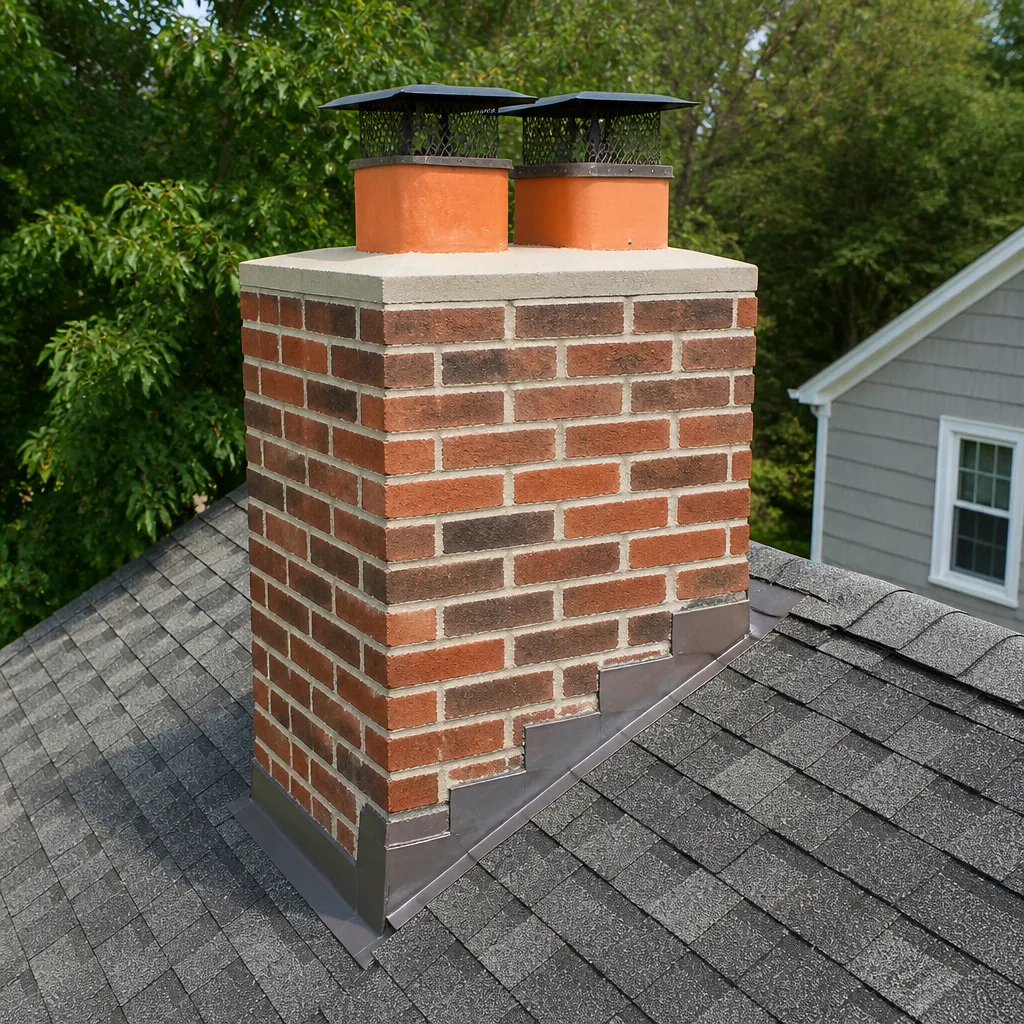
 Caps & crowns
 Flue relining
 Masonry repair
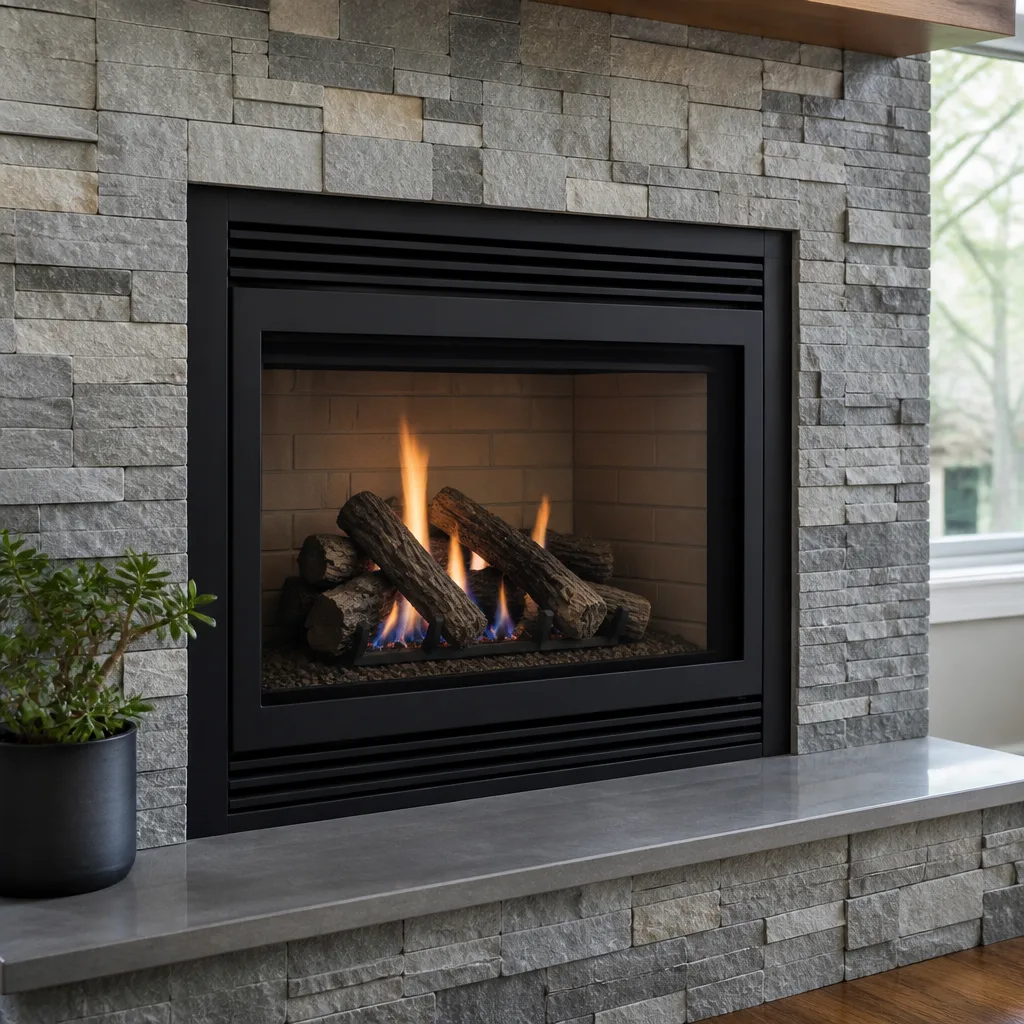 Gas fireplace service
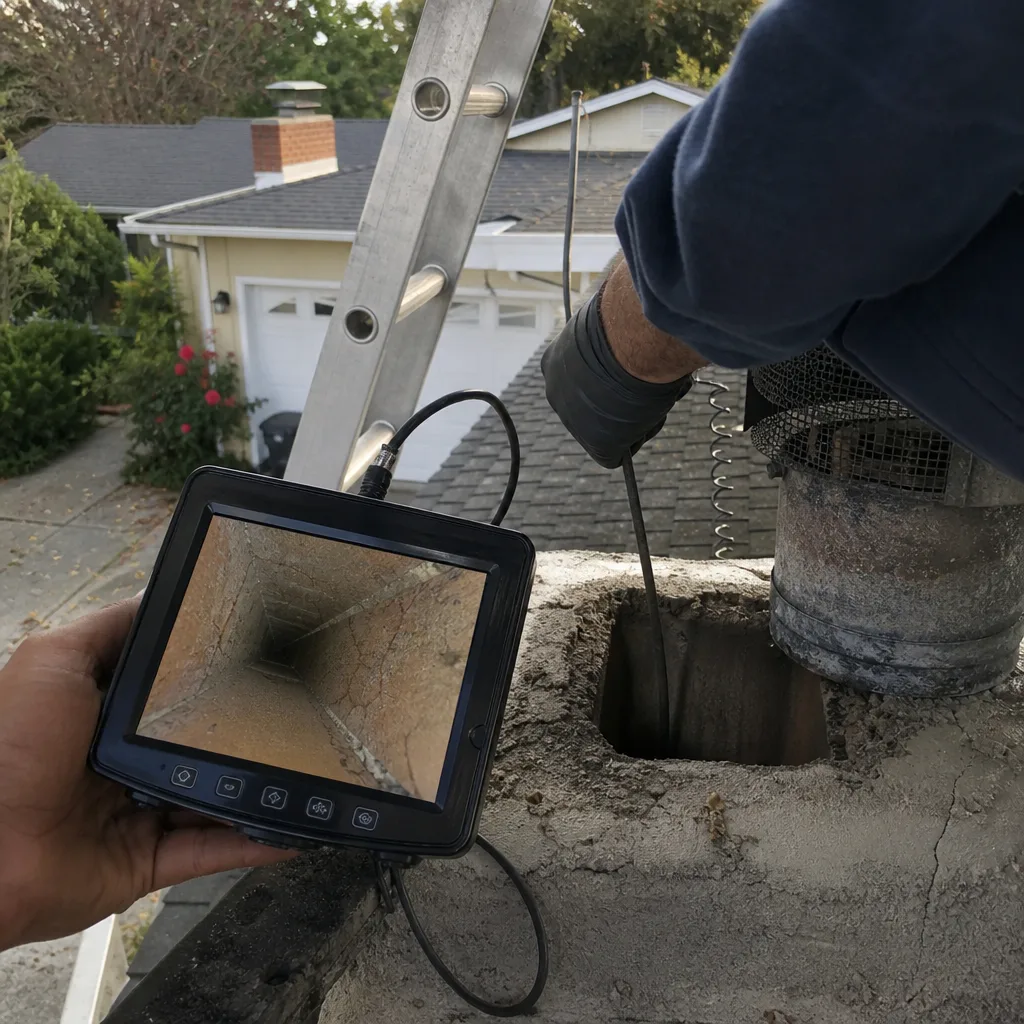
Level 1 sweep and inspection to the NFPA 211 annual standard - flue, crown, cap, and flashing checked and photographed
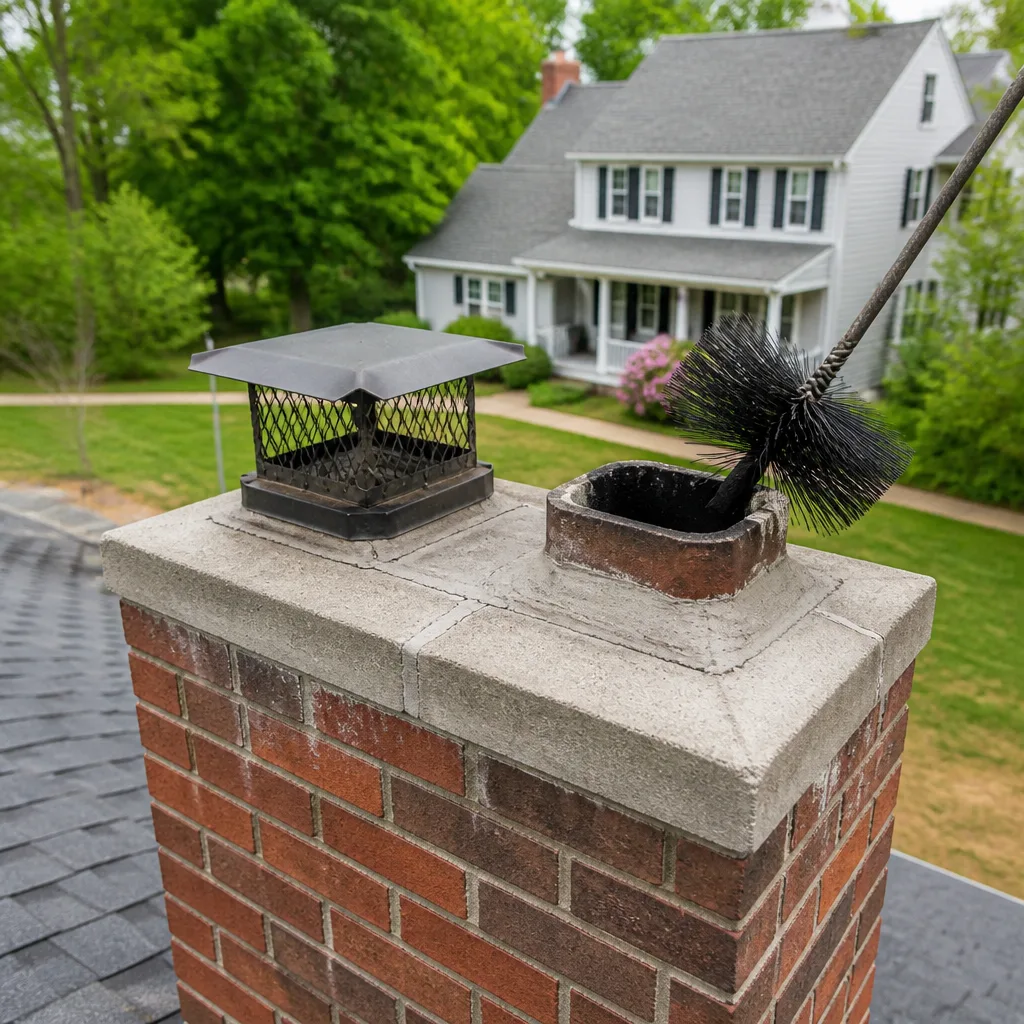
Chimney sweep logs do not sweep chimneys. They loosen some creosote - which then falls where a brush and vacuum still have to collect it.
Chimney Cleaning Emergency Preparedness Guide for Santa Rosa Homes
Most homeowners think of chimney care as a seasonal chore, something to handle before the first cold snap. But in Santa Rosa, the chimney is also part of your home’s wildfire defense, and it’s the part almost nobody thinks about until it’s too late. An ember from a fire miles away can ride the wind and slip straight into an unsealed or damaged flue, entering your house through the same opening your sweep inspects on every visit. That connection between chimney condition and home ignition risk rarely gets discussed, even here, where fire risk is something we all live with.
This guide covers what Santa Rosa homeowners actually need to prepare for: active chimney fires, post-fire protocol, earthquake checks, and how to leave your chimney ready before an evacuation order comes. You’ll learn the right sequence of actions, what your flue needs before it can be used again, and how emergency preparedness and routine chimney maintenance are really the same conversation.
Quick Answer
Chimney emergency preparedness in Santa Rosa means three things: keeping the cap and flue sealed so embers can’t enter during a wildfire event, knowing the correct steps to take if a chimney fire is active, and having your chimney inspected before you use it again after any fire or earthquake. An uncapped or damaged flue is a direct ember entry point, and a flue that has been through a chimney fire cannot safely be reused until a Level 2 inspection clears it.
Styles & brands we work with
- Sweep & inspection
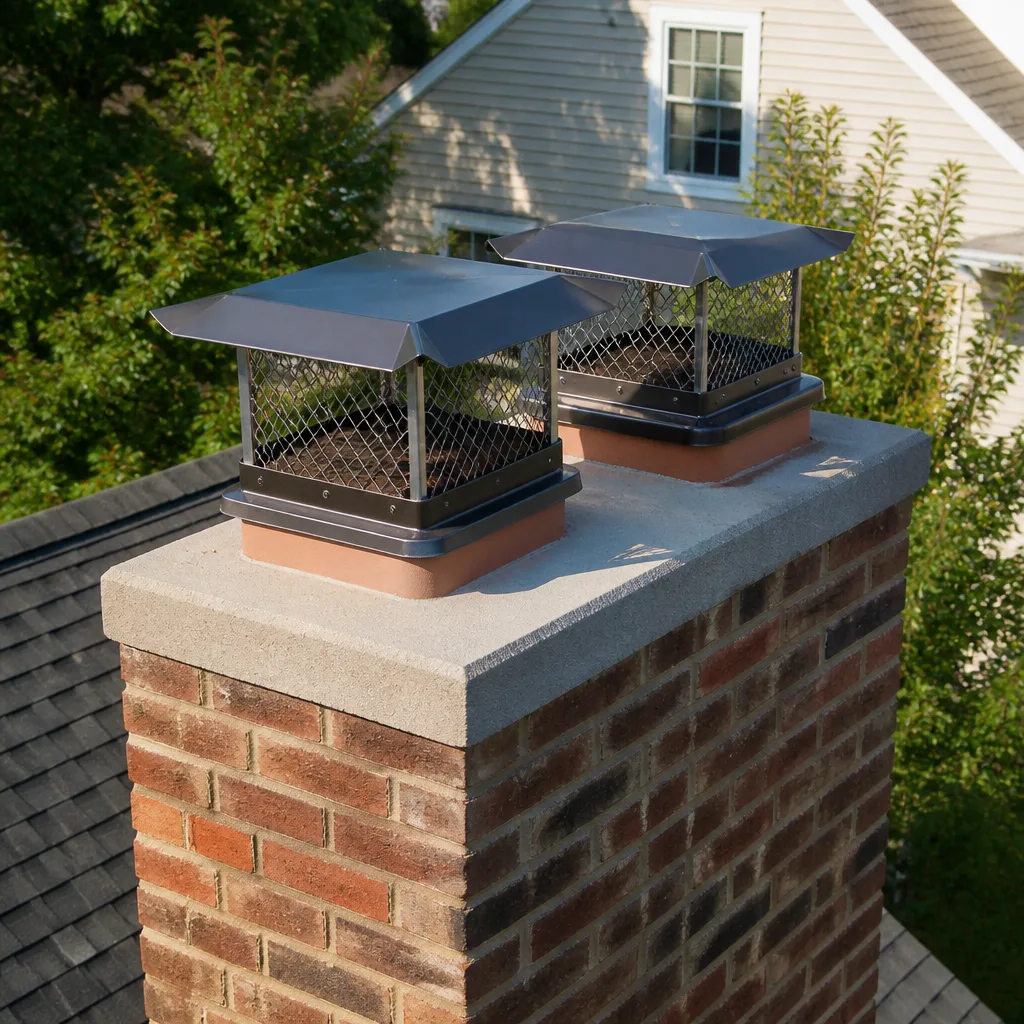
- Caps & crowns
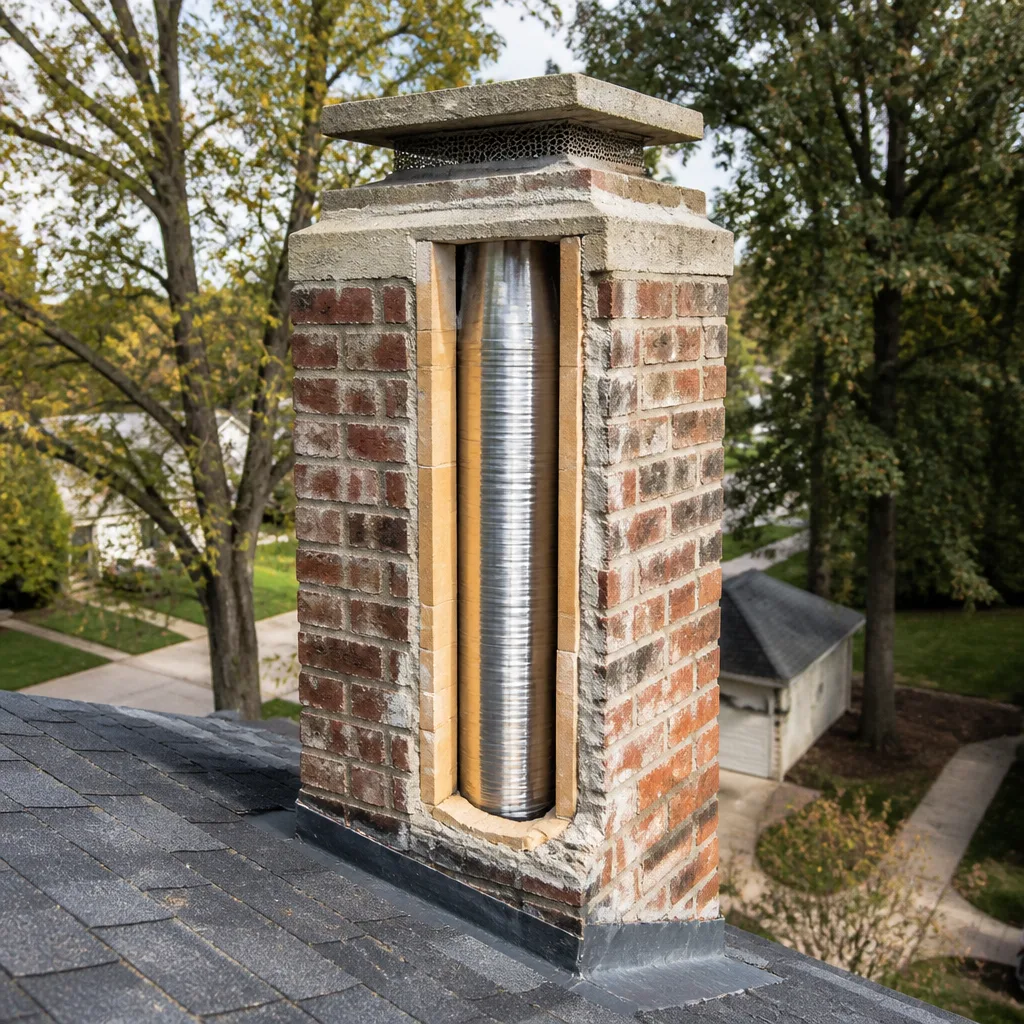
- Flue relining
- Masonry repair
- Gas fireplace service
Table of Contents
- Why an ember entering your flue is a Santa Rosa problem
- Your chimney cap is the first line of defense
- What to do if you suspect a chimney fire is active
- After a chimney fire: why the flue stays out of service
- Earthquakes and chimney integrity: what to check afterward
- Preparing your chimney before an evacuation
- How routine maintenance prevents emergencies
- Common mistakes to avoid
Why an ember entering your flue is a Santa Rosa problem
During a wildfire event, wind can carry an ember for miles before it lands. In Sonoma County that ember doesn’t need to hit wood siding to start something. If it lands on or near an open chimney flue, or slips past a rusted or missing cap, it can drop straight into your home.
What most people picture when they think about home ignition is vegetation or a roof catching. The chimney is a quieter pathway, and it’s one that maintenance directly controls. A flue that’s properly capped and structurally sound is essentially closed to ember intrusion. One that’s missing a cap, has a bent screen, or has cracked masonry around the crown is effectively an open door.
The reason this gets overlooked is easy to understand. Chimneys are out of sight, up on the roof, out of the mental checklist. Insurance and evacuation prep tend to center on gutters, defensible space, and the roof itself. But the same structure that keeps your fire risk in check during burning season is the one that keeps embers out the rest of the year.
What makes a flue an ember risk:
- No cap at all. Free to let wind-driven embers drop into the flue.
- A rusted or damaged cap. The screen degrades, the hood loosens, and gaps open at the top.
- Cracked or spalled masonry at the crown. Small openings around the top of the flue let material in.
- An unsealed thimble or firebox. Gaps around a stovepipe connection or the firebox surround can let fine debris and hot material travel where it shouldn’t.
When we inspect a Santa Rosa chimney, checking the cap and crown for gaps is one of the first things we do, and it’s a repair that often can’t wait until the first cold snap. An inspection that catches a loose cap in early fall is a lot less expensive than the alternative. You can read more about that process on our chimney sweep page.
Your chimney cap is the first line of defense
If you remember one thing from this guide, make it this: the chimney cap is the single most important piece of equipment protecting your home from ember intrusion during a wildfire. It’s a small, inexpensive part that does work most homeowners never see.
A chimney cap does three jobs at once. It keeps rain and animals out during normal conditions. It keeps sparks from your own fireplace from landing on the roof. And during a wildfire event, it keeps wind-carried embers from dropping into the flue.
What a proper cap looks like when it’s doing its job:
- Fully covers the flue opening. No gap between the cap and the flue top large enough for anything wind-driven to slip under.
- Has an intact screen or mesh. The mesh is the part that actually stops embers, and it’s the part that rusts out first.
- Is firmly anchored. The cap should not shift or rock when you test it. A loose cap can be lifted by high wind.
- Is sized to the flue. A cap that’s slightly too large or too small leaves a gap at one side.
We install caps made by names that specialize in chimney components, like Olympia Chimney and Gelco, because the hardware matters as much as the installation. A cap isn’t a decorative accessory. It’s the one piece of metal standing between your living room and a wind-driven ember.
If your cap is missing, bent, or shows rust through the mesh, that’s the highest-priority fix on your chimney before the next fire season. It’s also a quick one. For homeowners across Santa Rosa, a cap replacement is often the cheapest piece of wildfire preparedness they can buy.
What to do if you suspect a chimney fire is active
An active chimney fire is a genuine emergency, and the sequence of actions matters. If you hear a roaring or popping sound from the flue, see flames or dense smoke from the chimney top, or feel excessive heat on the chimney pipe, treat it as active.
Before the fire department arrives, follow this sequence:
- Stop feeding the fire. Close the glass doors if you have them. Don’t open anything to look inside.
- Get everyone out of the house. An active chimney fire can spread into the structure, and smoke is dangerous to breathe. Move everyone to a safe location.
- Call 911. Never assume you can handle an active chimney fire on your own. The fire department can check the attic and roof for spread in places you can’t see.
- If safely outside, check the roof for sparks. Embers from the chimney top can ignite the roof or nearby vegetation. If you see fire on the roof, tell the dispatcher.
- Don’t re-enter the house until the fire department clears it. Smoke and carbon monoxide are the reasons to stay outside, even after the fire appears to be out.
Some chimney fires smolder quietly and give you no obvious sign. Others are loud and obvious. In our experience, the hardest calls are the quiet ones: no visible flames, minor smoke, and a homeowner who later discovers cracking and glazing inside the flue. If you suspect a chimney fire, even one you think extinguished itself, treat it as active until a professional has inspected it.
This is not a job for the homeowner with a fire extinguisher. The danger is real, and the flue has to be checked before the fireplace is used again.
After a chimney fire: why the flue stays out of service
After a chimney fire, the flue cannot be used again until a Level 2 inspection clears it. NFPA 211, the standard that governs chimneys and vents, requires this for a reason: chimney fires reach temperatures that can crack flue tiles, warp metal liners, and damage the mortar joints between flue sections. Those defects are usually invisible from the firebox.
A Level 2 inspection is a full visual inspection of the flue and accessible chimney components, often using a camera to see inside the flue from top to bottom. That’s the part that matters after a fire. The camera shows what a flashlight pointed up from the firebox cannot.
The mistake we see most often is a homeowner who has a small chimney fire, sees no more smoke, and starts a fresh fire the next cold evening. That’s the risk. A cracked flue tile or a joint that has lost its mortar lets hot gases and combustion byproducts escape into the structure of your home, and in some cases into the living space. That’s what the inspection is checking for.
After a chimney fire, expect this process:
- A Level 2 inspection before any further use. That’s the standard, not a sales add-on.
- A camera sweep of the flue, top to bottom. Photos and a report the homeowner can read.
- A repair decision based on what the inspection found. Small cracks may be resurfaced. A damaged flue tile joint may need a new liner system.
Once the damage is assessed, we can get to work. HeatShield ceramic resurfacing is a good option when the flue isn’t cracked all the way through but the interior is deteriorating. When a liner is needed, systems from DuraFlex and Copperfield are the ones we install, and we don’t have to wait on supply to make a repair decision. You can see the full picture of what repair involves on our chimney repair page.
A chimney fire is the point where a routine sweep appointment becomes an inspection and repair job. The same company handles the inspection, the cleaning, and the repair that follows.
Earthquakes and chimney integrity: what to check afterward
Santa Rosa sits in an active seismic region, and masonry chimneys are among the most vulnerable parts of a house when the ground shakes. Chimneys are tall, heavy, and often older. After a notable earthquake, the chimney is one of the first places to check.
What to look for after a quake, from the ground and safely outside:
- Tilt or lean. A chimney that was plumb and now visibly leans has moved at the foundation or at a joint.
- New cracks in the masonry above the roofline. Cracks in the upper stack are the ones that matter, because that’s where a quake stress concentrates.
- Displaced or loosened bricks. Any brick that has shifted or pushed out at a joint is a hazard, both from falling masonry and from losing its seal.
- Damage at the roofline where the chimney meets the roof. Separation there opens a gap between the flue and the attic.
- A cap that has shifted or come loose. A quake can knock a cap out of alignment even when the masonry is intact.
If you see any of those signs, treat the fireplace as out of use and get an inspection before lighting it again. Do not climb on the roof to check the chimney yourself. This is height work, and a damaged chimney is a hazard underfoot as well as above.
What we often find after a quake is not a dramatic collapse but small damage: cracked mortar joints at the crown, a cap knocked out of place, a liner joint that has loosened. Those matter because they’re the gaps that let water in, and water in a masonry chimney accelerates deterioration over the next several seasons. The crack that starts as a hairline after an earthquake becomes a real repair a year or two later if it’s ignored.
If you’re not sure whether your chimney has been affected, an inspection answers that question. Santa Rosa homeowners in older neighborhoods with original masonry stacks should pay particular attention here. Read more about the service area on our Santa Rosa page.
Preparing your chimney before an evacuation
When an evacuation warning is issued, there’s a short window to prepare your home before you leave. Your chimney belongs on that checklist, along with the gutters and the defensible space. These steps take minutes but reduce ember entry risk.
- Close the damper if it’s safe to reach. If there’s no fire in the firebox and the damper operates freely, close it. It slows air movement through the flue. If the damper is stuck open, don’t force it. Note it for the inspection.
- Close glass doors and tighten the firebox. A glass door or a snug firebox screen limits air flow and reduces the chance that moving air pulls embers inward.
- Make sure the cap is secure. Check it visually from the ground if you can. If a cap looks bent or shifted, that’s information for your inspection later.
- Close the exterior flue cap if you have one. Some caps have a top-closing mechanism. If yours does, close it before you go.
- Photograph the chimney, inside and out, while you still can. A few quick pictures of the chimney exterior, the firebox, and the attic chase around the chimney give your insurer a baseline.
- Document any known chimney condition. If you had a recent inspection, take a photo of the report and keep it with you. If a chimney is already documented as needing repair, that paperwork matters more after a fire event, not less.
The documentation step surprises people. In the middle of an evacuation, nobody thinks about the chimney. But if you come back to a house with fire damage, or if you’re dealing with an insurance claim, having a pre-event condition record for your chimney saves weeks of back-and-forth. An annual inspection report suits exactly that purpose, and it doubles as insurance compliance documentation when a carrier asks for proof of condition.
How routine maintenance prevents emergencies
The best emergency plan for a chimney is the one that keeps the emergency from happening. Routine maintenance and emergency preparedness are the same work, just scheduled at different times. A chimney sweep and inspection before burning season is a pre-event check; everything in this guide is what to do if that check slipped past you.
What a routine visit covers:
- A sweep to clear soot and creosote. Creosote accumulation is one of the main fuels for a chimney fire, and it builds up quietly during burning season.
- A cap and crown check. That’s your ember defense, inspected before fire season.
- A visual check of the flue. Cracks and joint damage are caught early, when repair is smaller.
- A written record of condition. Useful for insurance, real estate, and your own peace of mind.
How often you need a sweep depends on how much you burn. A fireplace used occasionally through the winter needs annual attention. A wood stove used as a primary heat source needs more frequent inspection. The standard is to inspect annually and sweep whenever your inspection shows it’s needed.
A formal chimney inspection is the part of the routine that goes beyond the sweep. It’s the record that answers the question, “is this chimney safe to use?” When you book any service, you’re getting a report you can actually read, with photos of what’s inside the flue. You can reach our team at Santa Rosa Chimney Cleaning to schedule the sweep, inspection, or both.
If you’re selling a home or buying one in Santa Rosa, an inspection is also the document a real estate transaction and an insurance carrier can both work from. That makes the routine visit more than maintenance. It’s documentation of the chimney’s condition on the day of service.
Common Mistakes to Avoid
- Using the fireplace after a chimney fire without an inspection. A flue that has been through a fire cannot be reused until a Level 2 inspection clears it. Waiting for a visible problem to appear is the wrong test, because the dangerous damage happens where you can’t see.
- Putting off a missing or damaged cap until burning season. A cap shelters your flue from embers during fire season, when you’re not even using the fireplace. Treat a damaged cap as an urgent repair, not a fall chore. Around Santa Rosa, fire season is the season that matters most for cap condition.
- Burning wet or unseasoned wood to save time. Wet wood produces more creosote, which is the fuel for chimney fires. Drying wood to the right moisture makes your chimney safer and the fire easier to keep going.
- Climbing the roof to check the chimney yourself. Roof access is a serious fall hazard. Evaluate from the ground and let a trained professional examine the flue.
- Skipping the inspection because “it was fine last year.” A chimney’s condition changes with every fire you burn, and a quake or a wildfire event can change it in a single afternoon. The inspection report is only current for the season it covers.
- Lighting a fire after an earthquake without checking the chimney. Small cracks in the masonry and crown are hard to spot from inside the house, and a quake is exactly the event that opens them.
- Leaving the original masonry unexamined in an older home. Older masonry chimneys have had decades to accumulate damage, and a home inspector’s checklist rarely examines the inside of the flue. A specialist inspection is the right tool.
When to Call a Professional
Call us if any of these apply. An active or recent chimney fire requires an inspection before you use the fireplace again. A missing or damaged chimney cap before fire season is a priority repair. Visible cracks, a leaning stack, or a loosened cap after an earthquake needs an inspection before the next fire. You also want an inspection if you’ve just bought a home with a chimney you’ve never used, if you’re preparing for an insurance requirement, or if it’s been more than a year since your last sweep. Our technicians have up to 10 years of experience, and we’ll tell you plainly when work can safely wait and when it can’t. Santa Rosa Chimney Cleaning offers free estimates in Santa Rosa. Call (888) 919-0637. We answer 24/7. Fast dispatch from 7am to 7pm, Sunday through Friday.
See the difference
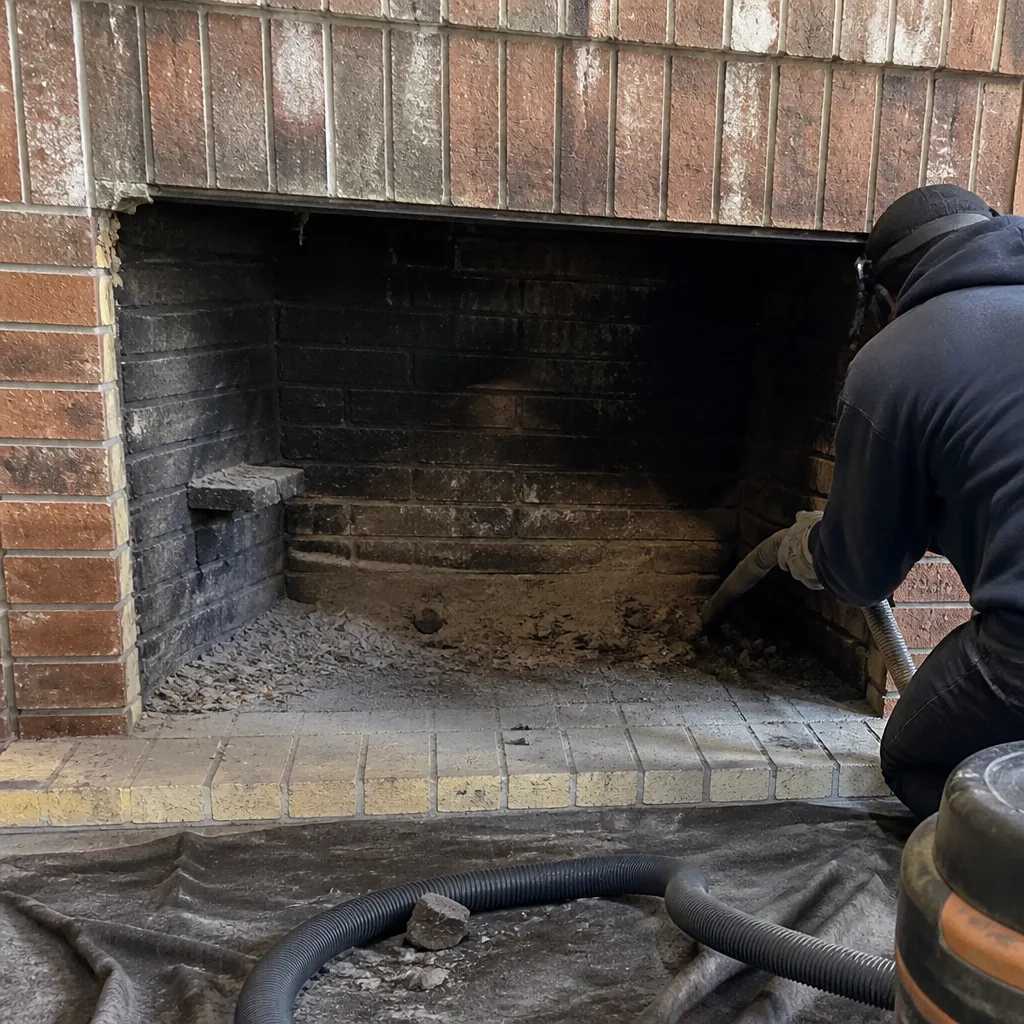 Before
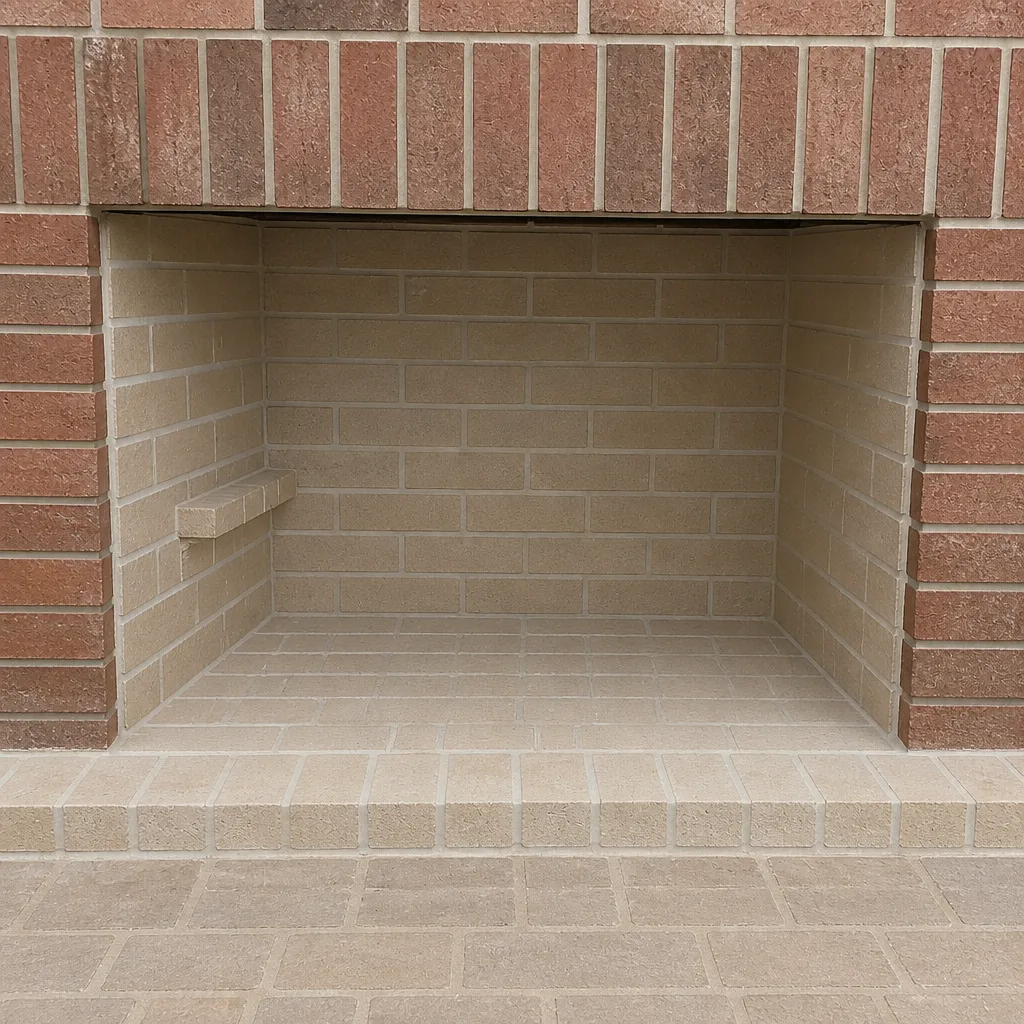 After
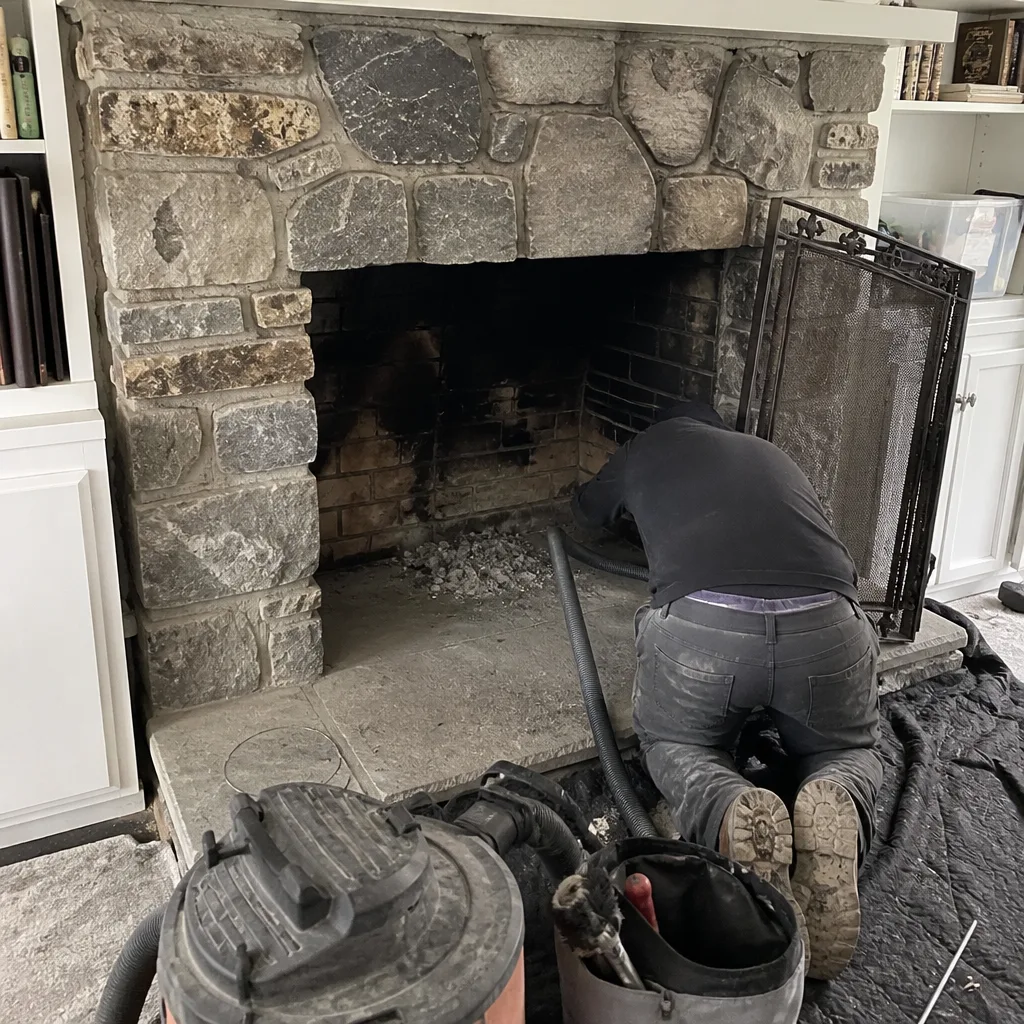 Before
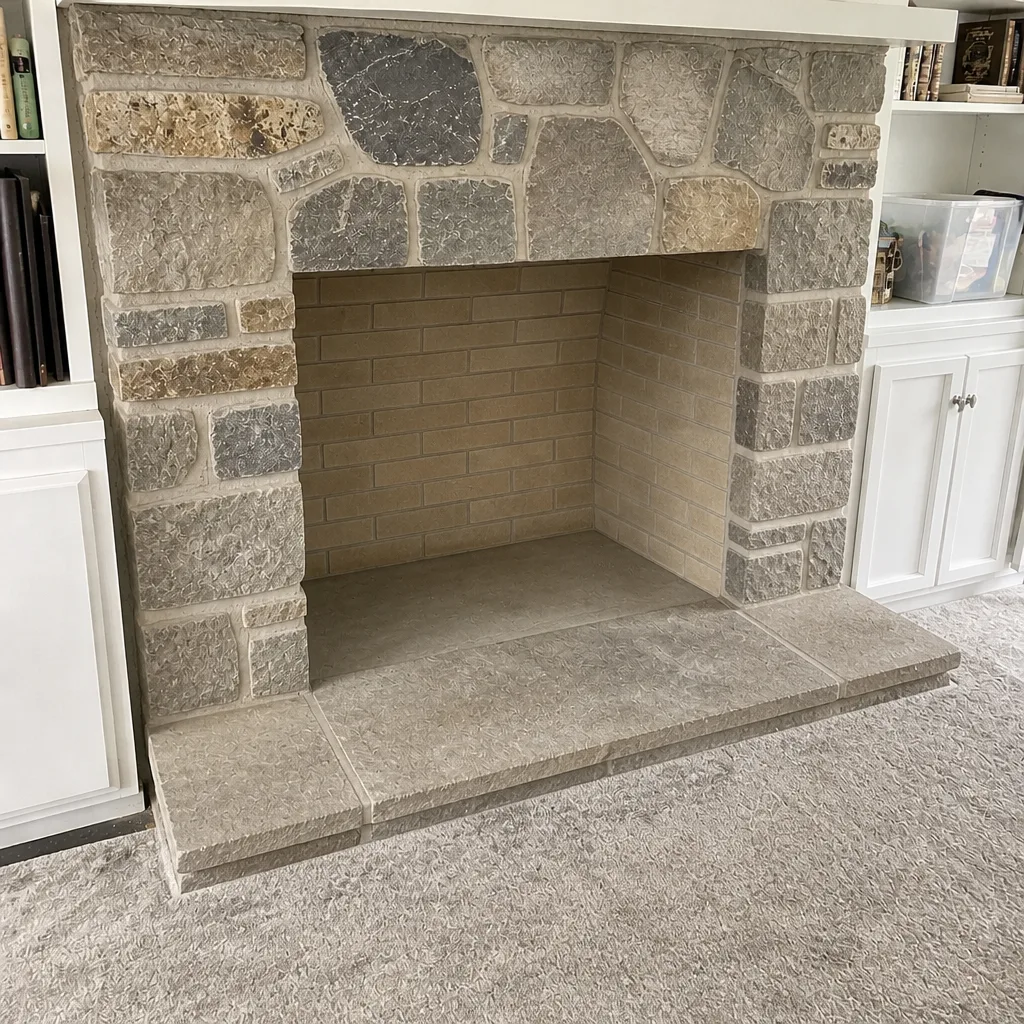 After
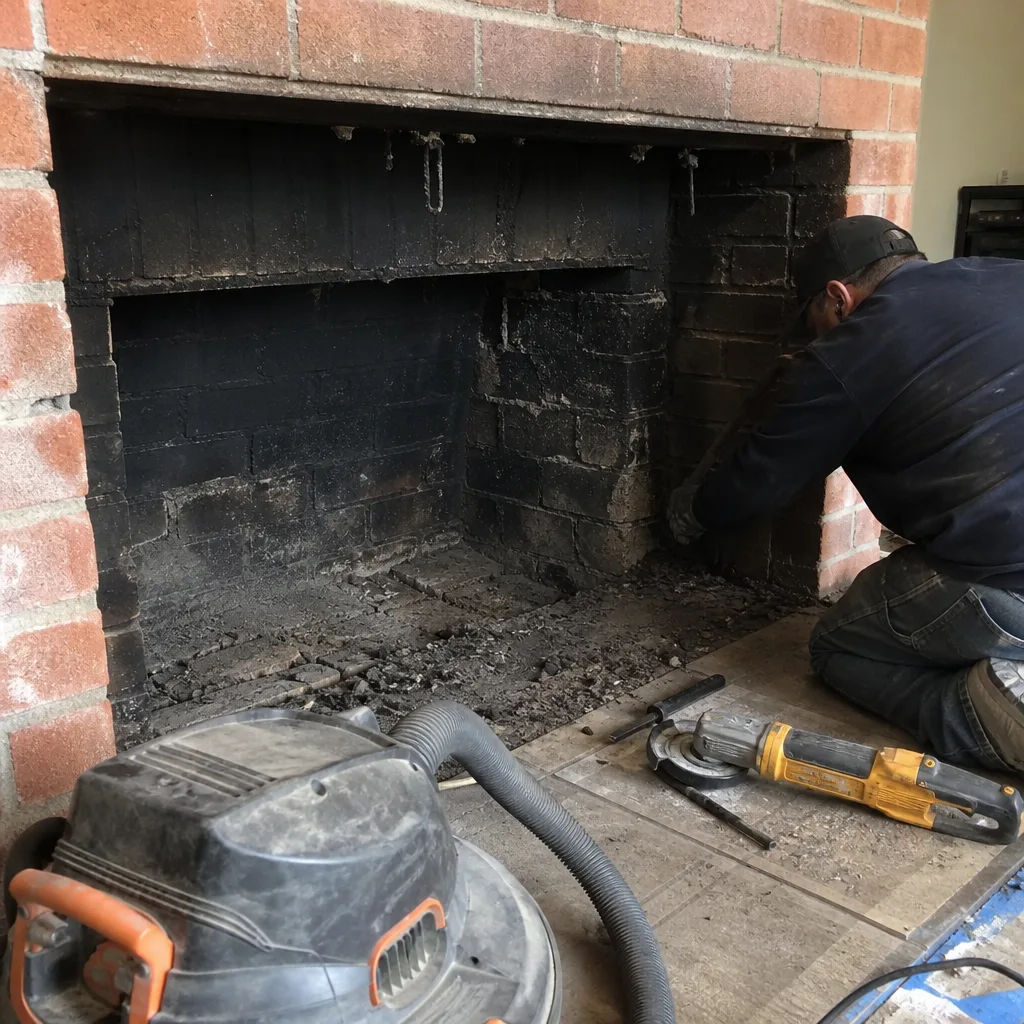 Before
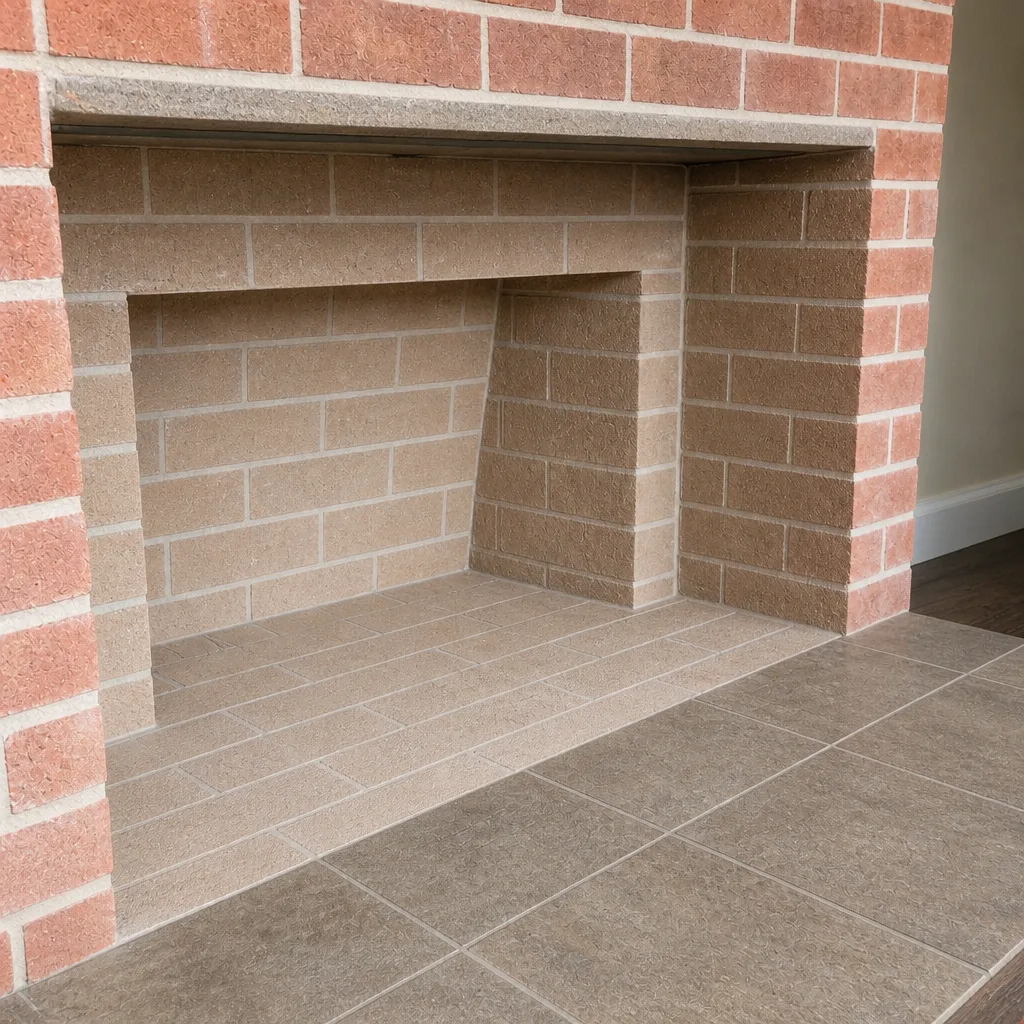 After
Frequently Asked Questions
Stop feeding the fire, get everyone out of the house, and call 911. An active chimney fire can spread into the structure, and the fire department needs to check areas you can’t see. Once the fire department clears the home, the flue still can’t be used again until a Level 2 inspection passes it. Call (888) 919-0637 to book that inspection.
Yes, if the flue top is open or the cap is damaged. Wind-driven embers can land on or slip past a missing or deteriorated cap and drop into the flue. A properly fitting cap with intact mesh closes that opening. If your cap is missing or looks worn, get it replaced before the next fire season.
Once every year, plus a fresh inspection after any chimney fire or earthquake. How often you need the flue swept depends on how much you burn: occasional fireplace use and a wood stove used as primary heat are different loads. The inspection is what tells you whether a sweep is needed that season. Call (888) 919-0637 to schedule one.
No. A chimney fire that burns out on its own can still leave cracked flue tiles, warped liners, or damaged mortar joints that you can’t see from the firebox. The flue must be inspected before it’s used again. Call us to book a Level 2 inspection with a camera view of the flue.
From the ground and safely outside, look for tilt or lean, new cracks in the masonry above the roofline, displaced bricks, and a cap that has shifted or come loose. If you see any of those, don’t light a fire. The flue needs an inspection before it’s used again. If you’re not sure, an inspection gives you the answer, and Santa Rosa homeowners with older masonry chimneys should treat this as a priority check.
Yes, in two ways. It documents your chimney’s condition, which is useful for insurance compliance and for a claim if a fire event damages your home. And it catches problems like a damaged cap or cracked flue early, before an emergency. Call (888) 919-0637 for an estimate on a formal inspection.
The Bottom Line
Chimney emergency preparedness in Santa Rosa comes down to three habits. Keep the cap and flue sealed, because an open or damaged flue is a direct ember entry point during a wildfire event. Know the sequence for an active chimney fire, and never reuse the flue until a Level 2 inspection clears it after a fire. And inspect the chimney after every earthquake and before every burning season, because the problems that cause emergencies are the small ones you can’t see from the firebox. Most of what’s in this guide can be avoided with one annual visit. The parts that stay in this guide are the reasons that visit matters so much.
Related Services
Whether you need a routine sweep, a formal inspection, or a repair after a fire or earthquake, Santa Rosa Chimney Cleaning handles all three under one company. We inspect it, clean it, and fix it, with professional-grade components from names like DuraFlex, Copperfield, HeatShield, and Olympia Chimney. Our technicians have up to 10 years of experience.
Call (888) 919-0637 for a free estimate. We answer 24/7. Fast dispatch from 7am to 7pm, Sunday through Friday.
Written by the team at Santa Rosa Chimney Cleaning.
What happens when you call
- 1
A real person answersNo phone trees – you reach a local pro.
- 2
You get an upfront price rangeHonest numbers before anyone is dispatched.
- 3
A background-checked tech heads outLicensed & insured, dispatched right away.
- 4
You approve before work beginsNothing starts until you say go.