
Last updated November 15, 2026
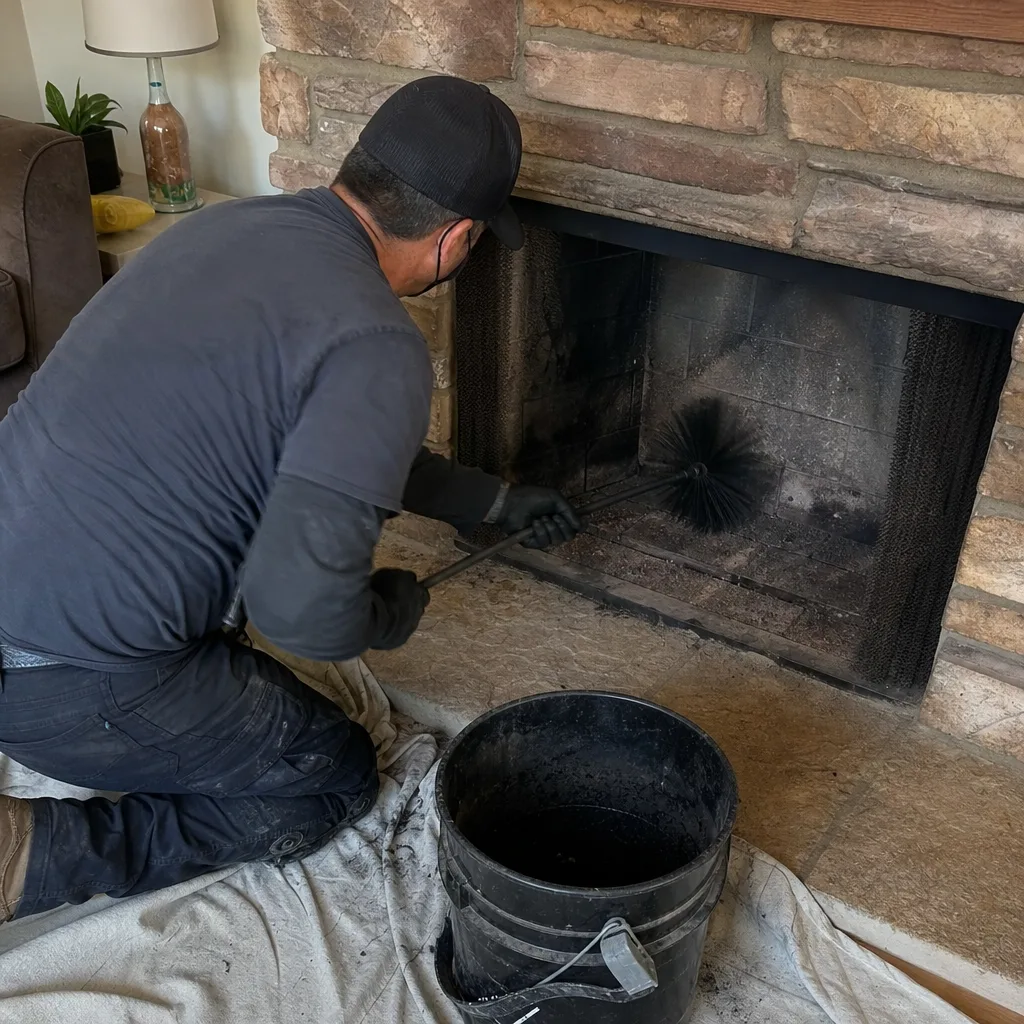
 Sweep & inspection
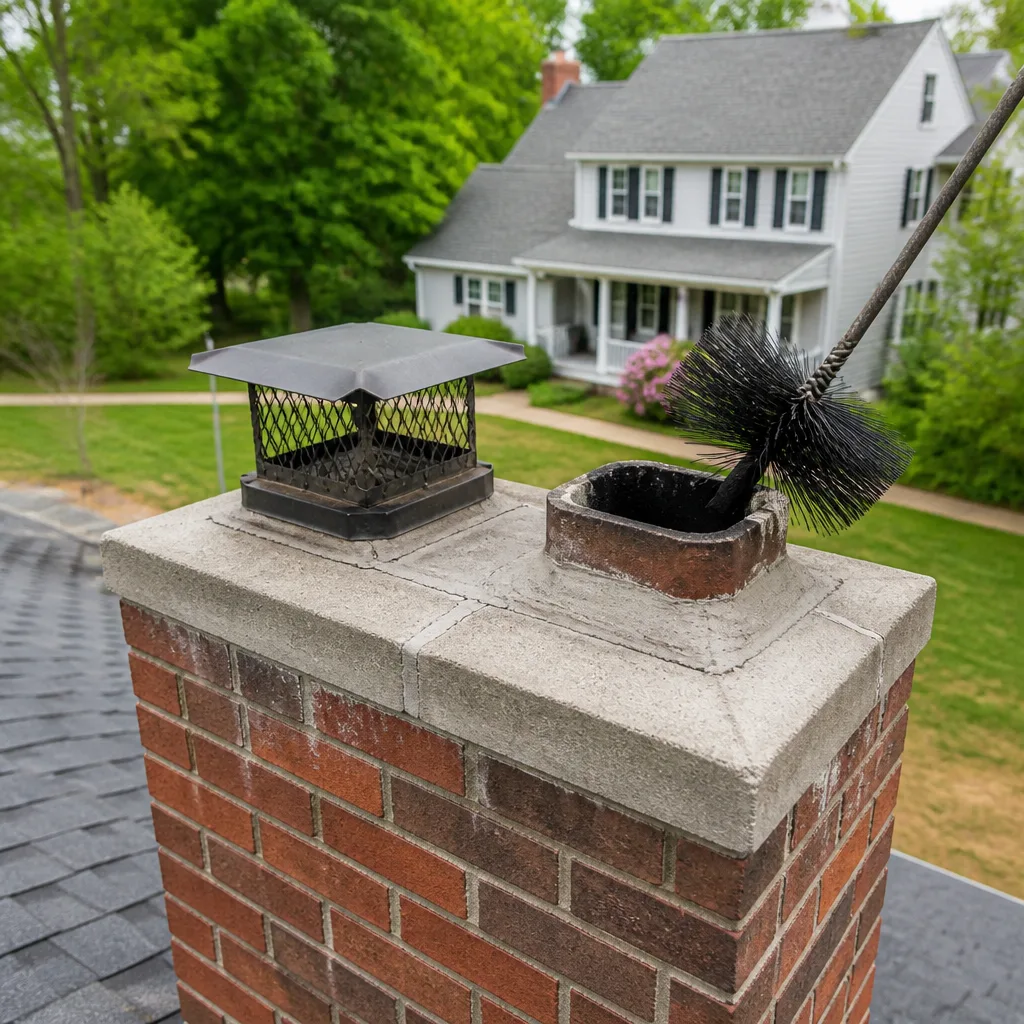
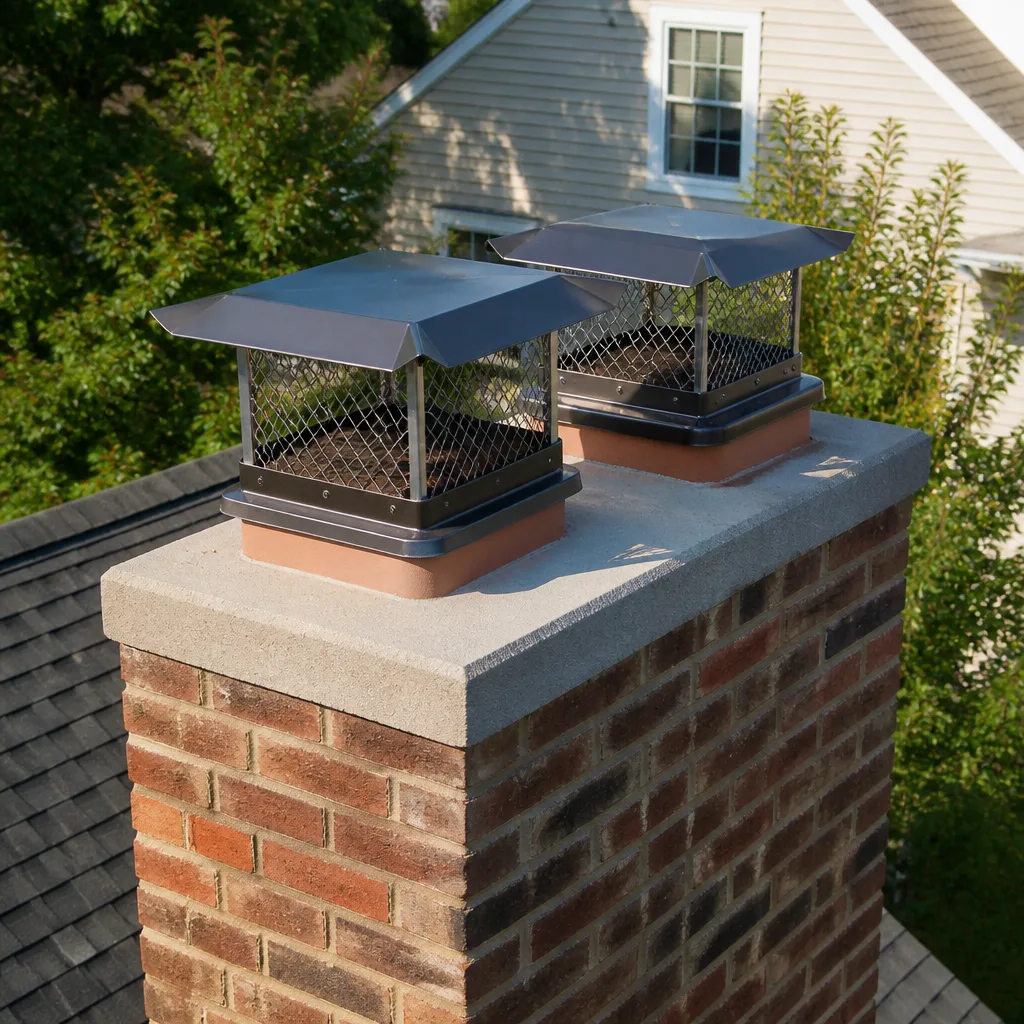 Caps & crowns
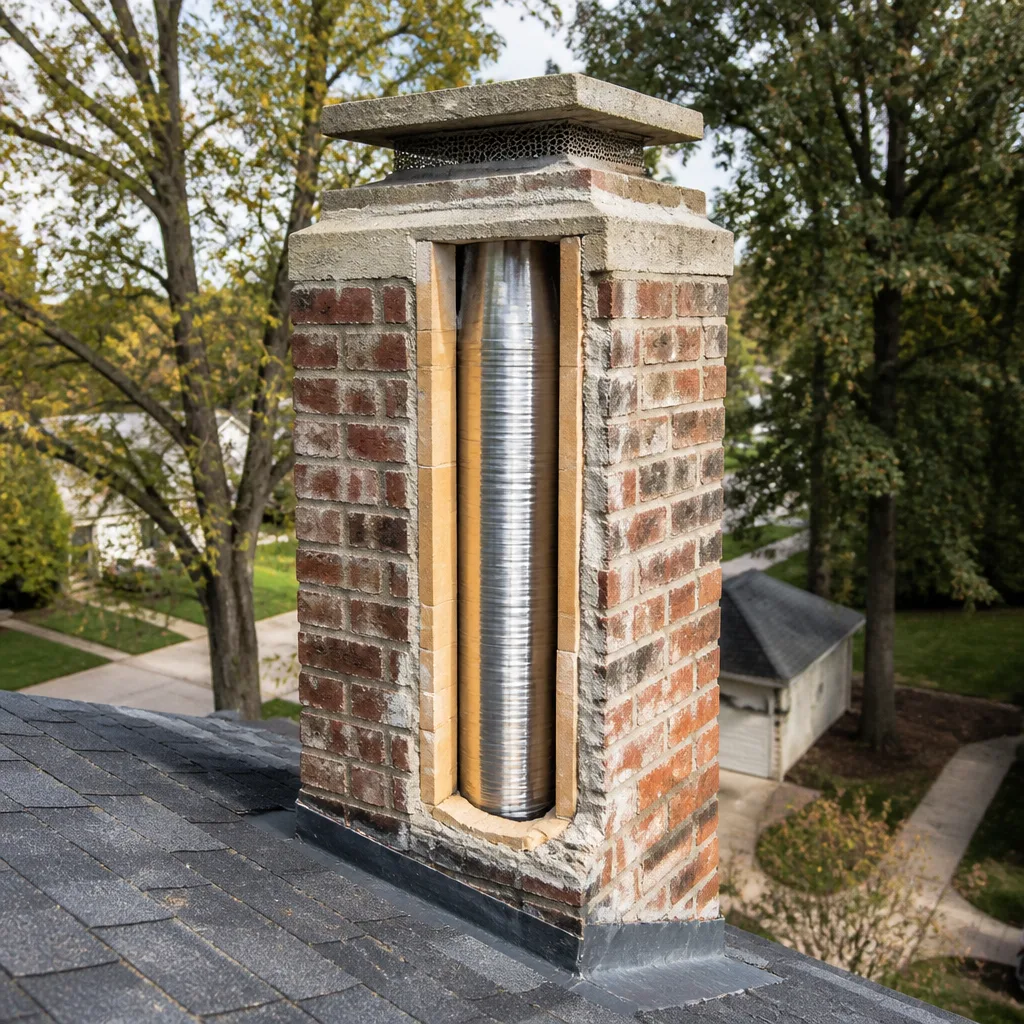 Flue relining
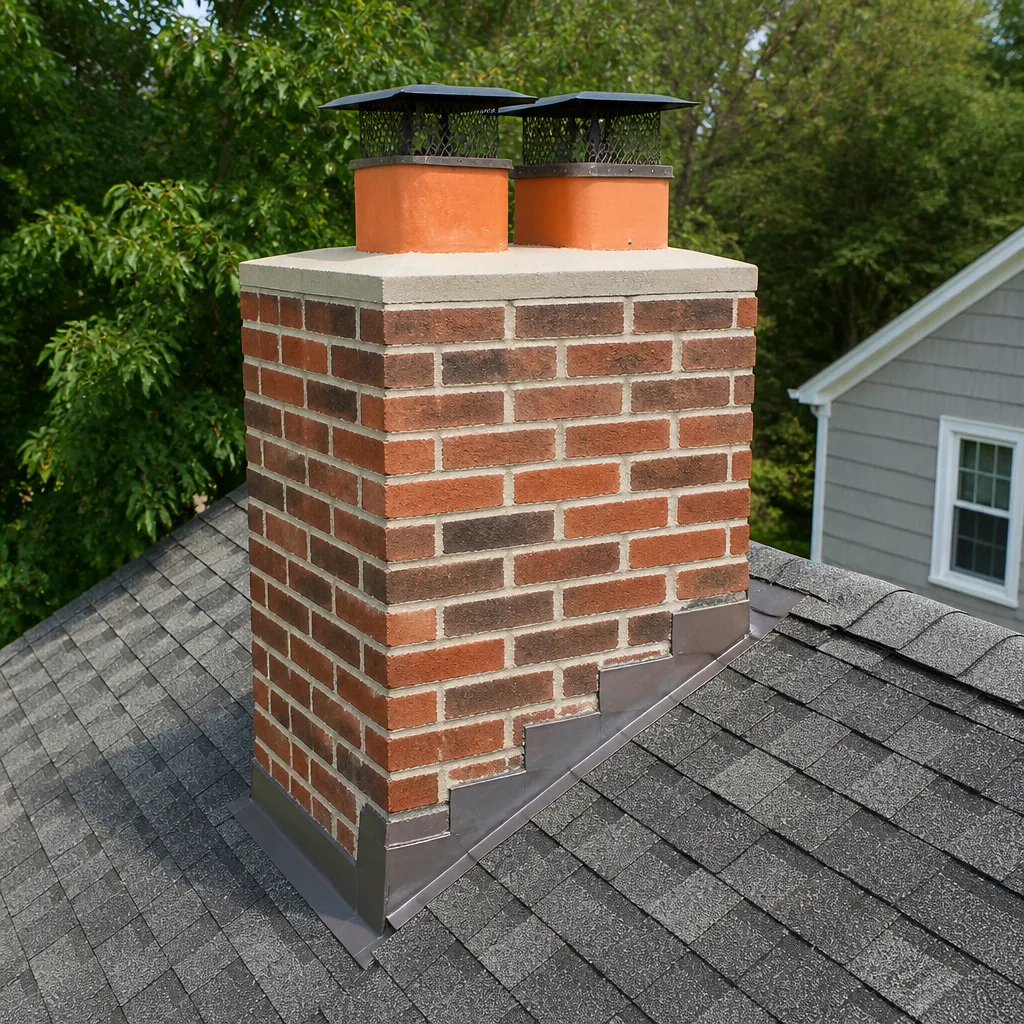 Masonry repair
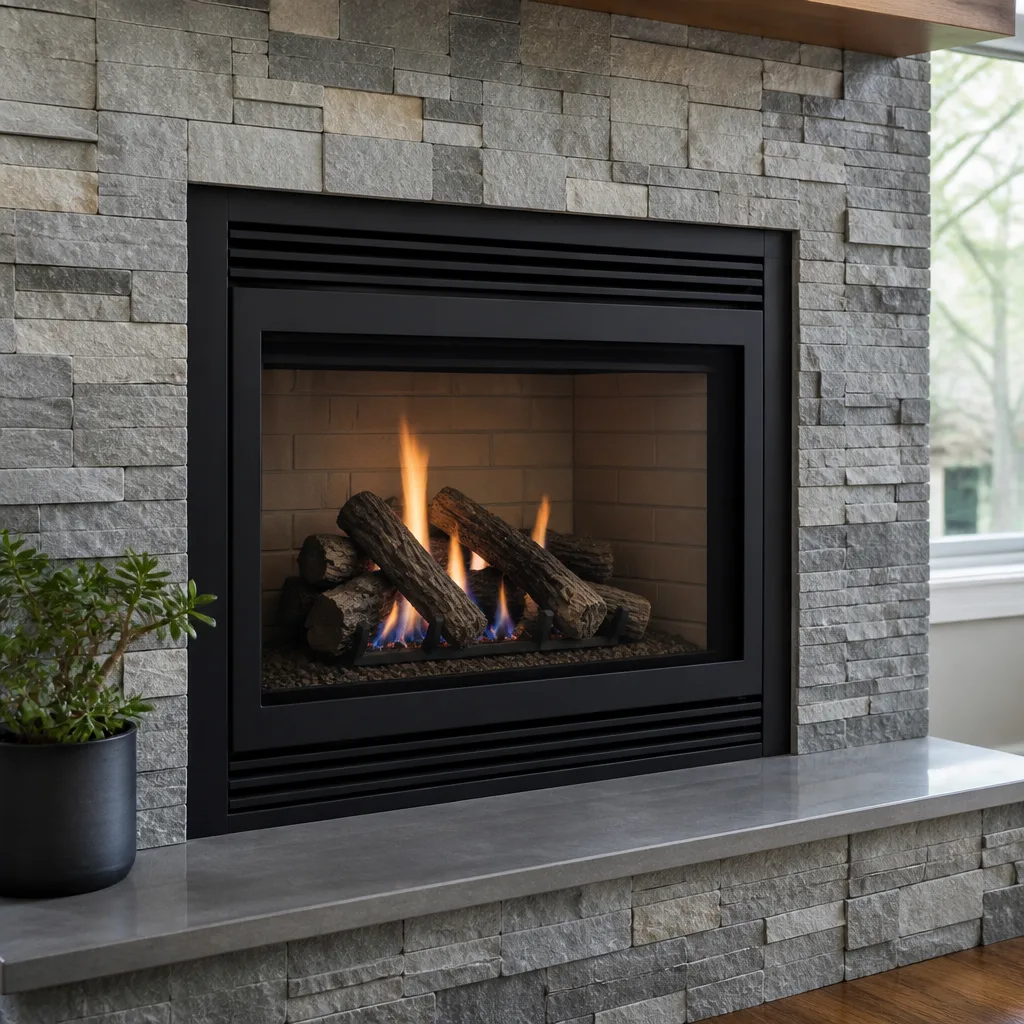 Gas fireplace service
Level 1 sweep and inspection to the NFPA 211 annual standard - flue, crown, cap, and flashing checked and photographed
Chimney sweep logs do not sweep chimneys. They loosen some creosote - which then falls where a brush and vacuum still have to collect it.
Choosing the Right Chimney Cleaning Brand: A Buyer’s Guide for Santa Rosa
Two chimney crowns sealed on the same afternoon can look identical from the driveway. One is coated with a masonry-grade elastomeric product built to flex through Northern California’s wet-dry cycle. The other is dressed in a hardware-store substitute that will chalk, crack, and peel within a few seasons. You can’t tell them apart on installation day. You can tell them apart a decade later, and by then the difference is already written into your flue. The brands behind your liner, cap, and sealants aren’t commodity products you swap without consequence – they’re engineered systems with ratings, listings, and warranties that behave very differently over time. This guide shows you how to read those differences, what to ask a Santa Rosa sweep before they start, and why material choice is a ten-year cost question rather than a one-day invoice.
Quick Answer
The right chimney cleaning brand depends on the specific product category, not a single logo: liner systems like HeatShield, caps from Gelco or Olympia Chimney, and masonry-grade sealants. A credible Santa Rosa sweep should be able to name the brand for each component and explain its UL listing, warranty, and suitability for your flue – not just tell you it’s “good stuff.” If they can’t name it, they can’t back it, and your liner lifespan is what pays for that vagueness.
Styles & brands we work with
- Sweep & inspection
- Caps & crowns
- Flue relining
- Masonry repair
- Gas fireplace service
Table of Contents
- Why Chimney Brands Matter More Than You Think
- The Brands by Category: Liners, Caps, and Sealants
- How to Ask Your Sweep What Brand They Use
- Why UL Listing Matters for Liner Systems
- The Warranty Gap Between Branded and Generic
- Ten-Year Cost of Ownership, Not the Today Invoice
- HeatShield Resurfacing as a Smart Middle Path
- What Santa Rosa Conditions Do to Chimney Materials
Why Chimney Brands Matter More Than You Think
Chimney components don’t fail because they were installed wrong, at least not most of the time. They fail because the wrong material was chosen for the conditions inside your flue. A liner rated for a wood-burning appliance reacts to creosote, condensate, and heat cycling in a specific way, and that reaction is engineered into the product. A generic substitute that “works fine” the day it’s installed may not have a rated service life at all, which means nobody can tell you how it will hold up over the seasons you plan to use that fireplace.
Santa Rosa sits in a climate that runs the full range – wet, cool winters and long dry summers with wide swings between afternoon heat and cool nights. That wet-dry cycle is mechanical work on your chimney. Materials expand and contract repeatedly. Crowns, mortar joints, and sealants that don’t flex with that movement will crack. Any sweep or specialty chimney repair professional can install a product; the difference is whether the product was engineered for the stress your climate actually produces.
In our experience, homeowners who ask about brands tend to stay customers for years, because they understand what they paid for. Homeowners who only ask “how much” tend to have the same chimney problem again in three or four seasons, often worse. The brand is the single largest variable you can control in that outcome.
What a Professional-Grade Chimney Brand Actually Includes
- Published performance ratings – temperature limits, chemical resistance, service life estimates.
- UL listing or ASTM compliance tied to a specific application, not just a general “for chimneys” label.
- A warranty backed by a manufacturer that will actually answer a claim.
- Documented installation methods that local installers can follow and inspectors can verify.
The Brands by Category: Liners, Caps, and Sealants
Chimney products fall into three functional categories, and each has its own set of professional-trade names. Confusing them is the most common brand mistake we see. A liner brand doesn’t make a good cap, and a sealant brand isn’t a liner system. Ask about each separately.
Liner Systems
Liner brands include HeatShield, DuraFlex, Copperfield, Olympia Chimney, and Flex-All. Each serves a different function. Flexible stainless liners like DuraFlex and Copperfield are used to reline a flue, providing a new continuous barrier from the appliance connection up to the top. HeatShield is a ceramic-based resurfacing product that restores a deteriorating clay flue without a full reline in cases where the substrate is still structurally sound enough to receive it. Olympia Chimney and Flex-All sit in the flexible reline category as well. The right one depends entirely on the condition of your flue, which is why inspection comes before brand selection.
Caps and Top Seals
Caps are load-bearing against weather and animal intrusion. Gelco and Lyemance are the recognized names. Gelco caps are typically stainless or powder-coated, designed to shed water and keep out wildlife, while Lyemance makes the top-sealing damper style that closes tight against winter downdrafts. A generic cap often looks similar but uses thinner metal or a gasket that degrades quickly in a wet-dry climate. The cap is one of the smallest line items on your estimate and one of the largest causes of water damage inside a chimney, so it’s not a place to shop by price alone.
Sealants and Crown Coatings
Crowns and masonry surfaces need a coating that stays flexible as the masonry moves. ChimneySaver and CrownCoat are the professional-trade names; both produce elastomeric products engineered for masonry, with published flexibility and vapor-permeability specs. A hardware-store polyurethane or silicone will seal a crack in April and peel off by the following October. The relevant brand here isn’t cosmetic – a chimney crown that stays sealed is a chimney that keeps water out of the flue lining and out of your framing.
How to Ask Your Sweep What Brand They Use
The easiest way to sort a tradesman who is brand-aware from one who isn’t is to ask a specific, calm question before booking. A professional will answer with a concrete brand name and a reason. Someone who says “we use the best” or “whatever’s available” is telling you they either don’t know or don’t want to say. Neither is a good sign for a repair you plan to rely on for the next fifteen years.
The Question Set
- “What liner brand would you use for my flue, and why that one?” A professional names the product and explains why it fits your flue size, appliance type, and the condition the inspection found.
- “Is it UL listed for my application?” Liner systems are listed to a specific standard for a specific appliance fuel type. Ask them to confirm the listing applies to yours.
- “What’s the manufacturer’s warranty, and who backs it?” The product comes with a manufacturer warranty, but the installation is backed by the chimney specialist. You should hear both in the answer.
- “What cap brand do you use, and how is it rated?” A named cap brand and a stainless or heavy-gauge coating is a good answer. “A standard cap” without a name is a soft answer.
- “What sealant do you use on crowns?” ChimneySaver and CrownCoat are the correct professional answers. Generic caulk is the wrong answer.
What a Vague Answer Sounds Like
“Oh, we use the highest grade on the market.” “It’s all the same stuff, just rebranded.” “Whatever the supplier has in stock.” None of those answers identify a product, a listing, or a warranty. When you hear one, ask to see the packaging or the data sheet. If the brand isn’t printed on the product, it isn’t a brand commitment. A show of product literature is normal in this trade, and reputable specialists will not hesitate to share it.
Why UL Listing Matters for Liner Systems
UL listing means an independent testing lab has verified that a liner system meets a minimum safety standard for a specific application. It is not a marketing badge – it’s the evidence that a product’s performance has actually been measured against fire, heat, and corrosion conditions. For a chimney liner, that standard is the difference between a barrier that keeps heat and gases out of framing materials and one that only looks like it does.
Nearly everything that matters in a liner depends on the listing applying to your installation. A liner listed for a natural-gas appliance isn’t necessarily listed for wood. A liner sized for a masonry chimney isn’t automatically the right product for a prefabricated one. The listing document scopes the product to specific conditions, and your Santa Rosa chimney specialist should be able to tell you which scope your flue falls into. When you look at any chimney repair scope of work, the UL listing for the liner belongs to the paperwork, not just the labor.
How to Verify the Listing Applies
- Ask for the manufacturer and model of the liner being proposed.
- Ask for the listing reference or the data sheet, which specifies the appliance type and the installation method.
- Confirm your appliance fuel type matches the listing (wood, gas, or oil each differ).
- Confirm your flue construction type matches the listing (masonry or factory-built).
- Confirm the installation method in the scope matches the listing’s required method – this is where installers cut corners.
If a sweep can’t produce a listing reference, the liner is unlisted. That doesn’t mean it will fail tomorrow, but it does mean nobody has verified what it will do in a chimney fire, and no warranty will stand behind an unlisted installation. For a product designed around a fire, that’s the wrong place to save a few dollars.
The Warranty Gap Between Branded and Generic
Warranty is where the difference between professional-grade brands and generics becomes visible even to a homeowner who doesn’t read data sheets. A name-brand liner from HeatShield, DuraFlex, or Olympia Chimney carries a manufacturer warranty, backed by a company that has a warranty claims process and will respond to it. A generic liner sold through a third party often carries no warranty at all, or one administered by whoever sold it – which is typically a distributor who has moved on to a different product line by the time you have an issue.
The warranty question has two layers. First, the product warranty: the manufacturer backs the material. Second, the installation: the chimney specialist who installed it stands behind the work. Both matter. A branded product installed badly will fail, and a generic product installed perfectly is still an unlisted bet. A Santa Rosa homeowner with both a product warranty and an installer’s backing has two parties who care whether the liner works in year six.
What to Keep in Your Records
- The product name and model of the installed liner.
- The UL listing reference for that product.
- The manufacturer warranty document.
- The installer’s written scope of work and warranty terms.
- The inspection report that identified the need for the repair in the first place.
If you ever sell the house, or if you ever file an insurance claim on the chimney, those five documents do more for you than any verbal promise at install time. Ask for them before you pay the balance.
Ten-Year Cost of Ownership, Not the Today Invoice
The invoice you hold today is a one-time cost. The number that actually matters is what that chimney costs you over the next ten years. In our experience, that comparison favors branded products by a wide margin even when the branded product costs more up front, because the failure cycle of a generic installation tends to land in years four through eight – conveniently after any implied warranty has expired and inconveniently close to the next inspection cycle.
Consider the arithmetic of a generic crown coating. It costs less to apply today. It peels within three to five wet-dry seasons in Santa Rosa conditions. The peeling exposes masonry to water, which is the largest cause of structural chimney deterioration. Reworking the crown costs more than the original branded coating, plus any masonry repair that followed the water in. The branded elastomeric product typically sits sealed through the same period without rework, which means its cost is paid once.
Liner products follow the same pattern. A branded stainless liner installed correctly is expected to last decades. An unlisted or generic liner with no warranty exposure has no documented service life, and the cost of relining it in year seven is essentially the cost of the original job paid twice, with a higher total after any damage the failed liner caused.
Questions That Reveal the Ten-Year Cost
- “What’s the expected service life of this specific product?”
- “What voids the warranty?”
- “What’s a realistic replacement cycle for my appliance and my burning habits?”
- “What does the manufacturer say about this product in a wet-dry climate?”
- “If this fails in year six, what does the repair look like?”
A chimney specialist who can answer those five questions from product literature is showing you the ten-year cost, not just the invoice. The one who answers “it’ll last forever” is showing you something else.
HeatShield Resurfacing as a Smart Middle Path
A deteriorating clay flue has historically had two outcomes: leave it and risk progressive damage, or reline it. HeatShield changes that list. It’s a ceramic resurfacing system applied to the interior of a clay flue where the substrate is still structurally sound enough to receive it, restoring a smooth, sealed, fire-rated surface without introducing a new stainless liner inside the existing one. For the right flue, it’s a smaller job with a shorter disruption window and a lower cost than a full reline. For the wrong flue, it isn’t appropriate at all, and a specialist should tell you so.
What makes HeatShield a useful option is that it’s a formal product with a defined installation procedure and manufacturer certification for the technician applying it. It is not a generic brush-on coating, and it is not the same as a masonry repair patched with mortar. Our team holds HeatShield application capability, which matters because a resurfacing job done by an uncertified applicator has no manufacturer backing to fall back on if the surface fails.
When HeatShield Is and Isn’t a Fit
- Fits: cracked or spalling clay flue interior, structurally sound surrounding masonry, correct flue size for the appliance.
- Doesn’t fit: masonry too far gone, flue dimensions that can’t be properly coated, or a flue that’s already the wrong size for the appliance and needs a full liner to bring it into range.
- Requires: a camera-based inspection before anyone recommends it. There’s no way to know if a flue qualifies without seeing inside it.
If a Santa Rosa sweep proposes HeatShield without a camera inspection, ask for the inspection first. The whole point of a professional-grade resurfacing product is that it’s applied to the right flue for the right reason – not as a convenient default.
What Santa Rosa Conditions Do to Chimney Materials
Santa Rosa’s seasons don’t ask much of your chimney’s materials in isolation, but they move those materials a lot. The wet-dry pattern – wet winters, long dry summers, wide day-night temperature swings – works on a chimney continuously. Masonry moves. Sealants flex or crack. Crowns open tiny gaps at their edges. None of this is dramatic on any given day, and none of it shows up on a visual glance from the ground. It accumulates.
That matters for brand selection because the products that fail in Santa Rosa are usually the ones engineered for a benign climate. A flexible elastomeric crown coating rated for repeated movement will flex with the masonry; a rigid stucco patch won’t. A stainless liner rated for a wet masonry chimney will resist the acidic condensate that forms in an intermittently used flue; a lower-grade metal won’t. Any material recommendation has to be matched to the specific conditions inside your chimney and to how you actually use your fireplace – last winter’s pattern of burning is not necessarily next winter’s.
What Santa Rosa Homeowners Should Have on Their Chimney Radar
- Wood-burning stoves and fireplaces that are used intermittently produce more condensate and creosote than appliances burned regularly.
- Crowns and mortar joints need a flexible, masonry-grade coating to handle wet-dry movement.
- Caps that look intact can have a failing gasket – worth checking with each inspection.
- Neighborhood fire history has made many Santa Rosa homeowners more attentive to chimney safety documentation for insurance purposes.
If you’re in Santa Rosa, this accumulation pattern is what makes an annual chimney sweep and inspection worth the visit – not because something will always be wrong, but because periodic evidence beats a surprise.
Common Mistakes to Avoid
- Accepting a brand name without a listing reference. Even a legitimate brand can be listed for the wrong application. Confirm the listing matches your flue and appliance.
- Treating “the best on the market” as an answer. It isn’t. You want the product name and why it was chosen for your chimney.
- Letting a generic sealant go on a crown. It’s the most common corner cut in this trade and the most likely to cause water damage in Santa Rosa’s wet-dry climate.
- Shopping liner work by price alone. A generic liner that fails in year seven costs more than a branded one that lasts decades.
- Skipping camera inspection before repair recommendations. Any repair without camera evidence is a guess. Ask to see the footage before you approve a scope.
- Accepting a cap without a brand. Caps are small line items and large sources of water intrusion. You should know what’s going on top of your chimney.
- Throwing away the warranty paperwork. Store the product name, listing reference, manufacturer warranty, and installer scope together. Future-you will need them.
See the difference
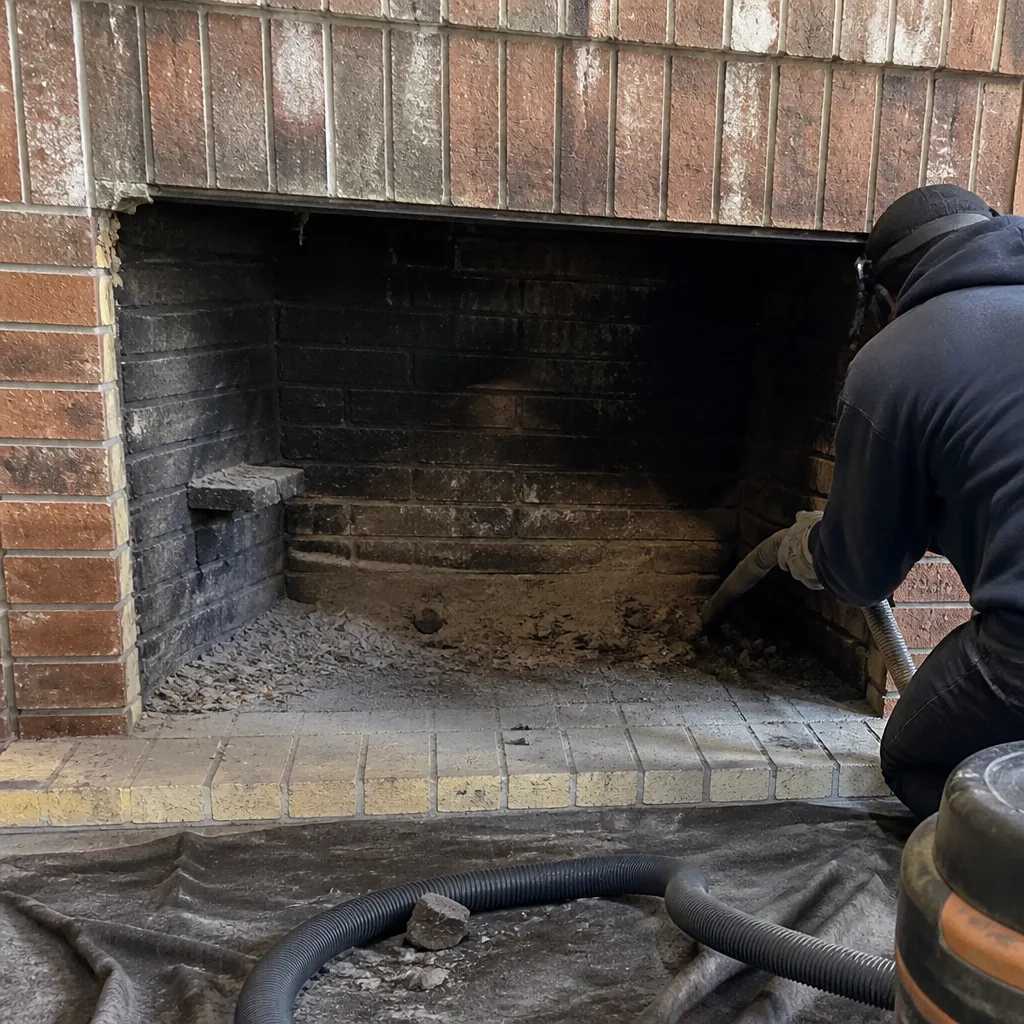 Before
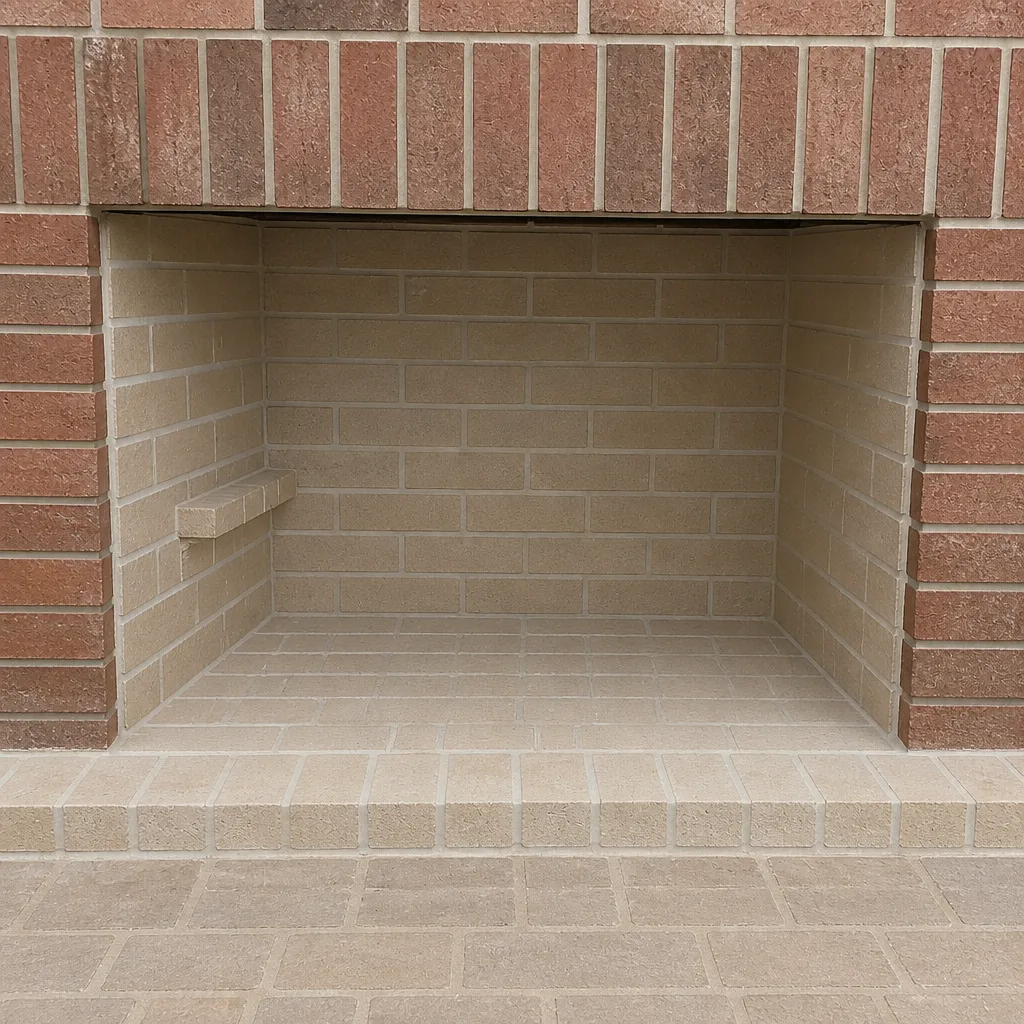 After
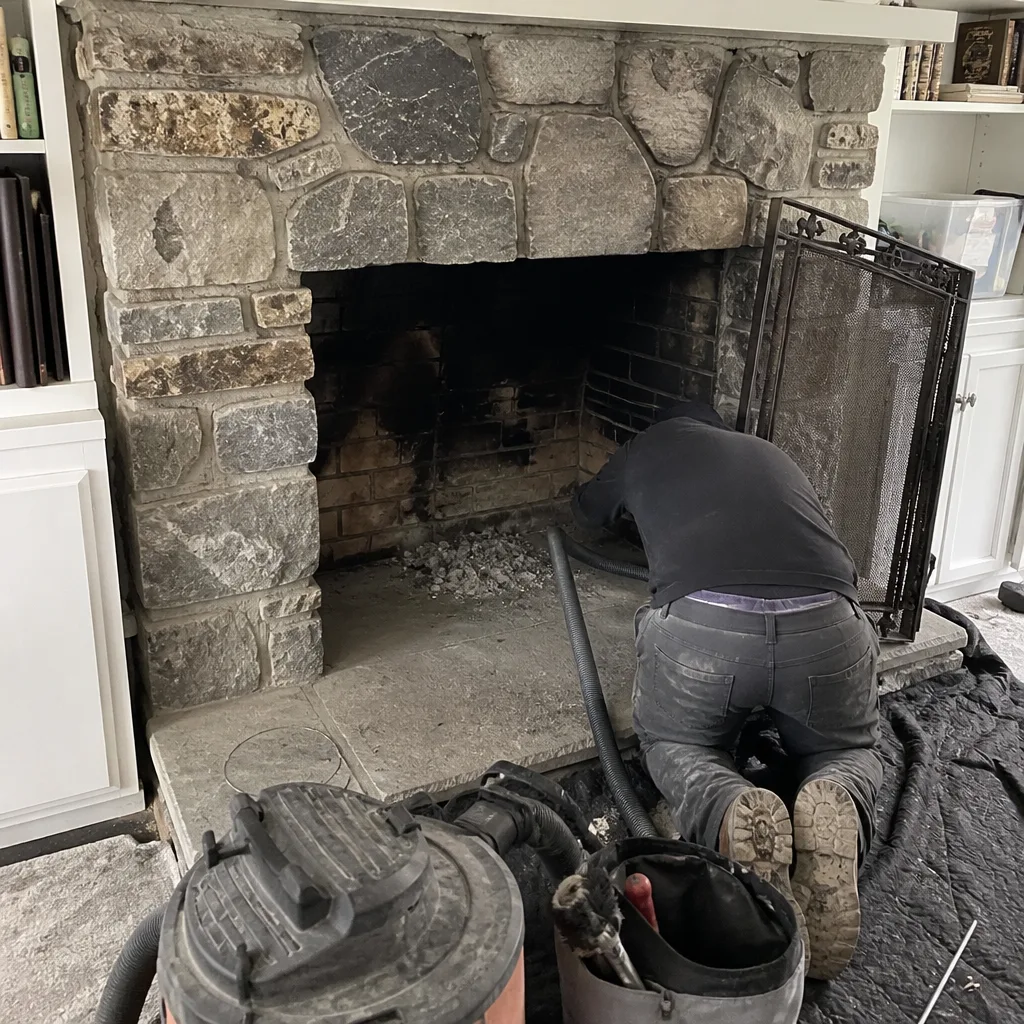 Before
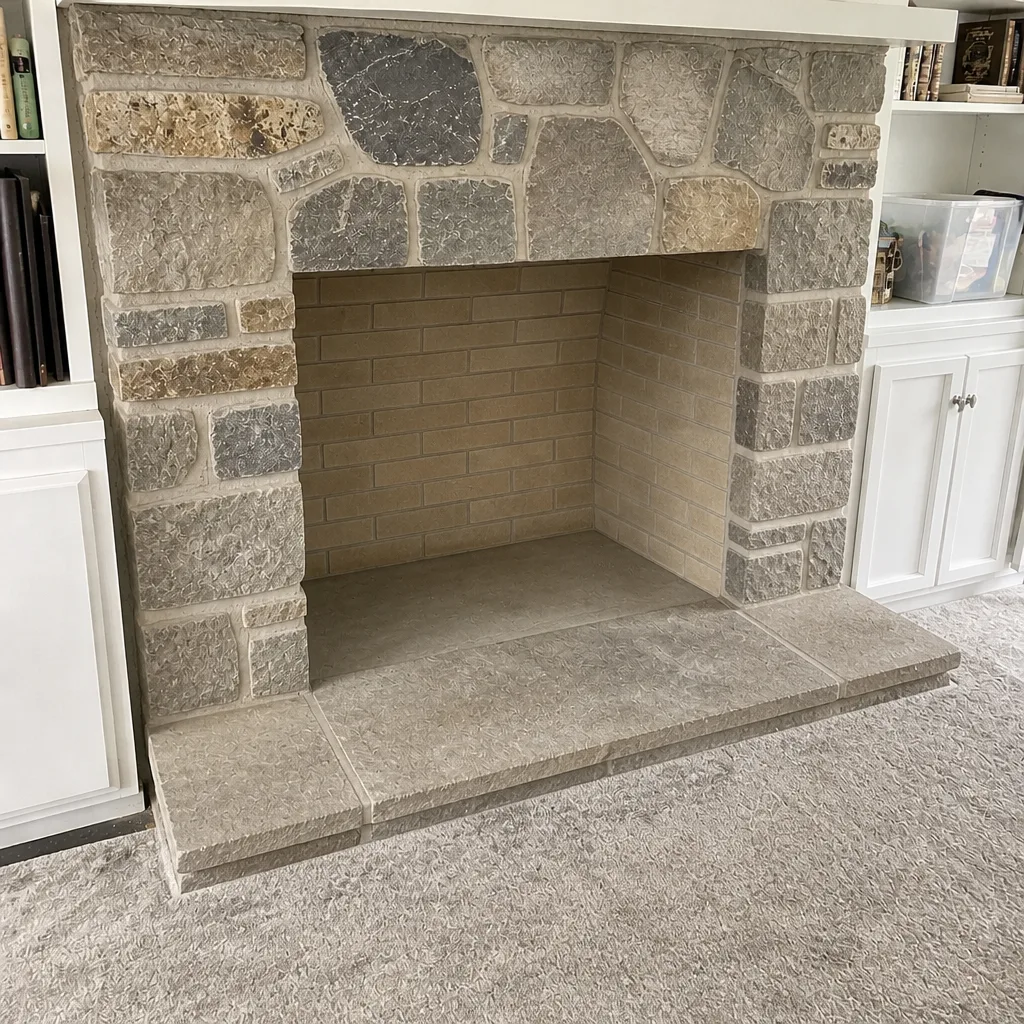 After
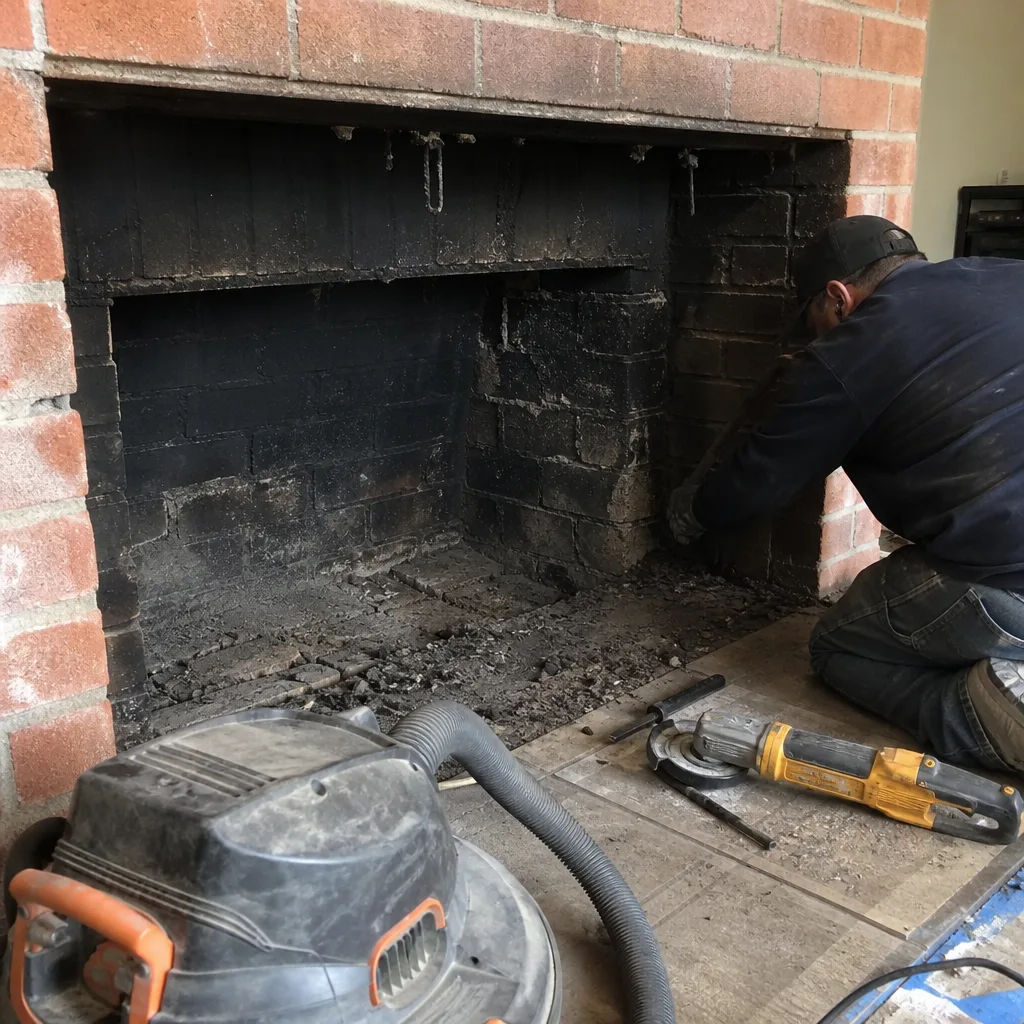 Before
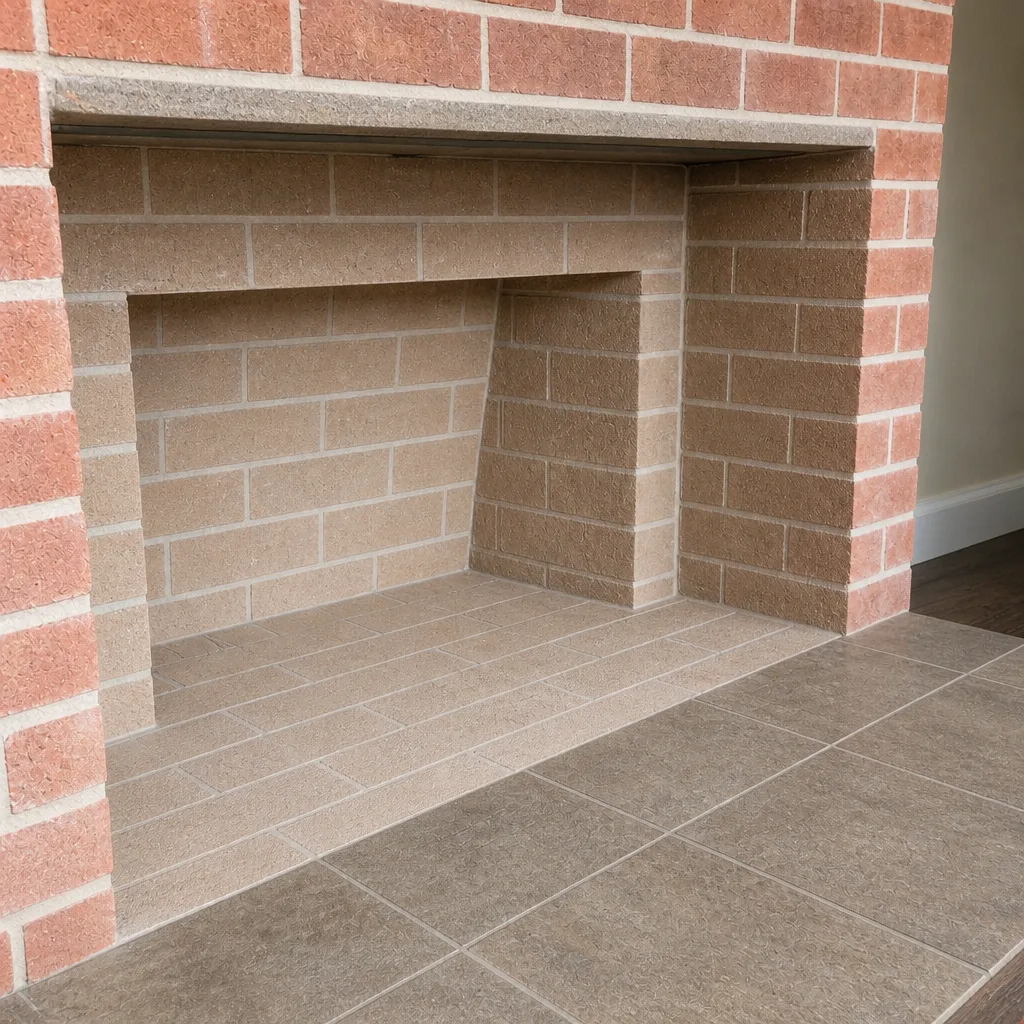 After
When to Call a Professional
Call a chimney specialist when you see visible signs of a failing crown – cracks, missing mortar, rust streaks below the cap – or when your liner material was installed more than a decade ago. Call when your fireplace starts to smoke into the room instead of up the flue, when you smell a sharp creosote odor outside the burning season, or when you’re buying a house and need a formal inspection. Call if it’s been more than a season since your last sweep. Santa Rosa Chimney Cleaning offers free estimates in Santa Rosa – call (888) 919-0637. We answer 24/7. Fast dispatch from 7am to 7pm, Sunday through Friday. Nothing is recommended without camera evidence you can see for yourself, and we’ll tell you plainly when work can safely wait.
Frequently Asked Questions
Ask about the specific product category, not one brand: HeatShield or DuraFlex for liners, Gelco or Olympia Chimney for caps, and ChimneySaver or CrownCoat for sealants. Each serves a different function, so a specialist should name a different brand for each. If you get one name for everything, that’s a warning sign. Call (888) 919-0637 for an exact quote – estimates are free.
Yes. UL listing is the independent verification that a liner system meets a safety standard for your specific appliance type and flue construction. An unlisted liner has no verified performance in a chimney fire and carries no manufacturer warranty standing behind it. Ask to see the listing reference before you approve the install. Call (888) 919-0637 with questions or to book an inspection.
You know by seeing the camera evidence yourself. A credible chimney repair recommendation comes with footage from inside the flue, and the specialist should be able to show you exactly what they’re pointing at. If someone tells you the liner is failing and can’t show you, ask to see it before you approve. Call (888) 919-0637 to schedule a camera-based inspection.
Sometimes. HeatShield ceramic resurfacing is the right repair when the clay flue is structurally sound enough to receive it and the dimensions are appropriate for the appliance. When those conditions are met, it costs less and involves less disruption than a full stainless reline. When they aren’t, a reline is the right call. Camera inspection is what decides which case you’re in. Call (888) 919-0637 for an exact quote – estimates are free.
ChimneySaver and CrownCoat are the professional-grade elastomeric products designed for masonry crowns in wet-dry climates. A hardware-store caulk or a rigid stucco patch will not flex with the masonry movement Santa Rosa’s wet-dry cycle produces, and will start failing within a few seasons. If a contractor can’t name the product going on your crown, ask why. Call (888) 919-0637 to discuss your crown repair.
Sometimes yes. A minor crown crack or a small mortar joint repair is often safe to schedule into the next inspection window rather than rush. A spalling flue liner, a rusted-through cap, or a liner with visible gaps is not. Ask for the inspection to be broken down by what needs attention now versus later, and hold a specialist to that answer. Call (888) 919-0637 – estimates are free and camera evidence is included.
The Bottom Line
Chimney brands aren’t interchangeable, and the difference between a HeatShield or DuraFlex installation and a generic one isn’t visible on the day of the job – it shows up in year six or year ten, when the branded product is still doing its work and the generic has already failed. The three questions that protect you are simple: what brand, what listing, what warranty. A Santa Rosa sweep who can answer all three from product literature is one worth keeping. A sweep who can’t is showing you the ten-year cost the wrong way. See it, verify it, then decide. Our team is here when you’re ready.
For chimney sweep, inspection, and repair across Santa Rosa, call Santa Rosa Chimney Cleaning at (888) 919-0637. We answer 24/7. Fast dispatch from 7am to 7pm, Sunday through Friday. We work with professional-grade brands including DuraFlex, HeatShield, Gelco, Olympia Chimney, Famco, and Copperfield – we inspect it, clean it, and fix it with the same company and the same standard of work. Schedule a chimney sweep and see the camera evidence for yourself. Our technicians have up to 10 years of experience. Estimates are free and the price is set per job by the written estimate.
Written by the team at Santa Rosa Chimney Cleaning.