
Last updated November 15, 2026
 Sweep & inspection
 Caps & crowns
 Flue relining
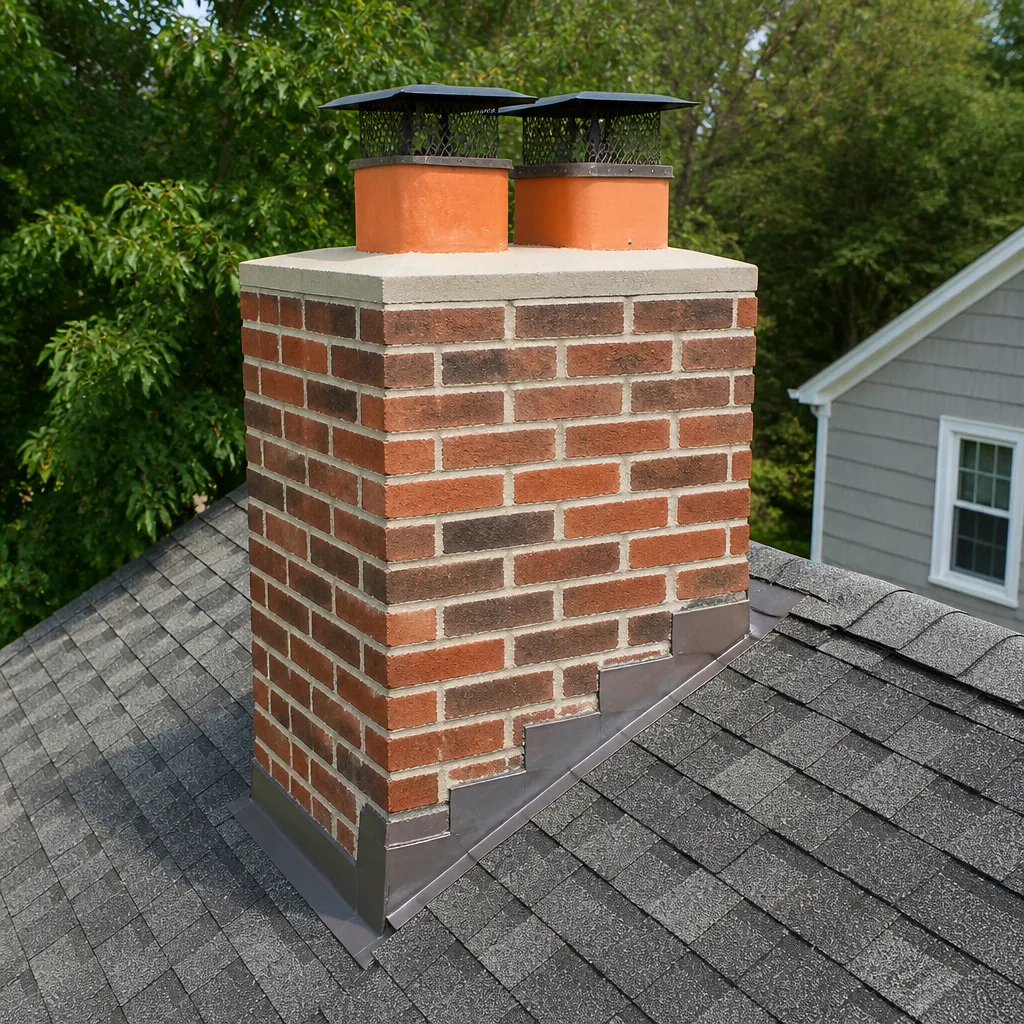 Masonry repair
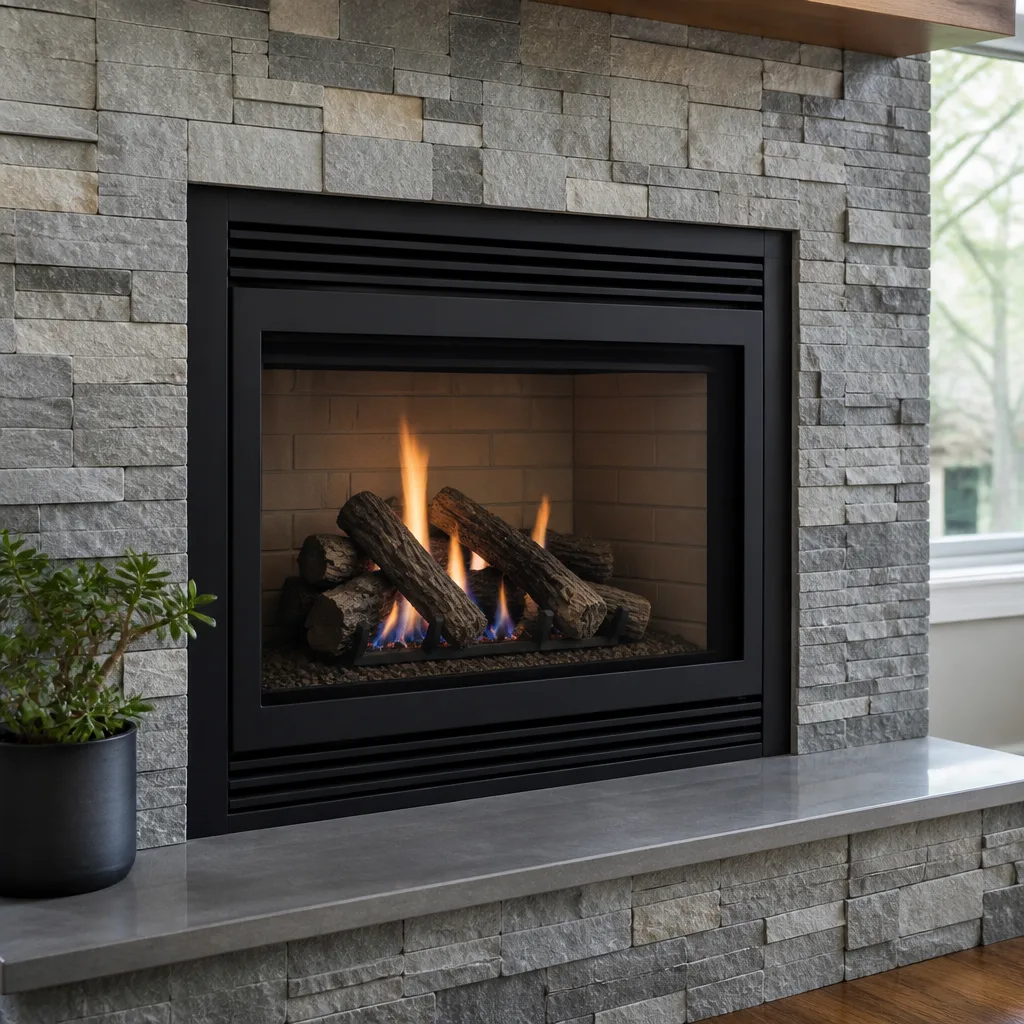 Gas fireplace service
Level 1 sweep and inspection to the NFPA 211 annual standard - flue, crown, cap, and flashing checked and photographed
Chimney sweep logs do not sweep chimneys. They loosen some creosote - which then falls where a brush and vacuum still have to collect it.
Chimney Cleaning Warning Signs: A Santa Rosa Homeowner’s Reference Guide
A smoky smell on a humid morning when the fireplace hasn’t been used in weeks isn’t nostalgic. It’s a draft problem pulling combustion byproducts back into your living space. Most chimney warning signs are visible or smellable from inside the house, and that’s exactly why they get dismissed. Homeowners are rarely told what a stain, a spalling brick, or a certain smell is actually indicating, so it gets written off as “just the fireplace smell.” This guide is written to close that gap. You’ll learn what each odor means, what the firebox and roofline are telling you, which sounds matter, and how to sort warning signs into “schedule soon” versus “stop using the fireplace today.” We work on Santa Rosa chimneys every season, and these are the signals that matter most.
Quick Answer
The main chimney cleaning warning signs are creosote odors that get stronger on humid days, soot staining around the firebox, a damper that sticks or shows corrosion, spalling or white efflorescence on the exterior chase, a cracked crown or damaged cap, and popping or rumbling sounds during a fire. Any of these points to a cleaning, inspection, or repair issue that a trained professional should verify. Smells and sounds that arrive while the fireplace is idle usually mean draft reversal or moisture, not nostalgia.
Styles & brands we work with
- Sweep & inspection
- Caps & crowns
- Flue relining
- Masonry repair
- Gas fireplace service
Table of Contents
- The Smell Index: What Each Chimney Odor Actually Means
- What You Can See at the Firebox Without Any Tools
- Reading the Exterior Roofline
- Sounds That Mean Something
- Schedule Soon vs. Stop Using It Today: A Severity Framework
- How a Professional Cleaning Actually Goes
- Why Santa Rosa Conditions Shape Chimney Wear
- Inspection Is Not the Same as a Sweep
The Smell Index: What Each Chimney Odor Actually Means
Smell is the most reliable early warning sign a homeowner has, and it’s the most misunderstood. A chimney that smells when it isn’t in use is telling you something specific, and the character of the smell narrows it down. Run through this list in order the next time your fireplace area smells off.
- Sharp, acrid, tarlike odor: This is creosote, the residue left behind when wood burns inefficiently. A strong creosote smell when the fire is out often means an accumulation in the flue that’s sitting there waiting to ignite. This is the smell that should always lead to a sweep.
- Musty, damp, earthy odor: Moisture is getting into the flue or the chase. In Santa Rosa’s wet winters, water intrusion through a failing crown or cap gasket is a common cause. A musty smell plus visible staining on the interior means a professional needs to trace where the water is entering.
- Sour, sharp ammonia or urine smell: Animal intrusion. Birds, squirrels, or raccoons nest in flues more often than people realize, and the resulting blockage can send smoke into the room even when the flue looks clear from the bottom.
- Smoke smell with the fire out: Draft reversal. Warmer, humid air or a pressure imbalance in the house is pushing air down the flue rather than up. This is the classic “smoky morning” scenario and it’s a ventilation issue, not a dirt issue.
- Rotting, sweet, or chemical odor: Something is decomposing in the flue, or moisture has combined with residue. This is the least common and the most urgent to inspect.
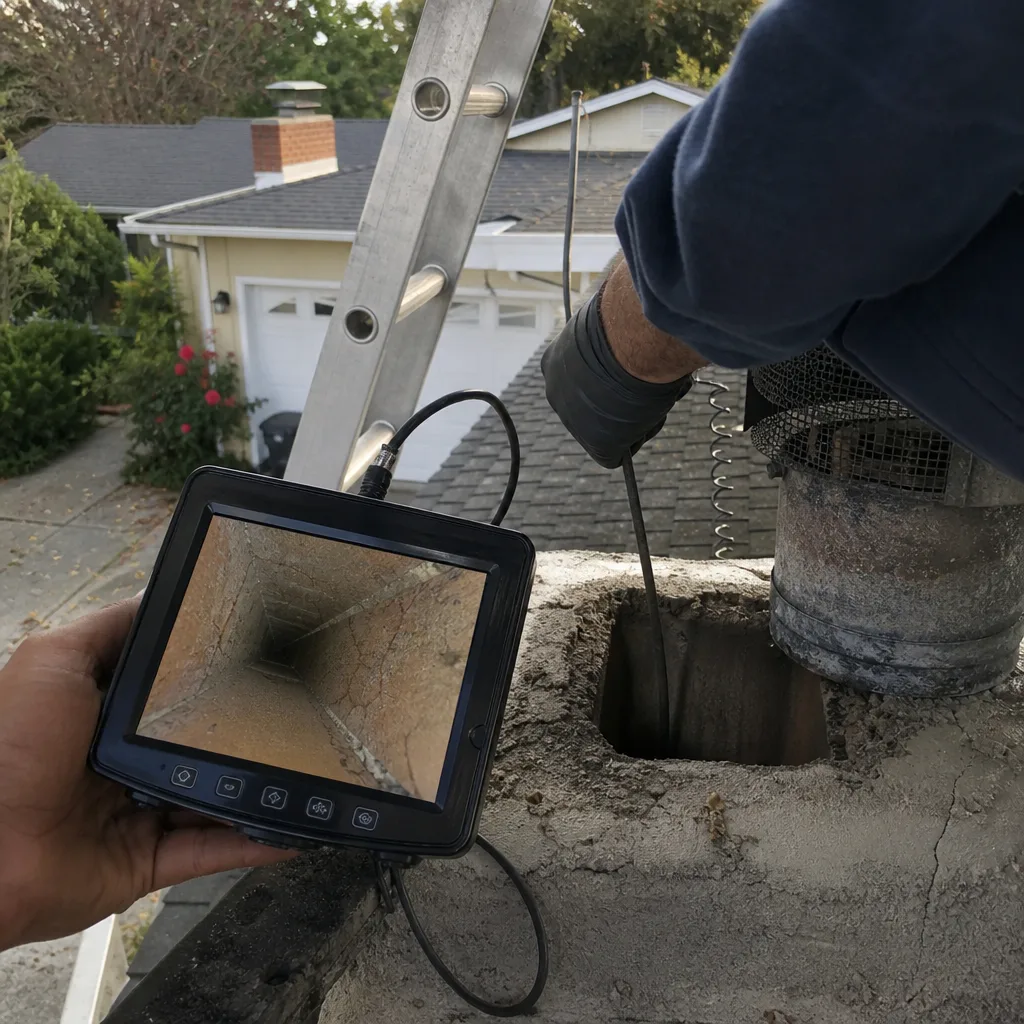
One of the practical fixes for a chronic odor is a thorough sweep plus an inspection to confirm the flue isn’t holding creosote or moisture. Our chimney sweep includes a camera inspection and a photo report of what we find, so you can see the difference between “smells weird” and “smells because there’s two inches of glaze.”
What You Can See at the Firebox Without Any Tools
You don’t need a camera to catch the first visual signs. Stand in front of your fireplace in daylight with the fire out and look carefully.
- Soot staining above the opening: A narrow dark plume rising up the wall above the fireplace suggests the smoke isn’t traveling cleanly into the flue. That points to a blockage, a poor damper opening, or a draft problem, and it means combustion byproducts are reaching your living room air.
- Staining on the brick face itself: White, chalky deposits (efflorescence) mean water is migrating through the masonry and evaporating on the surface. Dark, greasy streaks on the front face often mean creosote is condensing where it shouldn’t.
- Spalling brick or loose mortar: Brick that flakes or crumbles, or mortar joints that powder when you touch them, indicates moisture cycling through the structure. Left alone, that’s a structural repair, not a cleaning.
- A sticking, rough, or rusted damper: The damper should open and close cleanly and sit flat when closed. A corroded or warped damper leaks heat and can’t be relied on to seal off the flue. That’s an inspection item.
- Cracked firebox panels or a damaged smoke shelf: Visible cracks in the firebox liner panels are a stop-using sign until a professional assesses them. The smoke shelf above should be intact and not clogged with soot.
None of these need you to open anything or climb anywhere. If you see staining, spalling, or a rough damper, write down what you’re seeing and schedule an inspection. Our chimney repair service handles the structural side once we’ve confirmed what’s causing it.
Reading the Exterior Roofline
The exterior tells the story of everything that’s been happening inside the flue. No climbing required; these are things you can spot with a pair of binoculars from the ground or from a lower window.
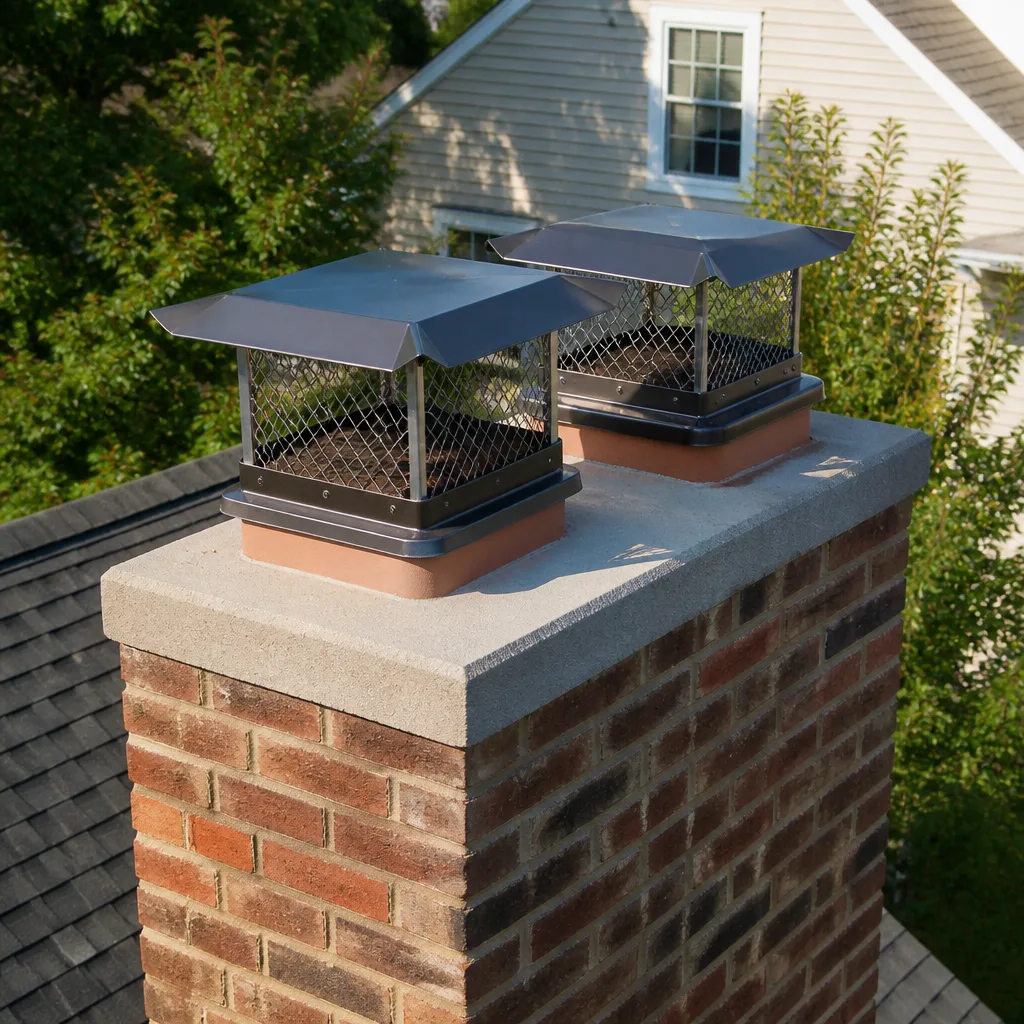
- Damaged or missing cap: The cap is the metal hood that keeps out rain, animals, and sparks. A bent, rusted, or missing cap is one of the most common entry points for moisture and intruders in Santa Rosa. This is the single most fixable exterior warning sign.
- Cracked or pitted crown: The crown is the sloped concrete top of the chimney that sheds water away from the brick. Any crack, ledge, or chip means water is getting straight into the masonry. Cracking crowns are the starting point for a lot of the interior spalling you’d see at the firebox.
- Efflorescence on the chase: A white, powdery bloom on the outside brick face is the same moisture signature as inside. It means water is moving through the brick and evaporating outward. It’s cosmetic in the early stages and structural if it’s ignored for years.
- Missing or skewed mortar joints: Receding mortar between bricks on the exterior has to be caught early. Small gaps widen with wet winters and dry summers, and the fix is cheaper at every stage than the next one.
- Brown stains running down the chase: Rust streaks or dark bands usually drip from the cap, the crown, or a poorly sealed flashing where the chimney meets the roof. Rust means metal has been exposed to water for a long time.
If any of these are visible from your driveway, the right next step is scheduling a chimney inspection rather than waiting for the fire season to arrive.
Sounds That Mean Something
A chimney is a hollow column running through your house, so it amplifies sound. Not every noise is a warning, but a few are worth acting on.
- Popping, crackling, or a low rumbling sound during a fire: This can be normal wood burning, but a persistent low rumbling that isn’t tied to fresh wood being added often means creosote is igniting or nearly igniting. Stop using the fireplace and get a sweep and inspection.
- Whistling or whooshing wind noise: Air is moving through an obstruction or gap. A blocked or partially blocked flue will whistle in a way a clean one won’t. This is a schedule-soon sign.
- Scratching, flapping, or chirping from the flue: Animal activity. Birds and squirrels in a flue can block the smoke path and drop debris into your firebox. Schedule an inspection and don’t burn until the flue is cleared.
- Crumbling or trickling sounds during a rainstorm: Masonry is failing or water is finding a path into the structure. Chase, crown, or flashing repair is likely. This is a schedule-soon to act-now sign depending on severity.
- A hollow “clunk” when you close the damper: The damper plate or hinge has warped or detached. The damper can’t seal the flue, which affects both energy and safety.
If you’re hearing anything on this list during a Santa Rosa winter, a call to book a sweep or inspection is worth more than another week of listening to it.
Schedule Soon vs. Stop Using It Today: A Severity Framework
The hardest judgment call for a homeowner is whether to keep using the fireplace this week or stop now. Here’s how we sort the same warning signs during an inspection. Use this as your framework when you’re deciding whether to light one more fire.
Stop using the fireplace today
- Smoke entering the room while the fire is burning.
- A persistent rumbling or roaring from the flue during a fire.
- Visible cracks in the firebox liner panels or a warped firebox.
- A carbon monoxide alarm going off anywhere in the house.
- Soot falling into the firebox in sheets when the fire is out, which signals heavy glazed creosote.
These are signs that combustion byproducts or fire itself are outside the containment intended by the design. That’s the point to stop and call a professional.
Schedule soon (within the next week or two)
- Strong creosote smell when the fireplace is idle.
- Staining or soot above the fireplace opening.
- Draft reversal on mild or humid mornings.
- Animal scratching or chirping from the flue.
- A sticking, corroded, or noisy damper.
None of these require panic. They require booking a sweep and inspection before the season gets ahead of you.
Monitor and address when you’re ready
- Light efflorescence on the exterior brick with no interior pitting.
- Cosmetic fading on the cap without rust-through.
- A single small hairline crack in the crown that isn’t widening.
These don’t require a stop-burning response, but they do deserve a professional eye before they get worse. Water damage to a chimney never gets cheaper.
How a Professional Cleaning Actually Goes
A proper cleaning is neither mysterious nor a two-minute brush-and-go. Here’s what a real cleaning looks like when a homeowner books a chimney sweep in Santa Rosa, and the steps that matter for warning-sign resolution.
- Interview and inspection first. A technician should ask what you’ve been seeing and smelling, then inspect the firebox, damper, smoke chamber, and visible flue before any brush goes in.
- Protect the living space. Drop cloths and a sealed vacuum setup should be running before the brush is in the flue. Soot that ends up in your living room is a cleaning problem, not a chimney problem.
- Camera inspection of the full flue. A camera run gives the technician evidence of creosote condition, blockages, cracks, and liner integrity. You should be shown the photos, not just told about them.
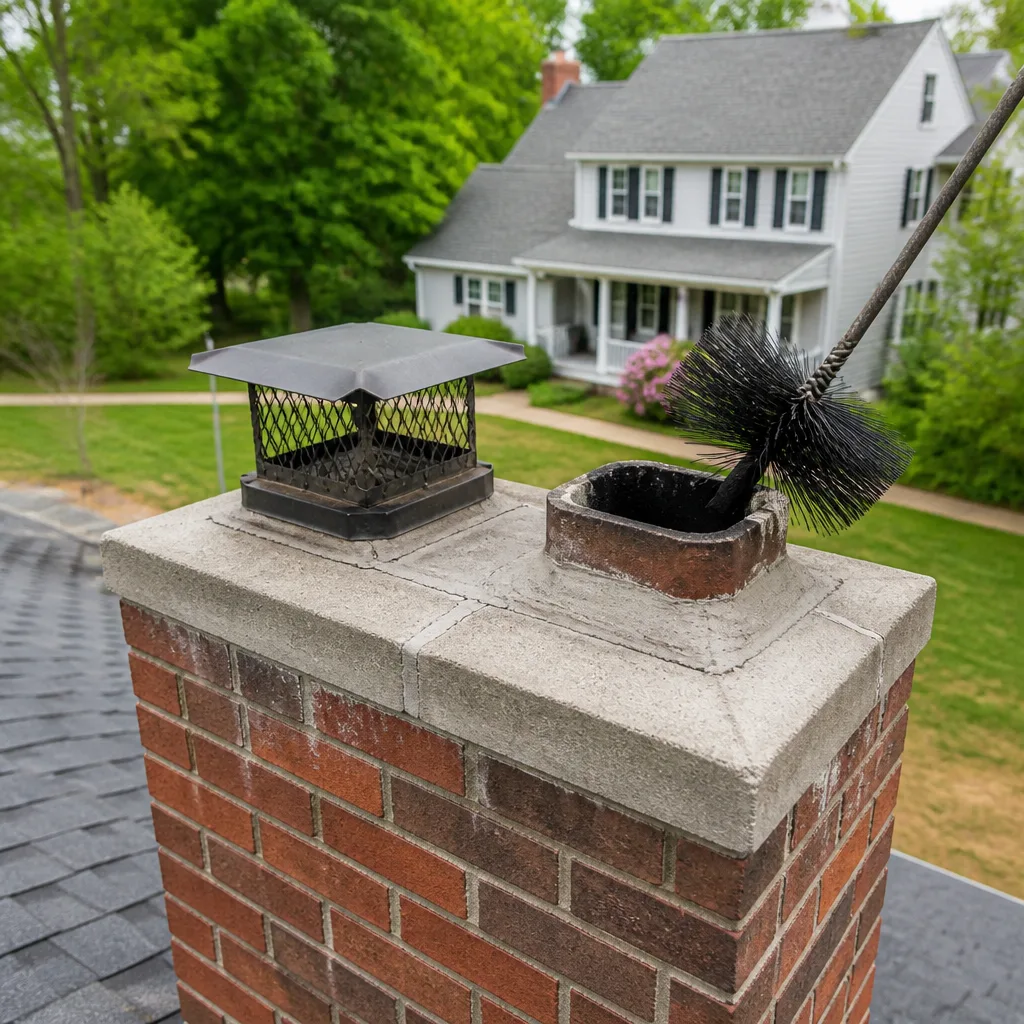
- Brush and vacuum down the flue. Rotary or manual brushes sized to the flue clear creosote from the smoke chamber down to the damper. The vacuum runs simultaneously to keep the debris contained.
- Damper, smoke shelf, and firebox cleaning. The damper is checked for free operation, the smoke shelf is cleared, and the firebox is cleaned so you can see condition clearly.
- Photo report and written findings. You should leave with a written record of what was found and any recommended repairs, which you can compare against next season’s report.
Nothing is recommended without camera evidence you can see for yourself. That’s the standard we hold ourselves to, and it’s how we avoid the trap of telling a homeowner they need thousands of dollars of work they have no way to verify. When work can safely wait, we tell you it can safely wait.
Why Santa Rosa Conditions Shape Chimney Wear
Santa Rosa sits in a climate pattern that is mild in the winter and dry in the summer, with a wide swing between the two. That swing matters for a chimney. Wood burns over a defined heating season, which concentrates creosote formation into a defined window, then sits for months through warm, dry conditions. Wet winters and dry summers put masonry through a cycle that opens hairline cracks in a crown and then widens them with every wet season after.
Two local patterns we see in our work in Santa Rosa:
- Creosote buildup concentrated during the heating season. Improperly seasoned wood and a cooler fire are a common combination here, and the residue accumulates faster than homeowners expect. Because the off season is dry, that residue sits quietly for months without the fireplace being used at all. It becomes a problem the next time you light a fire.
- Summer is the right time for repair. Masonry work and relining are easier to schedule and to cure in dry weather, and a repair done before the first fall fire sets you up for the whole heating season.
We also see a lot of seasonal warning signs expressed along the same corridor, from the older homes around the downtown and Santa Rosa neighborhoods up into the surrounding hills. Newer construction has its own pattern: a well-insulated, tightly sealed house creates pressure imbalances that push smoke back down a flue. Nothing is wrong with the chimney itself in those cases. The fix is airflow, not masonry.
Our technicians have up to 10 years of experience reading these patterns, and we work on the full span of chimney brands that homeowners here actually have installed.
Inspection Is Not the Same as a Sweep
A sweep clears the flue. An inspection evaluates the whole system: the flue, the firebox, the damper, the smoke chamber, the crown, the cap, and the exterior chase. You want both, but they answer different questions, and a sweep alone can miss a structural issue that only a visual inspection catches. That’s why we offer a sweep and a formal inspection as separate services.
An inspection is the right tool in three situations:
- Annual safety check. A once-per-season inspection documents the condition of the system and flags any change since last year. Warning signs that are “monitor” class today become “schedule” signs next year if they aren’t tracked.
- Real estate transaction. A pre-sale or pre-purchase inspection gives both buyer and seller a credible written record of chimney condition, independent of what a home inspector might have listed as a concern.
- Insurance compliance. Insurers increasingly ask for documentation that a chimney has been inspected and cleaned. A written inspection report satisfies that request far better than a verbal confirmation.
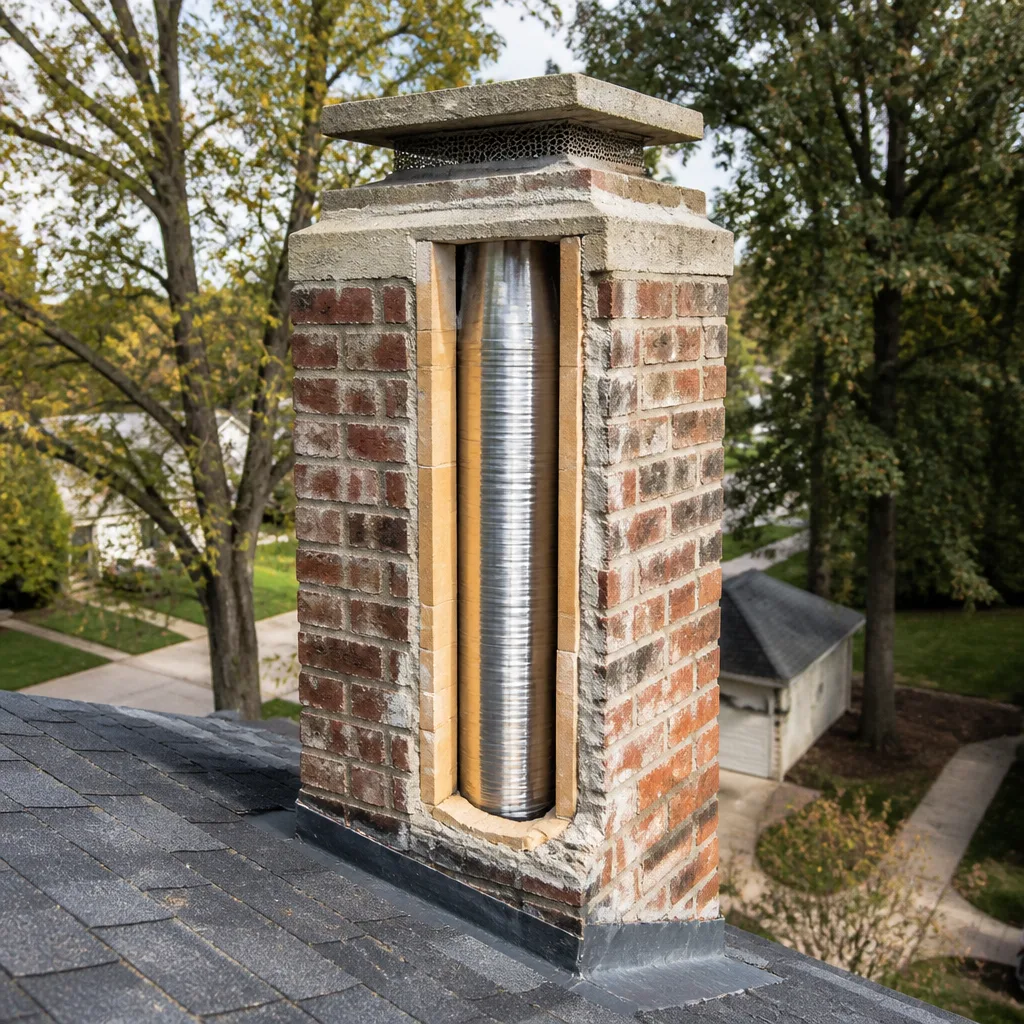
The Santa Rosa Chimney Cleaning team uses that same inspection for repair planning. When the inspection finds a deteriorated flue, we choose the right repair from a curated lineup of professional-grade brands rather than a generic substitute. We install liner systems and resurfacing materials from DuraFlex and HeatShield, plus Gelco and Olympia Chimney components, so the repair decision is made based on the flue’s actual condition. HeatShield ceramic resurfacing is the alternative when the right repair is resurfacing a deteriorating flue rather than replacing the whole liner. Either way, the job is decided on evidence and finished to a professional-trade standard, not patched to get you to the next season.
We inspect it, clean it, and fix it. Same company, same standard of work, all three phases in one place. No handoff to a separate contractor who has to re-learn your chimney from scratch.
Common Mistakes to Avoid
- Writing off a smell as “just the fireplace.” A smoky smell when the fire is out means draft reversal or creosote, not nostalgia. It’s the single most common warning sign homeowners dismiss, and it’s the easiest to verify with an inspection.
- Burning one more fire to “see if it clears up.” A fire does not clear a blocked or glazed flue. It adds creosote and can turn a scheduled cleaning into a stop-and-call event.
- Climbing onto the roof to check the crown yourself. A roofline inspection is a professional task. Binoculars from the ground tell you there’s a crack. Getting up there to “confirm” it is how people get hurt.
- Assuming a clean sweep means a clean bill of health. A sweep clears the flue but doesn’t evaluate the crown, cap, damper, or liner. If you want the whole system checked, request an inspection.
- Waiting until the season starts to call. Santa Rosa’s heating season fills up fast. Booking a sweep and inspection in dry weather keeps your fireplace ready for the first cold evening and lets any masonry repair cure properly.
- Hiring the cheapest general-labor option. Chimney work is not a job where the generalist with a brush is equivalent to a specialist. Flue diagnosis and relining require training and the right materials, and the consequences of a poor job show up in the safety of your home.
- Not keeping the report. A written inspection report is your record for insurance, real estate, and comparison next season. Ask for it in writing and keep it.
See the difference
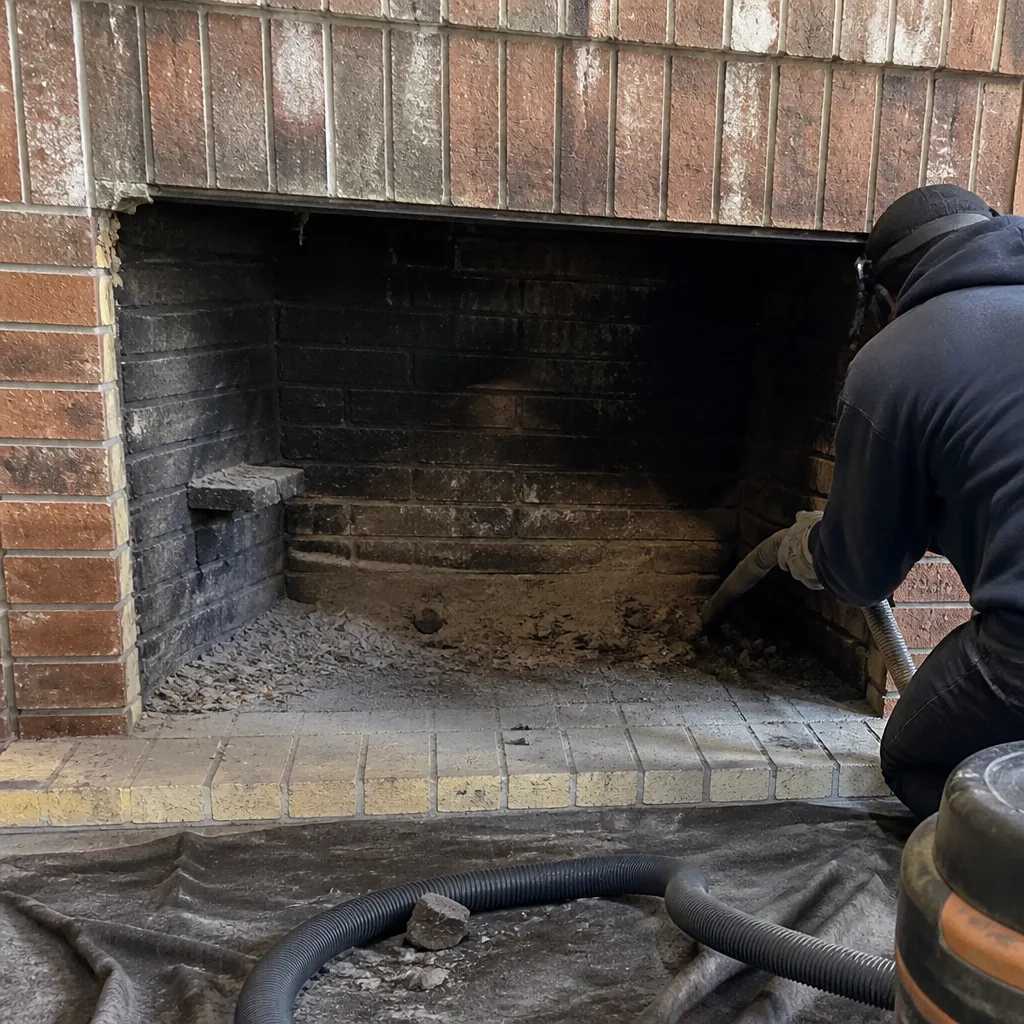 Before
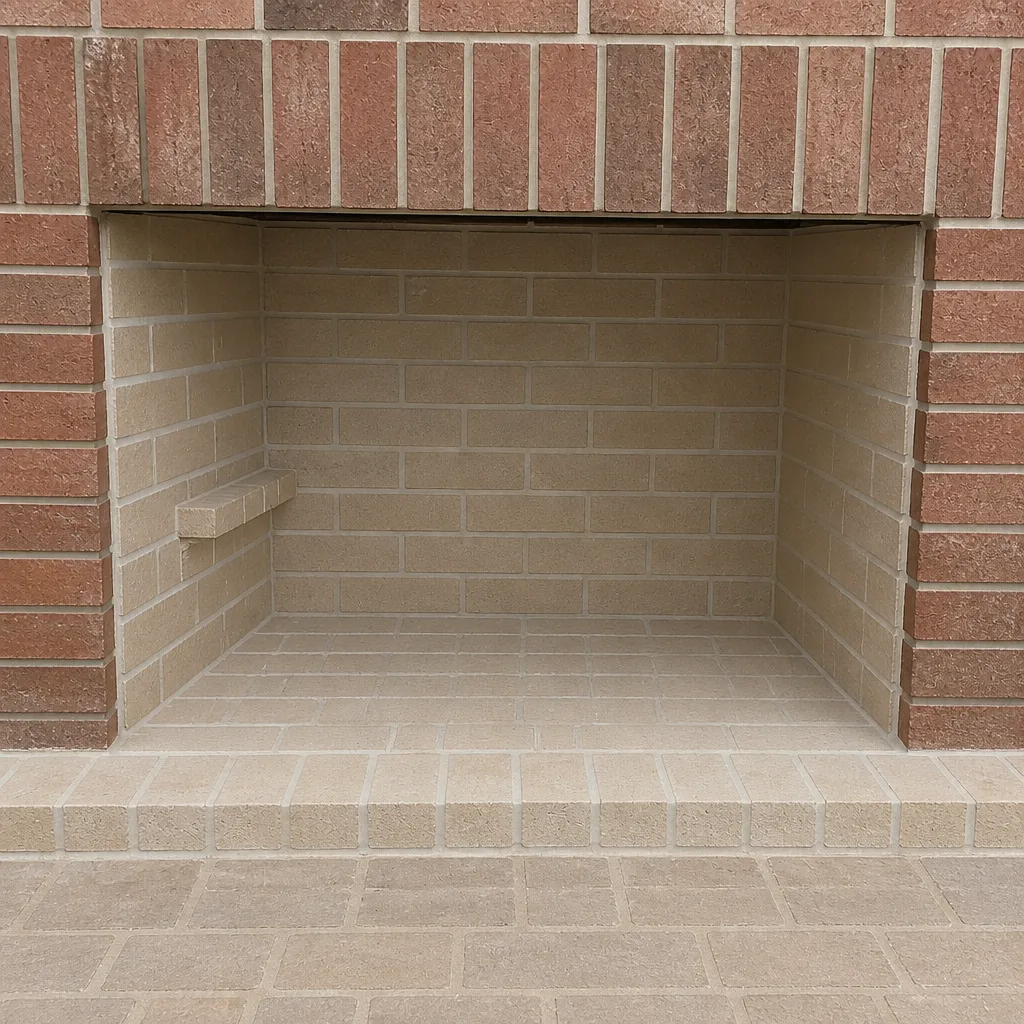 After
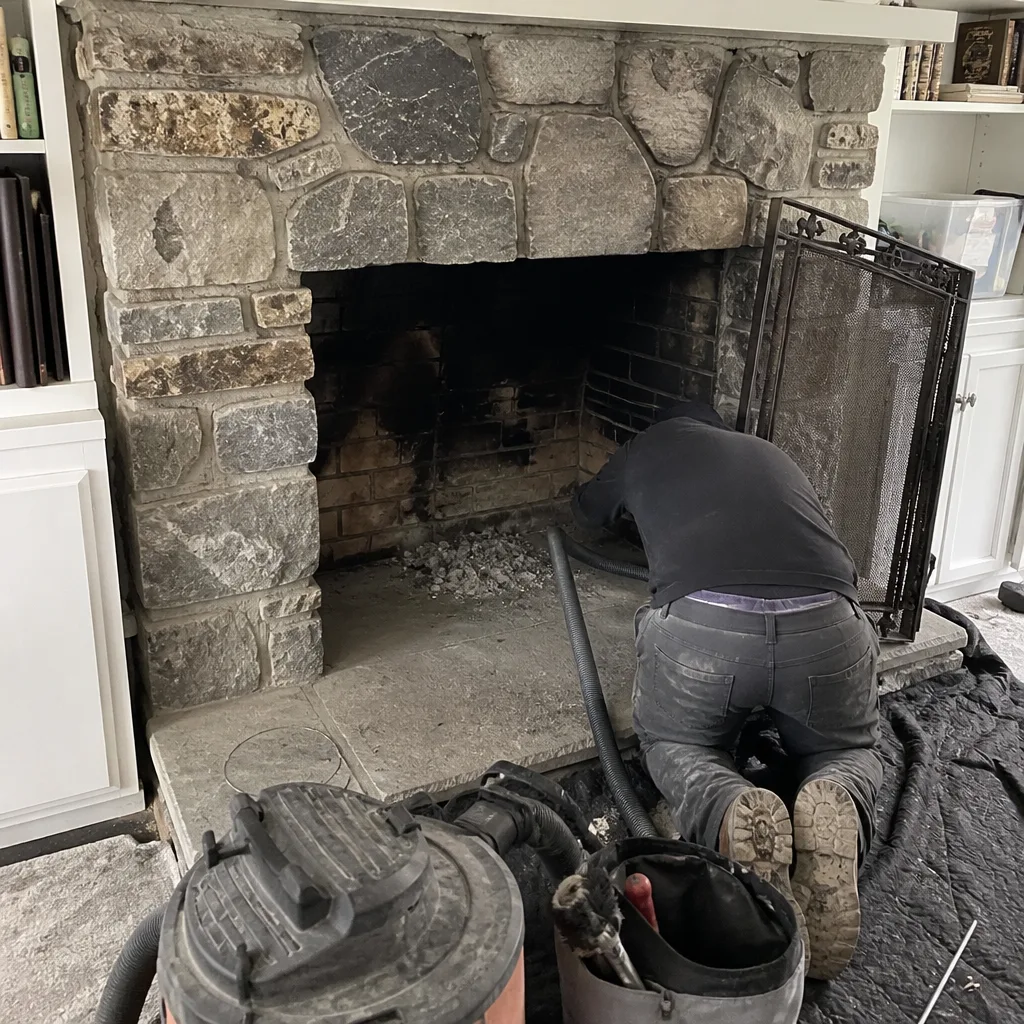 Before
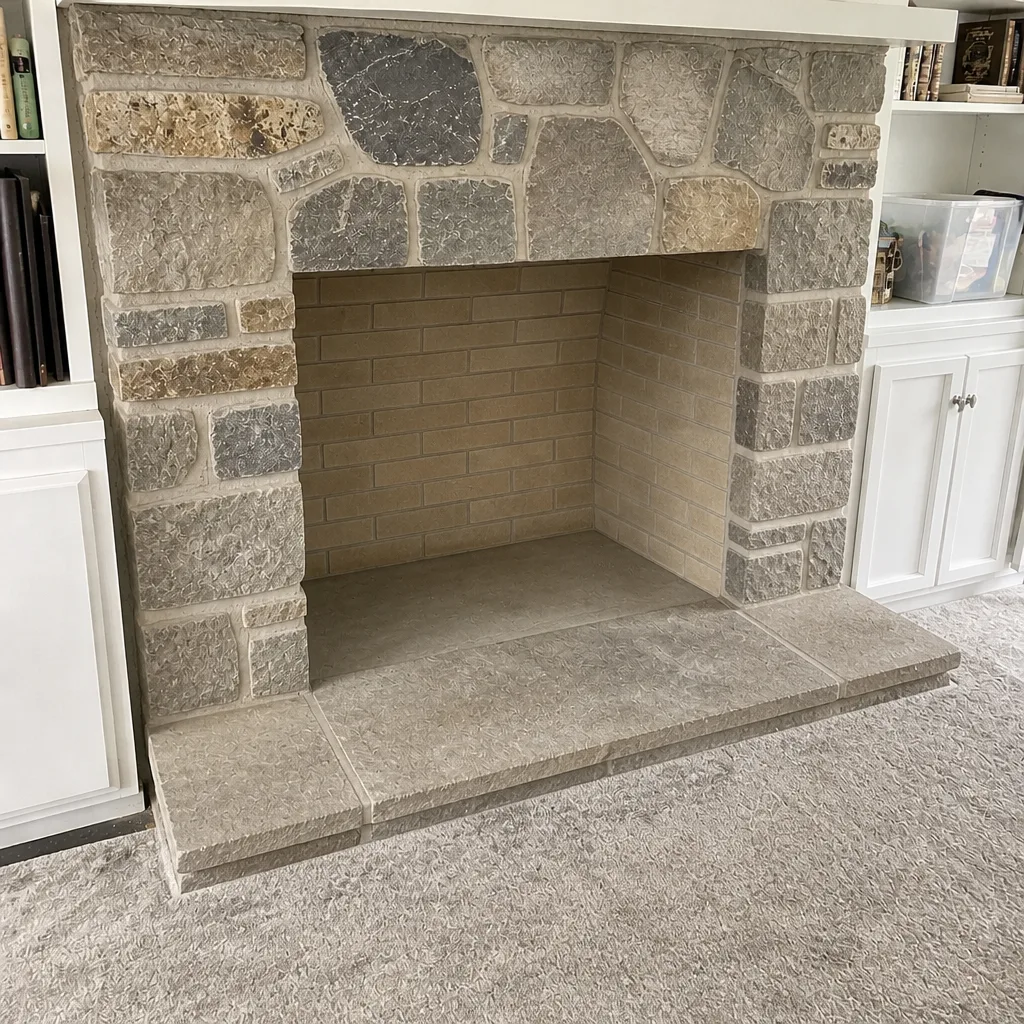 After
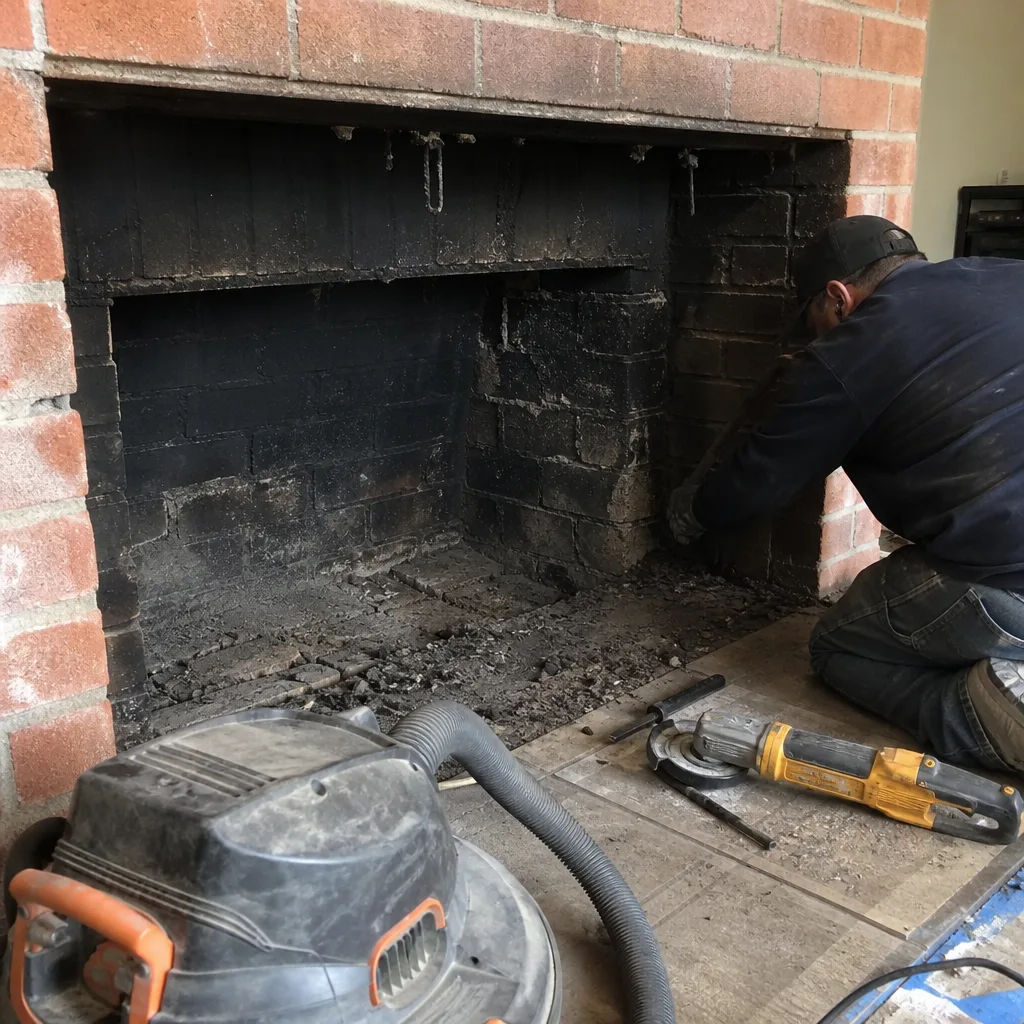 Before
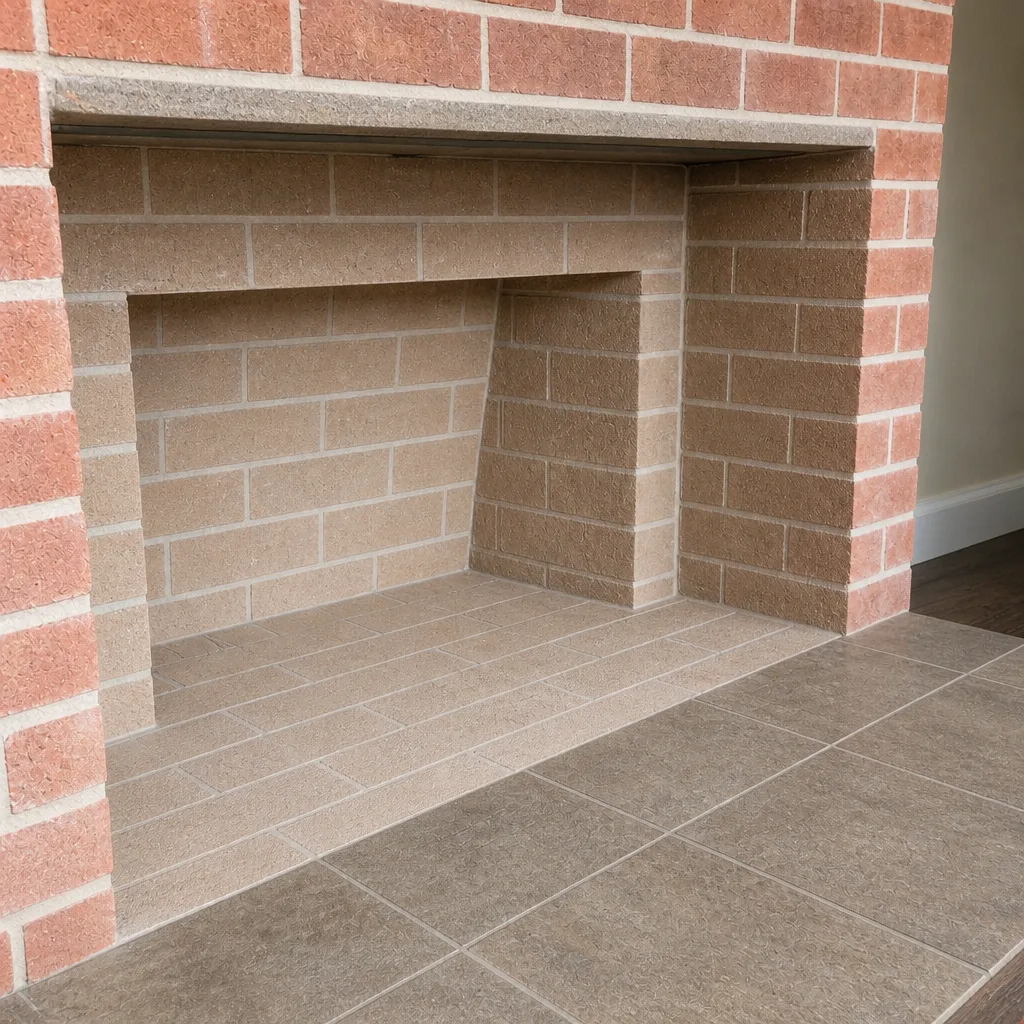 After
When to Call a Professional
Call a professional if you’re seeing any of the “stop” warning signs from this guide: smoke in the room, a persistent rumble during a fire, cracked firebox panels, or a carbon monoxide alarm. Call promptly if you’re seeing the “schedule soon” signs, and don’t wait for the next season to pass them along. If your chimney hasn’t had a cleaning in a year or more, or you’ve just moved into a Santa Rosa home and don’t know its chimney history, book a sweep and inspection to establish a baseline. And if you’re buying or selling, request a formal inspection so both sides have a written record rather than a verbal assumption.
Santa Rosa Chimney Cleaning offers free estimates in Santa Rosa. Call (888) 919-0637 to book a sweep, an inspection, or a repair. We answer 24/7. Fast dispatch from 7am to 7pm, Sunday through Friday, and we’re closed on Saturday. A call outside dispatch hours is booked into the next opening. Call (888) 919-0637 for a free estimate.
Frequently Asked Questions
At least once per heating season for a wood-burning fireplace, and more often if you burn frequently or notice any of the warning signs in this guide. A creosote smell or smoke in the room means sweep now, not at the end of the season. Call (888) 919-0637 to book a sweep and inspection, and estimates are free.
A smoky or creosote smell from an idle chimney almost always means draft reversal or an accumulation of creosote in the flue. The flue is pulling air down rather than up, especially on humid mornings, or residue is sitting in the flue and off-gassing. Either way, it’s worth a professional inspection before you burn again. Call (888) 919-0637 for an exact quote on an inspection.
White, powdery staining on the exterior brick is called efflorescence, and it means water is moving through the masonry and evaporating on the surface. It’s an early warning sign of a crown or cap problem. Left alone, that moisture widens cracks and eventually causes spalling or structural damage. Call (888) 919-0637 to schedule an inspection of the crown, cap, and chase.
No. Smoke inside the living space means combustion byproducts are escaping the flue, which is a stop-using-today sign. Put the fire out, air the room, and book a professional inspection before lighting another. Call (888) 919-0637 for an exact quote on a sweep and inspection, and estimates are free.
No. A sweep clears soot and creosote from the flue. An inspection evaluates the flue, firebox, damper, crown, and cap, and produces a written report. You often need both, and an inspection is the right starting point for real estate transactions, insurance compliance, or a first-time chimney check. Call (888) 919-0637 and we’ll help you decide which service fits.
Creosote builds up until it can ignite, and a blocked or cracked flue can let carbon monoxide into the home instead of up the chimney. Neither outcome is recoverable by waiting. The safer decision is a sweep and inspection on the front end. Call (888) 919-0637 for an exact quote, and estimates are free.
The Bottom Line
Most chimney warning signs are things you already notice and talk yourself out of: a smell on a humid morning, a stain above the firebox, white powder on the outside brick, a rumble that wasn’t there last year. This guide exists so you don’t have to guess what those signs are telling you. Sort them by severity, stop using the fireplace for anything on the “today” list, and book a sweep and inspection for the rest. If you’re in Santa Rosa and want a straight answer on what your chimney is actually doing, call Santa Rosa Chimney Cleaning at (888) 919-0637.
Written by the team at Santa Rosa Chimney Cleaning.