
Last updated November 15, 2026
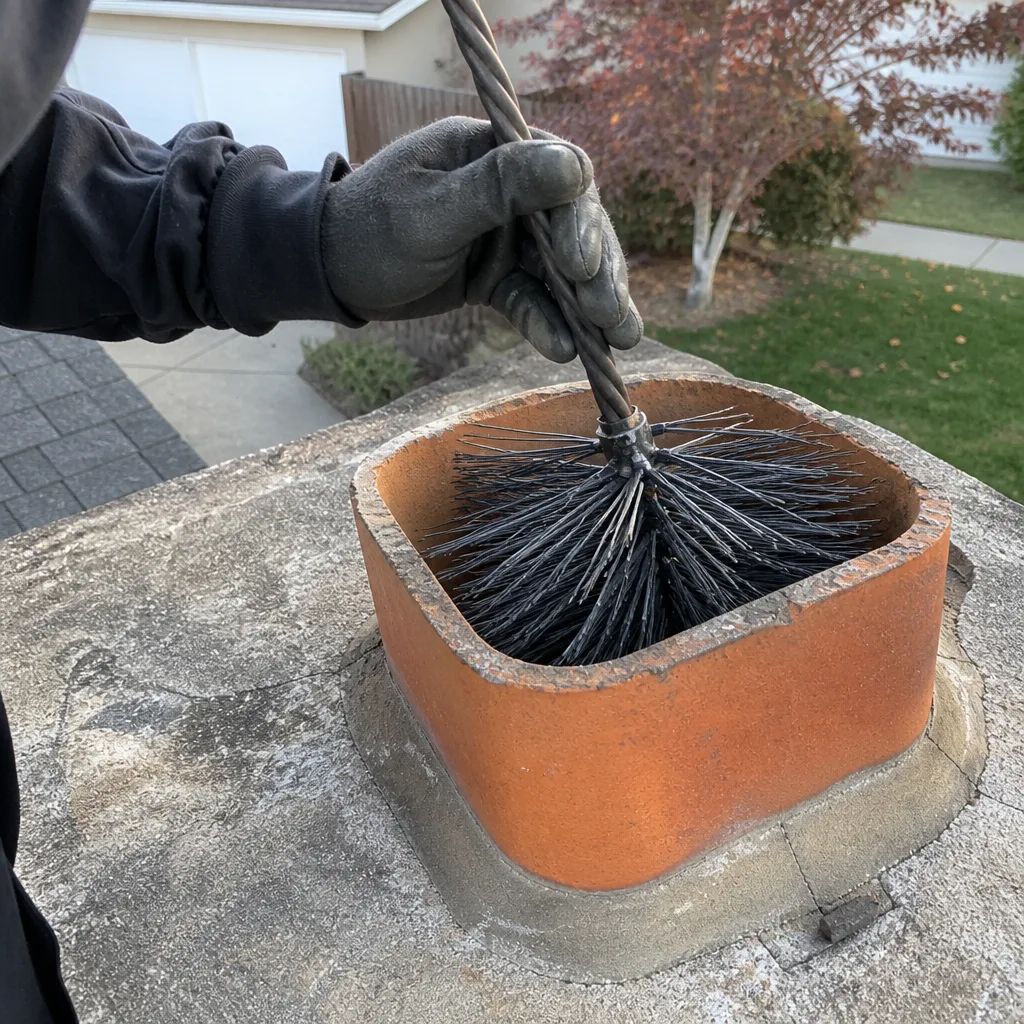
 Sweep & inspection
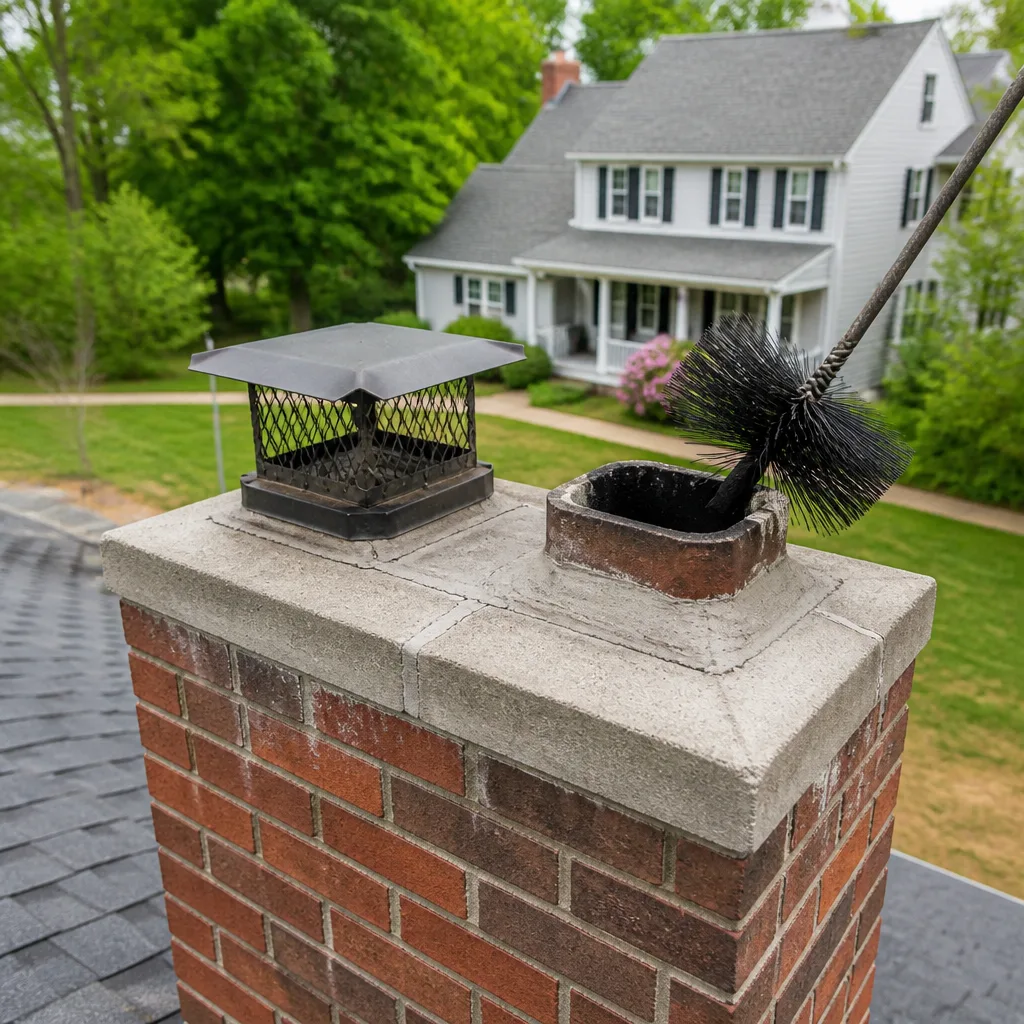
 Caps & crowns
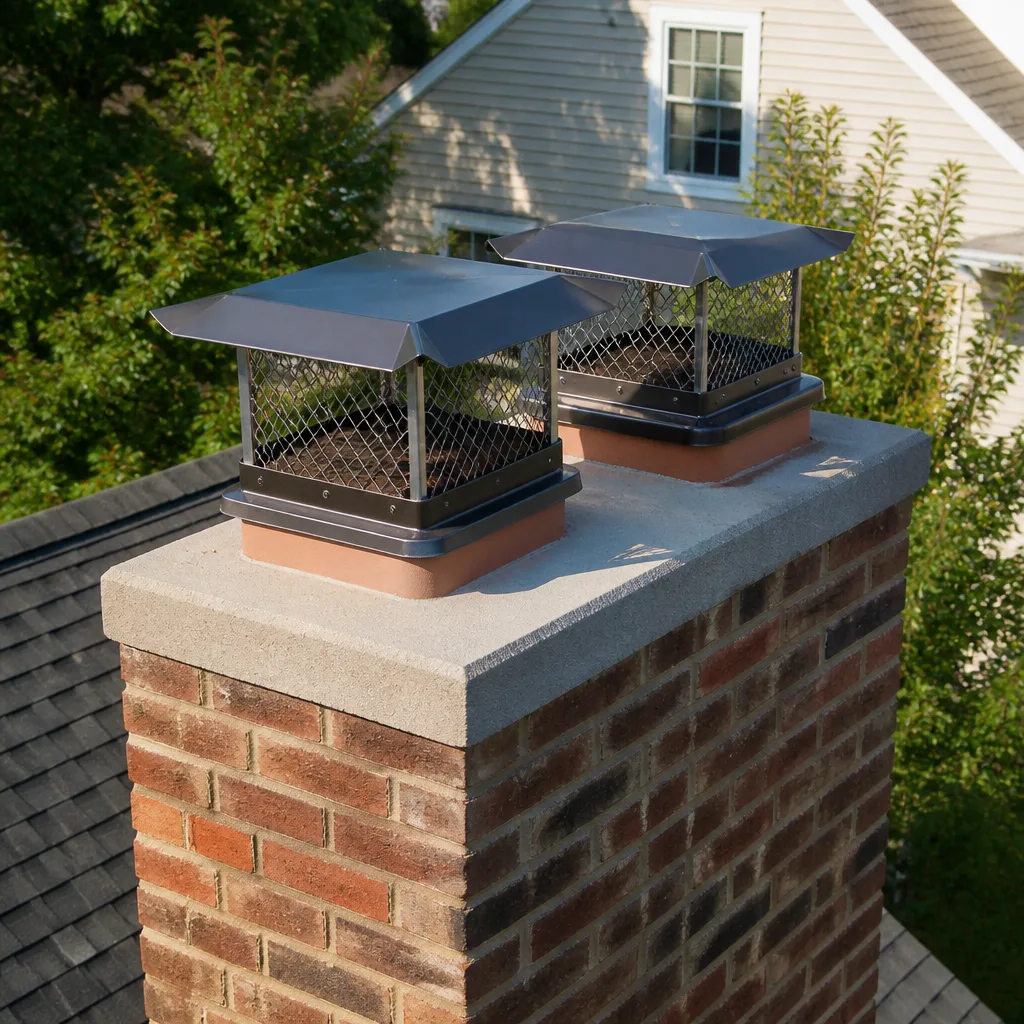
 Flue relining
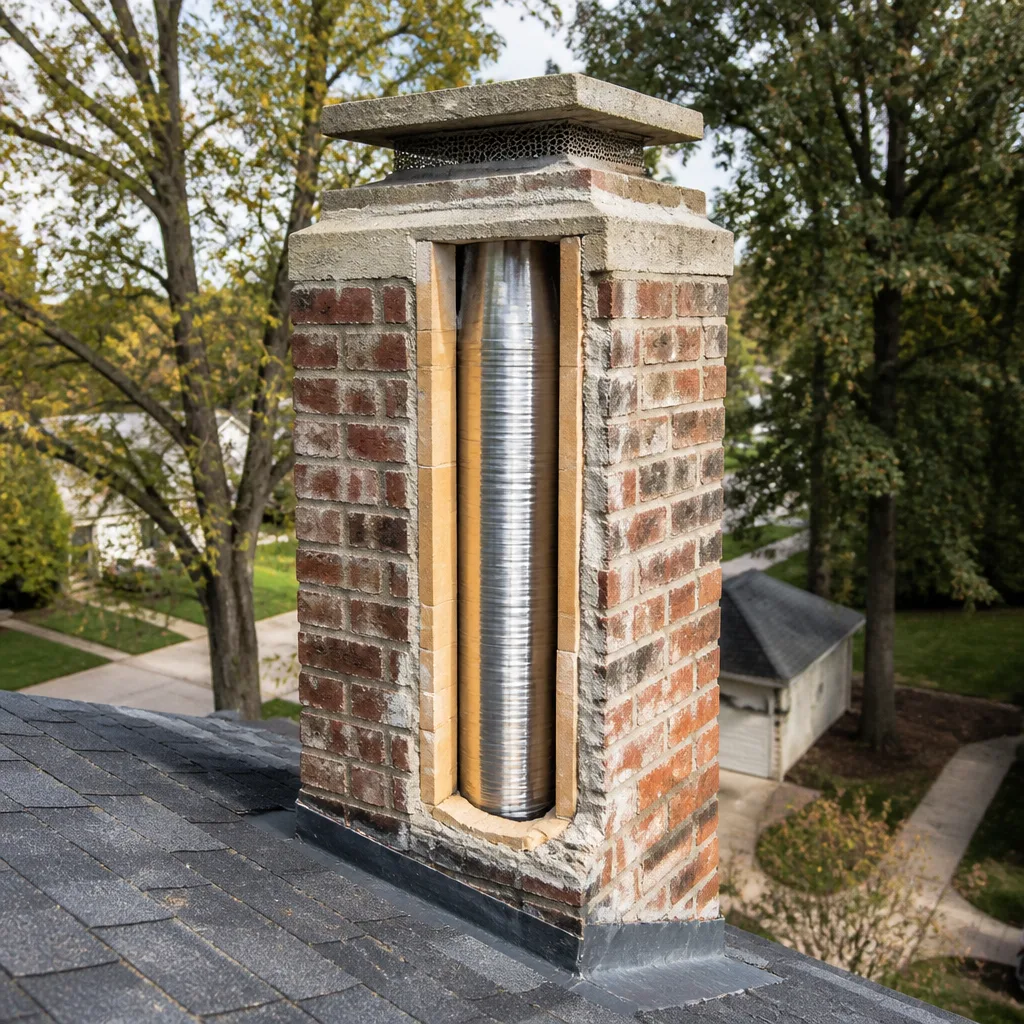
 Masonry repair
 Gas fireplace service
Level 1 sweep and inspection to the NFPA 211 annual standard - flue, crown, cap, and flashing checked and photographed
Chimney sweep logs do not sweep chimneys. They loosen some creosote - which then falls where a brush and vacuum still have to collect it.
Chimney Sweep Troubleshooting in Santa Rosa: Common Problems and How to Fix Them
If your fireplace smokes into the room, the instinct is to blame a dirty flue. In Santa Rosa‘s mild climate, that’s often the wrong diagnosis. Most of the smoke complaints we hear about here trace back to a cold flue column or a house that runs under negative pressure, not to a heavy creosote load. Knowing which symptom belongs to which cause saves you from paying for a sweep when the real problem is your damper, your liner, or the air balance in a tightly sealed modern home. This guide walks through the problems Santa Rosa homeowners actually report, maps each symptom to its mechanical cause, and tells you what you can safely check yourself and what needs a trained eye before any work begins.
Quick Answer
Chimney problems in Santa Rosa usually come down to a small set of root causes: a cold or blocked flue, negative pressure inside the home, poor damper seating, or a cracked liner. The symptom tells you which one you’re dealing with. Smoke that spills only on startup points to a cold flue. Smoke that appears after a fire is burning hot often means a house under negative pressure. Persistent odor with no fire is a draft or moisture issue. Diagnose the symptom before booking a repair, and you’ll avoid paying for work that doesn’t fix the actual cause.
Styles & brands we work with
- Sweep & inspection
- Caps & crowns
- Flue relining
- Masonry repair
- Gas fireplace service
Table of Contents
- Why Smoke Comes Into the Room Instead of Up the Chimney
- How Santa Rosa’s Tightly Sealed Homes Create Draft Problems
- Mapping Symptoms to Causes: A Troubleshooting Table
- One-Time Blockage vs. Structural Draft Problem
- What You Can Safely Check Yourself
- Liner Integrity, Damper Seating, and Smoke Chamber Corbeling
- Why Your Fireplace Smells in Santa Rosa’s Shoulder Seasons
- Sweeping, Inspection, and Repair: Which Do You Actually Need?
Why Smoke Comes Into the Room Instead of Up the Chimney
Smoke spilling into a room during the first ten minutes of a fire is the most common complaint we troubleshoot in Santa Rosa, and it usually isn’t a chimney that needs sweeping. A chimney works because warm air rises. When the flue is cold and the house is cool, the column of air inside that flue is heavier than the air in the room, so it wants to fall, not rise. Light a fire in that situation and the smoke has nowhere to go but out the opening. Once the flue warms up, the draft corrects itself and the fire burns clean. That pattern, spilling on startup and settling down afterward, is the signature of a cold flue column.
The fix for a cold flue is procedural, not structural. Pre-warming the flue with a rolled newspaper torch held near the damper, cracking a window on the opposite side of the house for the first few minutes, and burning dry, well-seasoned wood all help the draft establish faster. In Santa Rosa’s mild winters, many fireplaces sit unused for long stretches, so the flue stays cold and the masonry stays damp. That’s why the first fire of the season tends to smoke more than any other. Running a quick draft check before you commit to a full fire tells you whether the issue is temperature or something deeper.
Smoke that spills continuously, or that starts well after the fire is going strong, points to a different cause: negative pressure in the house, or a flue that’s partially blocked. Those need more than a pre-warm trick. A trained technician can run a smoke test and a camera inspection to tell you which one you have. If the problem turns out to be structural, the repair is usually a liner or smoke chamber correction rather than a cleaning, and we’ll cover that in more detail below.
How Santa Rosa’s Tightly Sealed Homes Create Draft Problems
Santa Rosa has a lot of newer, tightly built housing stock, and those homes are more efficient to heat than the older houses around them. They’re also harder on a chimney. A modern sealed home leaks very little air. Every exhaust fan, range hood, dryer vent, and bathroom fan pulls air out of the house, and in a sealed home that air has to come back in from somewhere. Air isn’t magic; it moves through the path of least resistance, which is often down your chimney. That’s negative pressure, and it’s the single most overlooked cause of chimney problems in Santa Rosa.
The symptom pattern is specific. Fires that burn fine on a calm day but smoke when the range hood runs, or that light well in the morning but reverse in the evening when the house is buttoned up, are telling you the pressure balance is the issue. So are fires that start with a healthy draft and then stall, with weak flames and a smell of smoke near the firebox. If you can replicate the smoke problem by turning on a bathroom fan across the house, you’ve found your culprit.
Diagnosing negative pressure takes a systematic approach:
- Close the house up the way it sits during the problem. A negative pressure test done with windows open proves nothing.
- Run one exhaust fan at a time and watch the firebox with the fire burning and the damper fully open.
- Watch the smoke from a piece of incense or a match near the firebox opening. If smoke drifts into the room instead of up the flue, the flue is being pressurized from below.
- Crack a window on the opposite side of the room and repeat the test. If the draft corrects, you’ve confirmed the pressure problem.
A cracked window is a diagnostic tool, not a fix. If you have to crack a window every time you build a fire, the chimney has a pressure or draft problem that belongs in front of a technician. Providing outside combustion air, correcting a flue that’s undersized for the firebox, and checking the smoke chamber are the real answers. A Santa Rosa home built to current tightness standards can still have a perfectly functional chimney; it just needs the pressure balance addressed instead of the flue cleaned. In our experience, a large share of “my chimney smokes” calls in Santa Rosa turn out to be pressure or draft problems, and sweeping the flue wouldn’t have changed anything.
Mapping Symptoms to Causes: A Troubleshooting Table
The fastest way to describe your problem accurately is to match what you see to what’s actually happening inside the chimney. The table below covers the problems that come up most in Santa Rosa and what each one usually means. Read it before you call anyone, because it lets you describe the issue in terms a technician can act on rather than the vague “it just doesn’t work right.”
- Smoke spills only at fire start, then clears: cold flue column. Pre-warm the flue or schedule a draft check.
- Smoke fills the room when an exhaust fan runs: negative pressure in the house. Get a pressure diagnostic, not a sweep.
- Weak flames, poor draft, smoke smell near the firebox: flue partially blocked or draft compromised. Needs an inspection before a fire.
- Smoke with a hot, established fire: smoke chamber corbeling issue, firebox too large for the flue, or liner damage. Needs a Level 2 inspection.
- Persistent musty or smoky odor with no fire: moisture in the masonry, damper not seated, or a draft downturn. Check damper seating and schedule an inspection.
- Water stains or white staining on the exterior: moisture penetration past the crown or flashing. Needs a repair, not a cleaning.
- Soot visible on the firebox face or hearth: draft reversal during burns. Investigate negative pressure and damper seating.
- Sharp, acrid smell during burns: burning creosote. Stop using the fireplace and schedule a sweep and inspection.
The point of this map isn’t to make you your own chimney technician. It’s to keep you from booking a sweep when what you actually need is a diagnostic, and to give you the vocabulary to describe your symptom accurately. A technician who hears “it smokes when the bathroom fan runs” will know to test pressure instead of reaching for the brush. That saves time and keeps you from paying for work that never had a chance of fixing the problem.
One-Time Blockage vs. Structural Draft Problem
Chimney drafts fail in two general ways: something is in the flue that shouldn’t be, or something about the flue’s shape or integrity was never right for the fireplace. The distinction matters because one is a cleaning problem and the other is a repair problem, and no amount of brushing resolves a structural defect. Birds, squirrels, and leaves are common in Santa Rosa because the climate keeps wildlife active and chimney caps get knocked loose. A nest brings soot and debris down with it, and the draft weakens because the flue is blocked. That’s a blockage, and clearing it plus installing a proper cap solves the problem.
Structural draft problems are different. A flue that’s too small for the firebox, a flue that’s offset or runs too short, a smoke chamber with corbeling ledges that catch turbulence, or a liner that’s cracked and letting air in where it shouldn’t: those cause a chronic draft weakness that returns the moment the fire is lit. The telltale sign is a problem that behaves the same way every time, regardless of how recently the flue was cleaned. If your chimney was cleaned last month and the fire still smokes, you don’t have a dirt problem. You have a design or integrity problem.
The other structural issue we see is a cracked or deteriorated clay liner. Older Santa Rosa homes often have unlined or clay-lined flues, and after years of heating and cooling, tiles crack and mortar joints open. Once that happens, hot gases and smoke can leak into the surrounding structure where they shouldn’t. A liner repair or reline resolves it, and it’s the kind of repair that a professional-grade system like DuraFlex or an insulating resurfacing material like HeatShield is designed for. That’s why we treat sweeping and inspection as separate services: chimney sweep work clears what’s in the flue, and inspection work tells you whether the flue itself is sound. You need both answers to know what you’re dealing with.
What You Can Safely Check Yourself
Some troubleshooting belongs to you, and some belongs to a professional. The line is safety. Anything that involves sticking a tool up the flue, getting near a hot surface, or reasoning about the integrity of a liner is professional territory. But several useful checks are safe for any homeowner, and they give you better information to share when you call. Knowing your own symptoms cuts out a round of guesswork.
Safe checks you can do yourself:
- Look up the damper. With the fireplace cold, open the damper and look up. You should see daylight, or a clear line to the sky, through the flue. If you see an obstruction, stop there and call.
- Run a smoke pencil test. Light a small stick of incense near the open firebox and watch the smoke. It should rise steadily up the flue. If it drifts into the room, you have a draft problem worth reporting.
- Listen for roaring or crackling. A roaring fire that climbs the flue can mean excessive draft; a fire that struggles to catch can mean weak draft. Both are useful symptoms.
- Check the damper seat. Look at the damper plate and the frame it closes against. Gaps and heavy soot in the seat tell you the damper may not seal, which causes odor and heat loss.
- Look at the crown and flashing. From the ground, check for cracks in the concrete crown at the top of the chimney and for gaps where the chimney meets the roof. Water gets in through both.
- Note any soot on the firebox face. Persistent soot on the front of the firebox or the hearth is a sign of draft reversal during burns, and it’s worth mentioning to your technician.
What you shouldn’t do: sweep the flue yourself, pry at a liner, or try to remove a blockage you can’t see. A chimney with a compromised liner can let carbon monoxide spill into the home during a fire, and chimney fires are serious events. If an inspection shows that kind of problem, the answer is professional diagnosis, and we’re clear about that. If we find a liner defect or a smoke chamber issue, we tell you plainly and give you a written recommendation. If we don’t find one, we tell you the flue is safe to use so you don’t pay for a repair you didn’t need. A camera inspection with the photos provided to you is the honest way to answer the “do I need a repair?” question, and we include it as part of our inspection service.
Liner Integrity, Damper Seating, and Smoke Chamber Corbeling
Three structural features do most of the work in keeping smoke out of your living space, and they fail in predictable ways. Understanding them gives you the vocabulary to have a real conversation with your technician rather than nodding along to a sales pitch. The flue liner is the wall between your chimney’s hot gases and the rest of the house. When it cracks, smoke leaks sideways instead of up. The damper is the door that seals the firebox when the fireplace is idle. When it doesn’t seat, your chimney drafts air from the house all night, which brings odors and heat loss. The smoke chamber is the transition zone between the firebox and the flue. When its walls have corbeling, stepped shelves of masonry, they catch turbulent smoke and push it back into the room.
A proper inspection checks all three. The liner gets a camera inspection, and the footage belongs to you as part of the report. The damper gets checked for sealing and for smooth operation. The smoke chamber gets checked for corbeling and for smoothness. In a lot of Santa Rosa homes, the smoke chamber is the culprit when a fire smokes mid-burn, and it’s an easy problem to miss if you only ever look at the flue from the top.
The repair options for these three features are different, and only a technician who knows the difference can give you the right recommendation:
- Minor liner cracks: resurfacing may restore the flue, and a HeatShield application is a real alternative to a full liner replacement when the liner is otherwise sound.
- Deteriorated or badly damaged liner: a reline with a professional-grade system is the durable fix, and it’s a bigger job than resurfacing.
- Damper that doesn’t seal: a top-sealing or repair options restore the fireplace’s ability to hold its heat and its smell where it belongs.
- Corbeled smoke chamber: parging or reshaping the chamber to smooth the transition corrects the turbulence and lets the smoke rise cleanly.
Naming the problem accurately is half the work. If your technician says “you need a reline” and you’re not sure why, ask which of these three features is failing and ask to see the camera footage. “Your flue is dirty” is a sweeping answer. “Your liner has a crack at the second joint and your smoke chamber has a corbeling ledge” is a diagnosis, and it’s the one you can act on. HeatShield-certified application lets us resurface a flue that a sweep-only operation would have to send out, and the right repair is often smaller than a homeowner expects once the problem is correctly identified.
Why Your Fireplace Smells in Santa Rosa’s Shoulder Seasons
Fireplace odor is one of the most common troubleshooting calls Santa Rosa homeowners make, and it’s the problem least explained by a dirty flue. In our mild climate, the shoulder seasons are long. A fireplace that stays unused for weeks at a time lets the masonry cool and dry out, and the damper lets the house’s air rise up the flue whenever the interior air is warmer than the outdoor air. That slow upward draft carries creosote smell back down the chimney into the room, and it’s why your fireplace smells strongest on warm afternoons and mild evenings even though nothing is burning.
The secondary source of odor is damper seating. A damper that doesn’t close tightly lets a chimney’s worth of cold, damp outdoor air leak into the firebox, and the masonry absorbs moisture. That moisture combines with leftover creosote and combustion residue to produce the musty, smoky smell that builds over weeks. A properly seated damper holds the chimney’s air where it belongs and stops the smell at the source.
A few additional causes are worth knowing about:
- Burning creosote: a sharp, acrid smell during a fire is a real warning sign. Stop using the fireplace and get an inspection before the next fire.
- Organic debris: nests and debris in the flue hold moisture and smell, and they need removal, not masking.
- Liner defects: a cracked liner lets flue gases reach the masonry, which absorbs the smell and can be harder to correct.
The fix for routine shoulder-season odor is a combination of cleaning, damper repair, and keeping the chimney capped and dry. A chimney repair that seats the damper properly often makes the biggest difference, and it’s a more honest answer than selling a sweep that won’t touch the actual cause. If your fireplace smells, the diagnostic question is whether the smell is coming from the flue, from the masonry, or from a damper leak, and a professional inspection sorts that out quickly.
Sweeping, Inspection, and Repair: Which Do You Actually Need?
Sweeping, inspection, and repair are three different services that answer three different questions, and mixing them up is the source of most of the waste we see in Santa Rosa. A sweep asks, “Is there creosote buildup that needs to come out?” An inspection asks, “Is the chimney structurally sound and safe to use?” A repair asks, “What specific defect is causing the problem we’ve identified?” You can need all three, or just one, and knowing which one you’re paying for keeps your money going toward the right fix.
Here’s how to tell which service fits your situation:
- Book a sweep if the chimney was used heavily last season, if you’re starting to see soot, or if you can’t remember the last cleaning. A sweep removes creosote, which is the fuel that makes chimney fires so dangerous.
- Book an inspection if you’ve noticed a symptom from the troubleshooting map above, if you’re buying or selling a house, if your insurer asks for documentation, or if you want an annual safety check. Same-day is often possible, and you get a camera inspection and a photo report with the findings.
- Book a repair if the inspection finds a specific defect: a cracked liner, a damper that doesn’t seat, a smoke chamber that needs reshaping, or moisture intrusion at the crown or flashing.
The order matters. Inspection first when there’s a symptom, because fixing a draft problem with a sweep is the classic wrong-repair scenario. Sweep first when creosote is the known issue, because you don’t want to send a camera up a flue that’s coated so heavily it can’t see the structure. Repair last, once the diagnosis is clear. We do all three under one roof, which keeps responsibility in one place and stops the handoffs that leave a homeowner holding a brush in one hand and a camera report in the other. For real estate transactions and insurance documentation, the standalone inspection gives you a real answer, not just a receipt.
For a more in-depth look at the full scope of the services, the main Santa Rosa Chimney Cleaning page lays out the three services and how they fit together. Our technicians have up to 10 years of experience reading the symptoms we’ve described here, and the diagnosis always starts with the camera.
Common Mistakes to Avoid
- Blaming creosote for a smoke problem. A smoking fireplace is often a draft, pressure, or liner problem, and cleaning a flue that’s already clean doesn’t fix any of those.
- Opening a window as a permanent fix. Cracking a window proves the diagnosis, but if you need to do it every fire, the chimney has a pressure balance or draft problem that needs correcting.
- Testing pressure with the house open. A negative pressure test run with windows wide open won’t replicate the problem, because the house can’t go negative if it’s leaking air freely.
- Skipping the inspection because the fire looked fine. In a lot of Santa Rosa homes, a cracked liner or a compromised smoke chamber stays invisible until the camera goes up, so “the fire burns fine” isn’t a safety check.
- Treating a blocked flue as a structural fix. If a bird nest is the cause, cleaning and a cap solve it; if the flue is undersized or corbeled, cleaning can’t fix what was never right to begin with.
- Letting the damper leak. A damper that doesn’t seat lets the chimney draft all night, which brings odors and heat loss and makes the next season’s problem worse.
- Trying to look up the flue alone. A quick damper check is fine; probing a liner or reaching into a flue is how people get hurt, and a damaged liner can let carbon monoxide into a home.
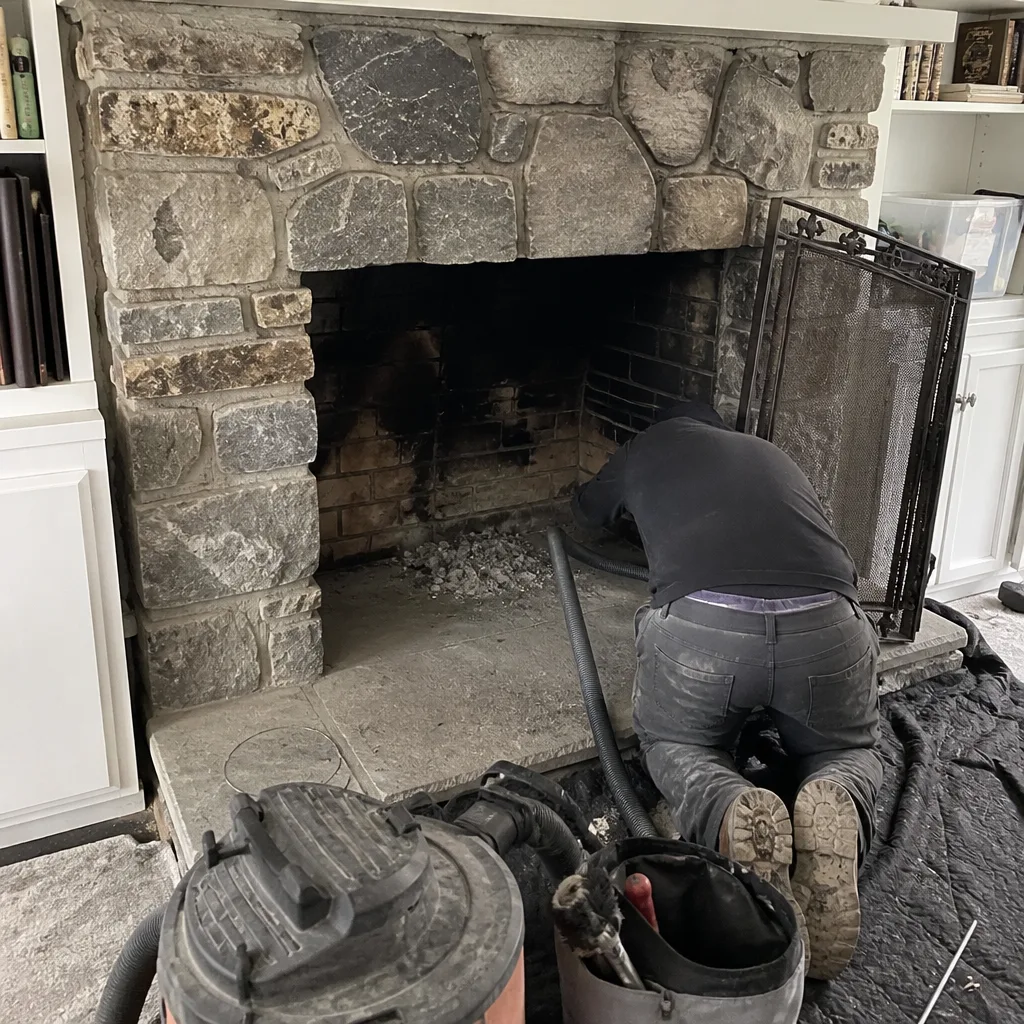
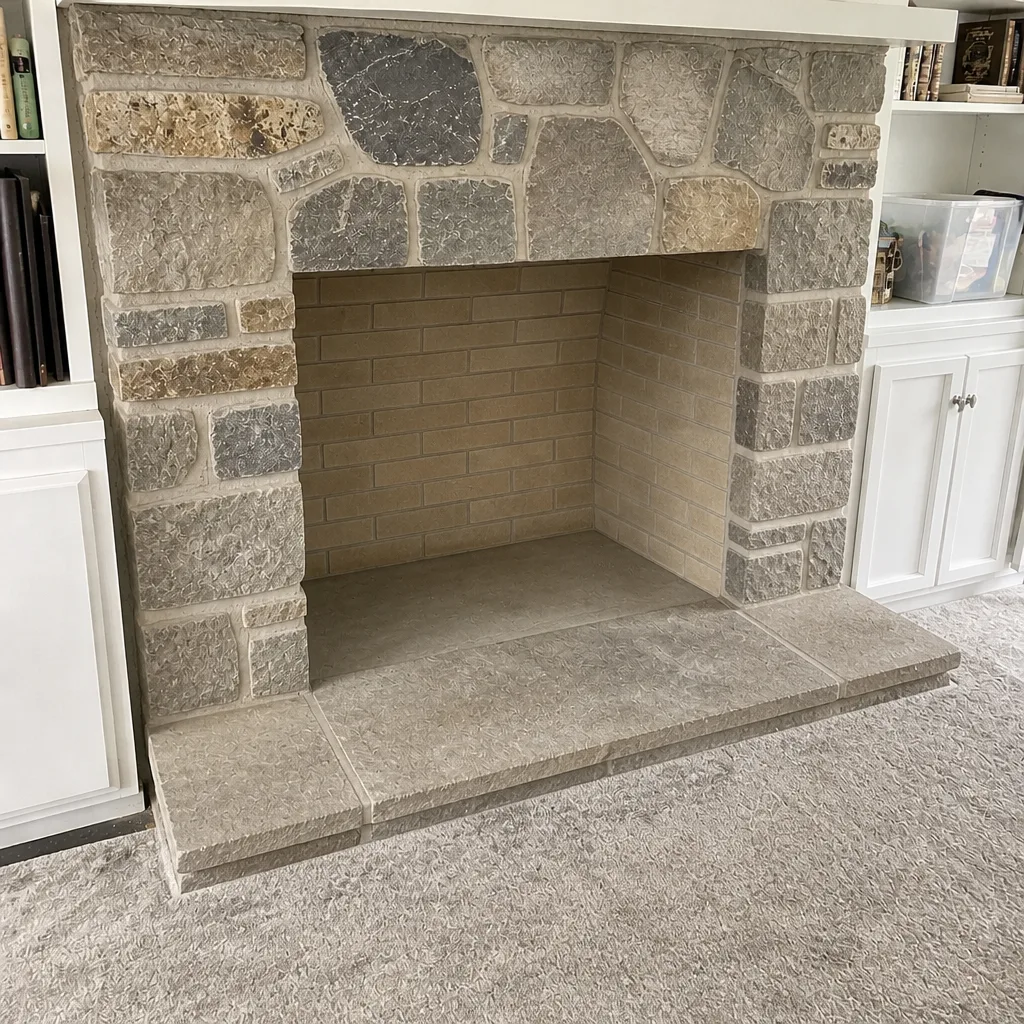
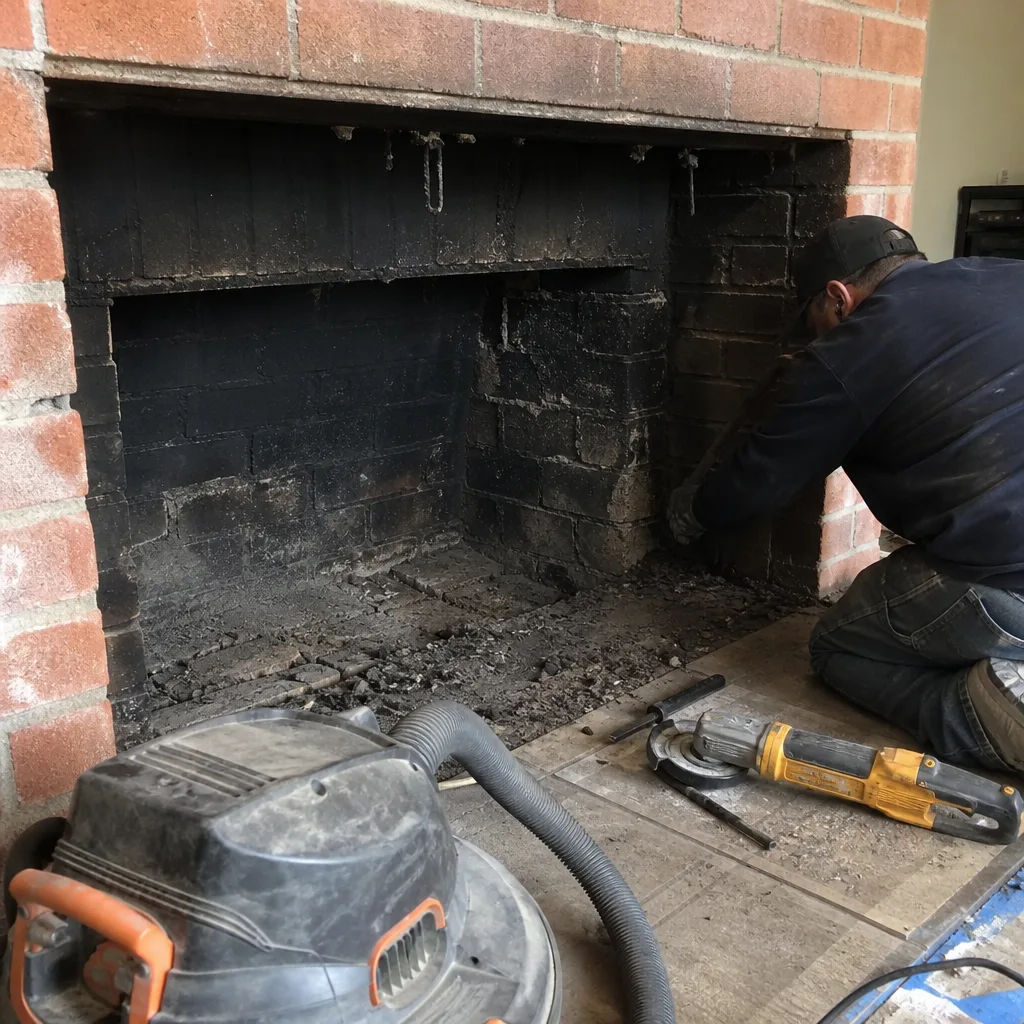
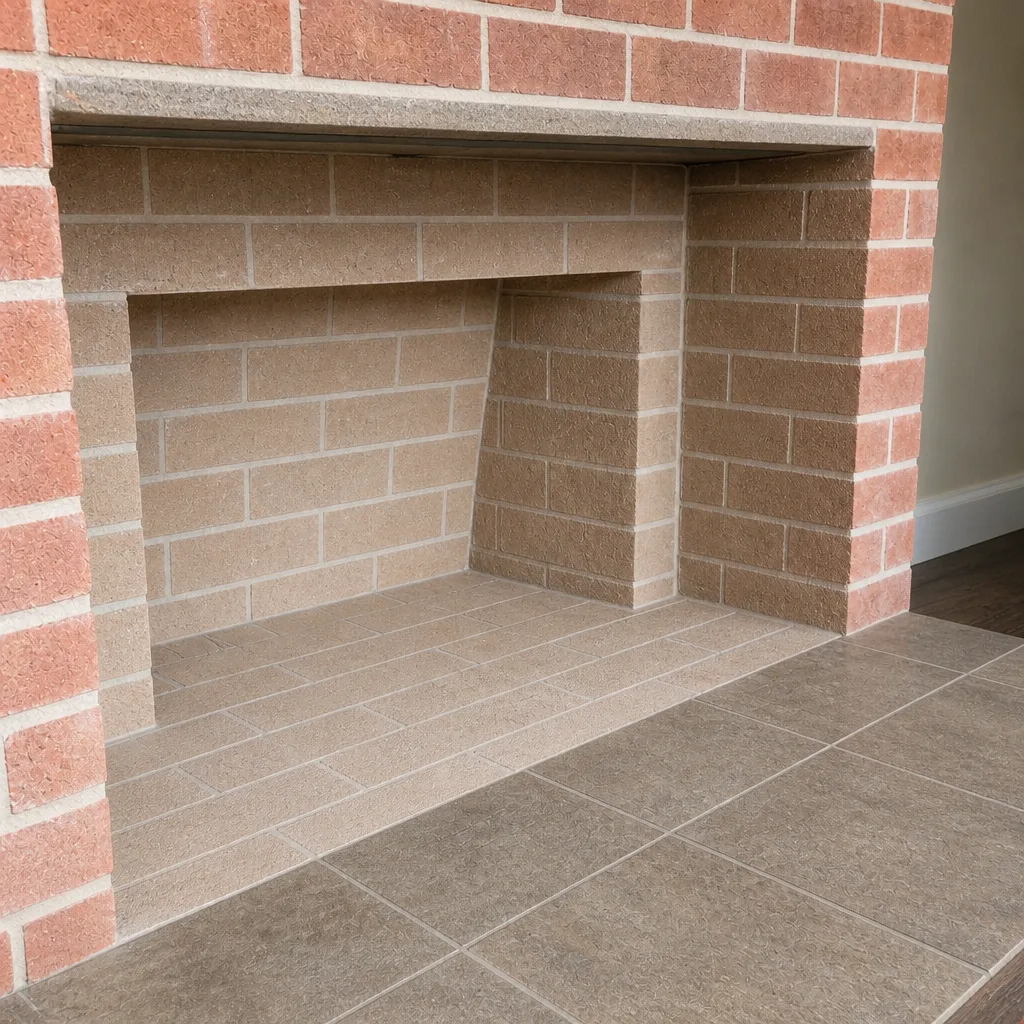
See the difference
 Before
 After
 Before
 After
 Before
 After
When to Call a Professional
Call a professional when a symptom persists after the simple checks, when you see soot on the firebox face, when the smell won’t go away with the fireplace idle, or when you’re buying or selling a home. Call right away if you smell burning creosote during a fire, if smoke won’t clear the room with the damper fully open, or if an inspection you already have shows a liner defect. Those are all signs the chimney needs a real diagnosis. In Santa Rosa, Chimney Cleaning offers free estimates in Santa Rosa. Call (888) 919-0637. We answer 24/7. Fast dispatch from 7am to 7pm, Sunday through Friday. A call outside dispatch hours is booked into the next opening. The inspection is where the conversation starts, and the estimate is free. If you’re not sure whether your issue is a sweep or a repair, tell us the symptom you’ve noticed and we’ll tell you which service fits.
Frequently Asked Questions
Because a sweep only addresses creosote buildup, and most smoke problems in Santa Rosa come from cold flues, negative pressure in a tightly sealed home, or structural defects like a cracked liner. If the flue is clean and the fireplace still smokes, the cause is elsewhere, and the right next step is a camera inspection to check liner integrity and smoke chamber shape. You should be able to hear a clear answer about which of these is causing the problem, and an inspection that includes those checks is what tells you. Call (888) 919-0637 for an exact quote on a diagnostic inspection, and the estimate is free.
A typical chimney sweep in Santa Rosa runs in the range you’d expect for a professional-grade cleaning, and the written estimate sets the final price once we see the flue and its condition. We give you a flat price for the sweep before we book, and the estimate is free. If the inspection turns up a reason the sweep won’t solve your symptom, we tell you before you commit. Call (888) 919-0637 for an exact quote.
If the inspection finds a cracked or deteriorated liner, the answer is yes, because a liner is what keeps flue gases inside the flue and out of your house. But a liner that’s merely dirty doesn’t need replacing, and some deteriorated flues can be resurfaced with HeatShield rather than relined. The difference is visible, and you’ll see the camera footage that justifies the recommendation. Call (888) 919-0637 to book the inspection, and the estimate is free.
Most wood-burning fireplaces are swept once a year, and that aligns with the annual inspection that catches liner and damper problems before they become costly. If you burn heavily through the season, the sweep may need to happen more often. The reason to keep to the annual schedule is safety: creosote is the fuel for chimney fires, and it builds up silently. Call (888) 919-0637 to book a sweep and inspection, and the estimate is free.
Creosote keeps accumulating in the flue until it catches fire, which is a chimney fire, and a small crack in the liner can let carbon monoxide into the house long before anyone notices a problem. Skipping the annual service doesn’t make those risks go away; it just makes them invisible. The fix is not expensive relative to the risk, and the estimate is free. Call (888) 919-0637 to get on the schedule.
Because a damper that doesn’t seat lets warm air from the house drift up the flue and carry creosote odor back down into the room, and the shoulder seasons in Santa Rosa give that a lot of time to happen. A properly seated damper, plus a clean flue and a good cap, stops the smell at the source. If the smell is sharp and acrid during a fire instead, stop using the fireplace and book an inspection. Call (888) 919-0637 to schedule, and the estimate is free.
The Bottom Line
Most chimney problems reported in Santa Rosa are diagnosable, and the symptom points to the cause. Smoke on startup means a cold flue; smoke during a hot fire means negative pressure or a structural draft problem; odor with no fire means a damper leak or moisture in the masonry. Naming the symptom correctly is the difference between a repair that fixes the problem and a sweep that doesn’t. Have your technician check the liner, the damper seating, and the smoke chamber before any work begins, and ask to see the camera footage. The right service is the one that matches the symptom, and we’ll tell you plainly when work can wait as well as when it can’t.
If you’re ready to sort out what’s going on with your chimney, call (888) 919-0637 for a free estimate. We answer 24/7, with fast dispatch from 7am to 7pm, Sunday through Friday. We inspect it, clean it, and fix it with professional-grade brands, and the estimate is free. Call today to get a straight answer about your fireplace.
Written by the team at Santa Rosa Chimney Cleaning.