
Last updated November 15, 2026
 Sweep & inspection
 Caps & crowns
 Flue relining
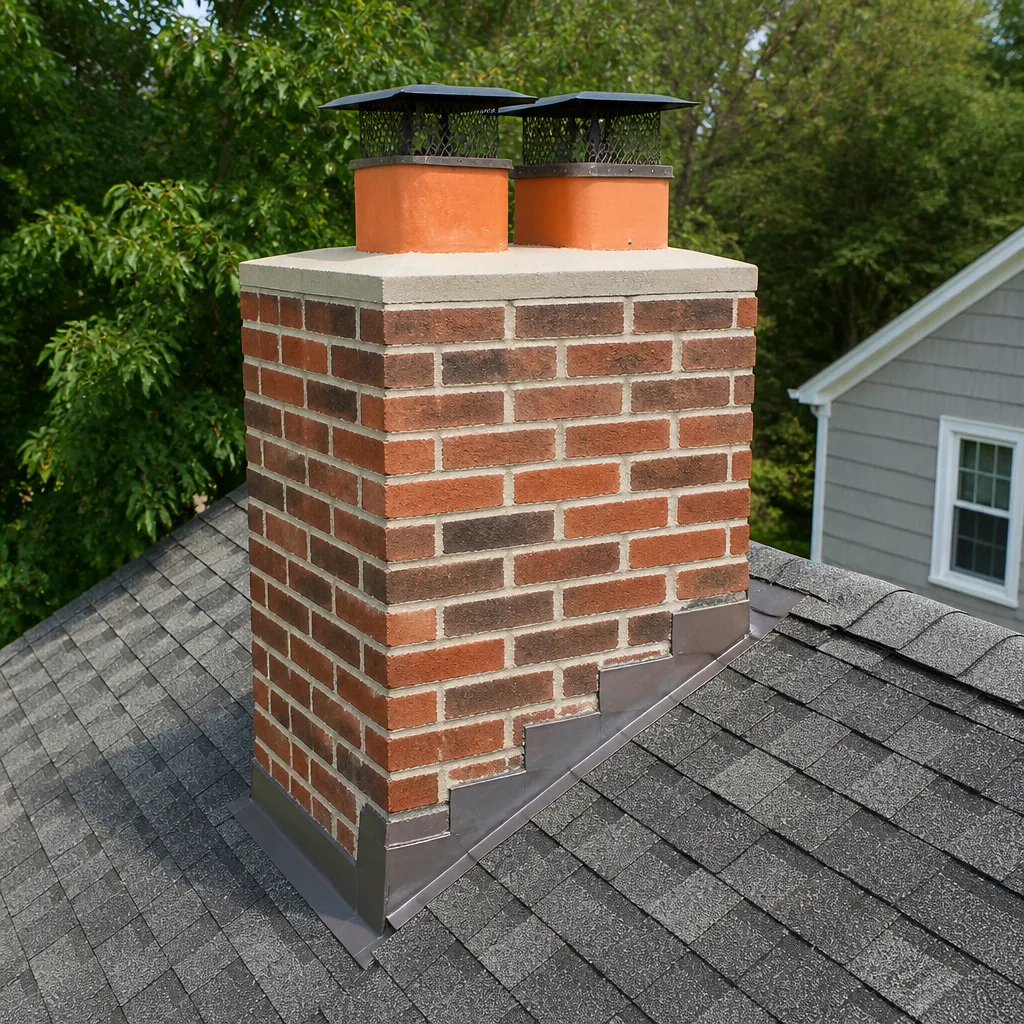 Masonry repair
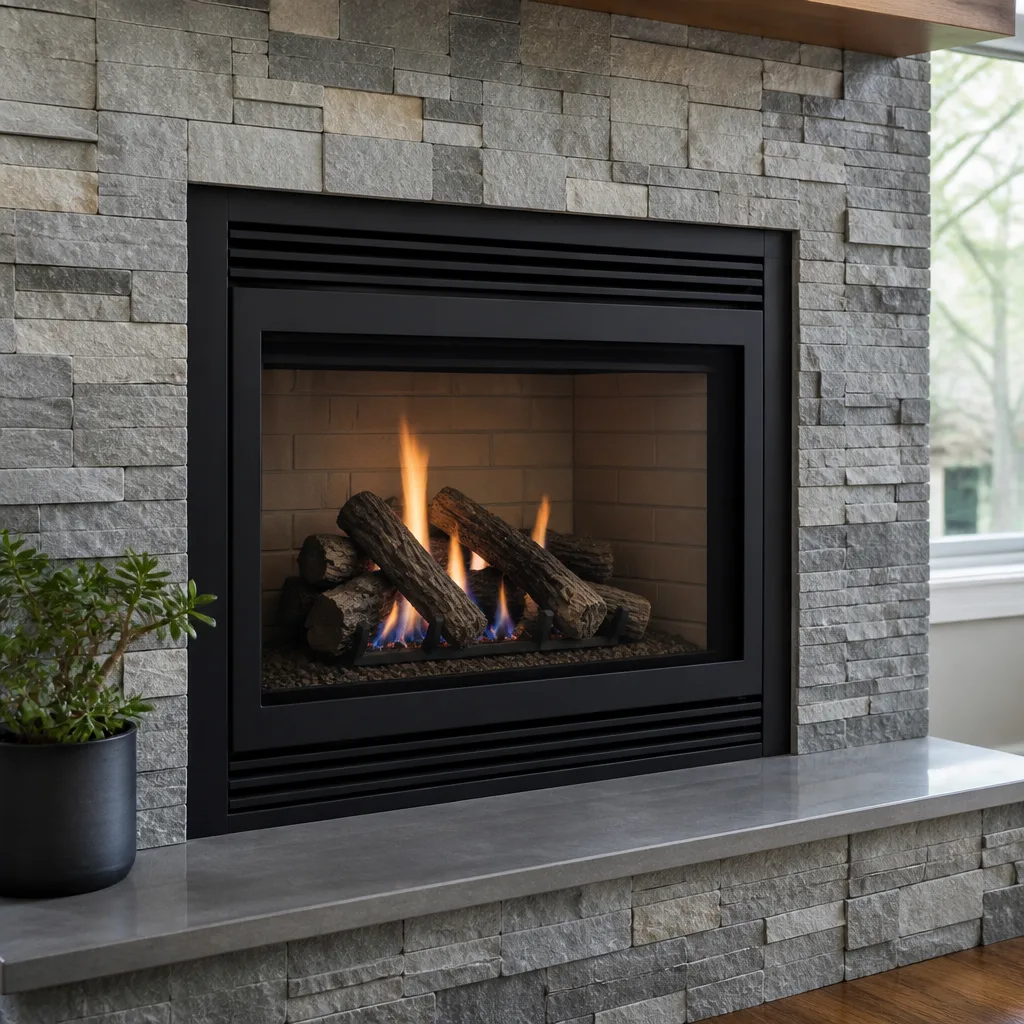 Gas fireplace service
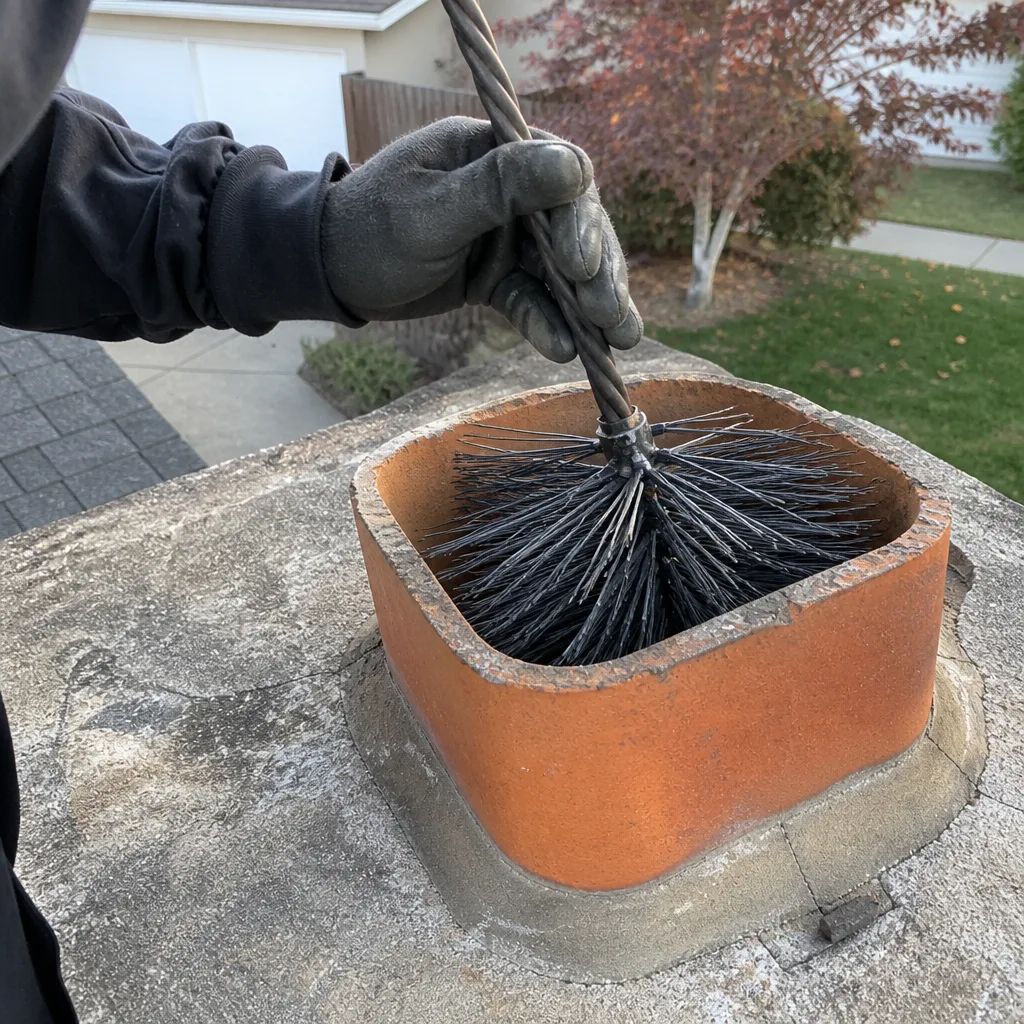
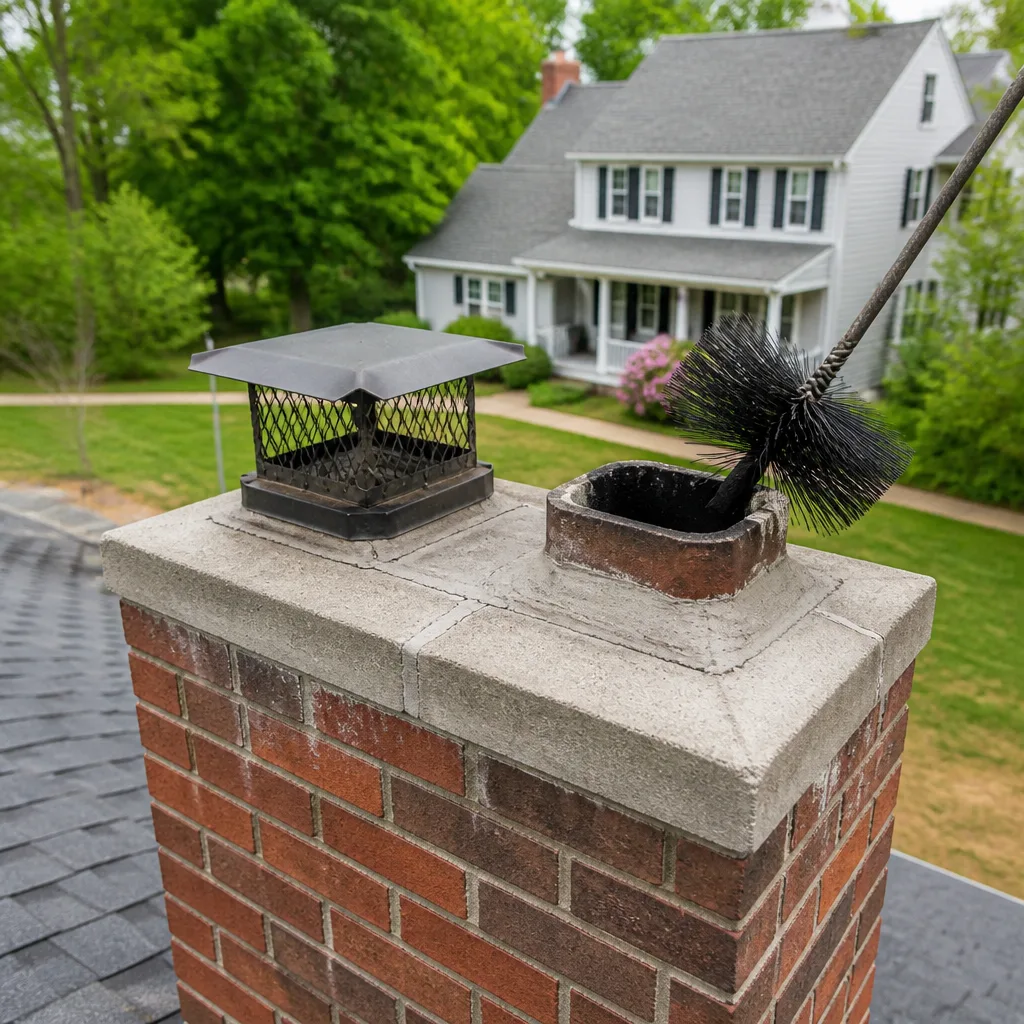
Level 1 sweep and inspection to the NFPA 211 annual standard - flue, crown, cap, and flashing checked and photographed
Chimney sweep logs do not sweep chimneys. They loosen some creosote - which then falls where a brush and vacuum still have to collect it.
Chimney Sweep Maintenance Schedule: What to Do and When
Most chimney advice says the same thing: get it cleaned once a year. In Santa Rosa, that advice is only half right. The real question isn’t how often. It’s when. A sweep booked in January, after peak burning season, means creosote and moisture sit in your flue through spring and summer while acid eats at the liner. The timing of your service matters as much as the service itself. This guide lays out a month-by-month chimney schedule built for Santa Rosa’s dry season, its rainy season, and the way people here actually burn wood, so your fireplace is ready when you need it and inspected after the conditions that do the real damage.
Quick Answer
The best time to schedule a chimney cleaning in Santa Rosa is late summer or early fall, before the first burn of the season, usually August through September. Book a post-season inspection after you stop burning, and add a mid-winter spot check if you burn heavily. Annual sweeps are the baseline; how often you actually need one depends on wood type and burn frequency.
Styles & brands we work with
- Sweep & inspection
- Caps & crowns
- Flue relining
- Masonry repair
- Gas fireplace service
Table of Contents
- Why Timing Matters More Than the Once-a-Year Rule
- The Santa Rosa Chimney Maintenance Calendar, Month by Month
- Pre-Season Cleaning and Inspection: The Highest-Value Appointment
- Mid-Winter Spot Checks for Heavy Users
- Post-Season Structural Check: What Rain Does to a Chimney
- Wood, Pellets, and Gas Logs: Three Different Maintenance Profiles
- A Self-Inspection Checklist Between Professional Visits
- When You Need a Formal Chimney Inspection
Why Timing Matters More Than the Once-a-Year Rule
Scheduling your chimney sweep in January, after peak burning season, means you’re storing a flue coated in creosote and moisture all spring and summer, which is exactly when acid damage to your liner is happening. That’s the point most homeowners miss. A chimney is not a static object between burns. It’s a cavity that reacts to what’s left inside it and to the weather around it.
Creosote is the residue of incomplete combustion. It builds up on flue walls as a dark, sometimes crusty or glazed deposit. Left sitting, it absorbs moisture from the air. In Santa Rosa’s wet months, that moisture combines with creosote to form mild acids that attack mortar joints, flue tile, and metal liners. The longer a dirty flue sits through the rainy season, the more time those acids have to work.
The generic “clean it once a year” rule ignores this entirely. It treats a chimney in Santa Rosa the same as one in a dry, cold climate, and it treats a homeowner who burns a few cords a season the same as someone who lights a fire a handful of times. Both are wrong. Timing your service correctly does two things: it clears the flue before deposits have a full rainy season to damage it, and it puts a trained eye on the chimney before and after the conditions that actually cause wear.
We inspect it, clean it, and fix it – same company, same standard of work. That’s the advantage of a full-service approach over a sweep-only visit, because the person who cleans your flue is also the one who notices when a liner is failing.
What we’ll cover here is a schedule, not a single rule. A pre-season cleaning. A post-season structural check. A mid-winter spot check if you burn hard. And a fuel-type section, because a cord-wood fireplace and a gas log set have almost nothing in common on a maintenance calendar.
The Santa Rosa Chimney Maintenance Calendar, Month by Month
Santa Rosa’s year splits roughly in two: a dry season when burning picks up and fire risk rises, and a rainy season when water intrusion does its damage. Your chimney schedule should follow that rhythm. Here’s how the year breaks down.
- August to September: Pre-season sweep and inspection. This is the anchor appointment. The goal is a clean, verified flue before the first fall fire.
- October to November: First burns of the season. Check the draft, the smoke behavior, and the damper. Listen for any change in how the fireplace draws.
- December to February: Peak burning. Heavy users should schedule a mid-winter spot check, especially if they notice any draft or smoke issue.
- March to April: Post-season inspection. Look at the flue, the cap, the crown, and the mortar after a full burning season and before the rains settle in.
- May to July: The quietest months for burning but the busiest for damage we can’t see. Rain, wind, and fluctuating humidity act on the chimney’s exterior and liner.
Notice that the two highest-value appointments sit at the edges of the burning season, not in the middle. The pre-season visit sets you up for safe burning. The post-season visit catches what a season of heating and weather did so you’re not discovering it next October.
The rainy-season months are when a covered cap, a sound crown, and a solid mortar wash matter most. A cracked crown or a loose flue tile that gets water into the chimney structure doesn’t fail loudly. It fails slowly, through the summer, until the weather turns. That’s why the post-season check is a structural check, not a cleaning. We’re looking for damage, not residue.
If you’re in Santa Rosa and thinking about which of these appointments applies to your home, a short call will help you figure out the timing that fits how you actually burn.
Pre-Season Cleaning and Inspection: The Highest-Value Appointment
The late-summer inspection, before the first fall fire, is the single highest-value appointment a homeowner in Santa Rosa can make all year. It’s the one that answers the real question: is this chimney ready to use?
A pre-season visit does three things at once.
- Removes what’s accumulated. The sweep clears creosote and soot from the flue, the smoke chamber, and the firebox, so the first burn of the season starts clean.
- Confirms the flue is sound. An inspection looks at the liner, the flue joints, the crown, the cap, the damper, and the firebox. It’s the moment to find a crack, a gap, or a deposit type before it becomes a safety problem during the season.
- Documents the chimney’s condition. A chimney inspection as a formal standalone service gives you a real answer, not just a receipt. It’s useful for insurance, for a real estate transaction, and for your own annual safety record.
That third point matters more than it seems. Most homeowners skip inspection until something goes wrong. A pre-season inspection is the opposite approach: it’s a check-up, not an emergency visit. It’s how you find the problem before burning season makes it worse.
The other reason to book in late summer is practical. October and November are when fireplaces get the most attention. Scheduling in August or September gets your chimney in shape without waiting behind everyone who waited until the first cold week.
We answer 24/7. Fast dispatch from 7am to 7pm, Sunday through Friday, though a pre-season sweep is something to book, not something to rush. The point is to have the appointment on the calendar before fire season, not after.
Mid-Winter Spot Checks for Heavy Users
If you burn wood most nights through the winter, one pre-season sweep may not be enough. A mid-winter spot check catches buildup before it becomes a mid-season problem, and it’s the appointment most homeowners don’t think to schedule.
A spot check is lighter than a full sweep. It covers the flue, the smoke chamber, and the firebox, looking for heavy creosote accumulation, a change in draft, or a damaged component. It’s not a cleaning if the chimney doesn’t need one. It’s a look at how the chimney is performing under real use.
Heavy use here means regular fires through the season, wood that’s not fully seasoned, or a firebox that sees stronger, hotter burns. Any of those speeds up creosote formation. So does burning with a weak draft, which cools the exhaust and leaves more residue on flue walls. A spot check can catch all of that in January, when a full-season problem is still small.
We answer 24/7. A call outside dispatch hours is booked into the next opening, Sunday through Friday, 7am to 7pm. If you’re burning hard and something feels off with the draft or smoke, that’s the call to make before it changes how the fireplace behaves.
Post-Season Structural Check: What Rain Does to a Chimney
Spring is when Santa Rosa’s rains are still working on your chimney’s exterior and its liner. A post-season structural check, ideally in March or April, is a look at what the burning season and the weather have done.
Creosote left in the flue plus moisture equals acid damage. That’s why clearing the flue at the end of the burning season matters as much as clearing it at the start. A post-season visit cleans residue that would otherwise sit through the rain, and it inspects the parts that weather hits hardest.
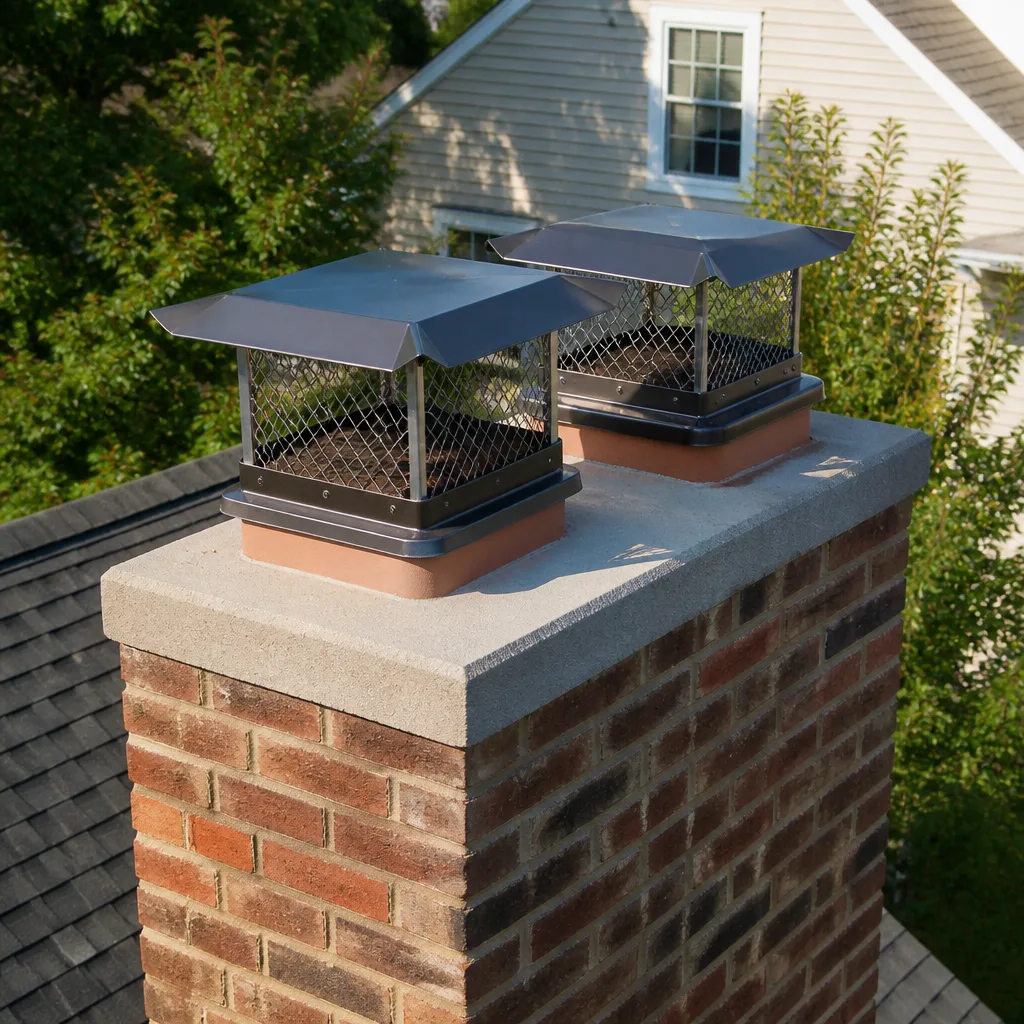
- The crown: the concrete top of the chimney. Cracks in the crown let water into the masonry below.
- The cap and chase cover: a missing or damaged cap lets rain and animals into the flue.
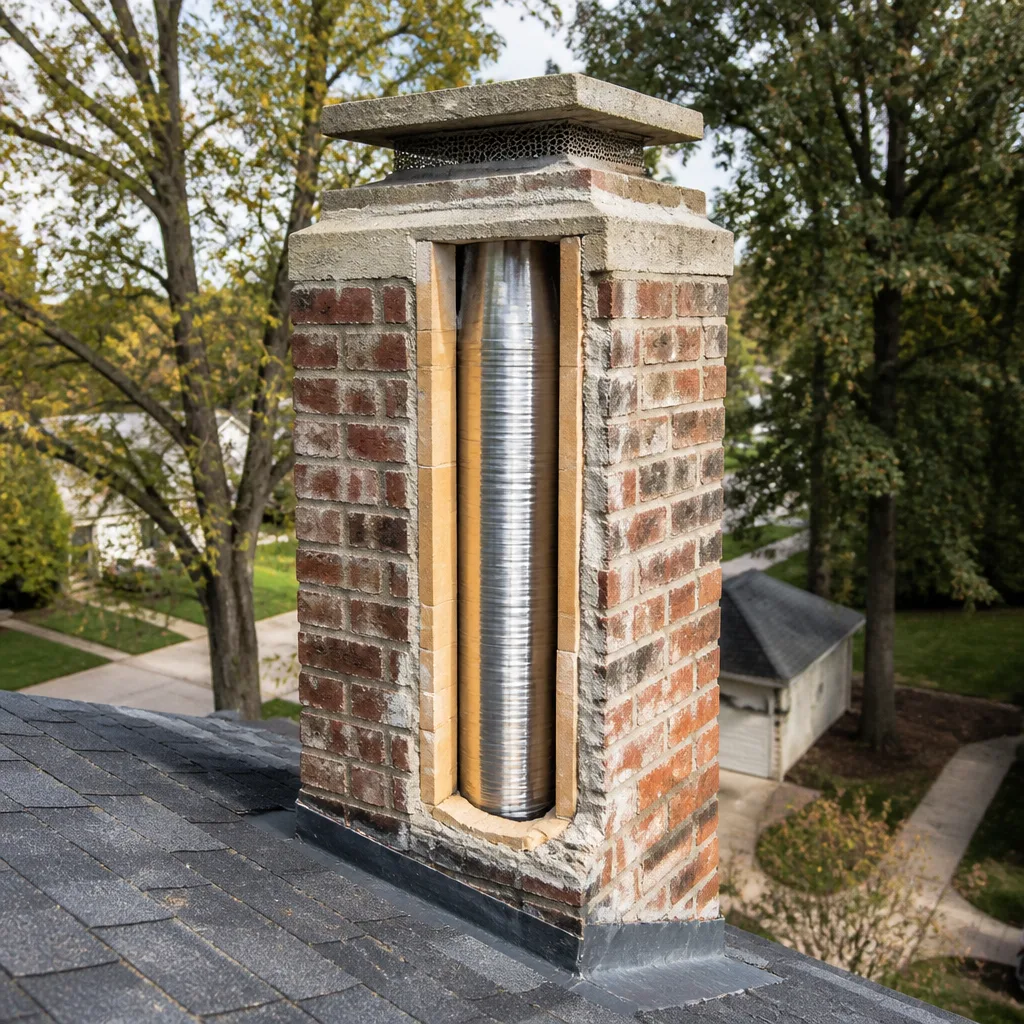
- The flue liner: a post-season inspection checks the liner for cracks, gaps, and separated joints that could let combustion gases escape.
- Mortar joints: visible degradation on the exterior is a sign water has been getting in.
Water intrusion is the slow-damage problem on a chimney. It doesn’t announce itself. It works into the masonry, weakens joints, and shortens the life of a liner over a couple of rainy seasons. A post-season check catches it while it’s small.
A chimney inspection at this point in the year also gives you a clean baseline for the summer. If the crown is cracked, better to know in April than to discover it in October when the schedule is packed.
Wood, Pellets, and Gas Logs: Three Different Maintenance Profiles
Not every fireplace needs the same schedule. The fuel you burn determines how much residue forms, how fast, and whether the chimney needs an annual sweep at all.
Cord wood fireplaces and wood stoves. This is the highest-maintenance profile. Cord wood produces creosote, and the amount depends on wood moisture, burn temperature, and how often you burn. A cord-wood fireplace should get the annual pre-season sweep, and heavy users should add the mid-winter spot check. Seasoned wood burns cleaner than green wood, but any cord wood requires regular flue cleaning. This is the profile the calendar in this guide is built around.
Pellet stoves. Pellet inserts burn more efficiently than cord wood, which means less creosote. But they still produce ash and some residue, and the venting system needs attention. A pellet insert typically doesn’t need the same frequency of flue cleaning as a wood fireplace, but it does need annual inspection of the venting and the firebox. The sweep schedule can stretch; the inspection schedule shouldn’t.
Gas log sets. Gas logs don’t produce creosote because there’s no wood combustion. But they still need an annual inspection. The concerns are different: gas connections, venting, airflow, and any debris that settles in the firebox. A gas log set doesn’t need the brush-and-rod sweep a wood flue does, and it’s important to say plainly that a gas log inspection is not a substitute for gas appliance service, which is the work of a licensed gas professional. What a chimney specialist confirms is the venting and the firebox condition.
If you’re not sure which profile your fireplace fits, that’s a conversation worth having before you book. A short call will sort it out.
A Self-Inspection Checklist Between Professional Visits
You don’t need a ladder or a brush to catch obvious issues between professional visits. A few simple checks, done safely, tell you whether it’s time to move an appointment up. This checklist is about spotting signs, not doing repairs. Never open a firebox that’s still hot, and never climb onto a roof to inspect a chimney yourself.
- Smell: a strong, sharp odor in the room during or after a fire can indicate creosote buildup or a draft problem.
- Smoke behavior: regular smoke spillage into the room, or a fire that struggles to draw, is a sign the flue or draft needs attention.
- Visible creosote: at the top of the firebox, look for dark, crusty deposits building up. Don’t reach into the flue.
- Damper operation: check that the damper opens and closes smoothly and seats properly.
- The cap from the ground: with binoculars, check that the chimney cap is in place and not obviously damaged.
- Water signs: dampness, staining, or a musty smell near the fireplace or chimney can point to water intrusion.
- Animal signs: nesting material or debris around the cap or in the firebox means the flue needs checking.
None of these checks replaces a professional inspection. They’re early-warning signs. If you see any of them, that’s the moment to book, not the moment to wait for the next scheduled visit.
When You Need a Formal Chimney Inspection
A formal chimney inspection is a standalone service, not a checkbox before a sweep. It’s the right call in a few specific situations, and it gives you a real answer rather than a general impression.
- Annual safety verification: once a year, as the pre-season appointment, to confirm the flue is sound before burning season.
- Insurance compliance: some policies require documentation of the chimney’s condition. A formal inspection report is what your insurer needs.
- Real estate transactions: a pre-sale or pre-purchase inspection gives both sides a clear picture of the chimney’s condition.
- After a change in performance: a sudden draft change, smoke where there wasn’t any, or a new smell.
The hesitation most homeowners have with any chimney inspection is being told they need thousands of dollars of liner or masonry work they can’t verify. We handle that directly. Nothing is recommended without camera evidence you can see for yourself, and we’ll tell you plainly when work can safely wait. A chimney inspection that gives you a real answer, not just a receipt, is the whole point.
An inspection identifies the problem. A sweep clears the immediate hazard. A repair resolves the root cause. When all three sit under one company, you’re not handed off to a separate contractor for the fix, and the person who found the issue is the one who addresses it.
Common Mistakes to Avoid
- Scheduling the sweep after peak burning season. By then, creosote has sat through the rainy season, and acid damage is already underway. Book the pre-season appointment before the first fall fire.
- Skipping the post-season check because the fireplace is clean. A spring visit isn’t about cleaning. It’s about finding what a season of weather did to the crown, cap, and liner.
- Assuming “once a year” fits every fireplace. A cord-wood stove that burns most nights needs more than an annual sweep. A gas log set needs a different kind of inspection entirely.
- Burning green or poorly seasoned wood. Moisture in the wood cools the fire and leaves more creosote on the flue. Seasoned wood is the cheapest upgrade to your chimney’s health.
- Treating an inspection as a box to check. A real inspection is the part that catches a failing liner before it becomes a safety problem. Ask for the evidence, not just a summary.
- Ignoring a draft change. A fireplace that used to draw well and now doesn’t is telling you something. A draft change is worth a call.
- Hiring a general handyman for chimney work. Chimney repair is material-specific work, from liner systems to flue resurfacing. Professional-grade materials from brands chimney specialists actually use, like Copperfield and DuraFlex liner systems or HeatShield ceramic resurfacing, aren’t part of a general-labor kit.
One local point: in Santa Rosa’s dry months, overlooking fire safety when burning wood doesn’t just affect your chimney. A clean, sound flue and safe burning practices belong in the same conversation. An annual inspection is where that conversation starts. More on the full scope of a chimney sweep is covered on the main service page.
See the difference
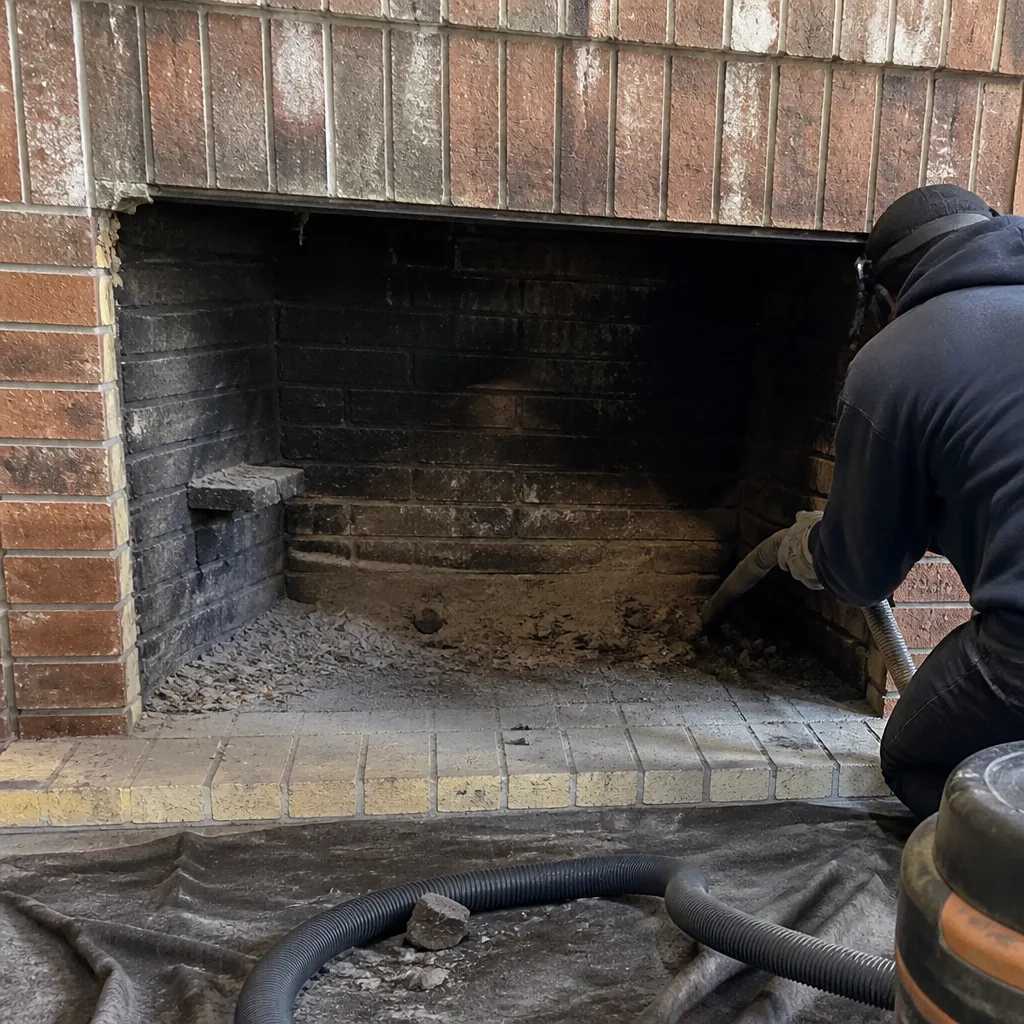 Before
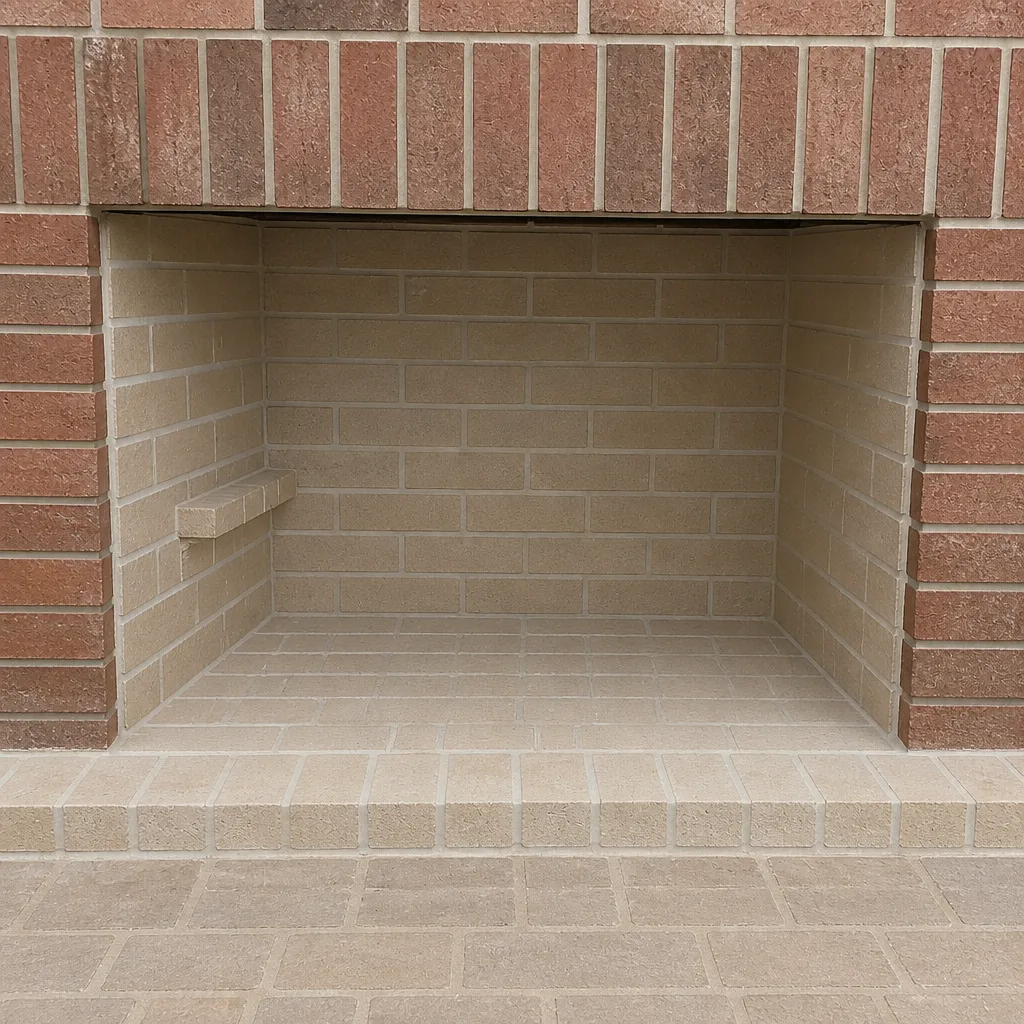 After
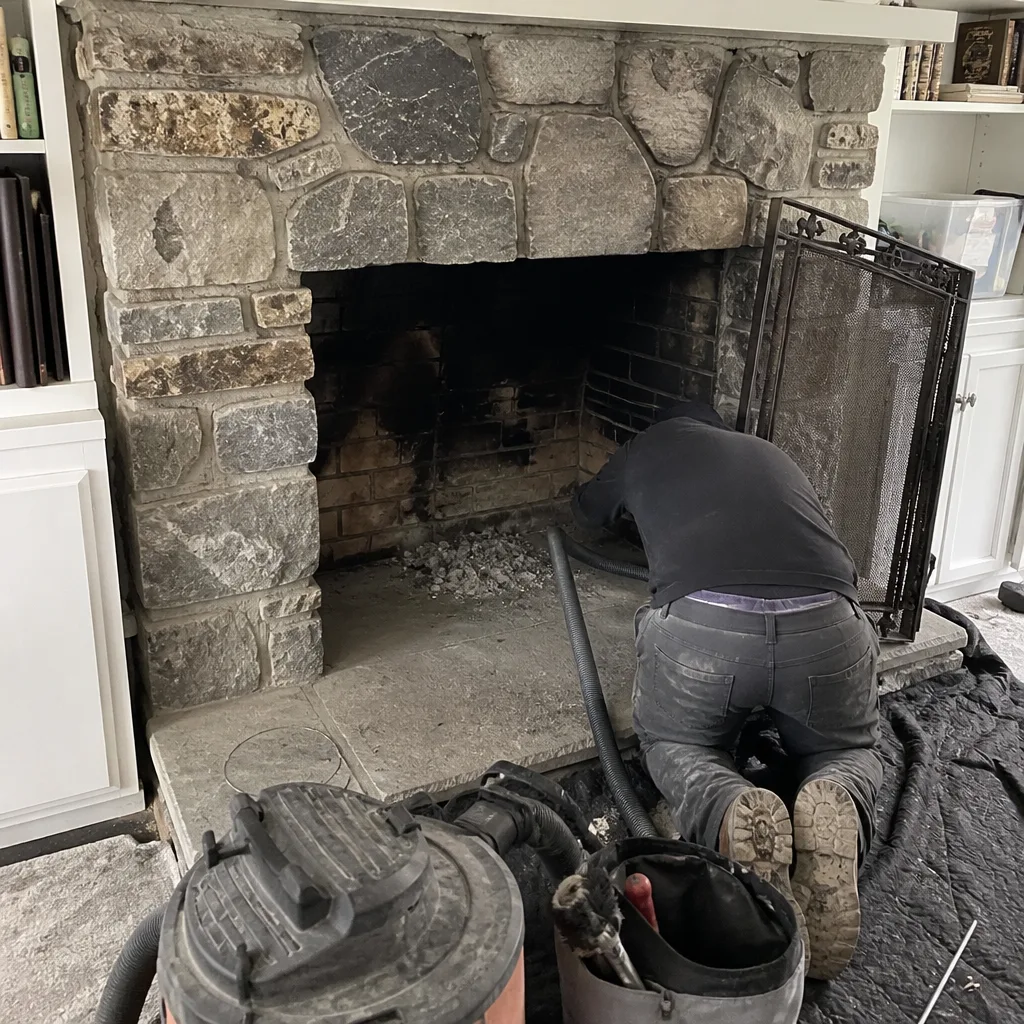 Before
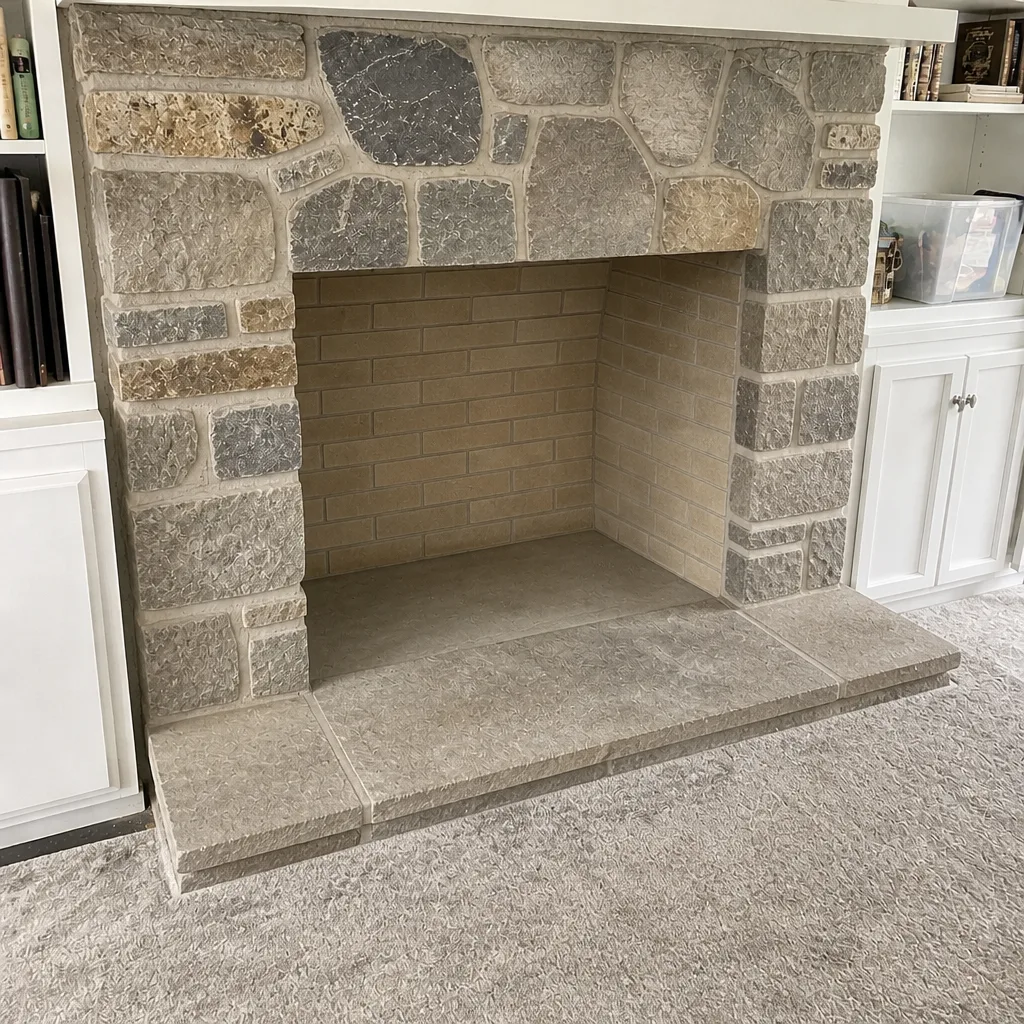 After
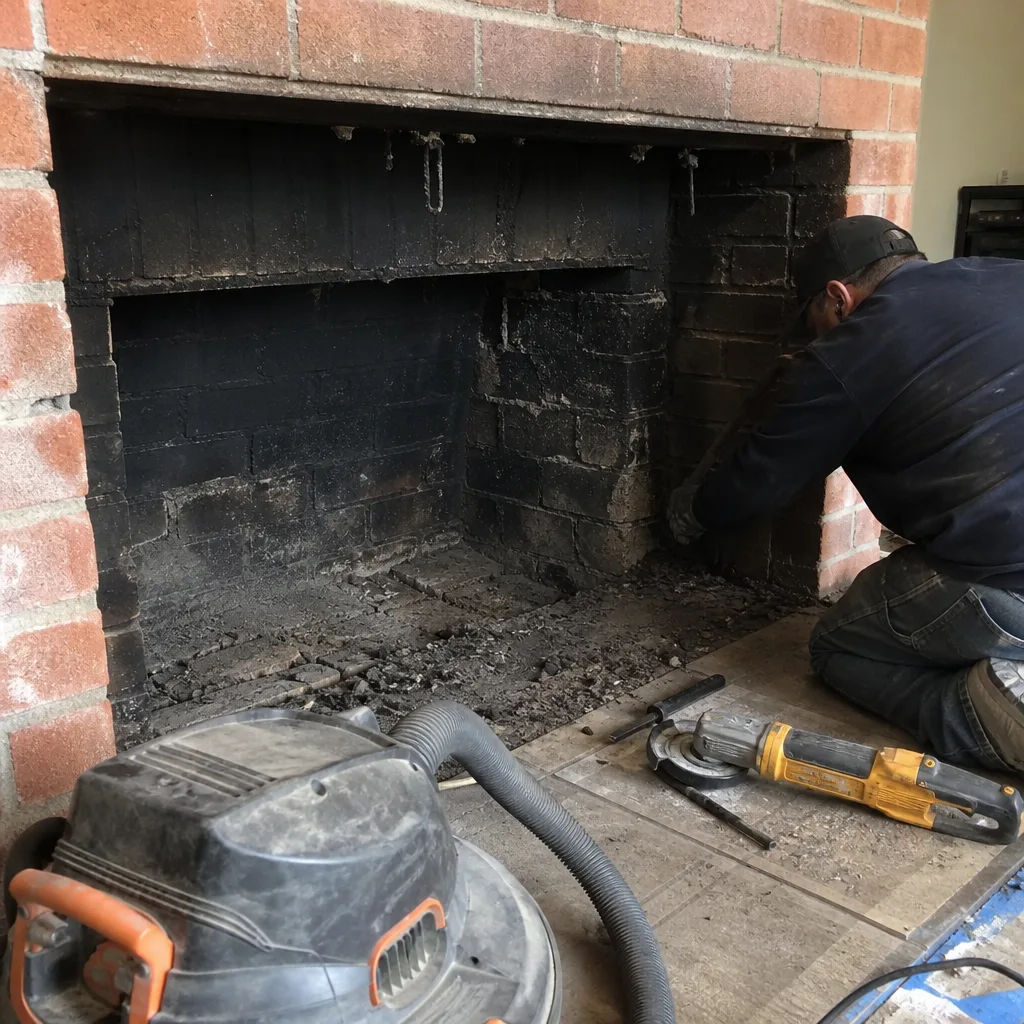 Before
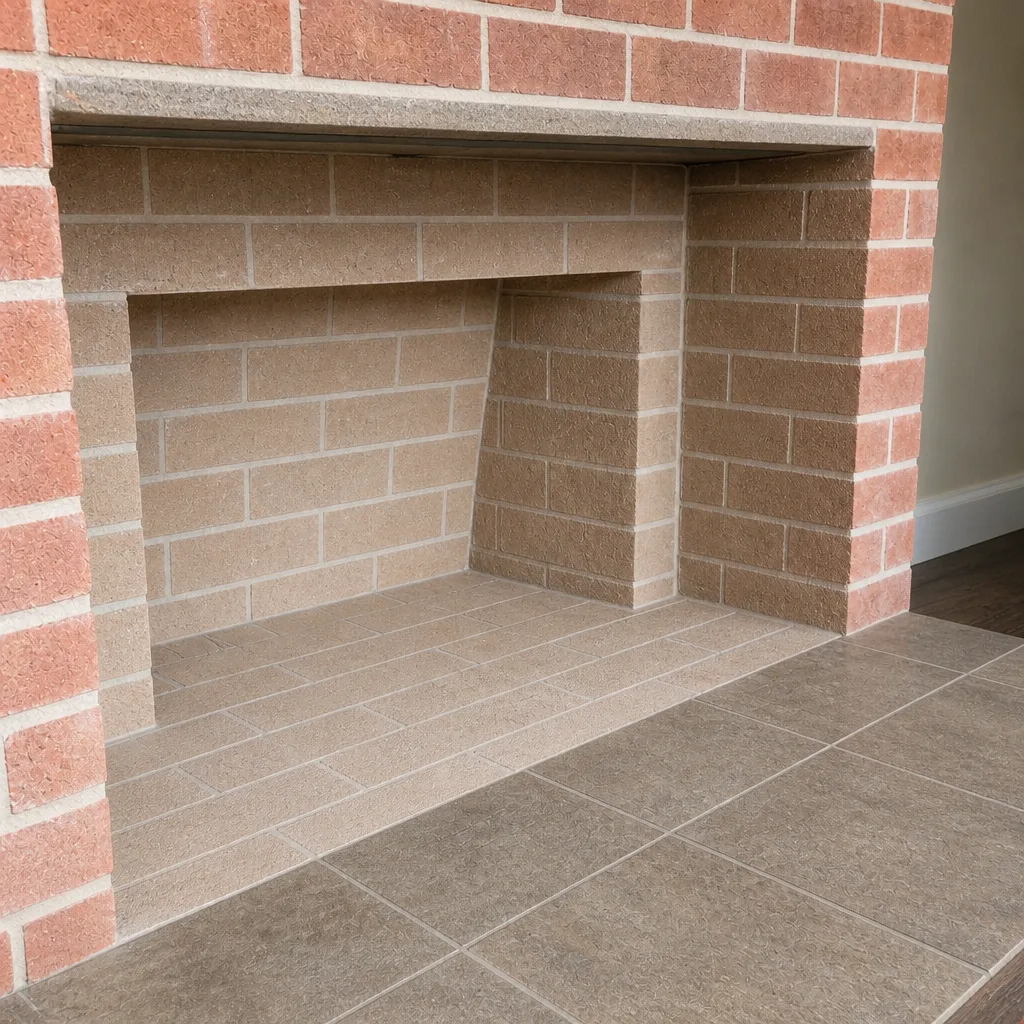 After
When to Call a Professional
Some work on a chimney isn’t safe to attempt, and the flue is one of them. Climbing a roof, reaching into a flue to clear buildup, or working with creosote-heavy deposits is work for a trained professional with the right equipment. We say that plainly, because a fall from a roof or an unsafe flue repair costs far more than the visit would have.
Call a professional if you see creosote buildup beyond a thin layer, if the fireplace smokes into the room, if you notice a draft that gets weaker over the season, or if you’re unsure when the chimney was last cleaned. Call before your first fall fire, not after. Call after a season of hard burning if you’ve never had the flue and the crown inspected. For a pre-sale or pre-purchase inspection, call before the transaction closes, not after. For liner damage or a chimney that needs chimney repair, call before burning again.
We inspect it, clean it, and fix it – same company, same standard of work. Santa Rosa Chimney Cleaning offers free estimates in Santa Rosa – call (888) 919-0637. We answer 24/7. Fast dispatch from 7am to 7pm, Sunday through Friday.
Frequently Asked Questions
Late summer or early fall, ideally August through September, before the first fire of the season. That timing clears the flue before burning season and confirms the chimney is safe before you use it. For heavy wood burners, add a post-season check in March or April. Call (888) 919-0637 for an exact quote. Estimates are free.
Once a year is the baseline for a wood-burning fireplace, and that’s the right schedule for most homes. Heavy users, or anyone burning a lot of cord wood, may want a mid-winter spot check on top of the annual sweep. Pellet stoves and gas log sets follow different schedules, so it’s worth confirming which applies to your fireplace. Call (888) 919-0637 for an exact quote. Estimates are free.
Not always. A liner needs replacement when the inspection shows cracks, gaps, or failed joints that can let combustion gases escape. Sometimes the right answer is a repair or a resurfacing, not a full replacement. HeatShield ceramic resurfacing is an alternative to a full reline when the right repair is the smarter repair. We won’t recommend a liner without showing you the evidence on camera. Call (888) 919-0637 for an exact quote. Estimates are free.
We don’t recommend it. Roof access, creosote handling, and flue work carry real injury risk, and a DIY sweep can miss the liner damage that matters far more than the soot. A trained professional with the right tools sees what a homeowner can’t. Call (888) 919-0637 for an exact quote. Estimates are free.
No, but sooner is better. A mid-season visit can clear buildup and check the flue while you’re still using the fireplace, and it’s worth booking if the draft has changed or smoke behaves differently than usual. A call outside dispatch hours is booked into the next opening, Sunday through Friday, 7am to 7pm. Call (888) 919-0637 for an exact quote. Estimates are free.
Creosote and moisture sit in the flue through the rainy season, and acid damage to the liner keeps working while the fireplace is idle. You may not notice anything for a year or two, but the inspection will. Skipping the pre-season visit is the easiest way to turn a small issue into a bigger repair. Call (888) 919-0637 for an exact quote. Estimates are free.
The Bottom Line
Your chimney in Santa Rosa doesn’t follow a generic once-a-year rule. It follows the local season: a late-summer sweep and inspection before the first fall fire, a mid-winter spot check if you burn hard, and a spring structural check before the rains settle in. Fuel type changes the schedule, so a cord-wood fireplace and a gas log set don’t belong on the same calendar. Between visits, the self-inspection checklist catches early signs, and a real inspection, backed by camera evidence you can see, is what turns a service visit into a decision you can trust. Book the pre-season appointment now, and the rest of the year takes care of itself.
Santa Rosa Chimney Cleaning offers Santa Rosa Chimney Cleaning services across sweep, inspection, and repair, with professional-grade materials like HeatShield and Gelco and full-service accountability from inspection to fix.
Written by the team at Santa Rosa Chimney Cleaning.